August Jernberg
1826 – 1896
In short
August Jernberg (1826–1896) was a Swedish painter associated with the Düsseldorf school of painting. He worked in Germany for much of his career, producing genre scenes, portraits and landscapes that reflect the school's realist‑detail and narrative focus.
Notable works
Early life August Jernberg was born in 1826 in the northern Swedish town of Gävle. Little is recorded about his family background, but he displayed an early aptitude for drawing and was encouraged to pursue formal training. In the 1840s he moved to Stockholm to study at the Royal Swedish Academy of Fine Arts, where he received a grounding in drawing from life, anatomy and the classical canon. The academy’s curriculum, which combined rigorous technical exercises with exposure to contemporary European art, prepared Jernberg for the next stage of his development abroad.
In the early 1850s Jernberg secured a scholarship that enabled him to travel to Germany, the centre of many progressive artistic circles. He settled in Düsseldorf, a city that had become a magnet for artists from across Europe due to its thriving academy and the patronage of the Prussian court. The city’s artistic community was characterised by a shared interest in meticulous technique, narrative content and a careful rendering of light and atmosphere.
Career and style Jernberg’s career unfolded almost entirely within the framework of the Düsseldorf school of painting. The school, which emerged in the early nineteenth century, was known for its synthesis of Romantic subject matter with a disciplined, almost academic approach to execution. Artists associated with the movement often produced history paintings, genre scenes and landscapes that combined a clear, almost photographic realism with a subtle moral or emotional undertone.
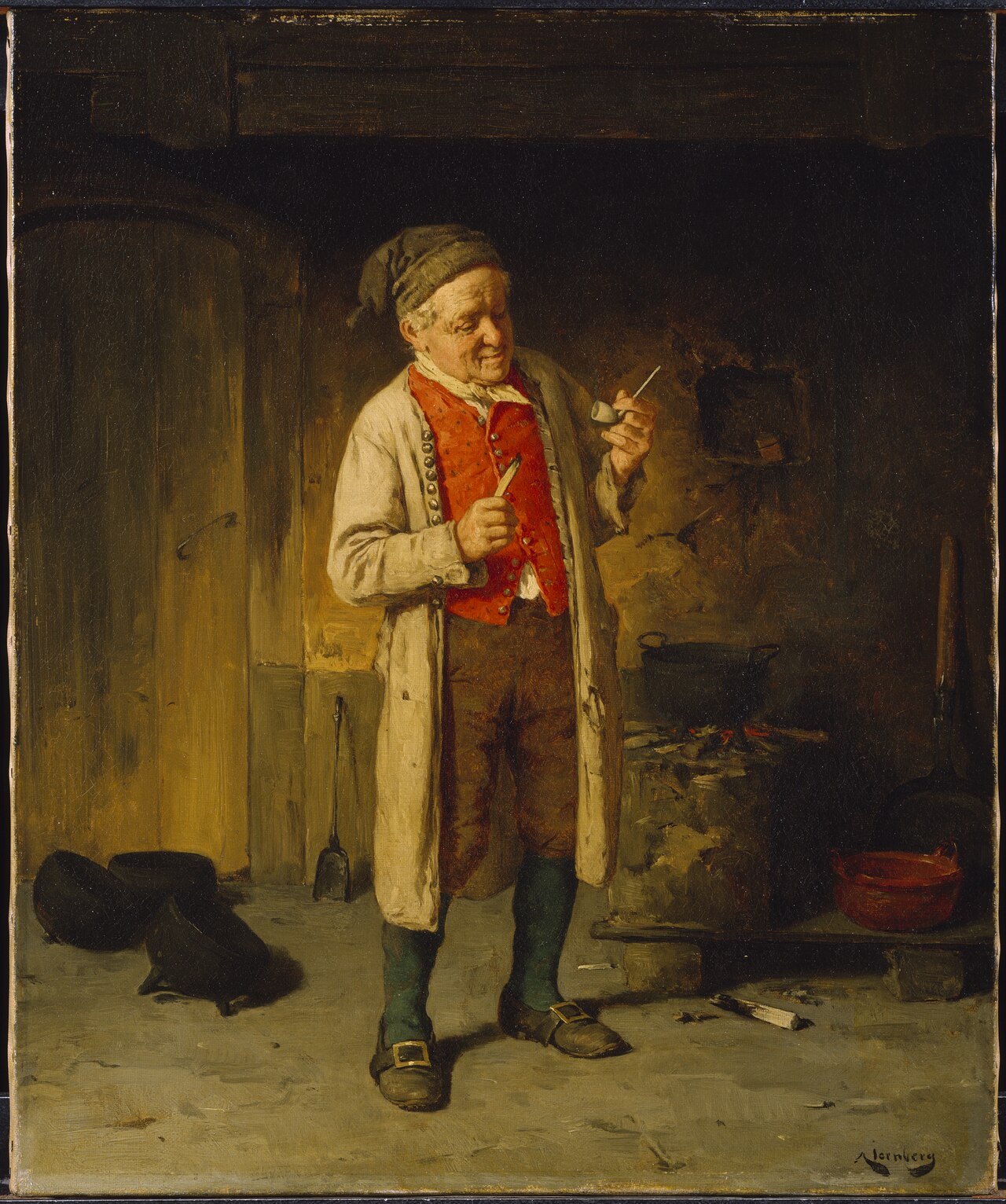
Within this milieu Jernberg found his niche in genre painting and portraiture. His early works display a careful observation of everyday life, rendered with a crisp linear quality and a restrained colour palette. He favoured a balanced composition, often placing the principal figure slightly off‑centre to create a sense of narrative tension. Light is employed to highlight texture—whether the sheen of a copper kettle or the soft folds of a peasant’s clothing—while the background is treated with sufficient detail to situate the scene without distracting from the main subjects.
The influence of his teachers at the Düsseldorf Academy is evident in Jernberg’s handling of perspective and his attention to the accurate depiction of architecture. Yet, as his career progressed, he began to integrate a more intimate, almost lyrical quality into his canvases, a development that aligns with the later phases of the school’s evolution toward a softer, mood‑driven aesthetic.
Signature techniques Jernberg’s paintings are distinguished by several recurring technical approaches:
1. Layered glazing – He built depth by applying thin, translucent layers of oil over a lean underpainting. This method allowed subtle shifts in tone and contributed to the luminous quality of his interiors and landscapes. 2. Fine brushwork for detail – Small, precise brushstrokes are evident in the rendering of objects such as metal, glass and textiles. This meticulousness is especially apparent in his portraiture, where the texture of skin and hair is rendered with great fidelity. 3. Controlled chiaroscuro – Light is often introduced from a single source, creating gentle shadows that model forms without the dramatic contrasts associated with Baroque painters. This restraint enhances the naturalism of his scenes. 4. Narrative framing – Jernberg frequently employed a compositional device in which a secondary element (a doorway, window or piece of furniture) frames the primary action, guiding the viewer’s eye toward the focal point.
These techniques, combined with his disciplined drawing, give his works a sense of both immediacy and timelessness.
Major works Among Jernberg’s most recognised pieces are:
- The New Pipe (1850) – This genre painting depicts a modest interior where a young boy is offered a newly crafted pipe. The work exemplifies Jernberg’s early interest in everyday domestic scenes and showcases his skill in rendering metallic surfaces and the warm glow of lamplight.
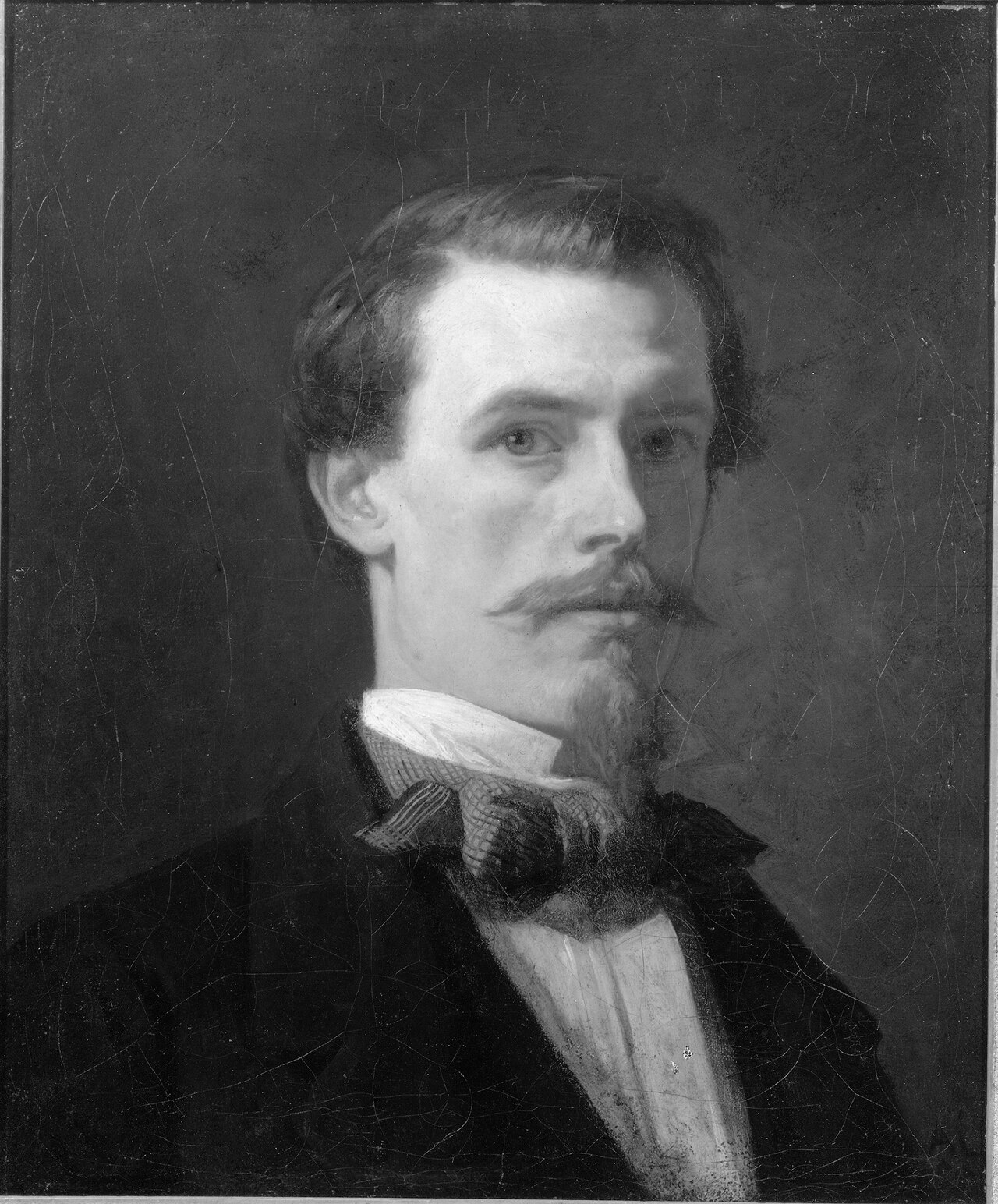
- Självporträtt (1855) – A self‑portrait rendered in a sober palette, the canvas reveals Jernberg’s confidence as a draftsman. The work’s restrained background and direct gaze reflect the artist’s introspective approach, while the subtle modelling of his features demonstrates his mastery of chiaroscuro.
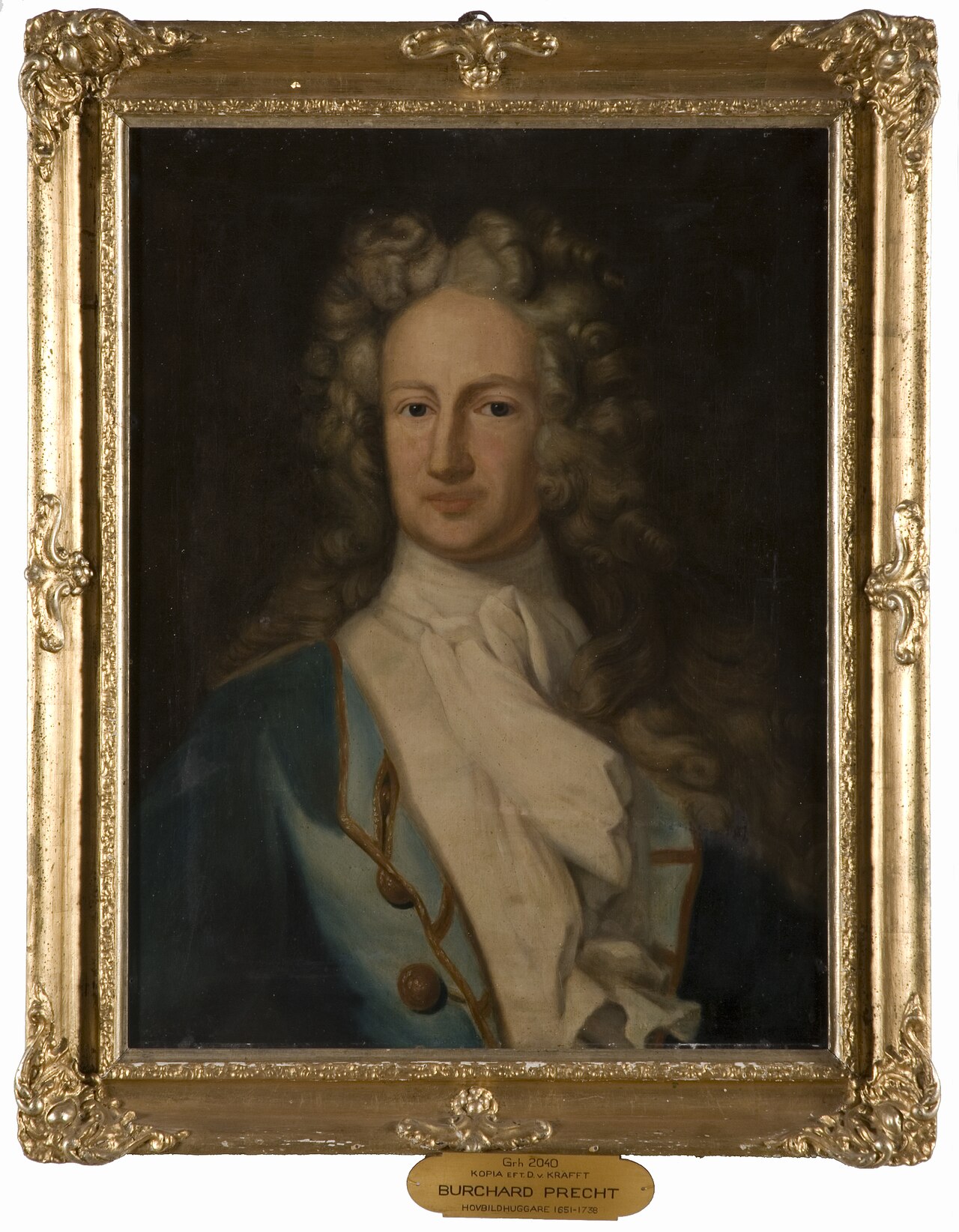
- Burchard Precht (1651‑1738), court sculptor, married to 1. Brita Standoph, 2. Susanna Nilsdotter Kröger – Though primarily a painter, Jernberg undertook a series of portrait studies of notable historical figures. This particular canvas, likely commissioned for a Swedish cultural institution, portrays the renowned Baroque sculptor Burchard Precht. Jernberg captures the sculptor’s dignified bearing, while the inclusion of genealogical detail underscores his interest in linking visual art with historical narrative.
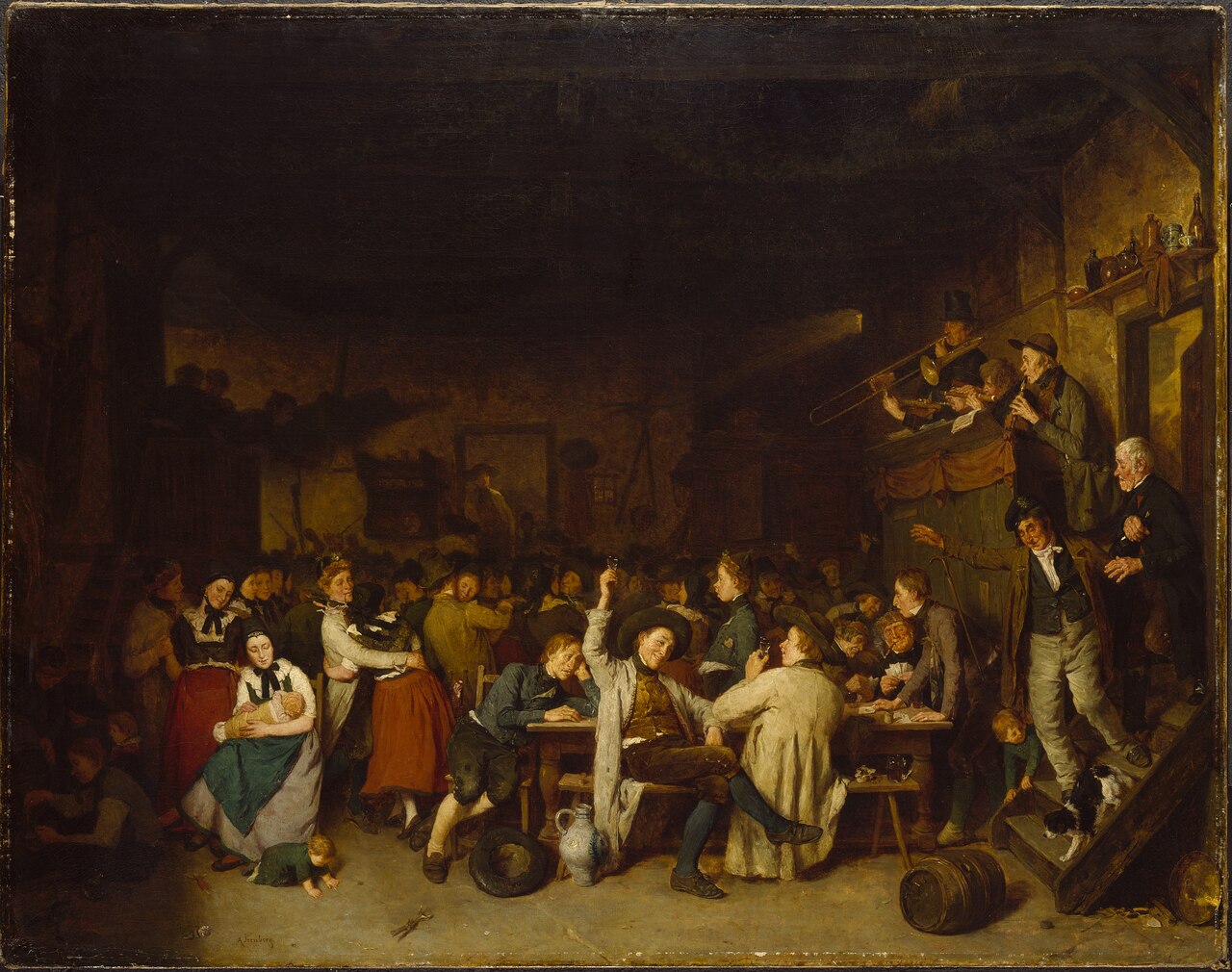
- Westphalian Peasants’ Revels – A lively depiction of a rural festivity in the Westphalia region, this work illustrates Jernberg’s capacity to render collective activity. The composition balances individual gestures with a broader sense of community, and the painting’s colour scheme—earthy browns punctuated by bright festival garb—conveys both realism and a celebratory mood.
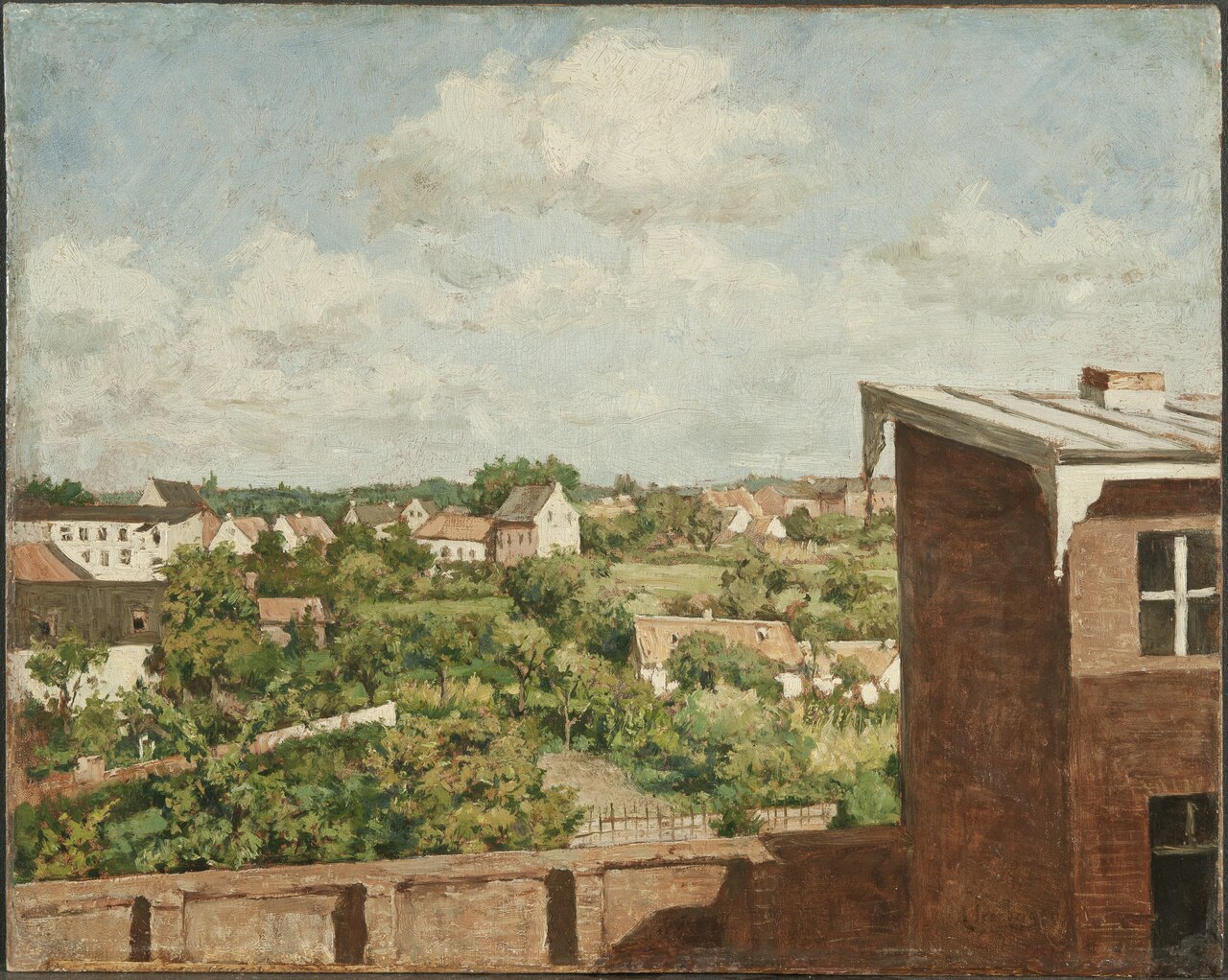
- View from Düsseldorf (1865) – This landscape offers a panoramic vista of the city’s skyline as seen from a hilltop. The painting is notable for its atmospheric perspective; distant structures fade into a hazy blue, while the foreground is rendered with crisp architectural detail. It epitomises the Düsseldorf school’s commitment to precise topography combined with an evocative sense of place.
These works collectively demonstrate Jernberg’s versatility, ranging from intimate portraiture to expansive cityscapes, all bound by a consistent technical rigor.
Influence and legacy August Jernberg’s contribution to nineteenth‑century art lies in his embodiment of the Düsseldorf school’s principles while subtly expanding its thematic range. By integrating Swedish sensibilities—particularly an emphasis on modest, domestic subjects—into the Germanic framework, he helped to bridge northern European artistic traditions.
During his lifetime Jernberg enjoyed respectable patronage, especially from German collectors who valued his accurate depictions of everyday life. After his death in Düsseldorf in 1896, his works continued to circulate in both Sweden and Germany, appearing in regional exhibitions and private collections. Though he never achieved the fame of some contemporaries such as Wilhelm von Schadow or Andreas Achenbach, his paintings remain valuable reference points for scholars studying the cross‑cultural exchange between Scandinavia and the German art academies of the period.
In recent decades, art historians have revisited Jernberg’s oeuvre to reassess the role of Swedish artists within the broader European context. His meticulous technique, narrative subtlety and ability to capture the nuanced interplay of light and material have earned him a modest but growing recognition in academic publications and museum catalogues.
Today, Jernberg’s paintings are held in several European institutions, including the Kunstmuseum Düsseldorf and the Nationalmuseum in Stockholm. They are frequently cited as exemplars of the Düsseldorf school’s later phase, where the strict academic approach began to accommodate a softer, more personal visual language. For students of 19th‑century European painting, Jernberg offers a case study in how national identity and transnational artistic training can intersect to produce works of enduring visual and historical interest.
---
Frequently asked questions
Who was August Jernberg?
August Jernberg (1826–1896) was a Swedish painter who spent most of his career in Düsseldorf, becoming a notable member of the Düsseldorf school of painting.
What artistic movement is he associated with?
He is associated with the Düsseldorf school of painting, a 19th‑century movement known for its detailed realism, narrative genre scenes and disciplined technique.
What are his most famous works?
Key works include *The New Pipe* (1850), *Självporträtt* (1855), a portrait of the sculptor Burchard Precht, *Westphalian Peasants’ Revels*, and the landscape *View from Düsseldorf* (1865).
Why is August Jernberg important in art history?
He exemplifies the cross‑cultural exchange between Sweden and the German art academies, blending Swedish domestic subjects with the technical rigor of the Düsseldorf school and influencing later Scandinavian artists.
How can I recognise an August Jernberg painting?
Look for finely rendered details, subtle chiaroscuro, balanced composition, and a calm, narrative atmosphere—often domestic interiors, portraiture or modest genre scenes executed with meticulous brushwork.