Amalia Lindegren
1814 – 1891
In short
Amalia Lindegren (1814–1891) was a Swedish painter renowned for portraiture and genre scenes; she became a member of the Royal Swedish Academy of Arts in 1856 and worked primarily in Stockholm.
Notable works


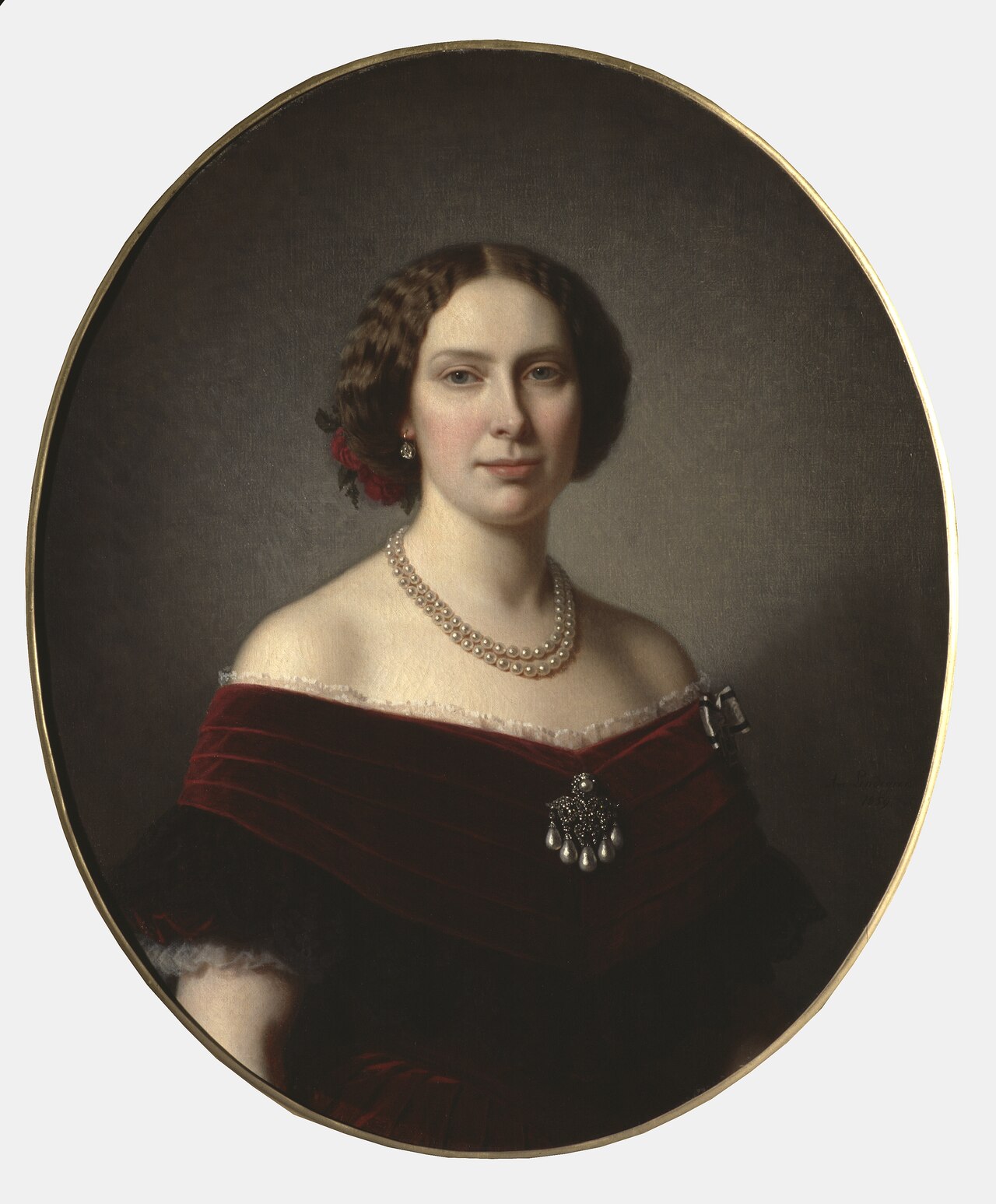
,_princess_of_the_Netherlands,_queen_of_Sweden_and_Norway,_married_to_Karl_XV,_king_of_Sweden_and_Norway_-_NMGrh_1775_-_Nationalmuseum.jpg)
Early life Amalia Euphrosyne Lindegren was born in Stockholm in 1814. Details of her family background are scarce, but like many Swedish women of her generation she received her first artistic instruction at a young age, often through private drawing lessons. By her late teens she had entered the women’s section of the Royal Swedish Academy of Arts, where she studied drawing, anatomy and the fundamentals of painting under the guidance of the Academy’s faculty. The Academy provided a rare formal venue for women to develop professional skills, and Lindegren’s admission marked the beginning of a career that would span more than four decades.
Career and style Lindegren began exhibiting publicly in the 1840s, first at the Academy’s annual exhibitions and later in the broader Swedish art market. Her work reflects the prevailing academic style of mid‑19th‑century Sweden, characterised by a careful rendering of form, a restrained colour palette and an emphasis on narrative clarity. While she did not align herself with a specific avant‑garde movement, her paintings combine the academic rigour of the Academy with a sympathetic observation of everyday life and a keen interest in the personalities of her portrait subjects.
The bulk of Lindegren’s output consists of portraiture for the Swedish aristocracy and royalty, a genre that demanded precision in likeness as well as an ability to convey status through costume and setting. In addition to formal portraits, she produced genre scenes that depict rural customs and domestic interiors, showing a softer, more intimate side of Swedish culture. Her works were well received by contemporary critics, who praised her compositional balance and the dignified treatment of her subjects.
Signature techniques Lindegren’s paintings are distinguished by several recurring technical traits:
* Draftsmanship – trained in the Academy’s drawing school, she employed a clear, linear approach to outline figures and architectural elements, ensuring structural solidity. * Modest palette – her colour choices tend toward muted earth tones, with occasional accents of richer hues to highlight fabrics or focal points. * Light handling – she often used soft, diffused lighting to model faces and interiors, creating a calm atmosphere that enhances the narrative. * Costume detail – in her portraits, the rendering of textiles, jewellery and insignia is meticulous, providing clues to the sitter’s rank and the period’s fashion. * Narrative framing – even in portraiture, Lindegren placed her sitters within settings that suggest a story, such as a study, a garden or a domestic room, thereby linking personal identity with broader cultural context.
Major works The following works illustrate the range of Lindegren’s practice and are among the pieces most frequently cited by scholars:
1. Sunday Evening in a Farmhouse in Dalarna (1860) – This genre painting captures a quiet domestic scene in the Dalarna region, known for its folk traditions. The composition shows a family gathered around a hearth, bathed in the warm glow of evening light. Lindegren’s attention to interior detail and the subtle interplay of light and shadow exemplify her skill in rendering everyday moments with dignity.
2. Portrait of Lovisa Josefina Eugenia (1873) – This portrait depicts the Swedish princess who later became Queen of Denmark. Lindegren presents the sitter in an elegant, regal pose, emphasising her royal status through sumptuous attire and a subdued background that draws focus to the face. The work demonstrates Lindegren’s ability to convey both the personal character of the sitter and her public role.
3. Portrait of Lovisa (1859) – In this earlier portrait of the same royal figure (then Princess Lovisa of Sweden and Norway), Lindegren captures the young princess in a more youthful, less formal setting. The painting reflects a transitional moment in the sitter’s life, with a softer colour scheme and a slightly more informal pose.
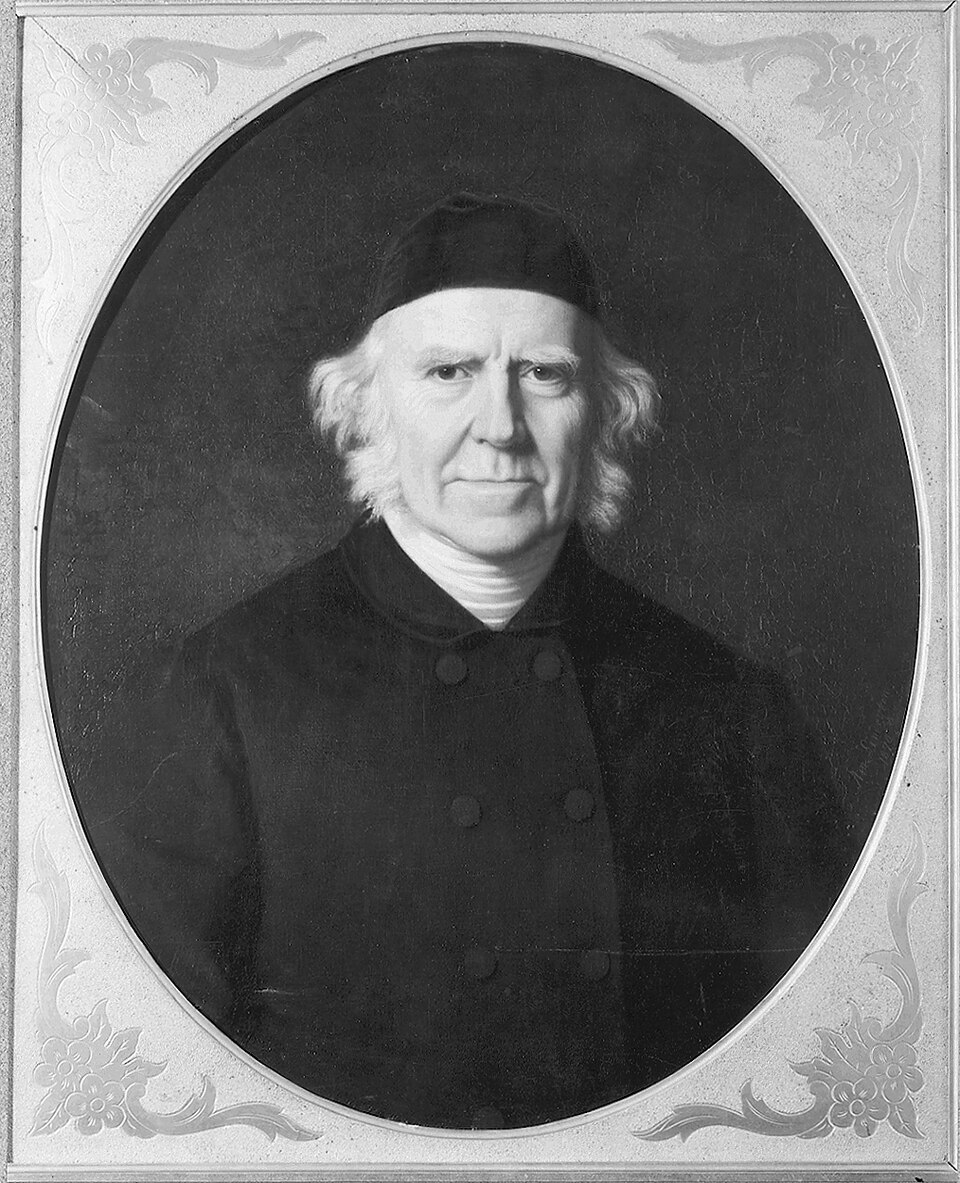
4. Portrait of Anders Fryxell (1870) – Anders Fryxell was a prominent Swedish historian. Lindegren’s portrait presents him seated at a desk, surrounded by books and manuscripts, underscoring his scholarly pursuits. The crisp rendering of the subject’s features and the inclusion of intellectual props align with the academic portrait tradition.
These works, held in Swedish museum collections, continue to be displayed as representative examples of 19th‑century Swedish portraiture and genre painting.
Influence and legacy Amalia Lindegren’s election to the Royal Swedish Academy of Arts in 1856 marked a significant milestone for women artists in Sweden, as she was among the first women to gain full academic recognition. Her successful career demonstrated that women could achieve professional stature within a male‑dominated field, paving the way for later generations of Swedish women painters such as Eva Bonnier and Hanna Hirsch.
While her name is not as widely known internationally as some of her male contemporaries, Lindegren’s work remains an important reference point for scholars studying gender, portraiture and the visual culture of 19th‑century Scandinavia. Her paintings are part of the permanent collections of the Nationalmuseum in Stockholm and other regional museums, where they are used to illustrate the academic style and social hierarchies of the period. Contemporary exhibitions on Swedish women artists often include Lindegren as a pioneering figure, underscoring her lasting contribution to the nation’s artistic heritage.
Frequently asked questions
Who was Amalia Lindegren?
Amalia Lindegren (1814–1891) was a Swedish painter best known for her portraits of royalty and genre scenes, and she became a member of the Royal Swedish Academy of Arts in 1856.
What artistic style or movement is she associated with?
Lindegren worked within the academic tradition of mid‑19th‑century Sweden, combining careful draftsmanship, a restrained palette and narrative composition rather than aligning with a specific avant‑garde movement.
What are her most famous works?
Her most frequently cited works include *Sunday Evening in a Farmhouse in Dalarna* (1860), portraits of Princess (later Queen) Lovisa Josefina Eugenia (1859 and 1873) and the historian Anders Fryxell (1870).
Why is she important in art history?
She was one of the first women admitted as a full member of the Royal Swedish Academy of Arts, serving as a role model for later Swedish women artists and contributing valuable examples of academic portraiture and genre painting.
How can I recognise an Amalia Lindegren painting?
Look for precise line work, a modest colour scheme, careful rendering of costume details, and a calm, softly lit atmosphere that often places the sitter within a narrative setting.