Anna Maria Ehrenstrahl
1666 – 1729
In short
Anna Maria Ehrenstrahl (1666–1729) was a Swedish Baroque painter known for allegorical compositions, portraits and group portraits of royal figures, including Gustav, Ulrik, Charles XII and Hedvig Sophia of Sweden.
Notable works
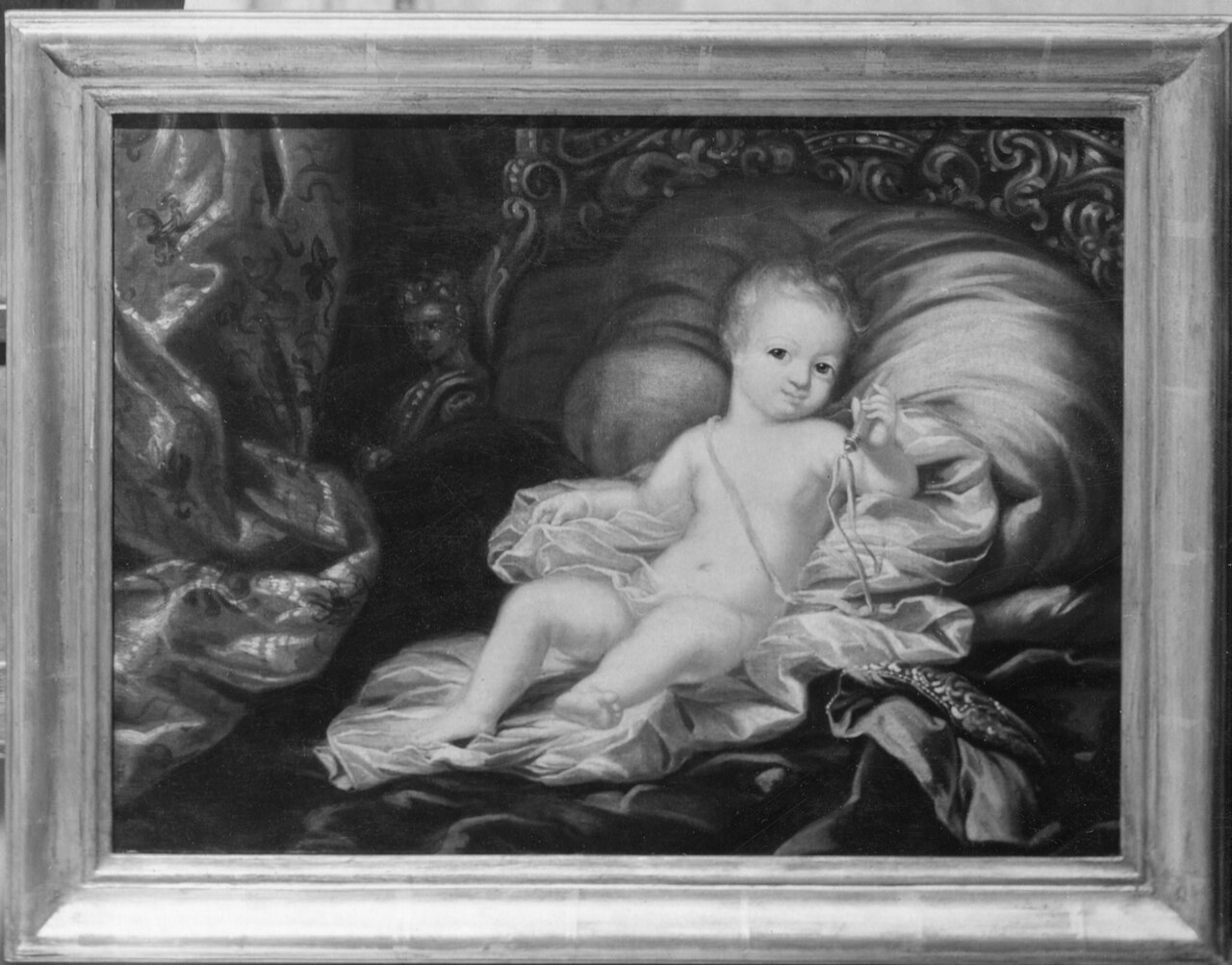
,_prins_van_Zweden_-_NMDrh_523_-_Nationalmuseum.jpg)
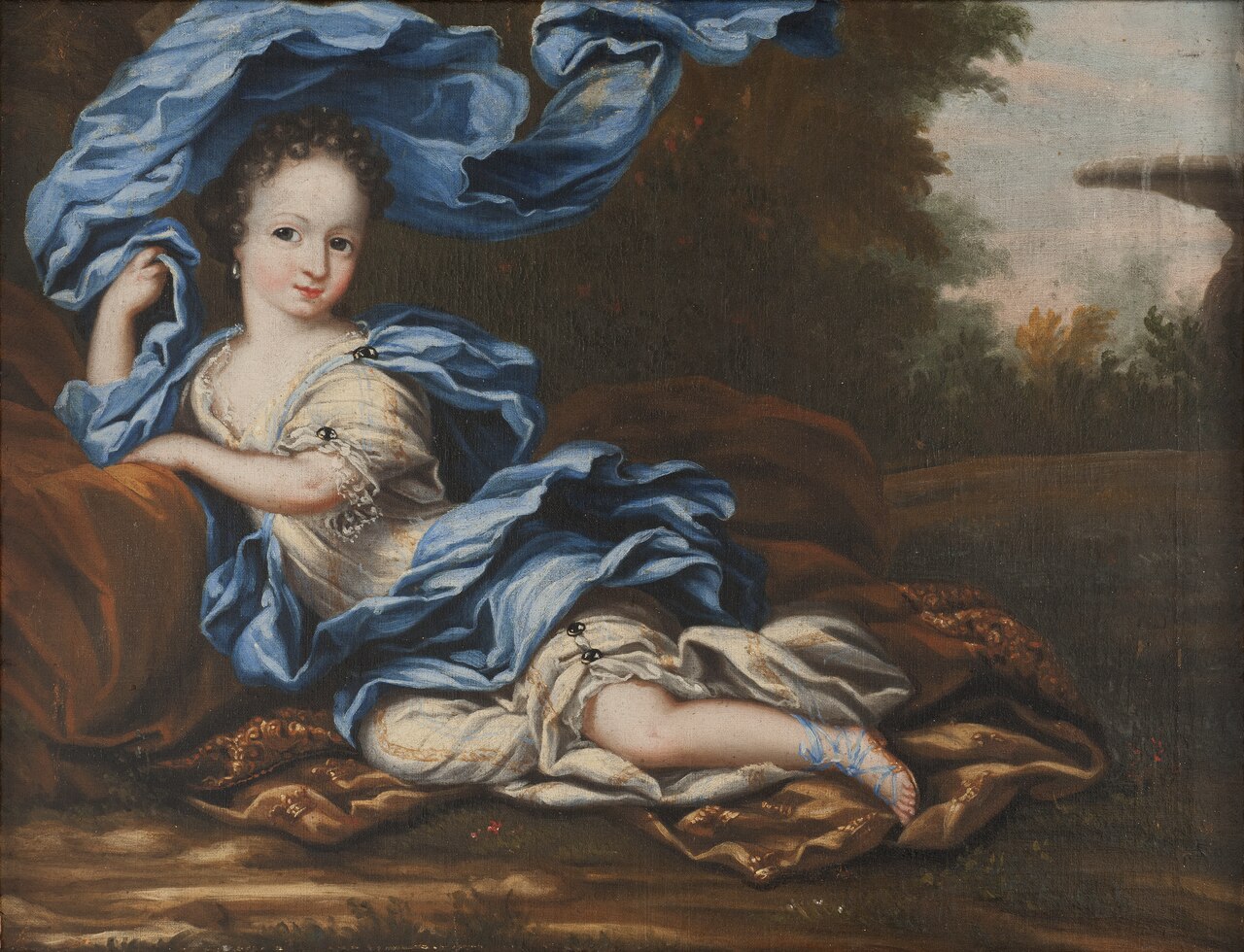
_-_NMDrh_522_-_Nationalmuseum.jpg)
Early life Anna Maria Ehrenstrahl was born in Stockholm in 1666 into a family already engaged with the arts. Her father, the prominent painter David Ehrenstrahl, provided her first instruction, an unusual opportunity for a woman in 17th‑century Sweden. Growing up in the capital’s artistic circles, she was exposed to the courtly tastes that favoured the Baroque aesthetic, characterised by dramatic lighting, rich colour and an emphasis on narrative. The young Anna Maria absorbed these influences while also receiving a formal education that included languages and classical literature, a foundation that would later inform her allegorical subjects.
Career and style Ehrenstrahl began her professional career in the 1680s, a period when Sweden was asserting its power on the European stage. She quickly established herself as a portraitist for the royal family, a niche that offered both prestige and financial stability. Her style adhered to the Baroque idiom, yet she displayed a distinctive restraint: while her contemporaries often employed overt theatricality, Ehrenstrahl preferred a measured composition that highlighted the sitter’s dignity and status. This approach aligned with the Swedish court’s preference for sober elegance over the flamboyance seen in other European courts.
Her oeuvre also encompassed allegorical works, which blended classical mythology with contemporary political themes. These paintings often featured personifications of virtues such as Justice, Prudence and Fortitude, placed within lush, architecturally complex settings. By integrating symbolic elements with realistic portraiture, Ehrenstrahl created a hybrid language that resonated with both aristocratic patrons and the emerging intellectual class.
Signature techniques Ehrenstrahl’s technique was marked by a careful modulation of light and shadow, a hallmark of Baroque painting that she employed to model forms with subtle three‑dimensionality. She favoured a limited palette of deep reds, muted golds and cool blues, allowing the flesh tones of her subjects to emerge with a naturalistic glow. Her brushwork was smooth and controlled, particularly in rendering fabrics and jewellery, which conveyed a sense of material richness without sacrificing realism.
In allegorical compositions, she utilized compositional devices such as pyramidal groupings and diagonal lines to guide the viewer’s eye toward central figures. The inclusion of classical architectural elements—columns, arches and pediments—served both decorative and symbolic purposes, reinforcing the intellectual content of the work. Her attention to detail extended to the rendering of textures, from the sheen of silk to the intricate patterns of armor, underscoring her meticulous craftsmanship.
Major works Among Ehrenstrahl’s most celebrated portraits are those of Swedish princes and princesses, which remain key visual records of the late‑17th‑century court.
- Gustav, Prince of Sweden (1683‑1685) – This portrait captures the young prince with a composed demeanor, his gaze directed slightly off‑canvas. The background features a subdued drapery, allowing the focus to remain on Gustav’s regal bearing and the delicate rendering of his attire.
- Ulrik, Prince of Sweden and Pfalz‑Zweibrücken (1684‑1685) – In this work, Ehrenstrahl portrays Ulrik in a more dynamic pose, his hand resting on a sword hilt that hints at his future role as a military leader. The subtle chiaroscuro accentuates the contours of his face, while the inclusion of a heraldic emblem alludes to his dual titles.
- Charles XII of Sweden (1684) – Although Charles XII would not ascend the throne until 1697, this early portrait presents him as a princely figure, clothed in fine fabrics and accompanied by a miniature portrait of his mother. The composition reflects both filial piety and the promise of future authority.
- Hedvig Sophia of Sweden (1684) – This portrait of the Swedish princess, later Duchess Consort of Holstein‑Gottorp, showcases Ehrenstrahl’s skill in depicting feminine elegance. Hedvig Sophia is rendered with a soft expression, her hands delicately folded, and a faint halo of light that suggests her noble lineage.
These works collectively illustrate Ehrenstrahl’s ability to blend personal likeness with the symbolic requirements of royal portraiture. While the exact dates of some commissions remain uncertain, the consistency of style across these pieces confirms her authorship and her central role within the Swedish court’s visual culture.
Influence and legacy Anna Maria Ehrenstrahl occupies a singular position in Swedish art history as one of the few documented female painters of the Baroque era. Her success challenged prevailing gender norms, demonstrating that women could attain professional recognition in a male‑dominated field. Although she did not found a distinct movement, her integration of allegorical content with court portraiture influenced subsequent generations of Swedish artists, who adopted similar compositional strategies when depicting nobility.
Her works continued to be reproduced in engravings and prints, extending her visual language beyond the confines of the royal chambers. Modern scholars regard her paintings as valuable primary sources for understanding the iconography of Swedish royalty and the broader cultural currents of late‑Seventeenth‑Century Europe. Exhibitions of her surviving pieces, alongside those of her father, have highlighted the familial transmission of artistic skill and the role of women in sustaining Sweden’s artistic heritage.
Ehrenstrahl’s legacy endures in academic discourse and museum collections, where her portraits are appreciated for both their aesthetic qualities and their documentary significance. As a pioneering female artist, she serves as an exemplar for contemporary discussions of gender equity in the arts, inspiring renewed interest in the contributions of women to early modern European painting.
Frequently asked questions
Who was Anna Maria Ehrenstrahl?
Anna Maria Ehrenstrahl (1666–1729) was a Swedish Baroque painter noted for her portraits of royal family members and allegorical works.
What style or movement did she belong to?
She worked within the Baroque style, characterised by dramatic lighting and rich composition, though no specific movement is recorded for her.
What are her most famous works?
Her best‑known paintings include portraits of Prince Gustav (1683‑1685), Prince Ulrik (1684‑1685), Charles XII (1684) and Princess Hedvig Sophia (1684).
Why is she important in art history?
Ehrenstrahl is significant as one of Sweden’s earliest documented female painters, bridging court portraiture and allegorical painting while influencing later Swedish artists.
How can I recognise an Anna Maria Ehrenstrahl painting?
Look for a restrained Baroque approach: smooth brushwork, subtle chiaroscuro, dignified poses, and careful attention to fabrics and heraldic details.