David Klöcker Ehrenstrahl
1628 – 1698
In short
David Klöcker Ehrenstrahl (1628–1698) was a Swedish nobleman and portrait painter of German birth. He became the leading court artist in 17th‑century Sweden, producing a series of high‑profile portraits that set the standard for Swedish Baroque portraiture.
Notable works


.jpg)
Early life David Klöcker Ehrenstrahl was born in 1628 in Hamburg, a major trading city of the Holy Roman Empire. Little is recorded about his family background, but he was raised in a milieu that valued artistic training. In his youth he likely received instruction in the German tradition of portrait painting, which at the time was strongly influenced by the Netherlandish and Flemish schools. By his early twenties, Ehrenstrahl had travelled to the Netherlands, a common pilgrimage for aspiring artists seeking exposure to the works of Rembrandt, Van Dyck and their contemporaries. This formative period equipped him with a solid technical foundation and an awareness of the emerging Baroque aesthetic.
In the mid‑1650s, Ehrenstrahl moved to Sweden, a nation then consolidating its cultural identity under the rule of Queen Christina and later King Charles X Gustav. His German origins and fluency in courtly etiquette helped him secure patronage among the Swedish aristocracy, and he soon became known for his ability to render both likeness and status with equal finesse.
Career and style Ehrenstrahl’s career flourished after he was appointed court painter to the Swedish royal family. In 1664 he was ennobled, taking the name "Klöcker" as part of his noble title, and his official status cemented his position as the premier portraitist of the era. His style reflects the Baroque emphasis on drama, rich colour, and a sense of movement, while also incorporating a restrained Northern European sensibility. He blended the chiaroscuro techniques learned in the Netherlands with a meticulous attention to costume and insignia that conveyed the rank of his subjects.
Unlike some of his contemporaries who favoured overt theatricality, Ehrenstrahl’s portraits maintain a dignified composure. The compositions are often anchored by a dark, neutral background that allows the sitter’s attire and facial expression to dominate the visual field. He frequently employed allegorical props—such as crowns, scepters, or mythological symbols—to underscore the virtues or achievements of the individuals portrayed.
His work also displays a careful handling of texture: the sheen of silk, the glitter of jewellery, and the softness of flesh are rendered with a painterly precision that was admired by peers and successors alike. Throughout his career he remained the go‑to artist for official royal commissions, diplomatic gifts, and aristocratic family albums.
Signature techniques Ehrenstrahl’s paintings are distinguished by several recurring technical choices. First, he employed a layered underpainting, often using a warm earth tone to establish flesh planes before applying cooler glazes that create depth and luminosity. Second, his use of chiaroscuro is subtle; rather than stark contrasts, he favoured gradual tonal shifts that model the face and drapery with a three‑dimensional quality.
Third, he integrated allegorical elements directly into the portrait’s setting. For example, a bust of a classical deity might appear on a shelf behind the sitter, or a symbolic animal could be included to hint at personal virtues. Fourth, his brushwork varies according to surface: fine, almost invisible strokes for skin, and broader, more expressive strokes for fabrics and background foliage. Finally, his colour palette leans toward deep reds, golds and earth tones, punctuated by the occasional vivid blue or green to draw the eye to focal points such as jewellery or a painted emblem.
These techniques together produce a sense of both realism and idealisation that was highly prized in courtly portraiture.
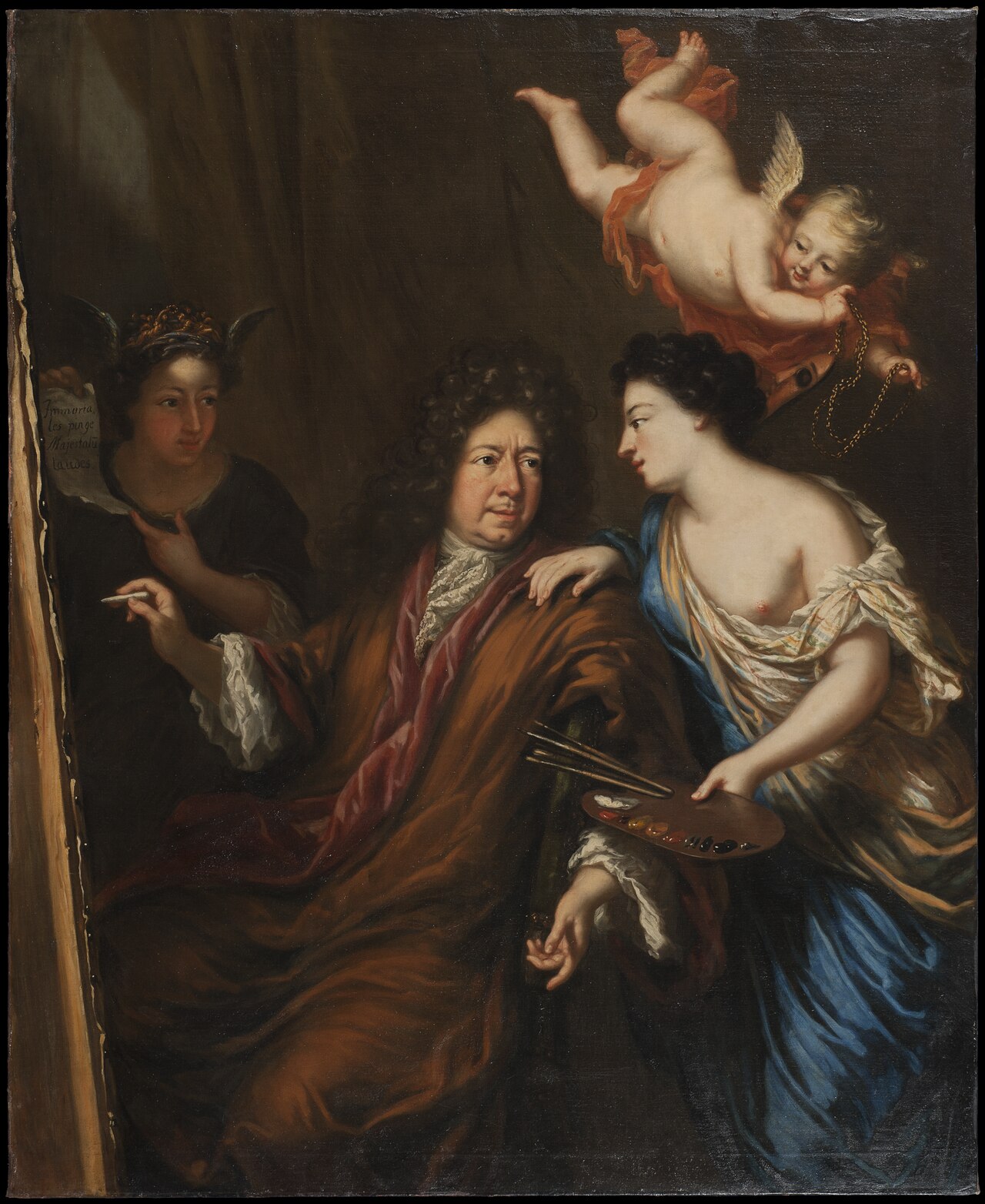
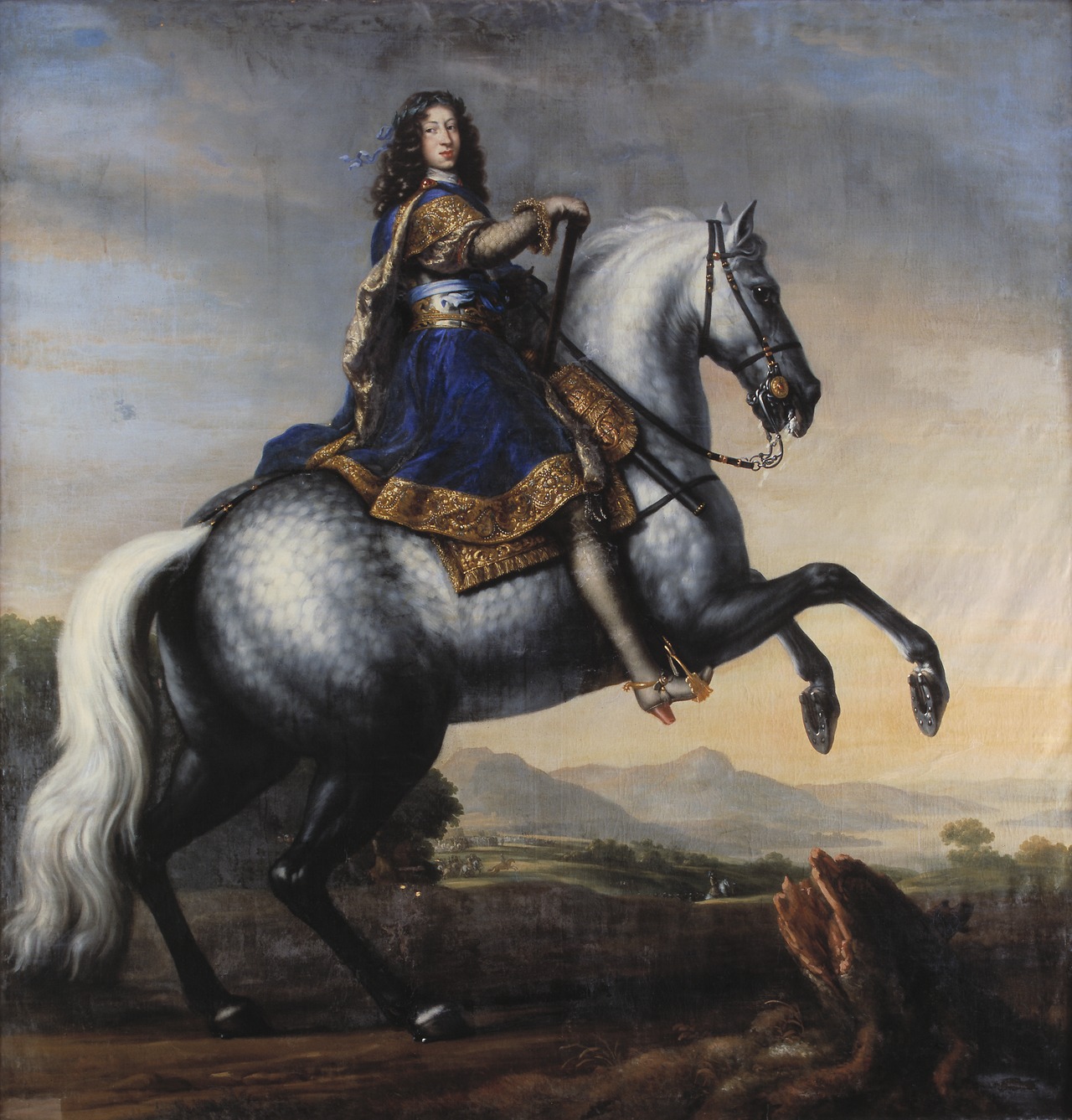
Major works - **Queen’s Grand Audience Hall** – This monumental work, created for the royal palace, depicts the interior of the Queen’s audience hall with an elaborate arrangement of figures and decorative architecture. Though not a portrait in the strict sense, it showcases Ehrenstrahl’s ability to render large, complex spaces and to integrate portraiture within a broader narrative context. - **Self‑portrait with Allegories (1691)** – In this late self‑portrait, Ehrenstrahl presents himself surrounded by symbolic objects that reference his artistic achievements and noble status. The painting demonstrates his mastery of self‑representation, using allegorical motifs such as a palette, a lyre and a laurel wreath to convey both personal pride and professional virtue. - **Duchess Magdalena Sibylla of Württemberg in a Gala Dress (1674)** – This portrait captures the duchess in sumptuous attire, highlighting the luxurious fabrics and intricate jewellery that signified her high rank. The work is notable for its delicate handling of light on silk and the dignified, yet approachable, expression of the sitter. - **Equestrian portrait of Charles XI of Sweden (1683)** – One of Ehrenstrahl’s most celebrated royal commissions, this painting portrays King Charles XI mounted on a rearing horse, a composition that blends martial vigor with regal poise. The portrait underscores the monarch’s authority and military prowess, while retaining the painter’s characteristic softness in the king’s facial rendering. - **Portrait of Hedvig Eleonora av Holstein‑Gottorp (1668)** – Depicting the queen dowager, this work exemplifies Ehrenstrahl’s skill in conveying age‑graceful dignity. The portrait’s restrained colour scheme and the careful modelling of the queen’s hands and facial features reflect a deep respect for her status and a mature, refined artistic hand.
Each of these works demonstrates Ehrenstrahl’s capacity to balance realism with the symbolic needs of his patrons, cementing his reputation as the foremost portraitist of his generation.
Influence and legacy David Klöcker Ehrenstrahl’s impact on Swedish art extends far beyond his own oeuvre. By establishing a high standard for court portraiture, he set a visual template that would dominate Swedish aristocratic imagery for decades. His techniques were taught to a generation of Swedish painters, many of whom continued his blend of Northern realism with Baroque grandeur.
His role as a noble court painter also helped to professionalise the status of artists in Sweden, contributing to the eventual formation of the Royal Swedish Academy of Arts in the 18th century. Moreover, his portraits serve as valuable historical documents, providing contemporary scholars with visual records of clothing, regalia and the physiognomy of Sweden’s elite during a period of political consolidation.
Ehrenstrahl’s legacy is evident in the works of later Swedish masters such as Carl Gustav Tessin and later, the 19th‑century portraitist Anders Zorn, who, though stylistically distinct, inherited the tradition of meticulous observation and dignified representation that Ehrenstrahl helped to codify. Today, his paintings are housed in major Swedish museums, including the Nationalmuseum in Stockholm, where they continue to attract both scholars and the general public.
In sum, David Klöcker Ehrenstrahl remains a pivotal figure in the development of Swedish visual culture, bridging Germanic artistic training with the emerging Swedish court aesthetic and leaving an enduring imprint on the nation’s artistic heritage.
Frequently asked questions
Who was David Klöcker Ehrenstrahl?
He was a 17th‑century Swedish nobleman and portrait painter, born in Hamburg in 1628 and later ennobled for his work as the leading court artist in Sweden.
What artistic style or movement is he associated with?
Ehrenstrahl worked in the Baroque style, combining Dutch chiaroscuro with a restrained Northern European approach to portraiture.
What are his most famous works?
His best‑known pieces include the Queen’s Grand Audience Hall, Self‑portrait with Allegories (1691), Duchess Magdalena Sibylla of Württemberg in a gala dress (1674), the equestrian portrait of Charles XI (1683), and the portrait of Hedvig Eleonora (1668).
Why is Ehrenstrahl important in art history?
He set the standard for Swedish court portraiture, elevated the professional status of artists in Sweden, and provided a visual record of the nation’s elite during a formative period.
How can I recognise an Ehrenstrahl painting?
Look for refined Baroque portraits with subtle chiaroscuro, meticulous rendering of fabrics and jewellery, allegorical symbols, and a dignified yet approachable expression on the sitter.