Ulrika Pasch
1734 – 1796
In short
Ulrika Pasch (1734–1796) was a Swedish Rococo painter and miniaturist, recognised for her portraiture and membership in the Royal Swedish Academy of Arts, making her one of the leading female artists of 18th‑century Sweden.
Notable works


Early life Ulrika "Ulla" Fredrica Pasch was born in Stockholm in 1734 into a family already embedded in the Swedish artistic community. Her father, Johan Pasch, was an established painter and decorative artist, and he provided Ulrika with her first formal instruction. Growing up in a household where the visual arts were part of daily life, she developed a keen eye for detail and colour from an early age. Stockholm’s cultural scene in the mid‑1700s, centred around the royal court and the newly formed Royal Swedish Academy of Arts, offered a fertile environment for a young artist eager to master the prevailing Rococo style.
Career and style By her early twenties Pasch was working as a professional portraitist, a field traditionally dominated by men. She gained a reputation for her ability to capture the delicate elegance of the Rococo aesthetic—light, airy compositions, pastel palettes, and a focus on the grace of her sitters. Her work was characterised by a refined handling of brushwork that conveyed the softness of flesh and fabric alike. In the 1760s she began to exhibit at the Academy’s public shows, an unusual achievement for a woman at the time, and her talent earned her admission as a full member of the Royal Swedish Academy of Arts. This institutional recognition not only affirmed her technical skill but also positioned her as a role model for other aspiring female artists.
Signature techniques Pasch’s miniatures and larger portraits share a number of distinctive techniques. She often employed a thin, luminous glaze over the base layers of paint, which produced a subtle glow reminiscent of porcelain. Her handling of drapery is particularly noteworthy: she rendered folds with a series of fine, almost calligraphic strokes that suggest both movement and the delicate texture of silk or lace. In miniature work, she favoured a fine sable brush, allowing her to render intricate details such as jewellery, embroidery and the faintest expression on a subject’s face. Light is another hallmark of her style; she placed the source just off‑centre, creating gentle chiaroscuro that highlights the sitter’s cheekbones and the sheen of their attire without sacrificing the overall softness of the composition.
Major works Among Pasch’s surviving oeuvre, several portraits stand out for their historical significance and artistic quality. **Sofia Albertina av Sverige (1750)** depicts the young Princess Sofia Albertina, later queen consort of Denmark, in a Rococo dress of pastel silk. The portrait showcases Pasch’s skill in rendering the fine texture of the fabric and the delicate expression of the princess, emphasizing both royal dignity and youthful charm.
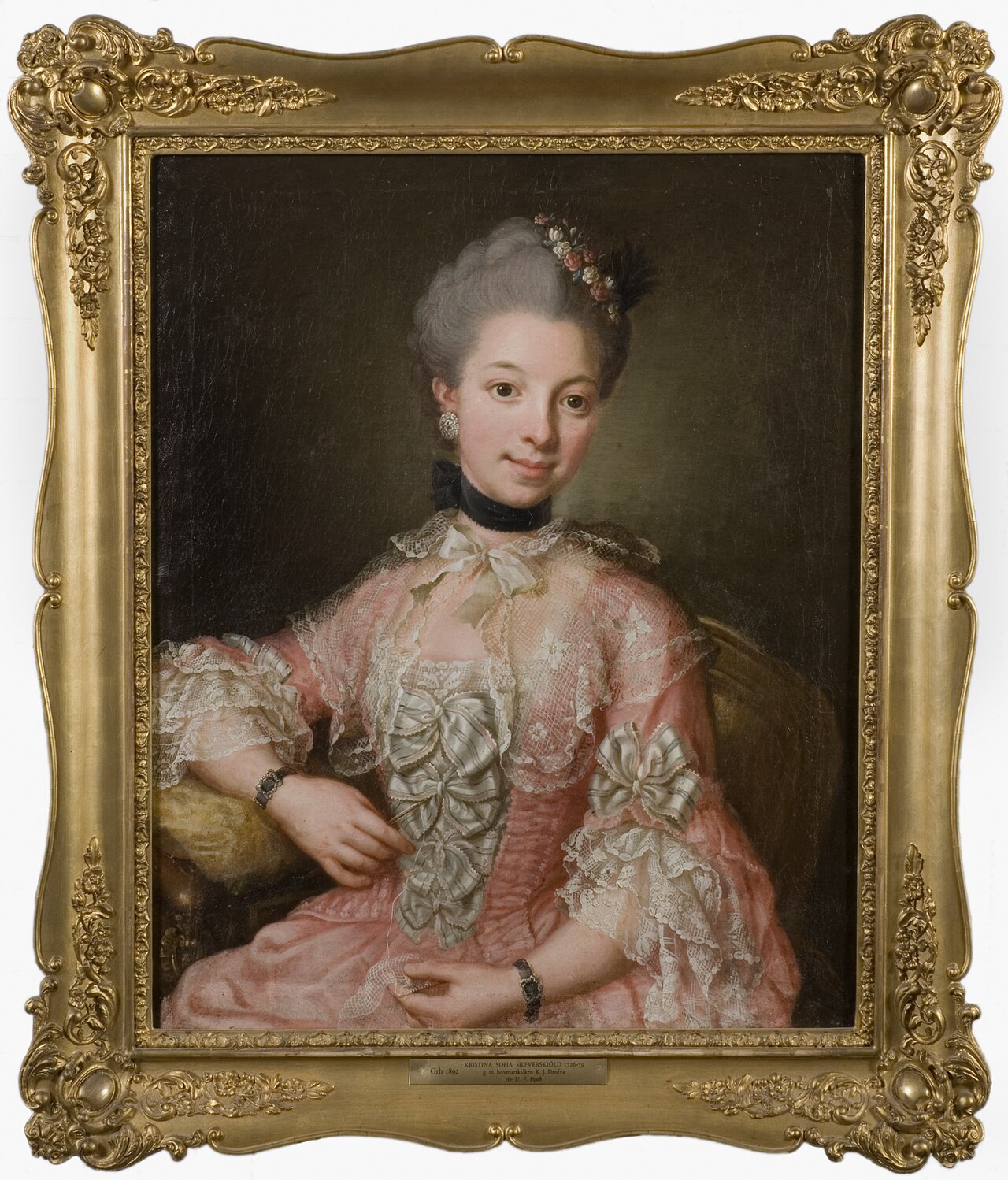
Kristina Sofia Silfversköld (1726‑1779) is a later portrait of the Swedish noblewoman, rendered with a muted colour scheme that highlights the sitter’s solemnity. Pasch’s treatment of the subject’s hands—poised yet natural—demonstrates her ability to convey status through subtle gestures.
The Sigismund (1750) portrait, believed to be of the former king of Poland and Sweden, reflects Pasch’s capacity to adapt her Rococo vocabulary to a more formal, regal presentation. Here, the use of richer, deeper tones and a more restrained composition underscores the monarch’s authority while retaining the soft modelling that defines her style.
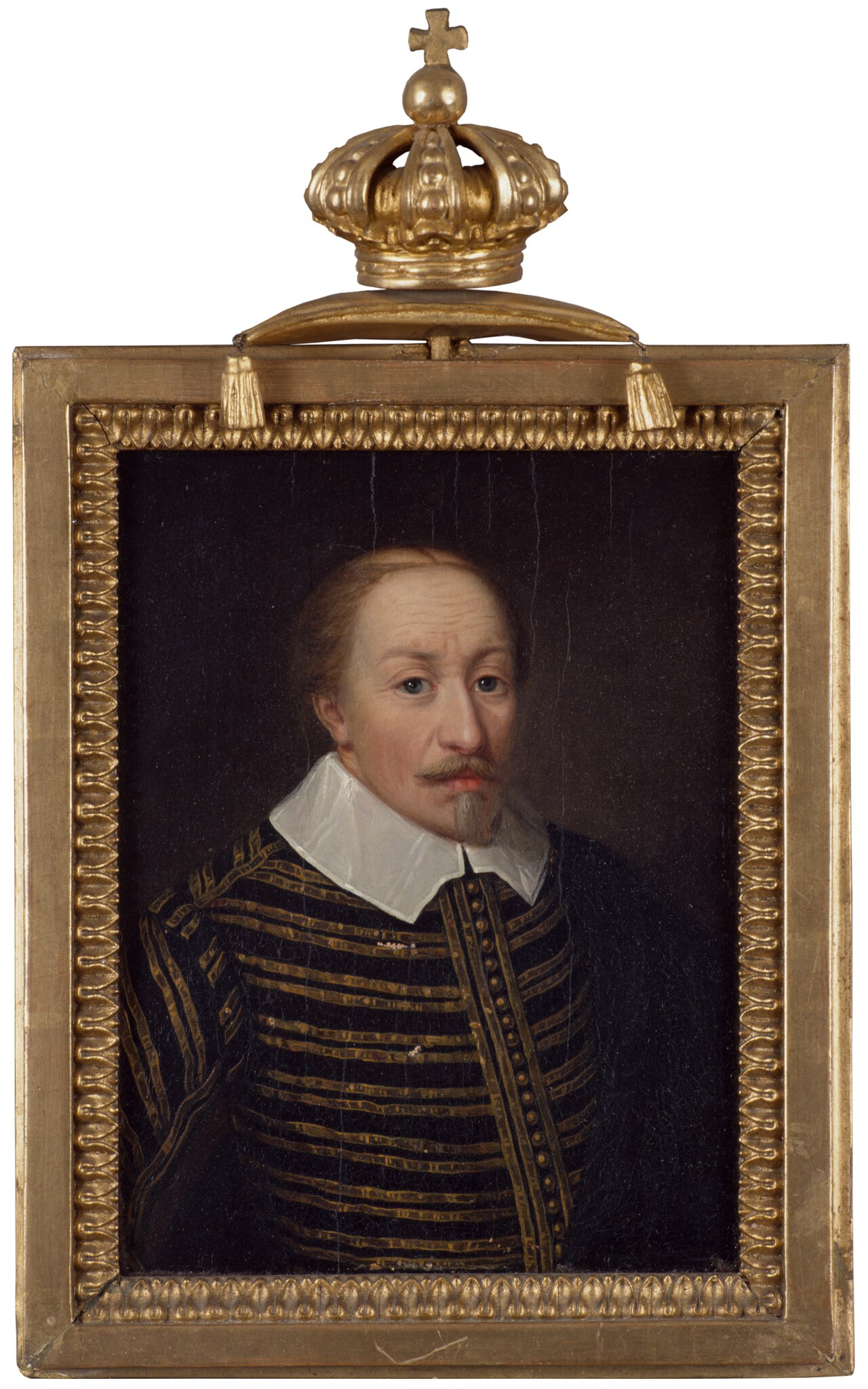
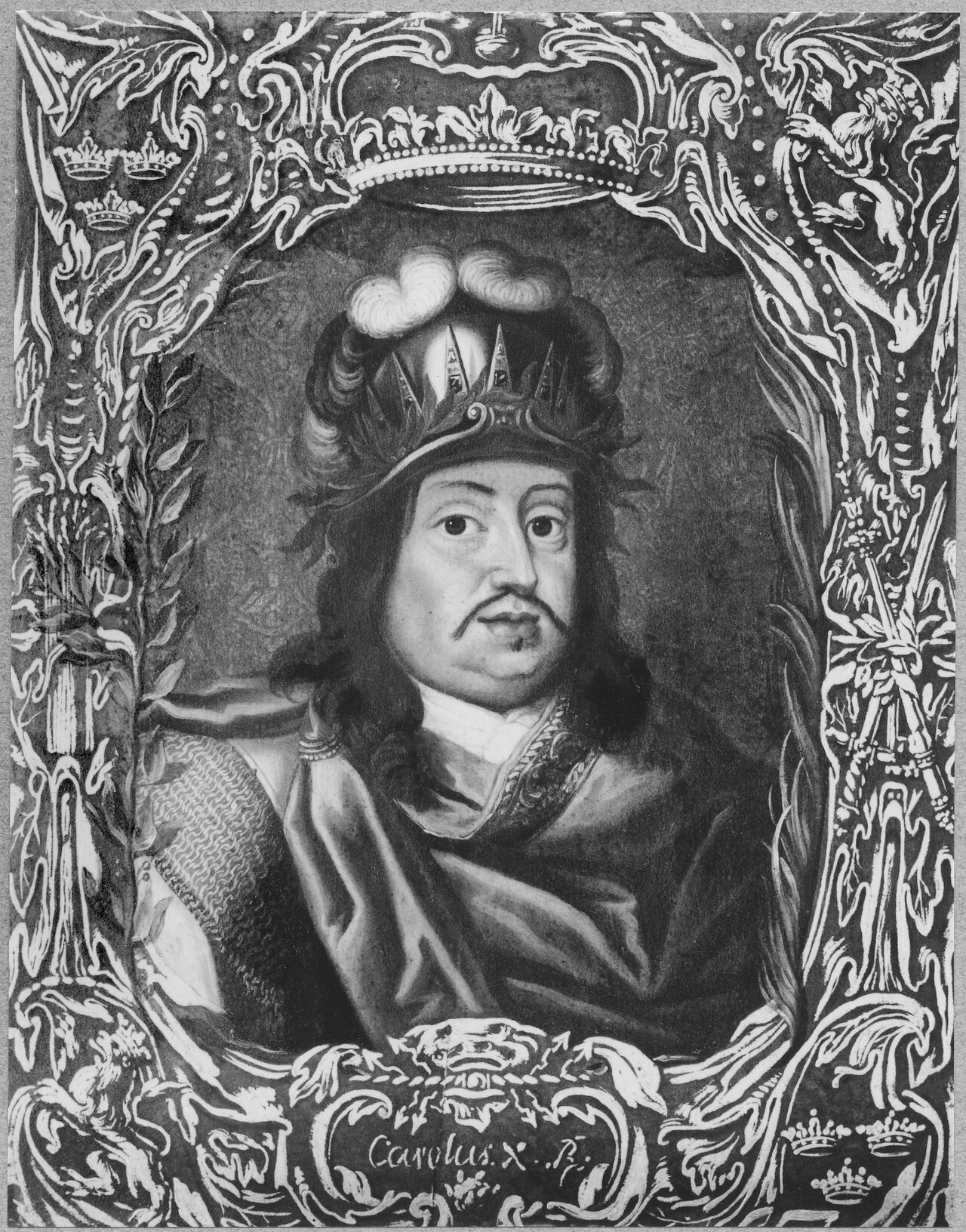
Two historically oriented works—Karl IX (1550‑1611) and Karl X Gustav (1622‑1660)—illustrate Pasch’s interest in Sweden’s royal lineage. Although painted centuries after the subjects lived, these portraits were commissioned to honour the nation’s past rulers. In the Karl IX portrait, Pasch presents the king in a stylised armour, employing a limited palette of steel‑grey and muted reds to evoke the early‑modern period. The Karl X Gustav portrait, meanwhile, captures the 17th‑century monarch in an elaborate court costume, with intricate gold embroidery rendered in meticulous detail, demonstrating Pasch’s mastery of decorative elements.
Collectively, these works reveal Pasch’s versatility: she could navigate the intimate intimacy of miniature portraiture and the grandeur required for royal commissions, always maintaining the Rococo sensibility of elegance and refined colour.
Influence and legacy Ulrika Pasch’s career broke several gender barriers in 18th‑century Sweden. Her acceptance into the Royal Swedish Academy of Arts signalled a shift in the institution’s perception of women’s artistic contributions. By the time of her death in Stockholm in 1796, she had established a workshop that trained a number of younger painters, both male and female, who continued to disseminate her techniques.
Her legacy is evident in the way later Swedish portraitists incorporated her delicate handling of light and texture. Art historians regard her as a pivotal figure in the transition from the exuberant Baroque to the more restrained Rococo that dominated Swedish court art. Moreover, her surviving miniatures are valued not only for their aesthetic qualities but also as documentary records of Swedish aristocratic fashion and portraiture of the period.
In contemporary scholarship, Pasch is frequently cited as an exemplar of women’s contributions to the European art world, challenging the narrative that largely excludes female artists from the Rococo canon. Exhibitions of Swedish art from the 1700s regularly include her works, and her name appears in academic publications dealing with gender, patronage, and the development of portraiture in Scandinavia. Through these ongoing recognitions, Ulrika Pasch remains a touchstone for both scholars and the public seeking to understand the richness of Sweden’s artistic heritage.
Frequently asked questions
Who was Ulrika Pasch?
Ulrika Pasch (1734–1796) was a Swedish Rococo painter and miniaturist, known for her refined portraiture and as a member of the Royal Swedish Academy of Arts.
What artistic style or movement is she associated with?
She worked primarily in the Rococo style, characterised by light pastel colours, elegant compositions and a delicate handling of light and texture.
What are her most famous works?
Her notable works include the portraits *Sofia Albertina av Sverige* (1750), *Kristina Sofia Silfversköld*, *Sigismund* (1750), and royal depictions of *Karl IX* and *Karl X Gustav*.
Why is Ulrika Pasch important in art history?
Pasch broke gender barriers by gaining Academy membership, set a high standard for Swedish portraiture, and influenced subsequent generations of artists through her technique and teaching.
How can I recognise an Ulrika Pasch painting?
Look for the soft, luminous glaze, fine brushwork on drapery, delicate modelling of faces, and a pastel palette that together create the characteristic Rococo elegance of her portraits.