Johan Pasch
1706 – 1769
In short
Johan Pasch (1706–1769) was a Swedish painter, etcher and decorative artist active in Stockholm. He is noted for his genre scenes, landscape compositions and ornamental work, and is often called “the Elder” to separate him from a later relative of the same name.
Notable works

Early life Johan Pasch was born in 1706 in Stockholm, the cultural and political centre of Sweden. Little is recorded about his family, but archival sources indicate that he grew up in a milieu where artistic crafts were valued, a common circumstance for many Swedish painters of the early eighteenth century. As was typical for the period, Pasch likely began his training in a workshop environment, apprenticing under an established master who would have taught him drawing, oil painting and the fundamentals of decorative art. Stockholm’s thriving court and civic commissions provided a fertile ground for a young artist to develop a practical skill set that combined fine‑art painting with the more commercial demands of interior decoration.
Career and style By the 1730s Pasch had established himself as a versatile professional, taking on commissions that ranged from portraiture to large‑scale decorative schemes for palaces and public buildings. His work reflects the transitional aesthetic of mid‑eighteenth‑century Sweden, where the lingering Baroque grandeur began to give way to the lighter, more playful Rococo sensibility imported from France and the German states. Pasch’s paintings often display a keen observation of everyday life, a preference for narrative content, and a subtle use of colour that softens the dramatic contrasts typical of earlier Swedish Baroque. While he is not formally attached to a specific artistic movement, his oeuvre embodies the eclectic blend of domestic genre scenes, idealised landscapes and ornamental motifs that characterised the period’s decorative arts.
Signature techniques Pasch’s technical repertoire combined painting, etching and decorative design. In his oil works he employed a layered approach, building up thin glazes to achieve luminous skin tones and atmospheric depth. His brushwork is generally fine‑finished, especially in the rendering of textiles and foliage, where he used delicate hatching to suggest texture. As an etcher, Pasch produced prints that mirrored his painted compositions, using cross‑hatching to model light and shadow. The decorative elements of his commissions often incorporated gilded motifs, stucco reliefs and painted panels, demonstrating a mastery of integrating painted surfaces with architectural frameworks. A recurring hallmark of his style is the careful placement of narrative details—such as animals or figures engaged in everyday tasks—that invite the viewer’s eye to wander across the composition.
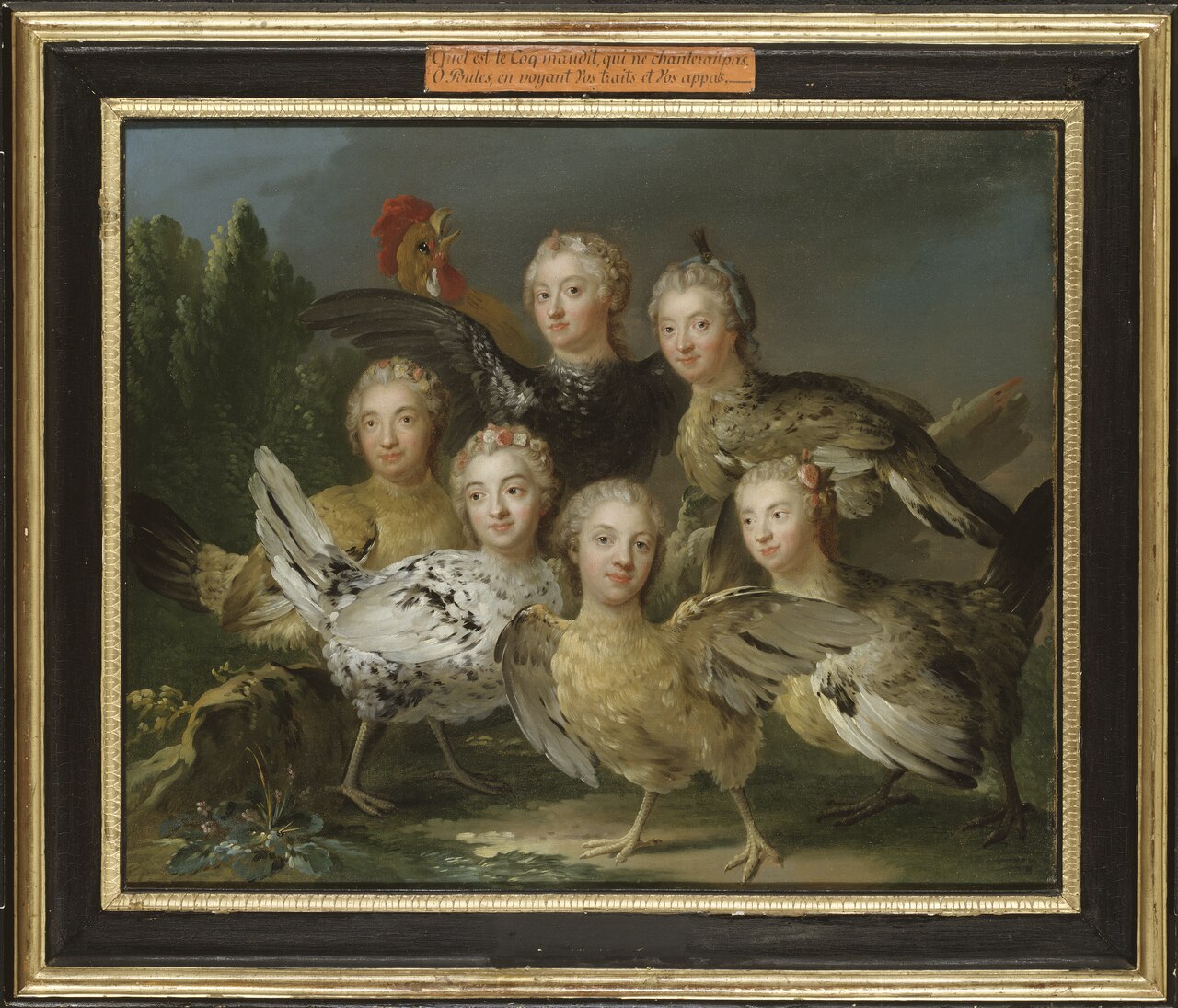
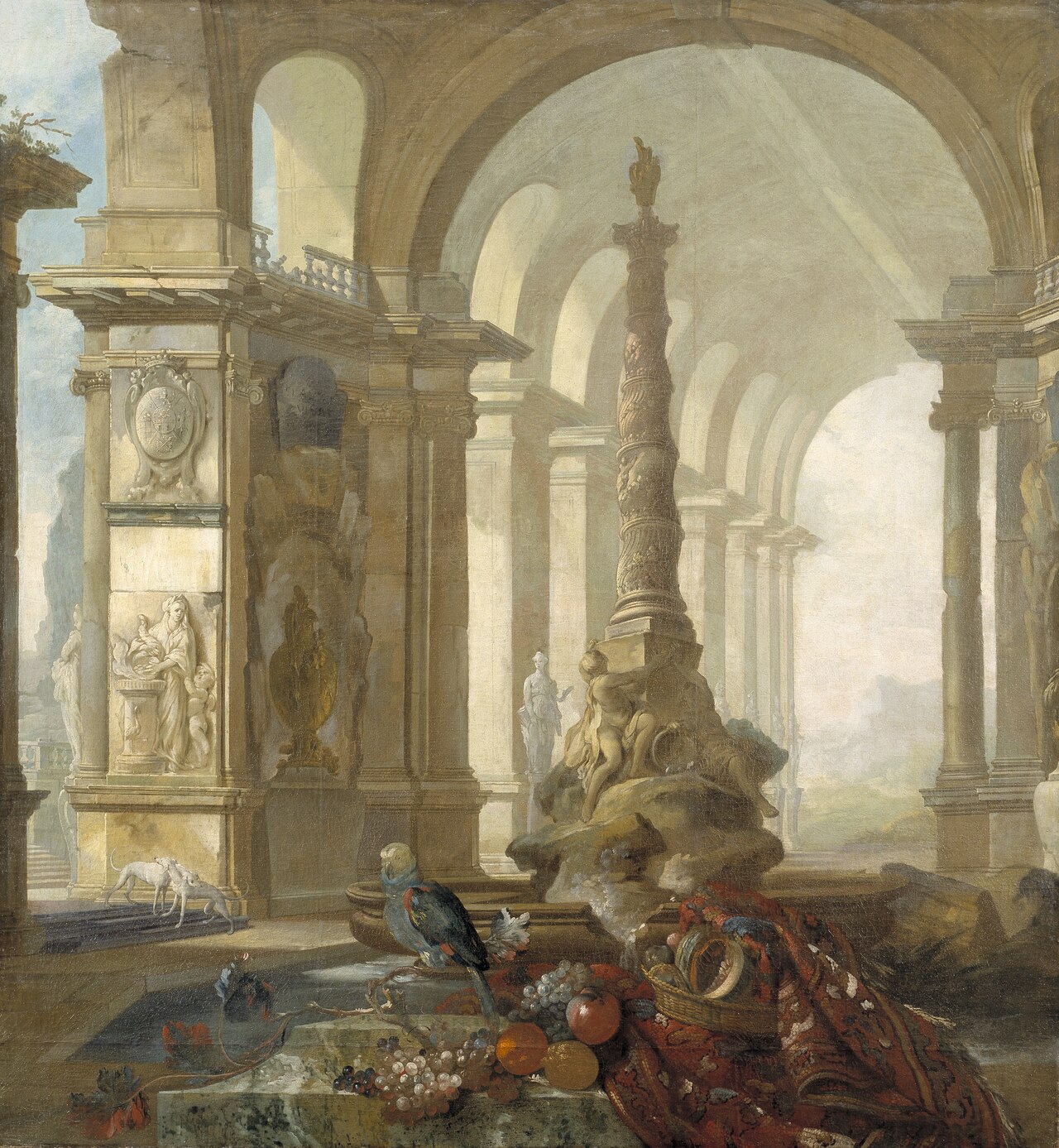
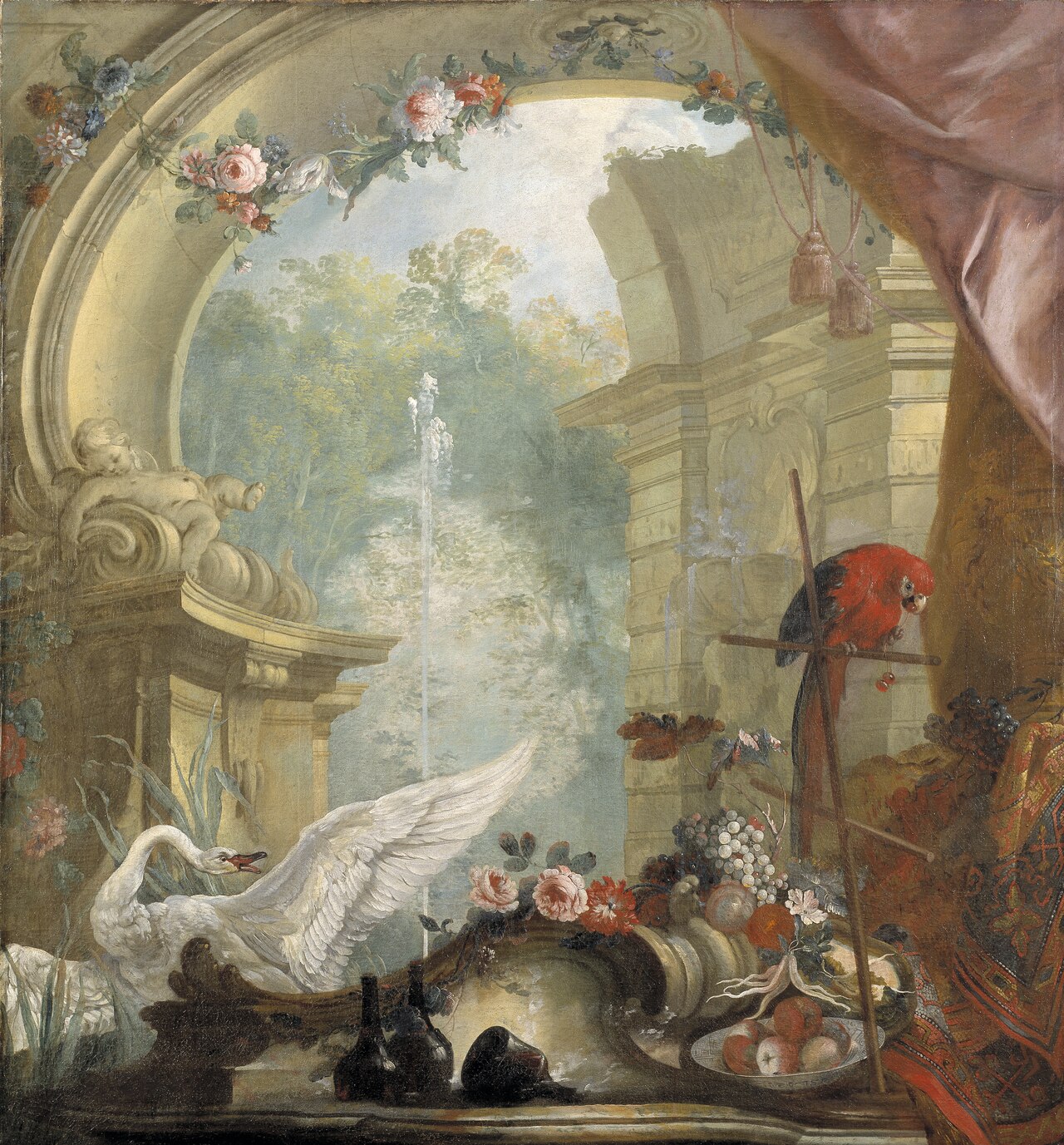
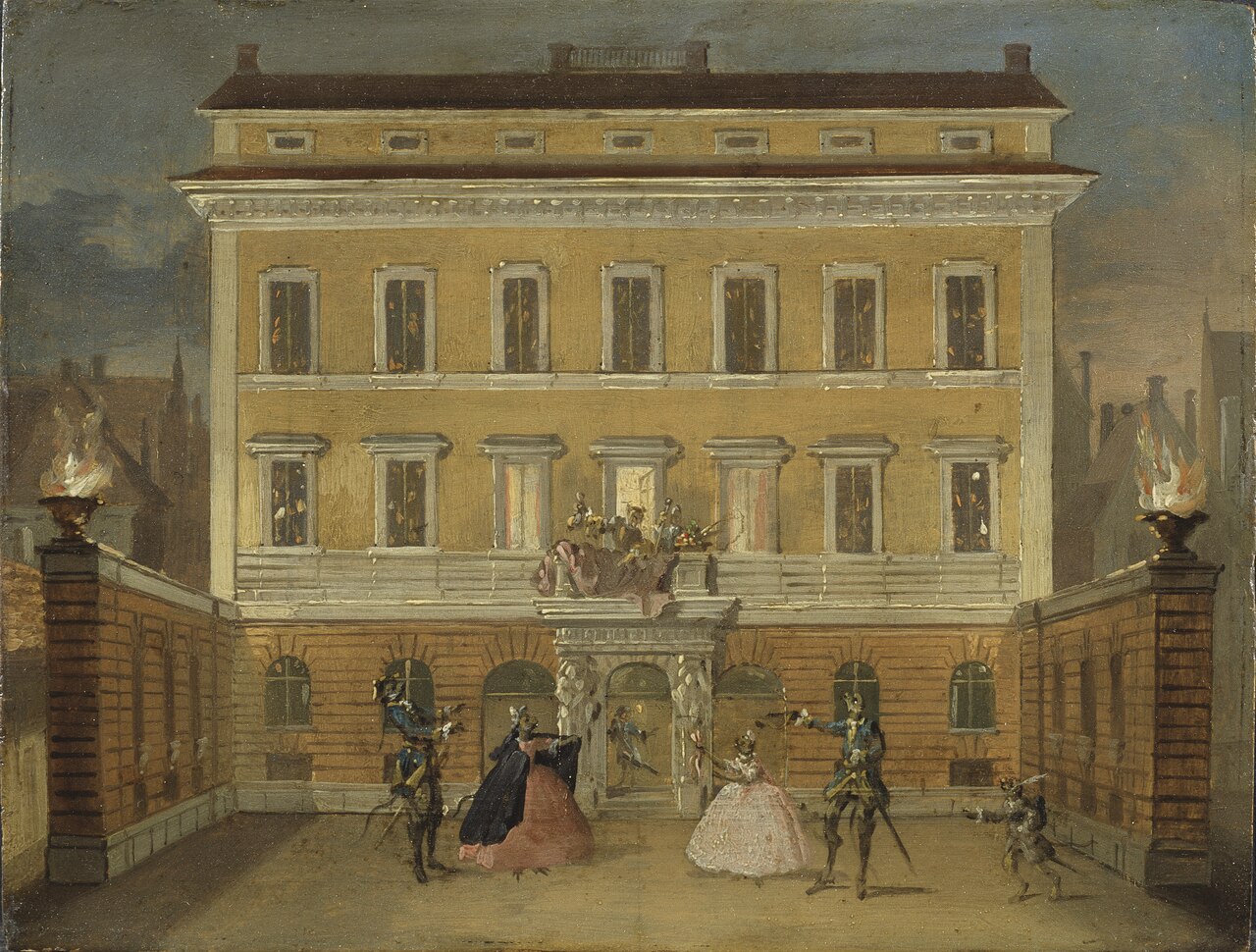
Major works - **The ‘Hen Picture’ (1747)** – This genre scene depicts a domestic interior where a hen is the focal point of a bustling household. Pasch renders the bird with meticulous attention to feather texture, while the surrounding figures are caught in a moment of quiet activity. The work exemplifies his ability to elevate a humble subject through compositional balance and subtle humour. - **Landscape with Palace Interior (1754)** – In this hybrid composition Pasch juxtaposes an expansive, idealised landscape with the interior of a royal palace. The painting showcases his skill in rendering both natural scenery—rolling hills, distant trees and a sky suffused with soft light—and the refined architecture of the interior space, complete with decorative furnishings. - **Parklandskap med ruiner (väggfält)** – Translating to “Park Landscape with Ruins (wall field)”, this work reflects the eighteenth‑century fascination with classical ruins as romantic symbols within a cultivated park setting. Pasch’s handling of the ruin’s stonework conveys a sense of age, while the surrounding foliage is painted with a fresh, verdant palette. - **Prélude de la Gloire (1752)** – Though the title is French, the painting is a Swedish commission that celebrates a triumphal theme, possibly linked to a royal event. Pasch employs a dramatic arrangement of figures and allegorical symbols, using a bright, almost luminous colour scheme to convey a sense of glory and celebration. - **Monkeys Acting in front of the Governor's House, Stockholm (1738)** – This whimsical composition captures a group of monkeys performing a staged scene before a recognizable municipal building. The work is notable for its playful narrative and for Pasch’s keen observation of animal anatomy, rendered with a light‑hearted yet technically assured hand.
Influence and legacy Johan Pasch’s career spanned a formative period in Swedish art, bridging the late Baroque and the early Rococo. His willingness to blend genre scenes with decorative commissions helped to expand the scope of what was considered acceptable subject matter for Swedish painters. By integrating fine‑art techniques with interior decoration, he contributed to a tradition of holistic artistic projects that would influence later Swedish architects and designers. The epithet “the Elder” remains attached to his name to differentiate him from a younger Johan Pasch (1752‑1811), who, while less prominent, continued the family’s artistic lineage. Modern scholarship recognises Johan Pasch as a representative figure of Sweden’s eighteenth‑century visual culture, valued for his technical competence, narrative charm and the way his work reflects the shifting tastes of his era.
Frequently asked questions
Who was Johan Pasch?
Johan Pasch (1706–1769) was a Swedish painter, etcher and decorative artist based in Stockholm, known for genre scenes, landscapes and ornamental interior work.
What artistic style or movement is he associated with?
Pasch worked during the transition from Baroque to Rococo in Sweden, blending elements of both styles without being tied to a single formal movement.
What are his most famous works?
His best‑known pieces include the ‘Hen Picture’ (1747), Landscape with Palace Interior (1754), Parklandskap med ruiner, Prélude de la Gloire (1752) and Monkeys Acting in front of the Governor’s House (1738).
Why is Johan Pasch important in art history?
He exemplifies the versatile role of eighteenth‑century Swedish artists, merging fine‑art painting with decorative projects and influencing later Swedish decorative traditions.
How can I recognise a Johan Pasch painting?
Look for finely detailed brushwork, a light‑toned palette, narrative genre scenes or idealised landscapes, and often a subtle integration of decorative motifs within the composition.