Peter Adolf Hall
1739 – 1793
In short
Peter Adolf Hall (1739–1793) was a Swedish‑French painter renowned for his miniature portraits, working chiefly in Paris for aristocratic patrons. He combined Swedish sensibilities with French Rococo influences, leaving a modest yet respected legacy in portrait miniatures.
Notable works



Early life Peter Adolf Hall was born in 1739 in the Swedish town of Borås. Little is recorded about his family background, but his early education likely included the basic schooling typical for a middle‑class Swedish household of the period. Demonstrating an aptitude for drawing, Hall pursued artistic training beyond his native town, moving to France as a young man—a common path for Scandinavian artists seeking exposure to the vibrant Parisian art scene.
In Paris, Hall would have encountered the ateliers of established masters and the bustling artistic community centred around the Académie royale de peinture et de sculpture. Although specific details of his apprenticeship are scarce, his later work shows a clear assimilation of the French Rococo style that dominated mid‑eighteenth‑century portraiture.
Career and style Hall established himself in Paris as a specialist in miniature painting, a genre prized by the European aristocracy for its intimate scale and portability. Miniatures were often executed on ivory, vellum, or copper, and they served as personal mementos, diplomatic gifts, or components of larger decorative ensembles.
Hall’s career flourished during the 1760s and 1770s, a period when miniature portraiture enjoyed high demand among the French nobility and their foreign counterparts. He secured commissions from members of the French court, as well as from Swedish royalty, reflecting his dual national connections. Hall’s style is characterised by a delicate handling of flesh tones, meticulous rendering of fabrics, and a subtle use of colour that aligns with the Rococo’s emphasis on elegance and grace. While he did not affiliate formally with a specific art movement, his work embodies the prevailing aesthetic of the late Rococo, transitioning toward the more restrained Neoclassical taste that began to emerge in the 1780s.
Signature techniques Hall’s miniatures display several technical hallmarks that aid in their identification:
* Fine brushwork – Using a single‑hair sable brush, Hall achieved an extraordinary level of detail, particularly in the rendering of hair and lace. * Layered glazing – He applied multiple translucent layers of paint to create depth in skin tones, a method that lends his subjects a lifelike translucency. * Use of ivory – Many of Hall’s surviving works are painted on thin sheets of ivory, which provide a luminous base that enhances the subtle colour modulation. * Compact composition – Hall often positioned his sitters within a tight frame, focusing attention on the face and upper shoulders, which maximises the impact of the miniature’s limited dimensions.
These techniques, combined with his careful observation of aristocratic fashion, make Hall’s miniatures instantly recognisable to connoisseurs.
Major works Among Hall’s documented pieces are several portraits that illustrate his clientele and artistic range:
* Sophie Jeanne Armande Septimanie de Vignerot du Plessis, duchesse de Richelieu (1773) – This miniature captures the duchess in a fashionable pose, her elaborate coiffure and silk dress rendered with Hall’s characteristic attention to texture. The work exemplifies his ability to convey status through detailed costume rendering.
* Ludvig XVI as Crown Prince (1777) – Created during the young Louis‑August’s tenure as Dauphin, the portrait presents the future king in regal attire, highlighting Hall’s skill in portraying royal likenesses for diplomatic purposes.
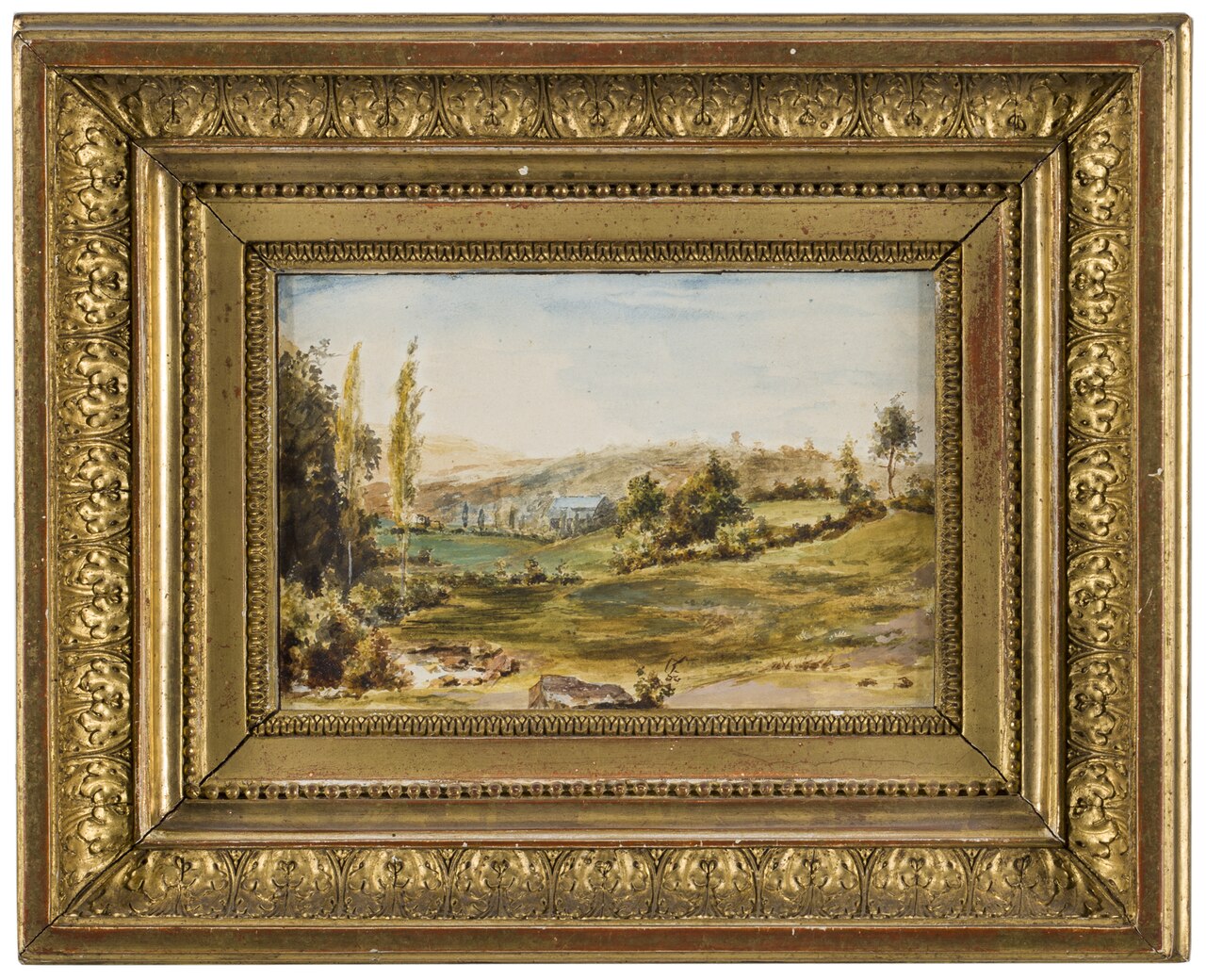
* Landscape (1791) – Though Hall is primarily known for portrait miniatures, this small landscape demonstrates his versatility. Executed on ivory, the piece depicts a pastoral scene with softened foliage, suggesting an experimental foray beyond his usual genre.
* Gustav III, King of Sweden – Hall’s connection to his native Sweden is evident in this portrait of King Gustav III. While the exact date is uncertain, the work aligns with Hall’s practice of serving both French and Swedish patrons.
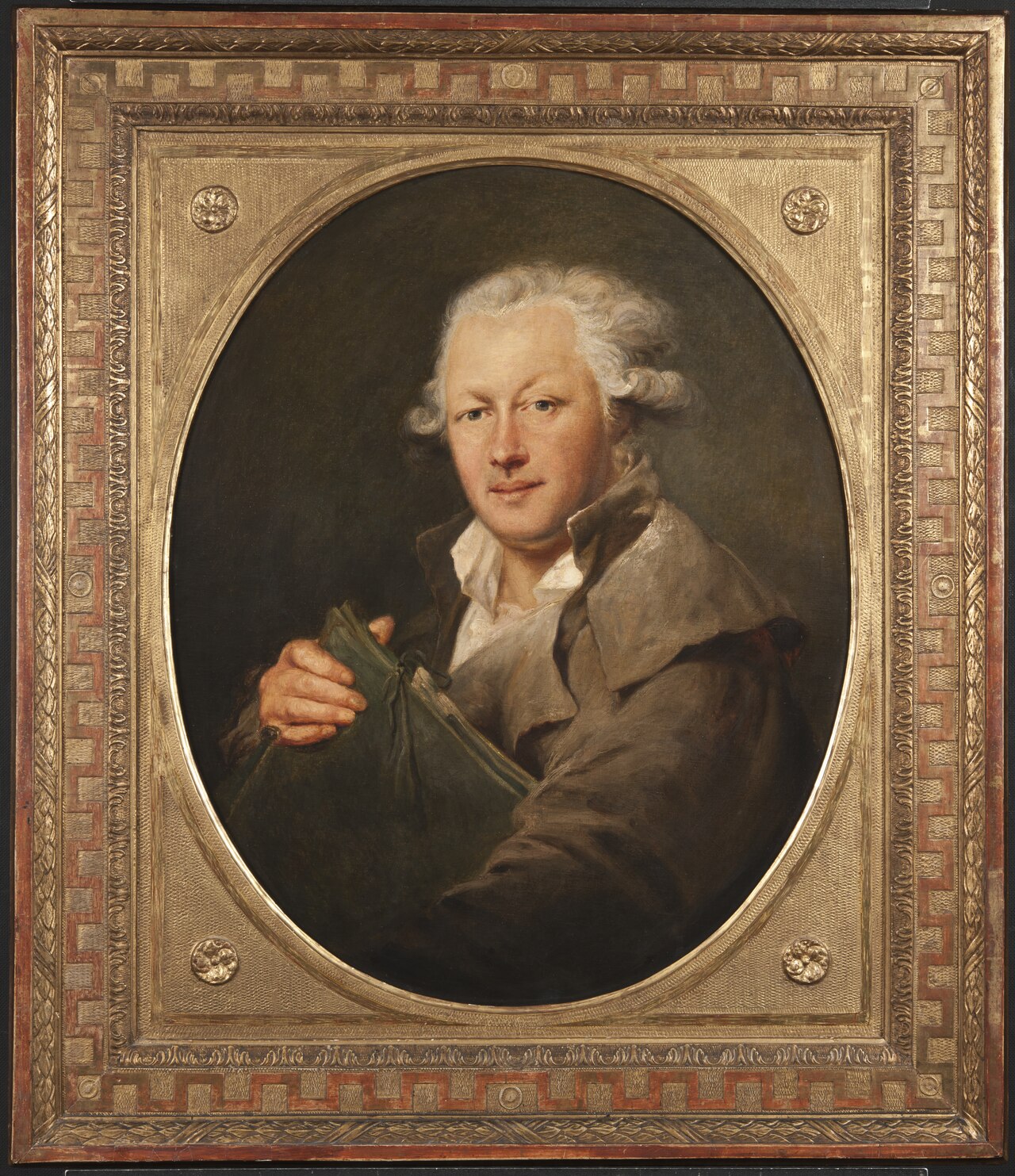
* Self‑portrait (dated 1800) – A self‑portrait bearing the date 1800 appears in some catalogues, yet Hall died in 1793. Scholars regard the date as a later addition or a misattribution, indicating the work may have been completed earlier or that it was produced by a follower.
These works collectively illustrate Hall’s prominence among elite circles and his adeptness at capturing the refined sensibilities of his era.
Influence and legacy Peter Adolf Hall’s contribution to the art of miniature painting resides in his synthesis of Swedish and French artistic traditions. Though he did not found a school or movement, his meticulous technique influenced contemporaries and successive generations of miniaturists who valued precision and subtle colour modulation.
His portraits served as diplomatic tokens, reinforcing cultural ties between France and Sweden during a period of complex political alliances. Moreover, Hall’s surviving miniatures are prized by collectors for their historical insight into eighteenth‑century aristocratic fashion and portraiture.
In modern scholarship, Hall is recognised as a representative figure of the late Rococo miniature tradition, bridging the gap to the Neoclassical era. His works continue to be exhibited in European museums, and they provide valuable material for studies of cross‑national artistic exchange in the Enlightenment period.
Overall, Hall’s career underscores the importance of miniature painting as a medium of personal and political expression, and his oeuvre remains a testament to the refined craftsmanship of his time.
Frequently asked questions
Who was Peter Adolf Hall?
Peter Adolf Hall (1739–1793) was a Swedish‑French painter best known for his miniature portraits, working mainly in Paris for aristocratic and royal patrons.
What style or movement is Hall associated with?
Hall’s work reflects the late Rococo aesthetic, with its elegant brushwork and delicate colour, and it anticipates the more restrained Neoclassical taste of the late 18th century.
What are Hall’s most famous works?
Among his notable miniatures are the portrait of the duchesse de Richelieu (1773), Ludvig XVI as Crown Prince (1777), a landscape dated 1791, and his portrait of King Gustav III of Sweden.
Why is Hall important in art history?
Hall exemplifies the high‑level craftsmanship of miniature painting, illustrating the cultural exchange between France and Sweden and providing insight into aristocratic portraiture of the Enlightenment era.
How can I recognise a Hall miniature?
Look for finely brushed hair and fabric, layered glazing on ivory, a compact composition focused on the face, and the subtle, luminous skin tones characteristic of Hall’s technique.