Nils Forsberg
1842 – 1934
In short
Nils Forsberg was a Swedish painter who lived and worked in Paris for much of his career, active from the mid-19th to the early 20th century. He is known for his works such as 'A Communard' and 'Death of a Hero'. Forsberg's life and career spanned over nine decades, with his artwork reflecting the influences of his time.
Notable works
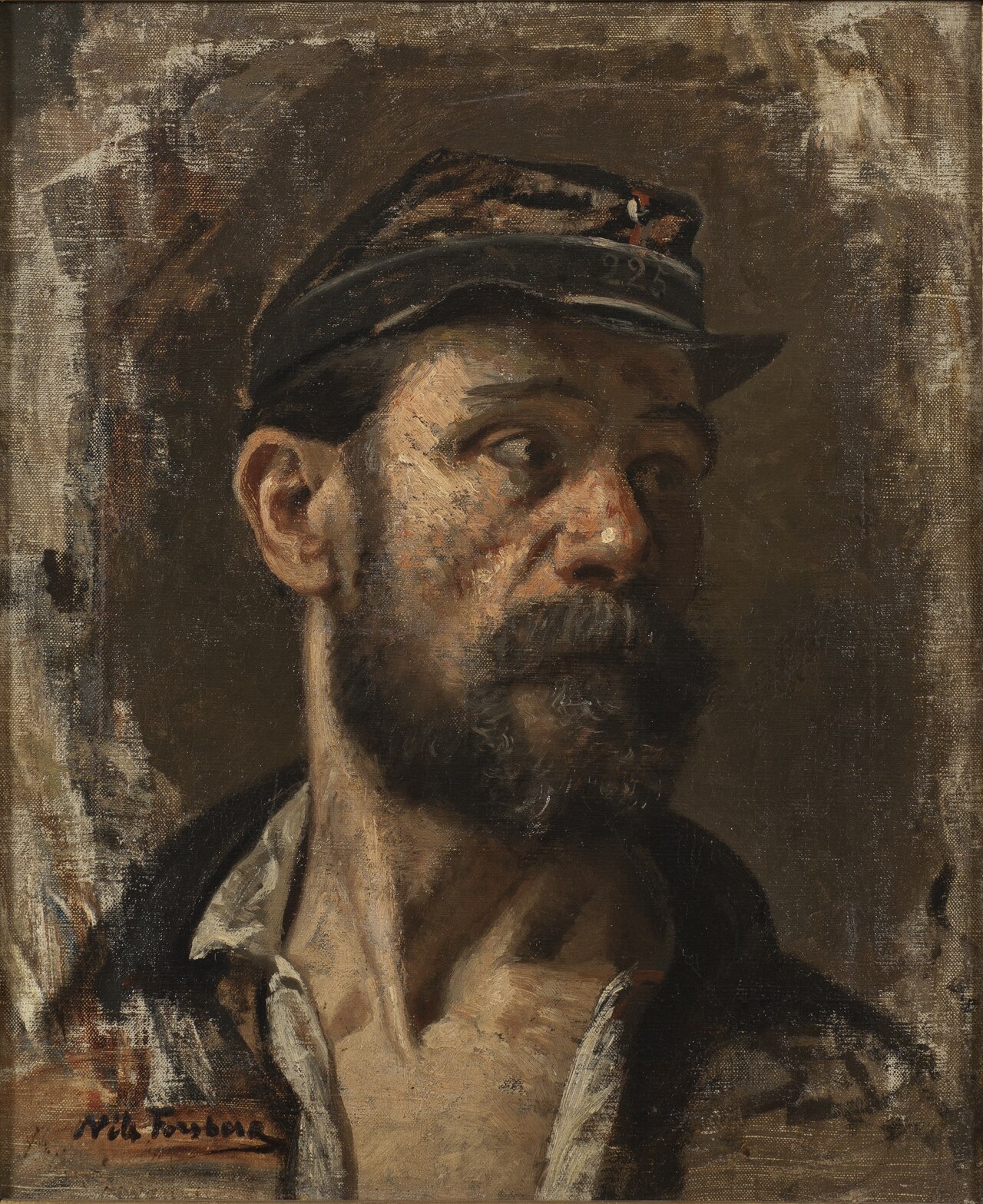
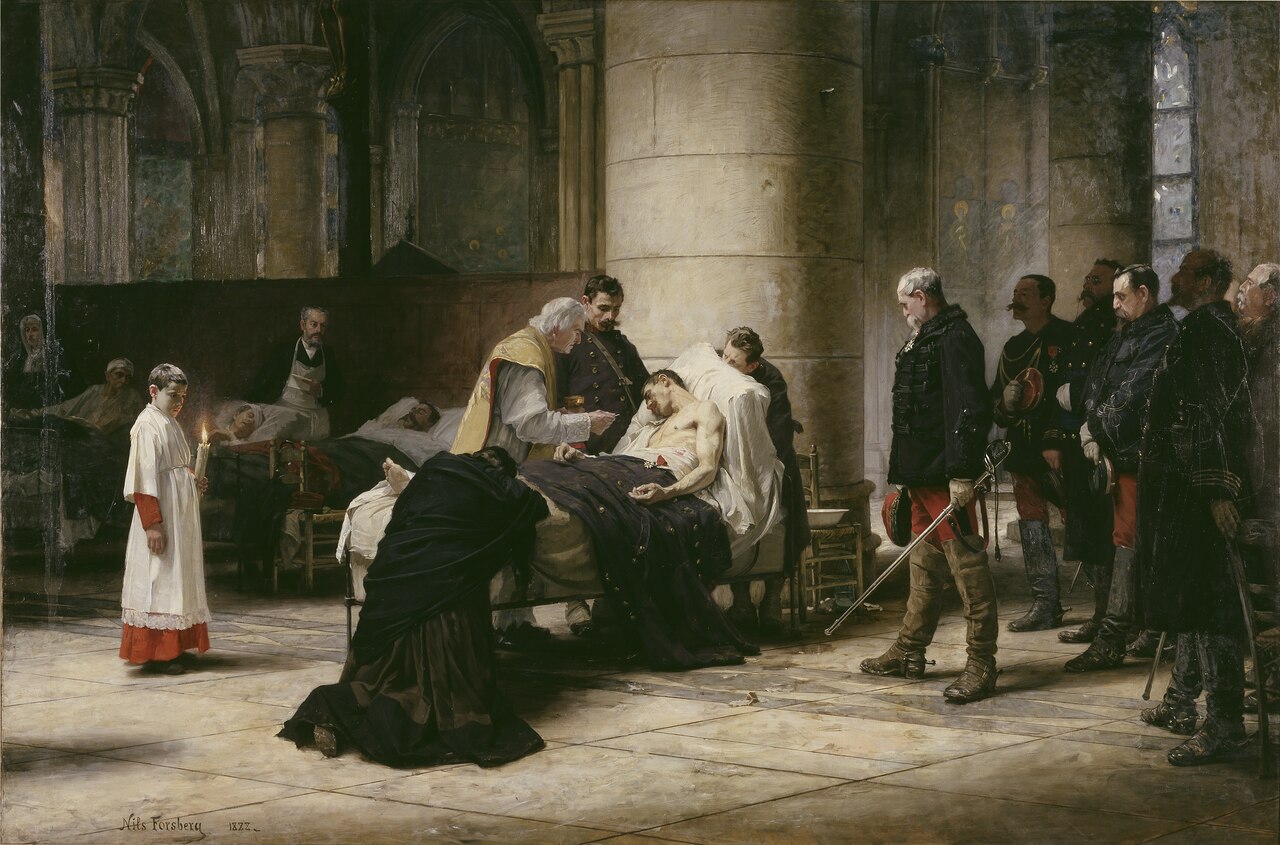
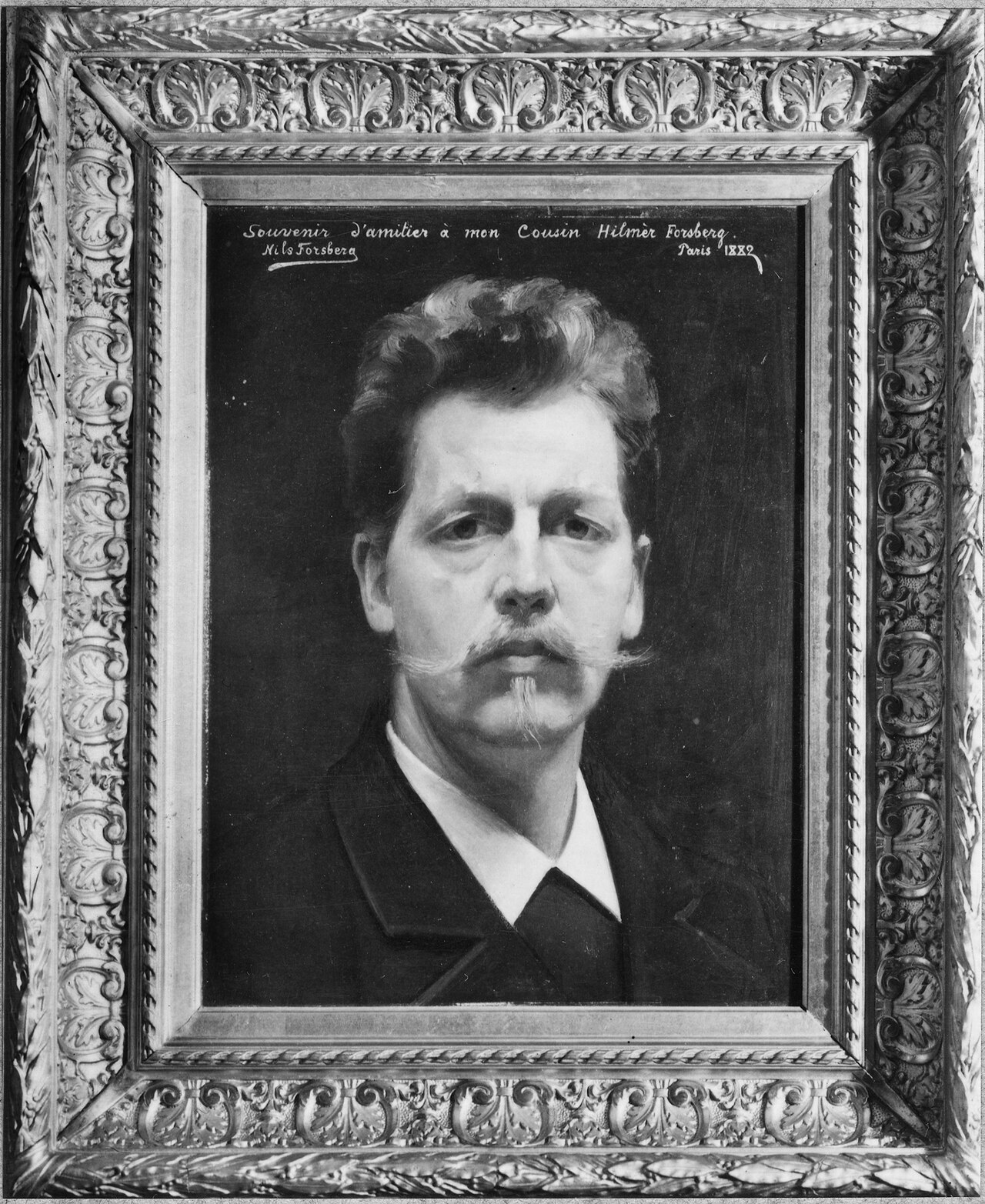
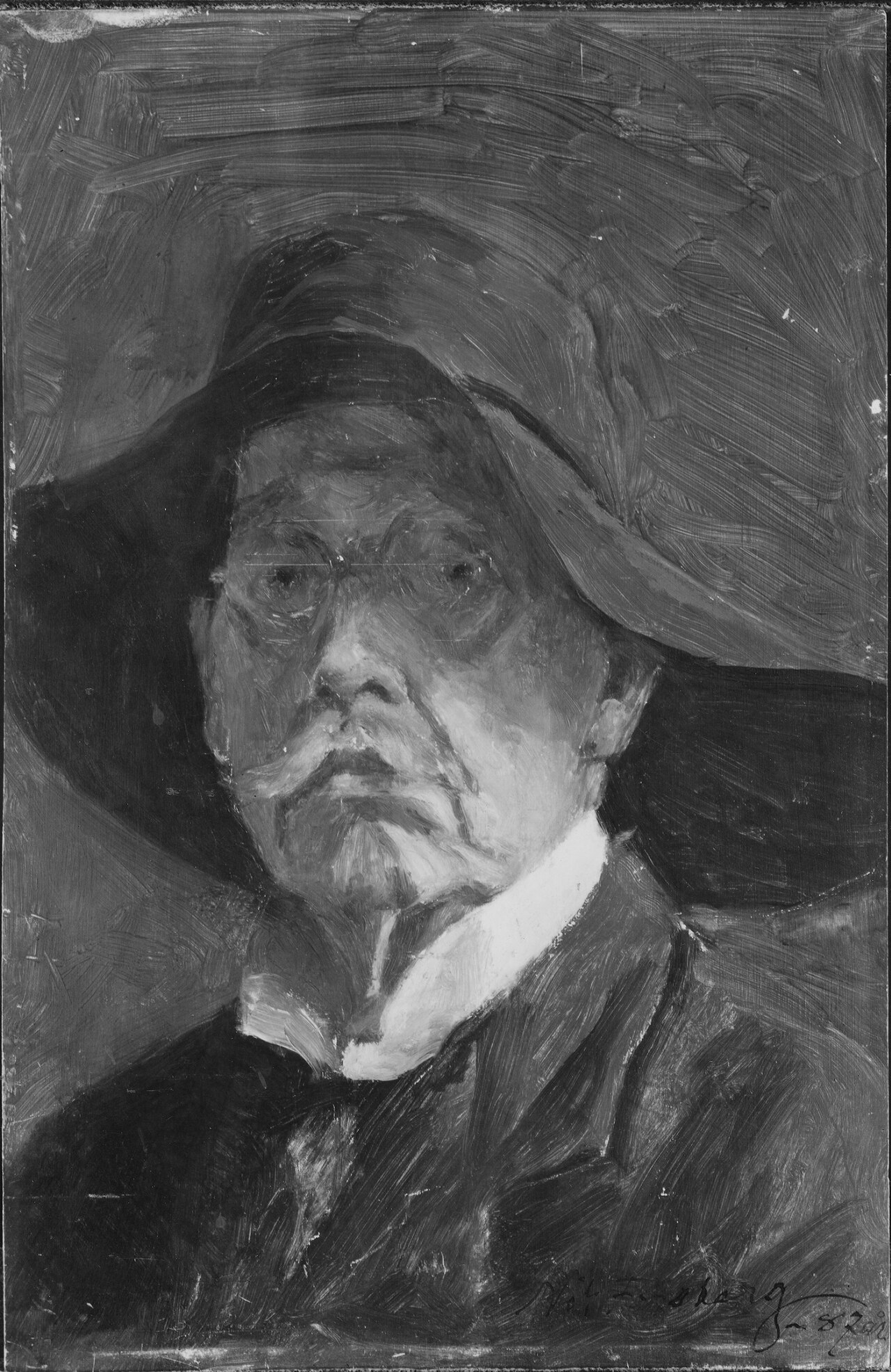
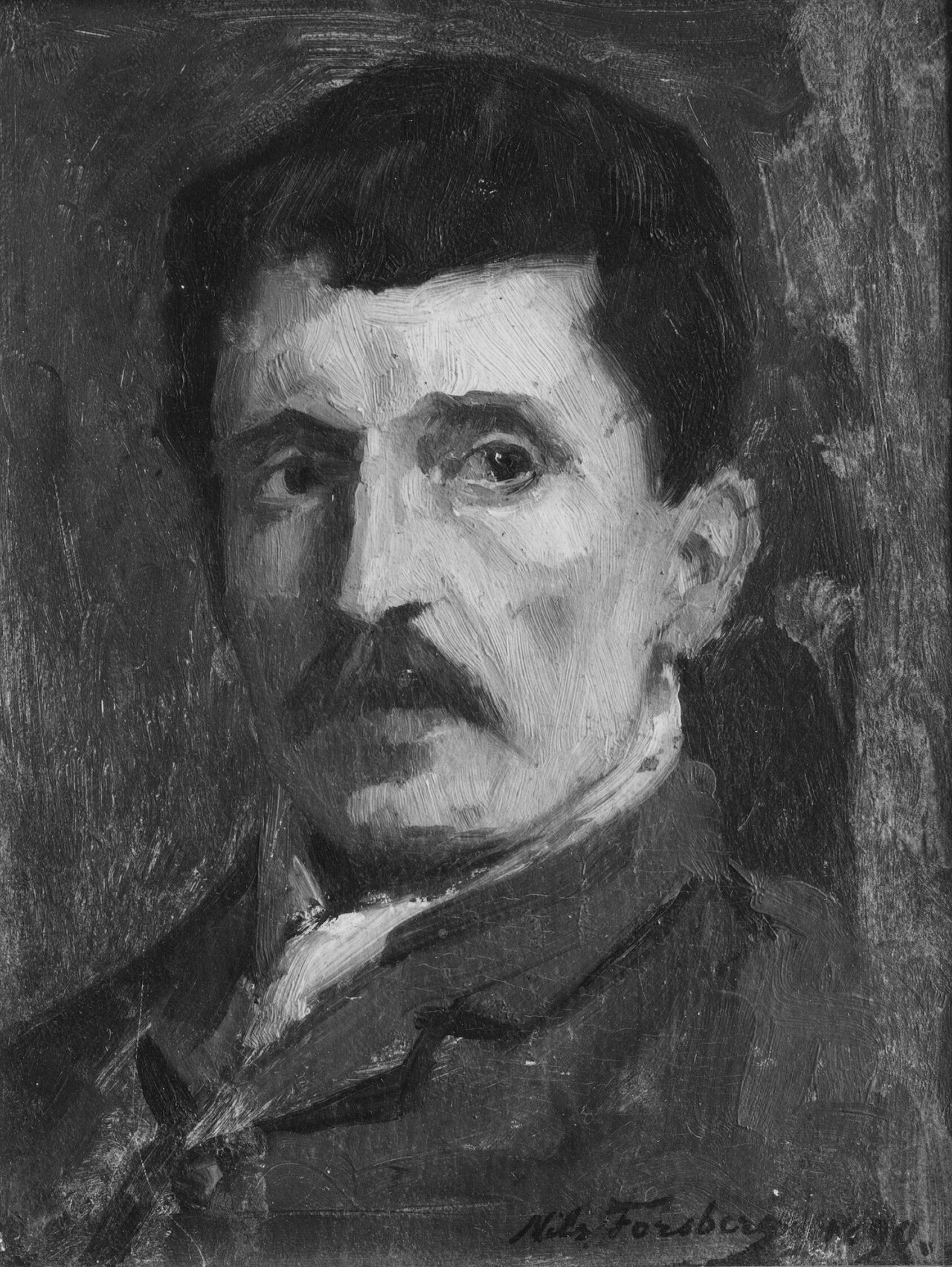
Early life Nils Forsberg was born in 1842 in Riseberga socken, Sweden. Although specific details about his early life and education are not well-documented, it is known that he would later become a significant figure in Swedish art, with a career that would take him to Paris. This period in Paris would have a profound impact on his development as an artist, exposing him to various artistic movements and styles.
Career and style Forsberg's career as a painter was marked by his time in Paris, where he was influenced by the city's vibrant artistic scene. The exact art movement or current he was associated with is not well-defined, but his works suggest an engagement with the realism and dramatic themes common during the late 19th century. His marriage to Maria Amalia Kihlstedt in 1887 also indicates a personal life intertwined with his professional pursuits.
Signature techniques While specific signature techniques that define Forsberg's style are not clearly outlined, his works such as 'A Communard' and 'Death of a Hero' suggest a focus on dramatic and possibly historical themes. The use of light, composition, and the portrayal of human figures in these works could be indicative of his approach to painting, though a detailed analysis of his techniques would require further study.
Major works Among Forsberg's notable works are 'A Communard' (1871), 'Death of a Hero' (1888), and 'Selfportrait' (1882). 'A Communard' likely references the Paris Commune, a significant historical event, suggesting Forsberg's interest in political and social themes. 'Death of a Hero' implies a dramatic or historical subject matter, which was common in 19th-century art. His 'Selfportrait' from 1882 provides a personal insight into the artist himself, though the specifics of its composition and style are not detailed here.
Influence and legacy The influence and legacy of Nils Forsberg are not widely documented in available sources, but his contributions to Swedish art and his presence in the Parisian art scene during the late 19th and early 20th centuries are notable. His work, alongside that of his contemporaries like Per Ekström, a landscape painter who also had ties to Sweden, forms part of the broader narrative of Swedish artistic development during this period. Forsberg passed away in 1934 in Helsingborgs Maria church parish, leaving behind a body of work that reflects his engagement with the artistic and historical currents of his time.
Frequently asked questions
Who was Nils Forsberg?
Nils Forsberg was a Swedish painter who lived and worked primarily in Paris during the late 19th and early 20th centuries.
What style or movement was Nils Forsberg associated with?
The specific art movement or style associated with Nils Forsberg is not well-defined, but his works suggest influences from realism and dramatic themes common during the late 19th century.
What are some of Nils Forsberg's most famous works?
Some of Nils Forsberg's notable works include 'A Communard', 'Death of a Hero', and 'Selfportrait'.
Why does Nils Forsberg matter in the history of art?
Nils Forsberg matters because his work reflects the influences of his time and contributes to the narrative of Swedish art during the late 19th and early 20th centuries.
How can I recognize Nils Forsberg's work?
Recognizing Nils Forsberg's work may involve looking for dramatic and possibly historical themes, as well as an attention to detail in the portrayal of human figures and the use of light and composition, though specific stylistic elements are not clearly defined.