Karl Nordström
1855 – 1923
In short
Karl Fredrik Nordström (1855–1923) was a Swedish landscape painter who led the Association of Artists from 1896 to 1920 and is noted for his atmospheric depictions of Swedish nature, especially works such as Midsummer Bonfires in Stormy Weather and Winter's Day at Uggleviken.
Notable works
.jpg)
Early life Karl Fredrik Nordström was born in 1855 on the island of Tjörn, off the west coast of Sweden. The rugged coastline and the changing light of the archipelago left an early impression on the young Nordström, fostering a lifelong fascination with natural scenery. He pursued formal artistic training at the Royal Swedish Academy of Fine Arts in Stockholm, where he absorbed the academic fundamentals of drawing and composition while also encountering the burgeoning ideas of French Impressionism and Symbolism that were circulating in European art circles during the late 19th century.
Career and style After completing his studies, Nordström returned to the Swedish countryside, settling for periods in various rural locales where he could work directly from nature. His early career coincided with a growing movement among Swedish artists to break away from the strict academic conventions of the Academy and to develop a more personal, atmospheric approach to landscape painting. Nordström became associated with the “Opponents” (Opponenterna), a group that advocated for artistic renewal and greater freedom of expression.
Throughout the 1880s and 1890s his style evolved from a fairly detailed, naturalistic rendering of terrain to a looser, more tonal handling of form and colour. Influences from French Impressionism—particularly the emphasis on fleeting light effects and the modulation of colour—are evident, yet Nordström retained a distinctly Swedish sensibility, often portraying the stark, sometimes austere, atmosphere of his native land. By the turn of the century his canvases displayed a synthesis of impressionistic brushwork with a muted palette that reflected the northern climate, producing scenes that are both lyrical and introspective.
In 1896 Nordström was elected chairman of the Association of Artists (Konstnärsförbundet), a position he held until 1920. In this capacity he championed the rights of independent artists, organised exhibitions, and promoted progressive artistic ideas. His leadership helped to secure a more open environment for modern Swedish art, and he mentored younger painters who would later become prominent figures in the national art scene.
Signature techniques Nordström’s technique is characterised by several recurring elements:
1. Atmospheric modulation – He often employed a thin, semi‑transparent layer of paint to convey mist, fog, or the subtle diffusion of light over water and fields. This glazing approach allowed underlying colours to glow through, creating depth without relying on sharp outlines. 2. Limited, harmonious palette – Rather than using a vivid, high‑contrast colour scheme, Nordström favoured earth tones, muted greens, greys, and occasional warm ochres. This restrained palette reinforced the mood of quiet contemplation that pervades his landscapes. 3. Broad, sweeping brushstrokes – In later works he adopted broader, more gestural strokes that suggest shape and movement rather than precise detail, a method that aligns his paintings with the emerging modernist tendencies of the early 20th century. 4. Emphasis on sky and water – Many of his compositions give prominence to expansive skies or reflective water surfaces, using them as visual anchors that balance the composition and heighten the sense of space.
These techniques together produced works that feel both immediate—capturing a specific moment of weather or light—and timeless, as they evoke the broader emotional resonance of the Swedish landscape.
Major works
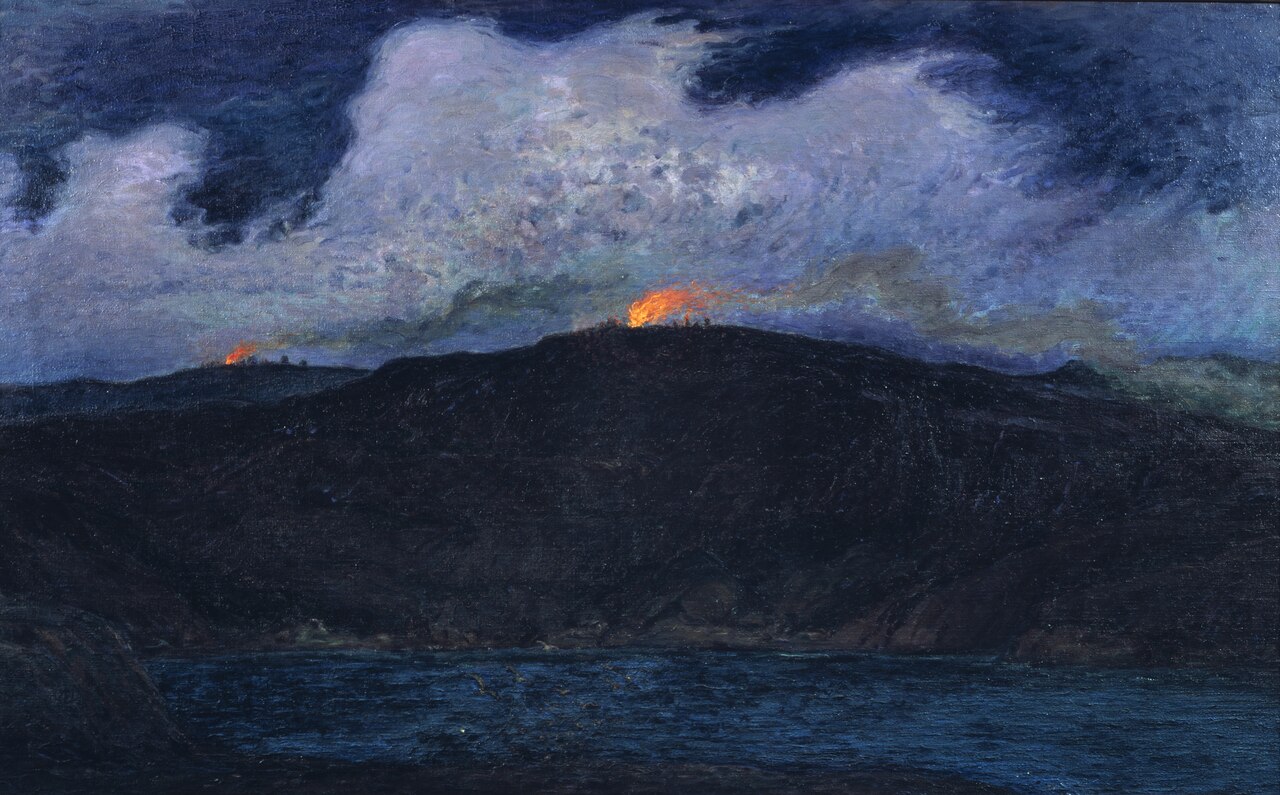
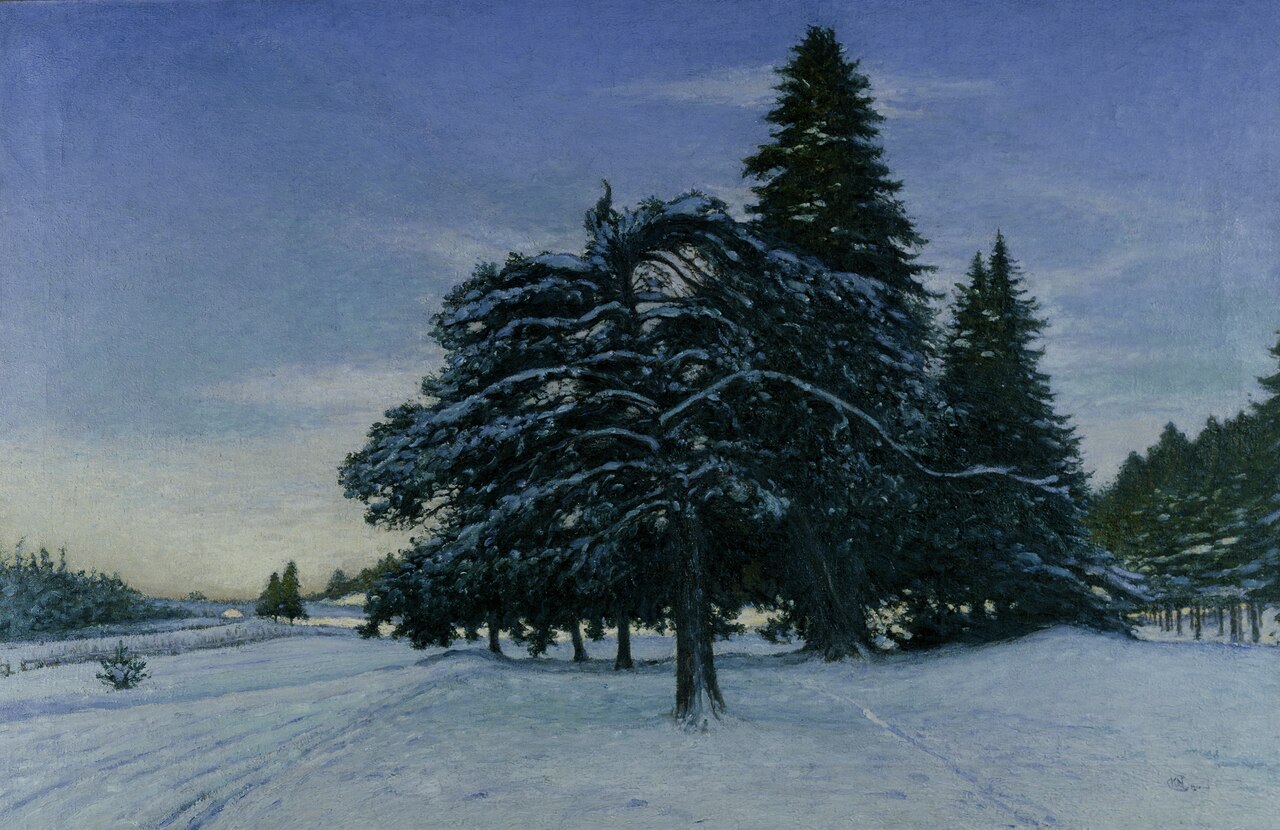
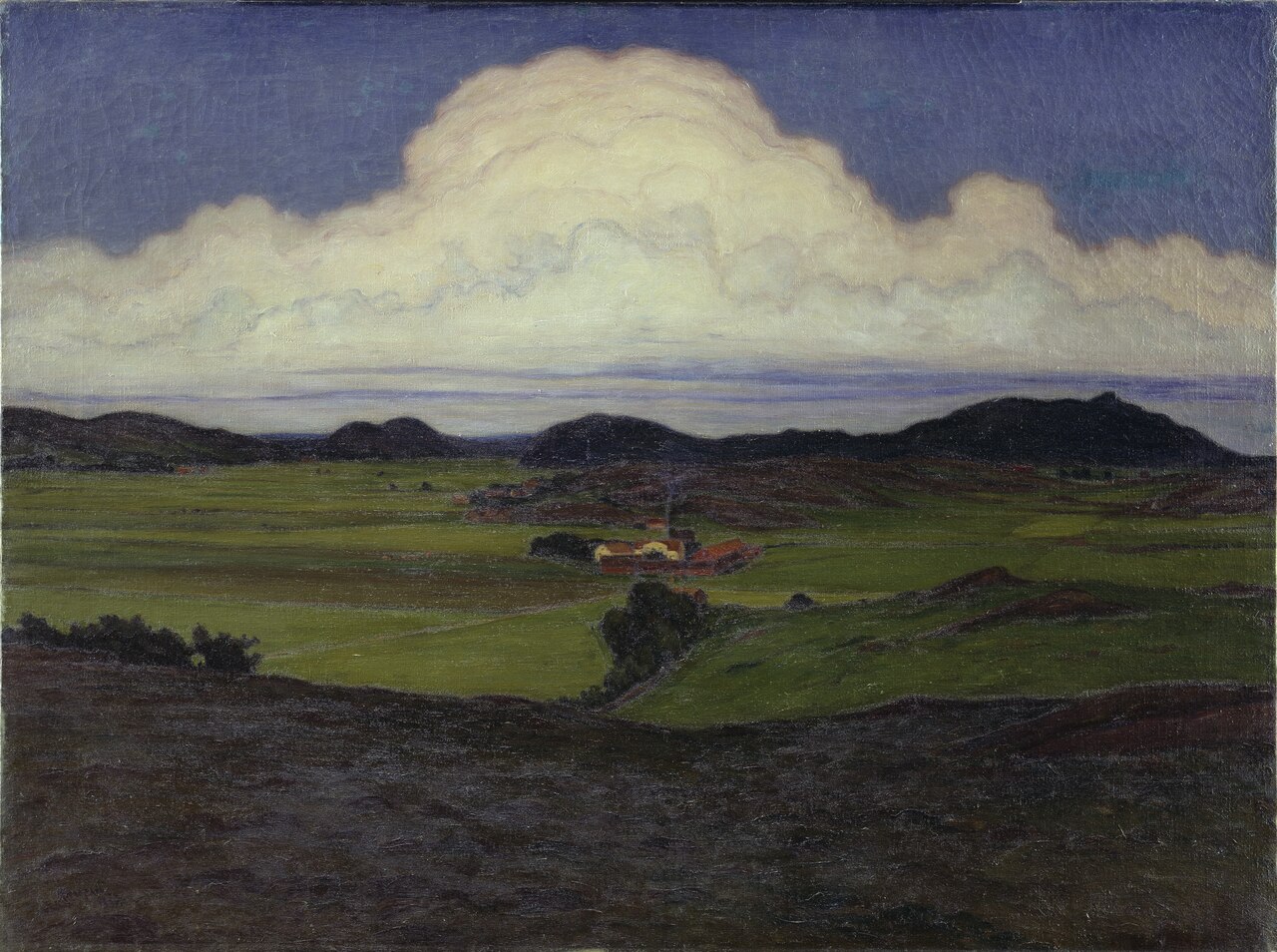
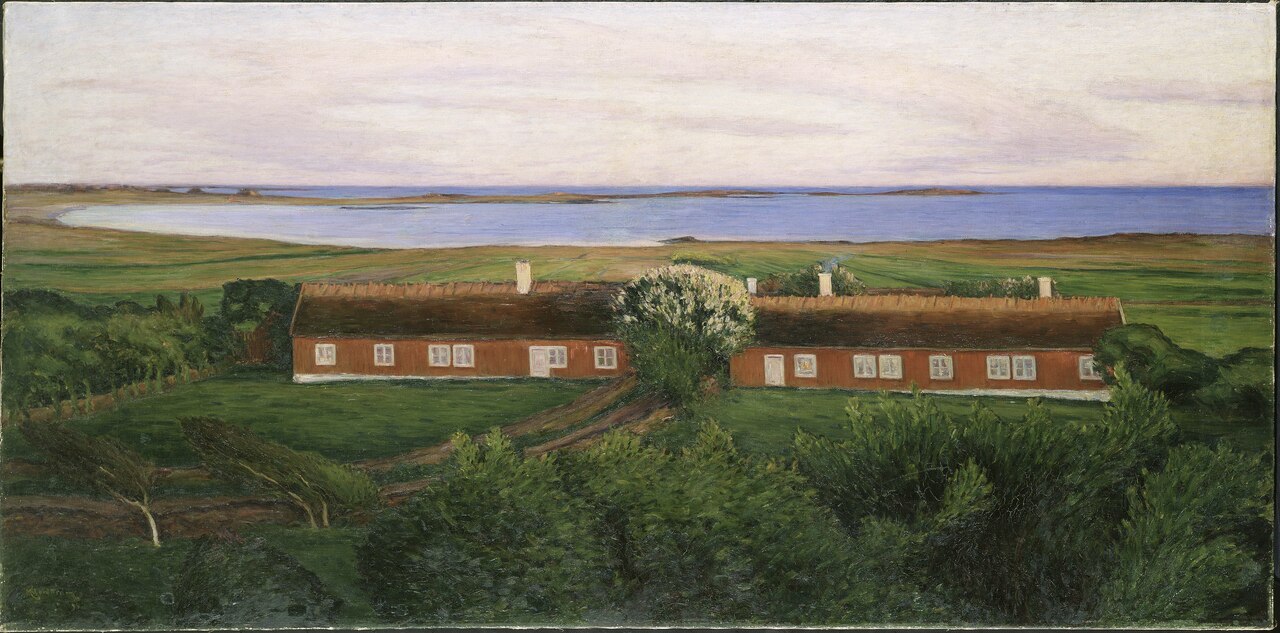
- Midsummer Bonfires in Stormy Weather (1900) – This canvas portrays a traditional midsummer celebration set against a tumultuous sky. Nordström captures the flickering firelight against dark clouds, using contrasting warm tones for the bonfires and cool, brooding shades for the surrounding atmosphere. The work exemplifies his ability to convey both cultural ritual and natural drama. - Winter's Day at Uggleviken (1901) – Here the artist renders a snow‑covered park near Stockholm with a muted, almost monochromatic palette. The soft, powdery snow is suggested through delicate glazing, while the bare trees and distant hills are hinted at with faint, horizontal brushstrokes, creating a sense of stillness and quietude. - Höst (1887) – Translating to “Autumn,” this early piece demonstrates Nordström’s transition from detailed naturalism to a more tonal approach. The foliage is rendered in warm ochres and russet tones, yet the composition remains balanced by a cool, subdued sky, hinting at his later interest in colour harmony. - Hoga Valley, Tjörn (1897) – A homage to his birthplace, this landscape captures the rolling hills and coastal cliffs of the Tjörn region. Nordström employs broad strokes to suggest the wind‑carved terrain, while a subtle interplay of light and shadow conveys the time‑of‑day without relying on precise linear perspective. - The Neighbouring Farm Houses (1894) – This work presents a cluster of modest farm buildings nestled within a rural setting. The artist emphasizes the integration of human habitation within the natural environment, using a restrained colour scheme that allows the architecture to recede gently into the surrounding fields.
Each of these works illustrates Nordström’s progressive shift toward an atmospheric, mood‑driven representation of landscape, while retaining a strong sense of place and cultural context.
Influence and legacy Karl Nordström’s contribution to Swedish art lies not only in his own paintings but also in his advocacy for artistic independence. As chairman of the Association of Artists, he helped to establish a platform where non‑academic painters could exhibit and exchange ideas, fostering an environment that encouraged experimentation. His emphasis on colour, light, and mood influenced a generation of Swedish landscape painters, including his contemporaries and younger artists who would later define the Swedish modernist movement.
In the decades following his death in 1923 at Drottningholm Palace, Nordström’s works continued to be exhibited in major Swedish museums, most notably the Nationalmuseum in Stockholm. Art historians regard his canvases as pivotal examples of the transition from 19th‑century naturalism to early 20th‑century modernism within Scandinavia. The atmospheric qualities he cultivated can be traced in the later works of artists such as Isaac Grünewald and Sigrid Hjertén, who extended his interest in colour and light into more expressive, abstract territories.
Today, Nordström is remembered as a bridge figure—rooted in the traditions of Swedish landscape painting yet open to the innovations that reshaped European art at the turn of the century. His paintings remain popular among collectors and are frequently used in academic discussions of Nordic impressionism and the development of national artistic identity.
Frequently asked questions
Who was Karl Nordström?
Karl Nordström (1855–1923) was a Swedish painter renowned for his atmospheric landscapes and for leading the Association of Artists from 1896 to 1920.
What artistic style or movement is he associated with?
He is linked to Swedish naturalism and early modernist trends, blending Impressionist influences with a restrained, tonal palette that reflects the Nordic environment.
What are his most famous works?
Key works include *Midsummer Bonfires in Stormy Weather* (1900), *Winter's Day at Uggleviken* (1901), *Höst* (1887), *Hoga Valley, Tjörn* (1897) and *The Neighbouring Farm Houses* (1894).
Why does Karl Nordström matter in art history?
He helped modernise Swedish art by championing artistic freedom, influencing younger painters, and advancing a landscape style that combined atmospheric mood with emerging modernist ideas.
How can I recognise a Karl Nordström painting?
Look for muted, harmonious colours, soft glazing that suggests mist or fog, broad brushstrokes that imply form rather than detail, and a focus on sky, water, or rural settings that convey a contemplative, Nordic atmosphere.