Sofie Ribbing
1835 – 1894
In short
Sofie Ribbing was a Swedish painter who specialized in portraits and genre scenes. She was active in the 19th century and associated with the Düsseldorf School. Ribbing's work often featured family settings and showcased her skill in capturing intimate moments.
Notable works
.jpg)
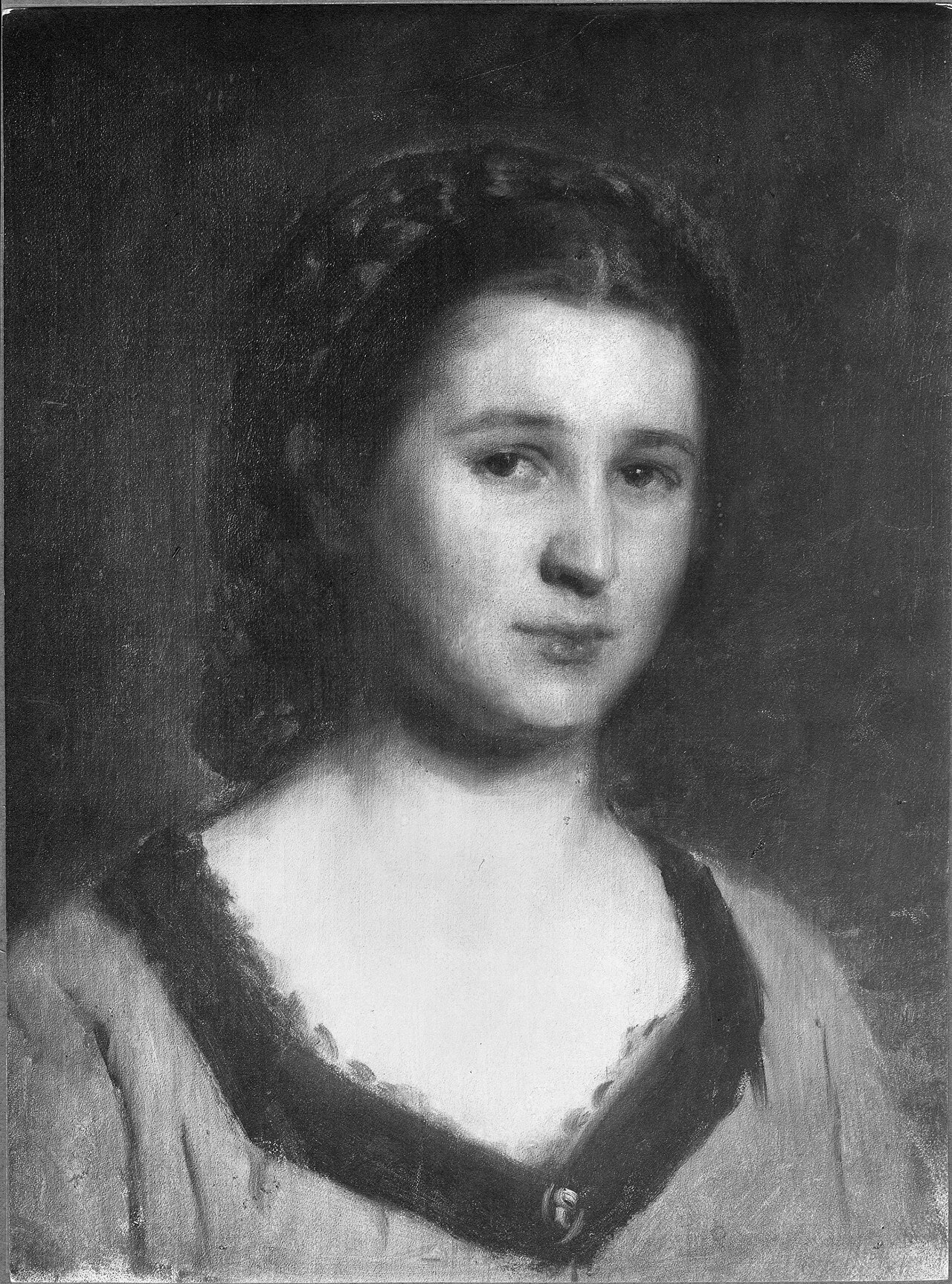


Early life Sofie Ribbing was born in 1835 in Adelöv parish, Sweden. While specific details about her early life are limited, it is known that she went on to pursue a career in painting, a path that would lead her to become associated with the Düsseldorf School. This association suggests that she was influenced by the artistic trends and techniques prevalent in Düsseldorf, Germany, during the 19th century.
Career and style Ribbing's career as a painter was marked by her focus on portraits and genre scenes. These genres allowed her to explore the nuances of human interaction and the quiet moments of everyday life. Her style, while not broadly categorized under a specific movement beyond the Düsseldorf School, reflects a dedication to realism and an attention to detail that was characteristic of many artists of her time.
Signature techniques Ribbing's techniques, like those of her contemporaries in the Düsseldorf School, would have been grounded in traditional European painting methods. This would have included thorough training in drawing, color theory, and composition. While specific signature techniques that distinguish her work from others in the Düsseldorf School are not well-documented, her ability to capture the essence of her subjects and the warmth of domestic scenes is evident in her known works.
Major works Among Ribbing's notable works are 'Boys drawing' (1864), a piece that showcases her ability to capture the innocence and curiosity of childhood; 'Helena Roed' (1843-1926), a portrait that demonstrates her skill in portraying the dignity and character of her subjects; 'Self-portrait' (1865), which offers a glimpse into her own self-perception and artistic identity; 'Italiensk pike', a title that suggests an interest in capturing the beauty of foreign landscapes or subjects; and 'Painting' (1894), a work from the final year of her life, indicating a continued dedication to her craft until the end. These works, while diverse in subject matter, reflect Ribbing's consistent interest in the human experience and the world around her.
Influence and legacy Sofie Ribbing's influence and legacy are intertwined with the broader context of the Düsseldorf School and 19th-century European painting. While she may not be as widely recognized as some of her contemporaries, her contributions to the genre of portrait and domestic scene painting are valuable. Her work serves as a window into the lives and values of the 19th century, offering insights into the social and cultural norms of her time. For art historians and enthusiasts, Ribbing's paintings are a testament to the enduring power of traditional techniques and the timeless appeal of well-crafted, intimate scenes.
Frequently asked questions
Who was Sofie Ribbing?
Sofie Ribbing was a Swedish painter known for her portraits and genre scenes, associated with the Düsseldorf School.
What style or movement was Sofie Ribbing associated with?
Ribbing was associated with the Düsseldorf School, a group of painters who worked in Düsseldorf, Germany, and were known for their realistic and detailed style.
What are Sofie Ribbing's most famous works?
Some of her notable works include 'Boys drawing', 'Helena Roed', 'Self-portrait', 'Italiensk pike', and 'Painting' from 1894.
Why does Sofie Ribbing matter in the history of art?
Ribbing matters because her work contributes to our understanding of 19th-century European painting, particularly in the areas of portraiture and genre scenes, offering insights into the social and cultural contexts of her time.
How can I recognize Sofie Ribbing's work?
You can recognize Ribbing's work by looking for realistic and detailed portraits and domestic scenes, often featuring intimate family moments, and by being aware of the association with the Düsseldorf School style.