Sofia Adlersparre
1808 – 1862
In short
Sofia Adlersparre (1808–1862) was a Swedish painter renowned for her portraiture, including royal subjects such as Queen Josefina of Sweden and Norway, as well as a self‑portrait from 1830. She worked primarily in Stockholm, contributing to the Swedish Golden Age of painting.
Notable works
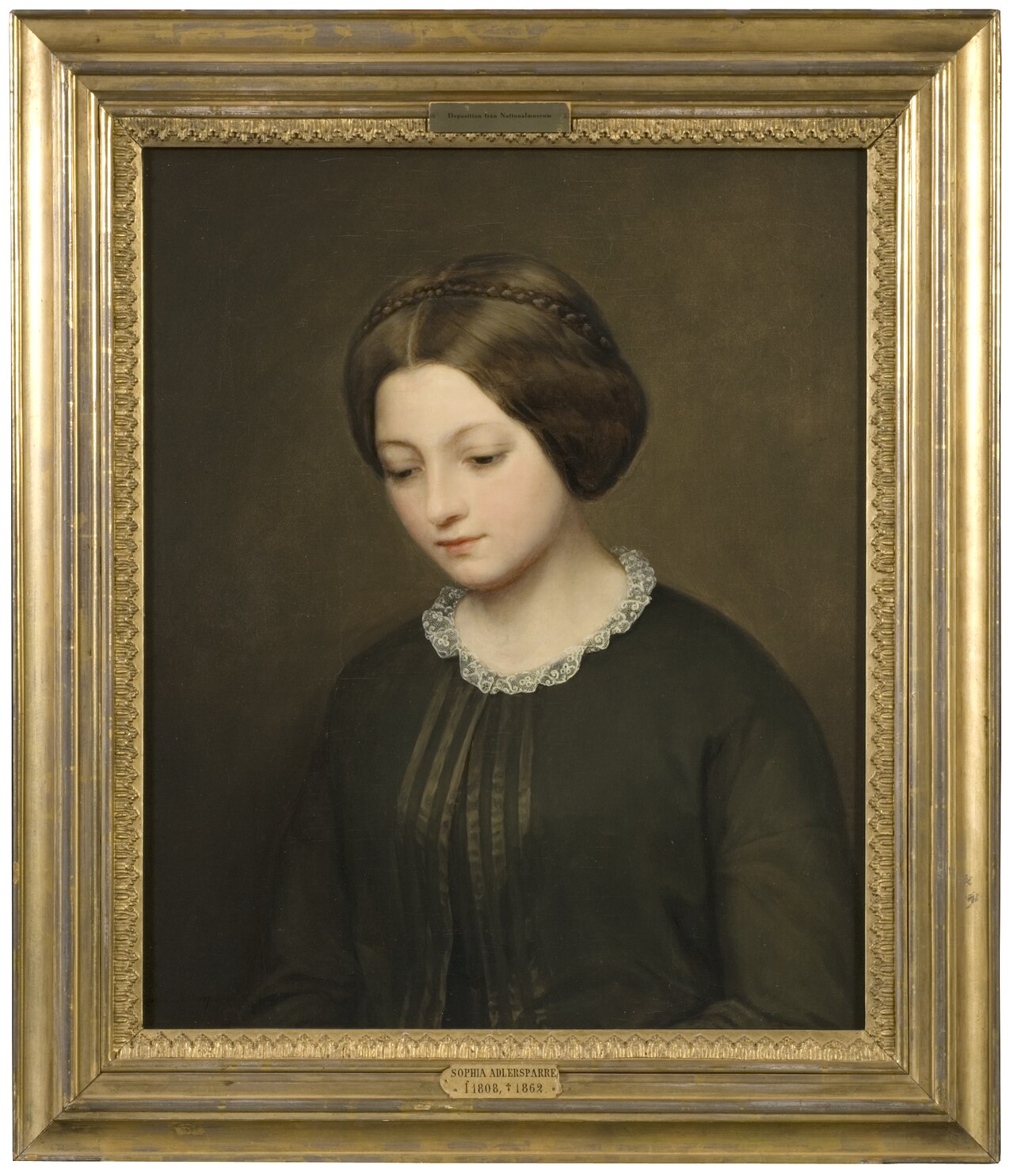
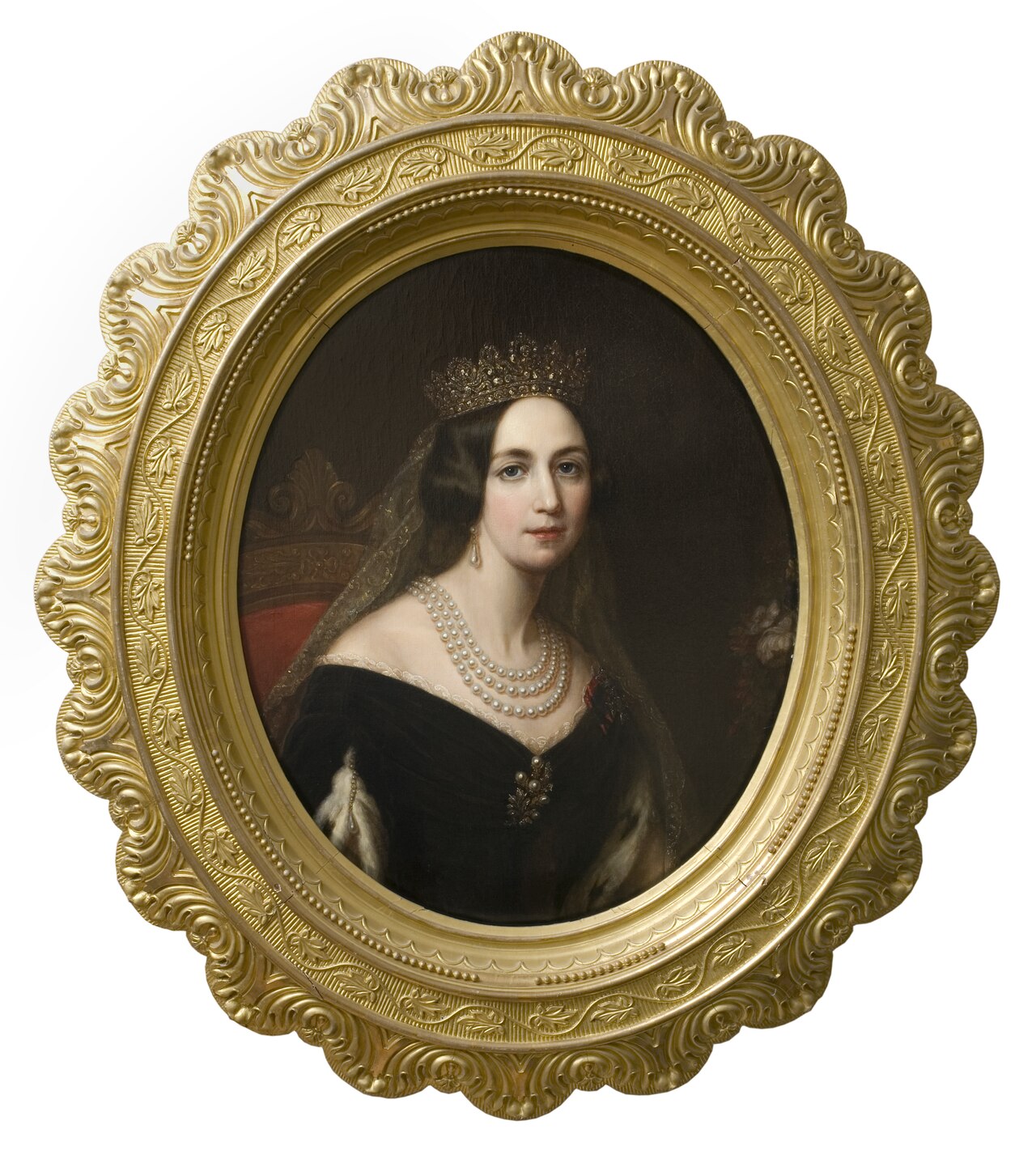
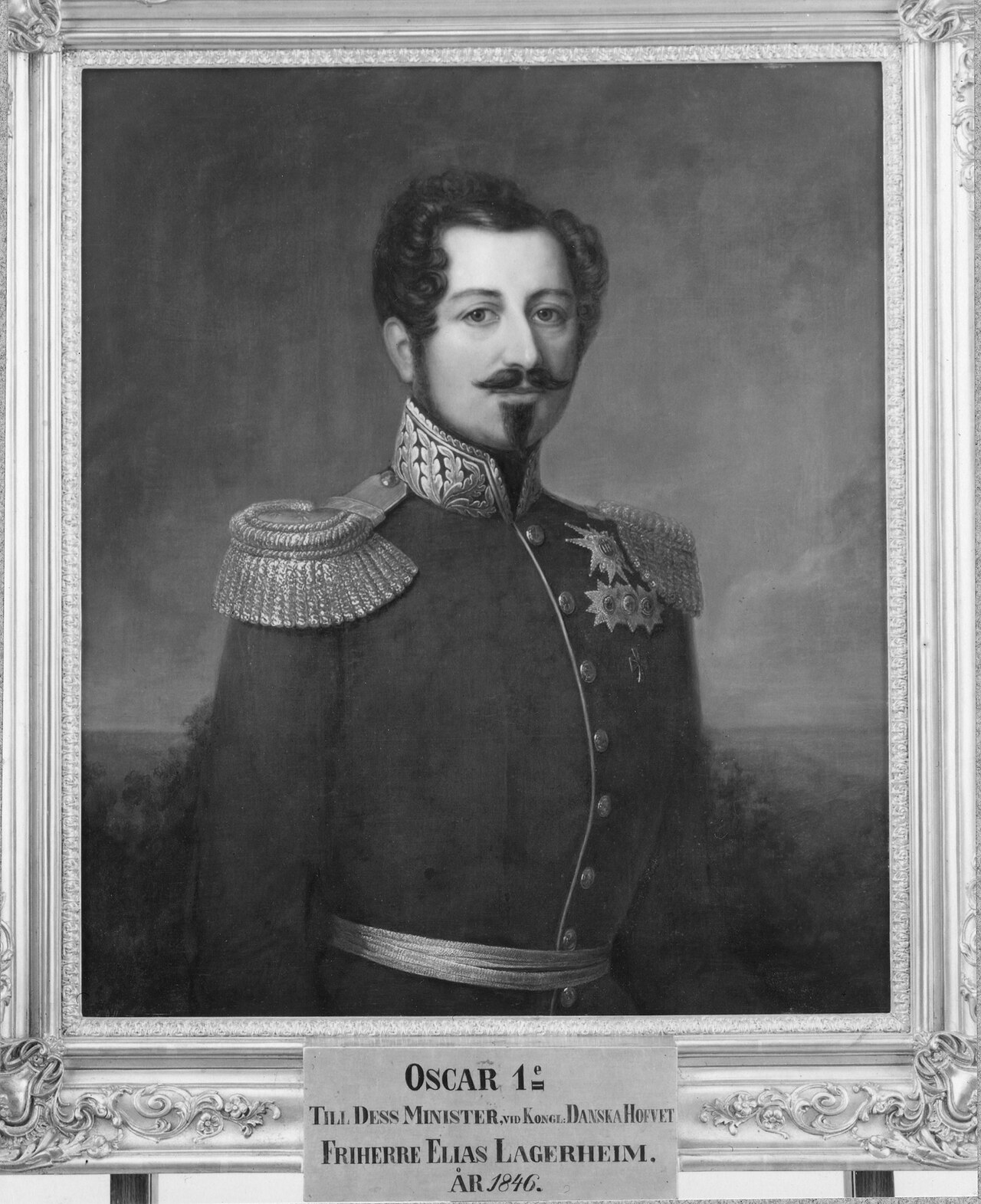
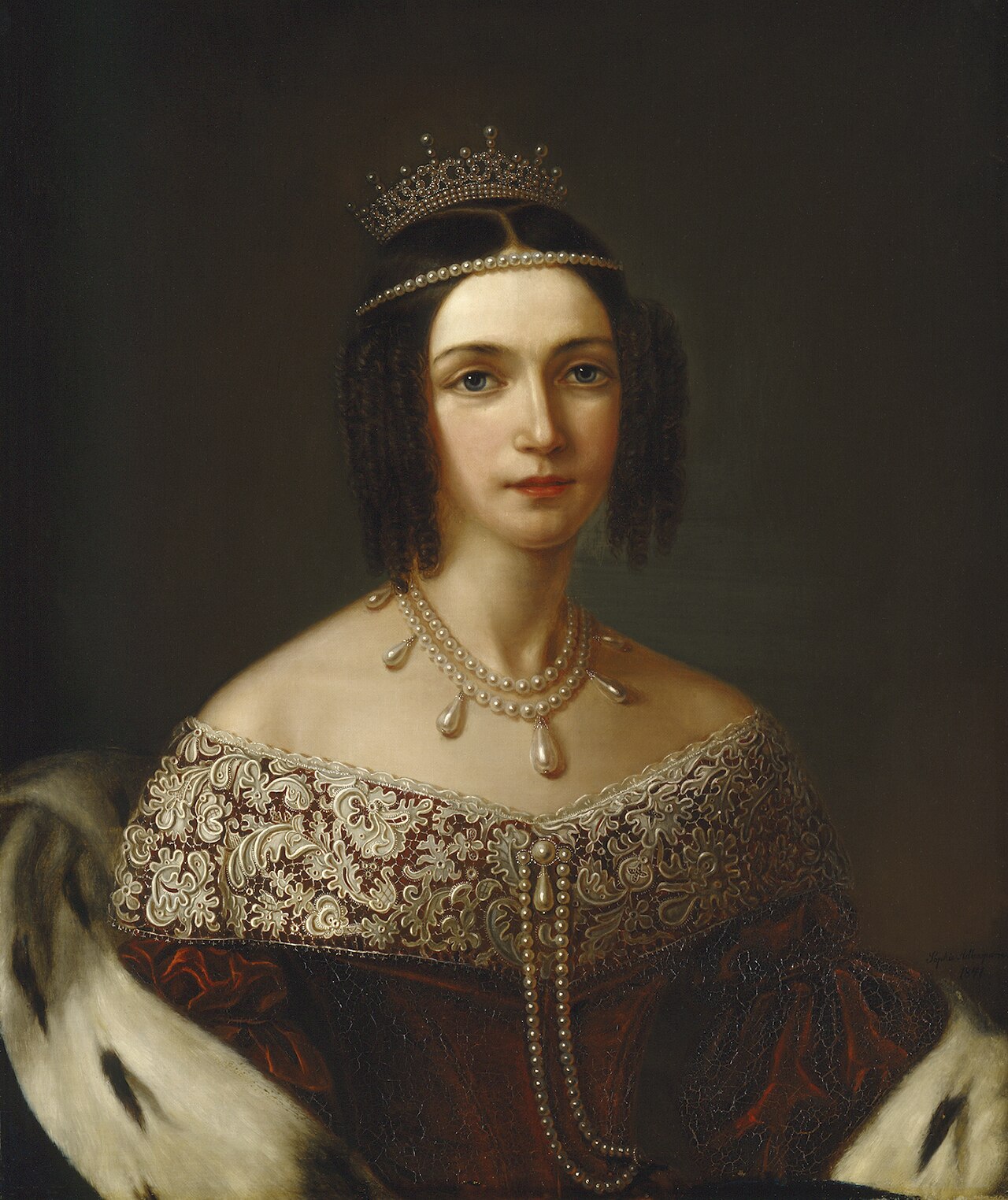

Early life Sofia Adolfina Adlersparre was born in 1808 at Ottenby kungsgård, a manor on the island of Öland in Sweden. She belonged to the prominent Adlersparre family, which had a long tradition of public service and patronage of the arts. Growing up in a cultured environment, Sofia was exposed to literature, music and visual arts from an early age. The family’s connections enabled her to receive an education that was unusual for women of her time, including drawing lessons that laid the foundation for her later career.
Career and style After moving to Stockholm, the capital of Sweden, Sofia entered the city’s vibrant artistic community. She trained under established portrait painters, absorbing the academic techniques that dominated Swedish art in the early‑19th century. Her work aligns with the broader Swedish Golden Age, a period characterised by a focus on realistic representation, careful modelling of light, and an emphasis on national subjects. While no specific movement is attached to her name, her style reflects the academic realism of the era, with a particular sensitivity to the psychological presence of her sitters.
Signature techniques Adlersparre’s portraits are distinguished by several recurring techniques. She employed a subtle chiaroscuro to model the faces of her subjects, creating a three‑dimensional effect without dramatic contrasts. Her handling of textiles is meticulous; she rendered the sheen of silk, velvet and lace with fine brushwork that captures the play of light on fabric. A restrained colour palette—often dominated by earth tones and muted blues—allows the viewer to focus on the sitter’s expression rather than decorative excess. Additionally, she often used a modest, slightly blurred background to isolate the figure, a device that enhances the sense of intimacy in her portraits.
Major works - **Self‑portrait (1830)** – One of the earliest surviving works, this self‑portrait demonstrates Adlersparre’s confidence in her own abilities. The painting shows her in a modest dress, seated before a modest backdrop, with a direct gaze that conveys both determination and humility. The work is valued for its insight into the artist’s self‑perception and for its technical proficiency at a relatively young age. - **Marie Dietsch (1848)** – This portrait of Marie Dietsch, a member of the Swedish bourgeoisie, exemplifies Adlersparre’s ability to capture the social standing of her sitters. The sitter is depicted in an elegant gown, with careful attention to the texture of the fabric and the delicate rendering of jewellery. The painting reflects the mid‑century taste for refined, yet understated, portraiture. - **Josefina, 1807‑1876, drottning av Sverige och Norge prinsessa av Leuchtenberg (1841)** – In this earlier portrait of Princess Josefina of Leuchtenberg, later Queen of Sweden and Norway, Adlersparre portrays the young royal with a dignified poise. The work predates Josefina’s marriage to King Oskar I and captures the princess’s aristocratic bearing, marked by a modest yet regal attire that hints at her future status. - **Josefina (1848)** – A later portrait of the same royal figure, now Queen Josefina, showcases a more mature representation. The queen is shown in regal robes, with a crown subtly hinted rather than fully rendered, emphasizing her personal qualities over ostentatious regalia. The painting’s composition, with the queen slightly turned, creates a sense of movement and authority. - **Oskar I (1799‑1859) (1846)** – This portrait of King Oskar I of Sweden and Norway reflects Adlersparre’s skill in depicting male royalty. The king is presented in a military uniform, complete with epaulettes and a sash, symbolising his role as commander‑in‑chief. The careful modelling of his facial features and the controlled lighting give the portrait a stately yet approachable quality.
Influence and legacy Sofia Adlersparde’s career is notable not only for the quality of her portraits but also for her position as a professional woman artist in a male‑dominated field. By securing commissions from the Swedish royal family, she demonstrated that a female painter could command the highest levels of patronage. Her work contributed to the development of a distinctly Swedish portrait tradition that balanced academic rigour with a subtle national character. Later generations of Swedish women artists, such as Hilma af Klint and later modernists, could look back on Adlersparre’s achievements as an early example of artistic independence. While she is not as widely known internationally as some of her contemporaries, her paintings remain part of Sweden’s cultural heritage, displayed in royal collections and national museums, and continue to inform scholars’ understanding of 19th‑century Swedish portraiture.
Frequently asked questions
Who was Sofia Adlersparre?
Sofia Adlersparre (1808–1862) was a Swedish painter best known for her portraiture of royal and aristocratic subjects during the Swedish Golden Age.
What artistic style or movement is she associated with?
She worked within the academic realist tradition of the early‑19th century, producing portraits that emphasise naturalistic modelling and subtle colour.
What are her most famous works?
Her most recognised paintings include a self‑portrait (1830), portraits of Queen Josefina of Sweden and Norway (1841 and 1848), a portrait of King Oskar I (1846), and the portrait of Marie Dietsch (1848).
Why is Sofia Adlersparre important in art history?
She broke gender barriers by receiving royal commissions, helped shape Sweden’s portrait tradition, and served as an early role model for women pursuing professional artistic careers.
How can I recognise a painting by Sofia Adlersparre?
Look for her characteristic subtle chiaroscuro, meticulous rendering of fabrics, restrained palette, and a gently blurred background that isolates the sitter.