Severin Nilsson
1846 – 1918
In short
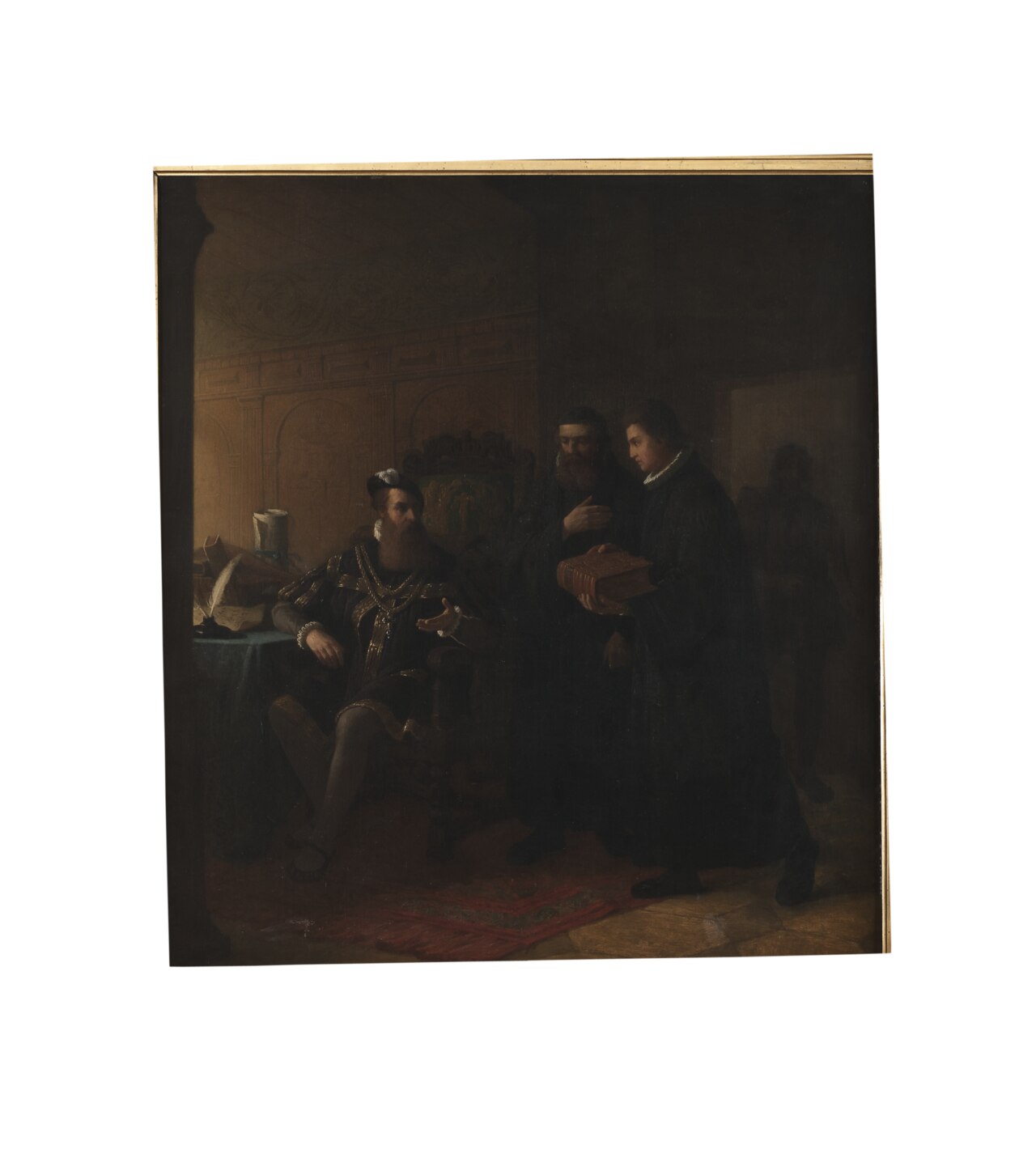
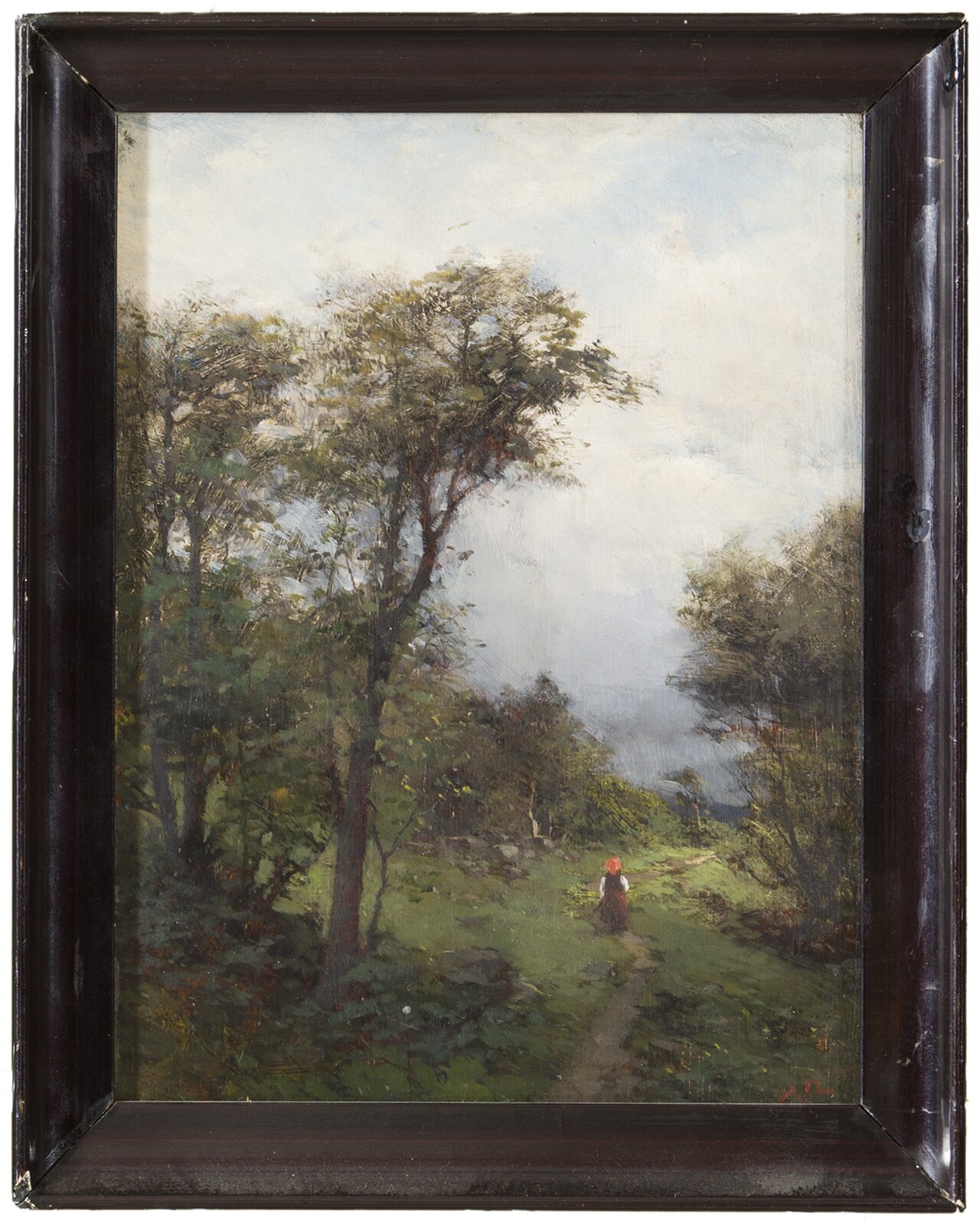
Severin Nilsson (1846–1918) was a Swedish painter and photographer whose work captured rural life and historical subjects in the late 19th and early 20th centuries. He is best known for paintings such as Gustav I mottager bibelöversättningen av bröderna Petri (1870), A Girl from Dalarna on the Road, and Winter Scene at Ropsten.
Notable works

Early life Johan Severin Nilsson was born in 1846 in the parish of Asige, a rural community in the province of Halland, Sweden. Little is recorded about his family background, but the agricultural setting of his childhood left a lasting impression that would later surface in his artistic subjects. As a young man, Nilsson displayed an aptitude for drawing and a curiosity about the emerging technology of photography, which was gaining popularity in Sweden during the mid‑19th century. He received his first informal instruction from local craftspeople and later attended regional drawing schools that were part of the expanding Swedish art education system.
Career and style By the 1860s Nilsson had moved to larger towns where he could access a broader artistic community. He worked both as a painter and a photographer, a dual practice that was not uncommon at the time. His paintings are characterised by a clear, realist approach that reflects the influence of the Swedish National Romantic movement, even though he is not formally attached to any specific school. Nilsson favoured genre scenes—depictions of everyday life, folk customs, and historical episodes—rendered with meticulous attention to detail and a restrained colour palette that emphasises atmosphere over dramatic contrast.
Throughout his career Nilsson exhibited regularly at regional art societies and at the Royal Swedish Academy of Fine Arts in Stockholm. While he never achieved the fame of contemporaries such as Carl Larsson, his work was respected for its sincerity and its ability to document Swedish cultural heritage at a time of rapid industrialisation. In addition to painting, Nilsson maintained a modest photographic studio, producing portraiture and documentary images that complemented his painted oeuvre.
Signature techniques Nilsson’s paintings reveal a consistent set of technical choices. He employed a tight underdrawing, often executed in charcoal, to establish the composition before applying oil layers. His brushwork is generally smooth, allowing forms to blend seamlessly and giving his canvases a polished finish. Light is treated with subtle gradations; rather than stark chiaroscuro, Nilsson preferred diffused illumination that suggests overcast or indoor lighting, reinforcing the quiet mood of his subjects.
In his photographs, Nilsson utilised the wet‑plate collodion process, which afforded fine detail and a relatively short exposure time. This technique enabled him to capture the texture of traditional clothing and the nuances of rural architecture with a level of fidelity that informed his painted representations. The cross‑pollination between his photographic and painted practices is evident in the way his paintings often possess a photographic clarity of form.
Major works - **Gustav I mottager bibelöversättningen av bröderna Petri (1870)** – This historical canvas portrays King Gustav I of Sweden receiving a Bible translation from the Petri brothers, a pivotal moment in Swedish religious history. Nilsson situates the monarch within an interior setting, using subdued lighting to highlight the solemnity of the exchange. The work demonstrates his skill in rendering historical costume and his interest in national identity.
- A Girl from Dalarna on the Road – In this genre piece, a young woman dressed in traditional Dalarna folk costume walks along a country road. The composition captures the movement of the figure against a landscape of rolling hills and distant farms. Nilsson’s attention to the intricate embroidery of the dress and the natural setting provides a vivid record of regional dress and customs.
- Winter Scene at Ropsten – This winter landscape depicts the frozen waters of Ropsten, a coastal area near Stockholm, with skaters and fishermen navigating the ice. The painting’s muted blues and whites convey the chill of the season, while the subtle play of light on the ice surface showcases Nilsson’s ability to render atmospheric conditions.
Each of these works reflects Nilsson’s commitment to portraying Swedish life with authenticity, whether through historical narrative, folk portraiture, or landscape.
Influence and legacy Although Nilsson did not found a distinct artistic movement, his body of work contributes to the visual record of 19th‑century Sweden. By documenting rural dress, architecture, and historical episodes, he provided later scholars with valuable reference material for cultural studies. His photographs, now archived in Swedish museum collections, are occasionally cited in research on early photographic practice in Scandinavia.
In the decades following his death in 1918 in the Engelbrekt church parish, Nilsson’s paintings have been exhibited in regional museums, particularly those focusing on provincial art. The enduring appeal of his work lies in its quiet, observational quality—a visual counterpart to the literary realism of Swedish authors such as August Strindberg. Contemporary Swedish artists who explore heritage themes sometimes acknowledge Nilsson’s meticulous documentation as a precedent for integrating history into visual practice.
Overall, Severin Nilsson remains a representative figure of a generation of Swedish artists who balanced the demands of modernity with a deep reverence for local tradition, leaving a modest yet meaningful legacy within the nation’s artistic heritage.
Frequently asked questions
Who was Severin Nilsson?
Severin Nilsson (1846–1918) was a Swedish painter and photographer known for realistic genre scenes and historical subjects.
What artistic style or movement is he associated with?
He worked in a realist style influenced by the Swedish National Romantic movement, though he is not formally linked to any specific school.
What are his most famous works?
His best‑known paintings include Gustav I mottager bibelöversättningen av bröderna Petri (1870), A Girl from Dalarna on the Road, and Winter Scene at Ropsten.
Why is Severin Nilsson important in art history?
He provides a detailed visual record of 19th‑century Swedish life, customs, and historical moments, bridging painting and early photography.
How can I recognise a painting by Severin Nilsson?
Look for smooth brushwork, subdued lighting, careful rendering of folk costume or historical detail, and a calm, documentary quality typical of his realist approach.