Per Wickenberg
1812 – 1846
In short
Per Wickenberg (1812‑1846) was a Swedish painter from Malmö who specialised in landscape scenes that included human figures, working in a modest Romantic style before his early death in Pau, France.
Notable works
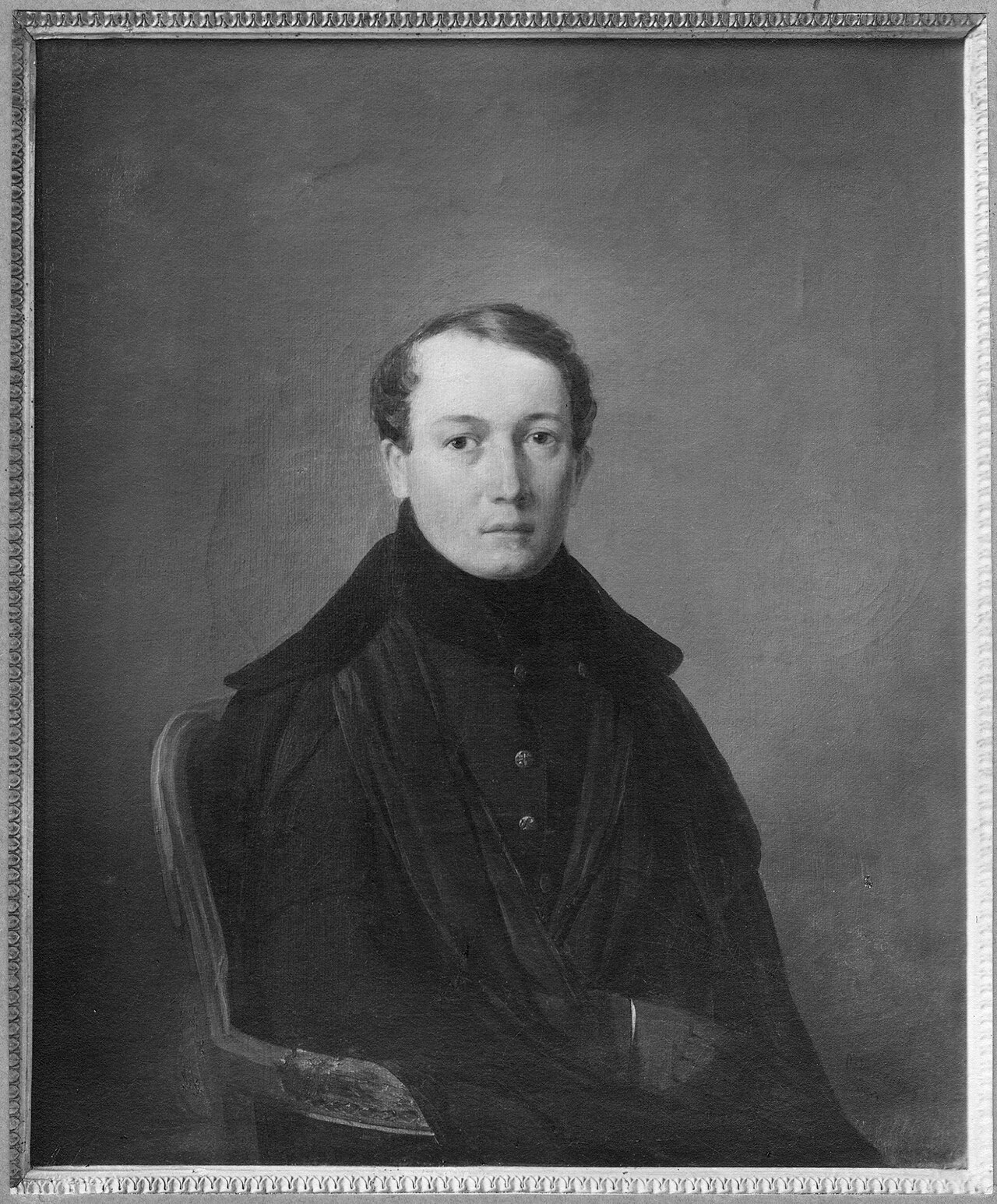


Early life Per Wickenberg was born Petter Gabriel Wickenberg in Malmö in 1812. Little is recorded about his family, but the coastal environment of southern Sweden left an early impression on his sensibility. He displayed an aptitude for drawing from a young age, and his talent was recognised by local teachers who encouraged him to pursue formal training.
Career and style Wickenberg moved to Stockholm in his late teens to study art, where he was exposed to the teaching of the Royal Swedish Academy of Fine Arts. The dominant trends of the period—Romanticism and a growing interest in national landscapes—shaped his development. He specialised in landscape painting that incorporated human figures, a genre that allowed him to combine the atmospheric qualities of the Swedish countryside with narrative elements. His work is characterised by a muted colour palette, careful observation of light, and a calm, almost documentary approach to everyday subjects.
Signature techniques Wickenberg employed a restrained brushwork that suggested form without excessive detail. He often painted en plein air to capture the quality of natural light, then refined his compositions in the studio. Figures are rendered with a modest realism; he preferred to integrate them subtly into the surrounding environment, using colour and shadow to bind the human element to the landscape. His drawings display a confident line that conveys both texture and movement.
Major works Among the works that have survived, several illustrate his thematic interests. The portrait of Carl August Adlersparre (1810‑1862) demonstrates his ability to render a dignified likeness while hinting at the sitter’s social status. The “Rofylld figurgrupp i landskap” (a richly coloured figure group in a landscape) showcases his skill in arranging multiple figures within a natural setting, creating a balanced composition that emphasizes the harmony between people and nature. “Allmogekvinna med barn på ryggen” (a peasant woman with a child on her back) reflects his empathy for rural life, portraying a common subject with respect and subtle dignity. The 1844 painting “Hund liggande i länstol” captures a domestic scene with a dog reclining on a provincial chair, revealing his attention to everyday detail and his ability to convey a sense of quiet domesticity. Finally, his 1836 self‑portrait offers insight into his self‑perception; the work is modest in scale but confident in execution, providing a rare glimpse of the artist’s own visage and artistic identity.
Influence and legacy Per Wickenberg’s career was cut short by his early death in Pau, France, in 1846, limiting the number of works he produced. Nevertheless, his paintings contributed to a growing appreciation of Swedish rural life and landscape in the first half of the 19th century. His integration of figures within natural scenery anticipated later developments in genre painting and influenced younger Swedish artists who sought to depict national subjects with authenticity. Although he never achieved widespread fame beyond Sweden, his surviving works are valued by museums and collectors for their quiet observation of everyday life and their technical competence.
Frequently asked questions
Who was Per Wickenberg?
Per Wickenberg was a Swedish painter (1812‑1846) from Malmö who specialised in landscapes that included human figures, working in a modest Romantic style.
What artistic style or movement is he associated with?
He worked within the Romantic tradition, focusing on naturalistic Swedish landscapes and genre scenes that combined figures with scenery.
What are his most famous works?
Key works include the portrait of Carl August Adlersparre, the figure group ‘Rofylld figurgrupp i landskap’, ‘Allmogekvinna med barn på ryggen’, the 1844 ‘Hund liggande i länstol’, and his 1836 self‑portrait.
Why is Per Wickenberg important in art history?
He contributed to early 19th‑century Swedish art by portraying everyday rural life with a calm realism, influencing later artists who sought authentic national subjects.
How can I recognise a painting by Per Wickenberg?
Look for muted colours, careful light treatment, modestly rendered figures integrated into a natural landscape, and a restrained brushwork that suggests form without excessive detail.