Per Krafft the Elder
1724 – 1793
In short
Per Krafft the Elder (1724–1793) was a Swedish portrait painter from Arboga, noted for his depictions of notable 18th‑century figures. He worked mainly in Stockholm, producing a series of refined, middle‑class portraits, and was the father of the later artists Per Krafft the Younger and Wilhelmina Krafft.
Notable works
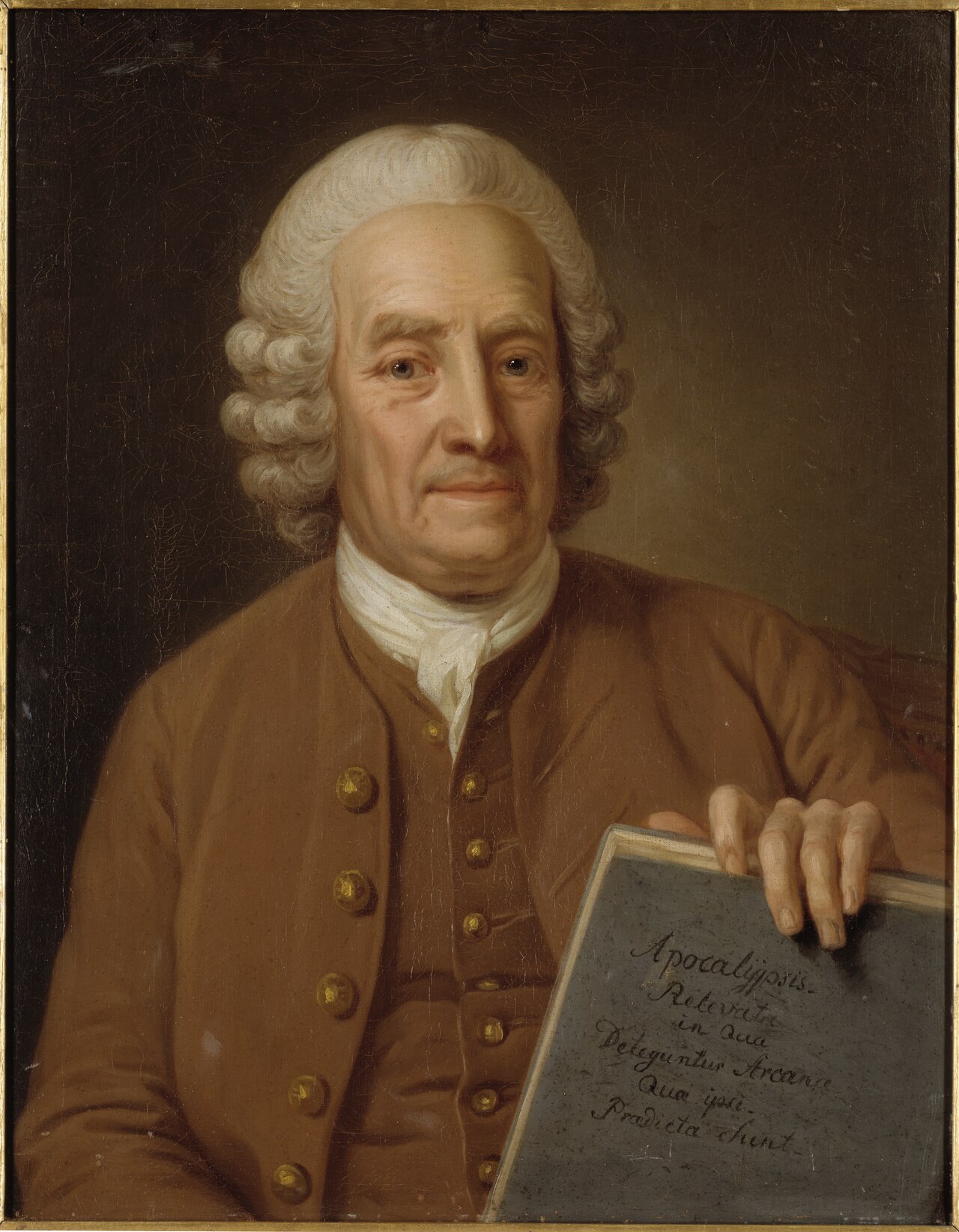

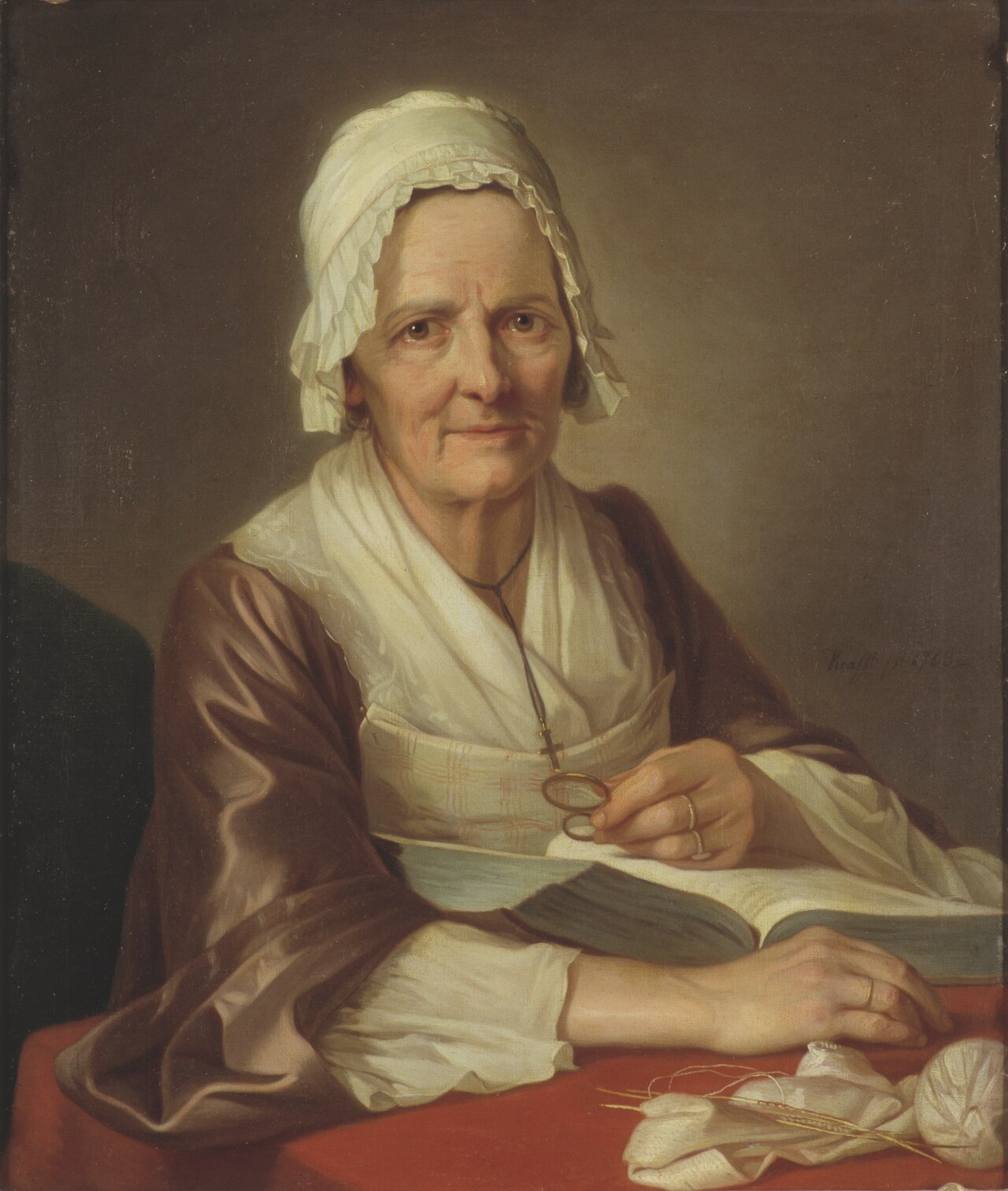
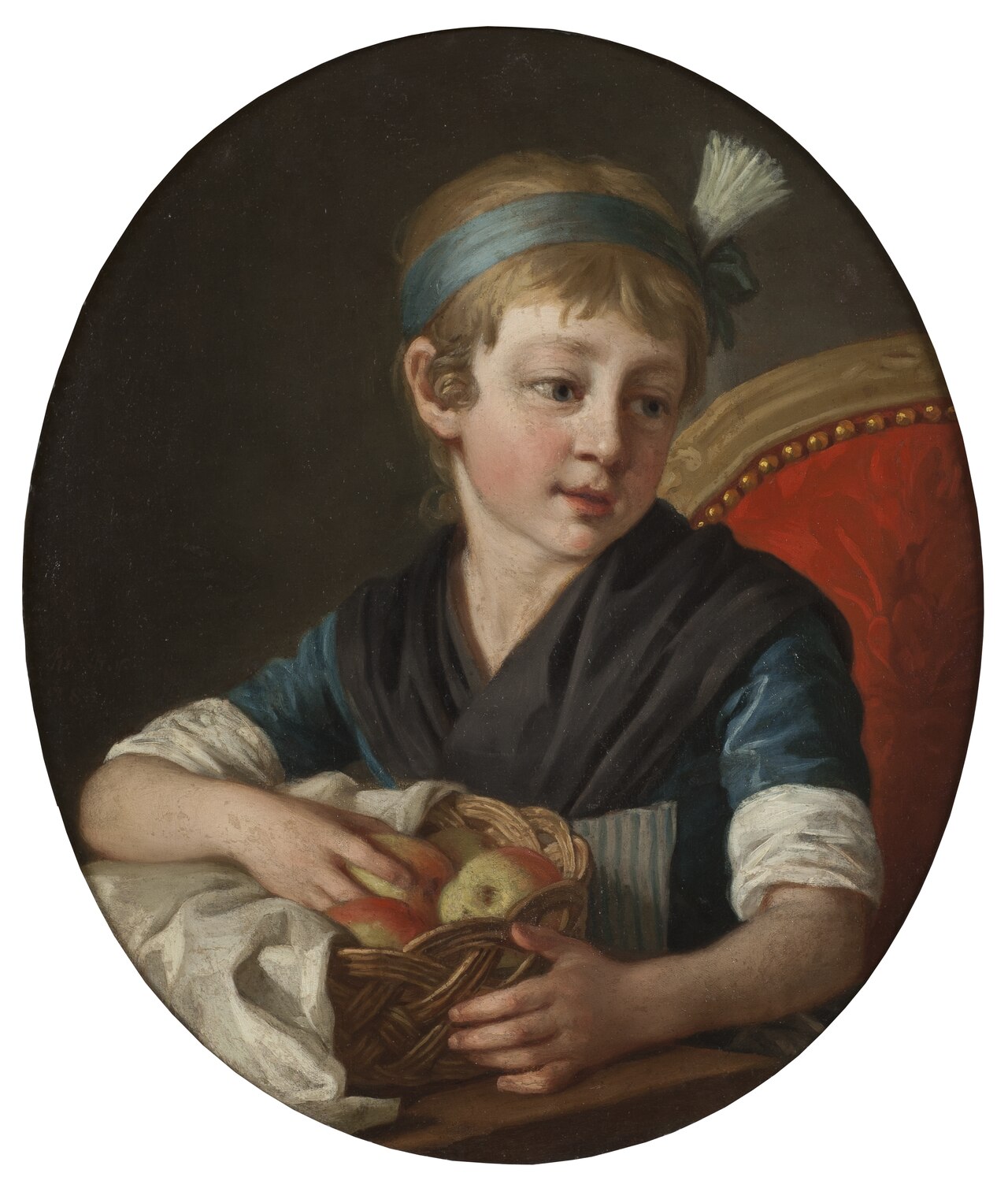
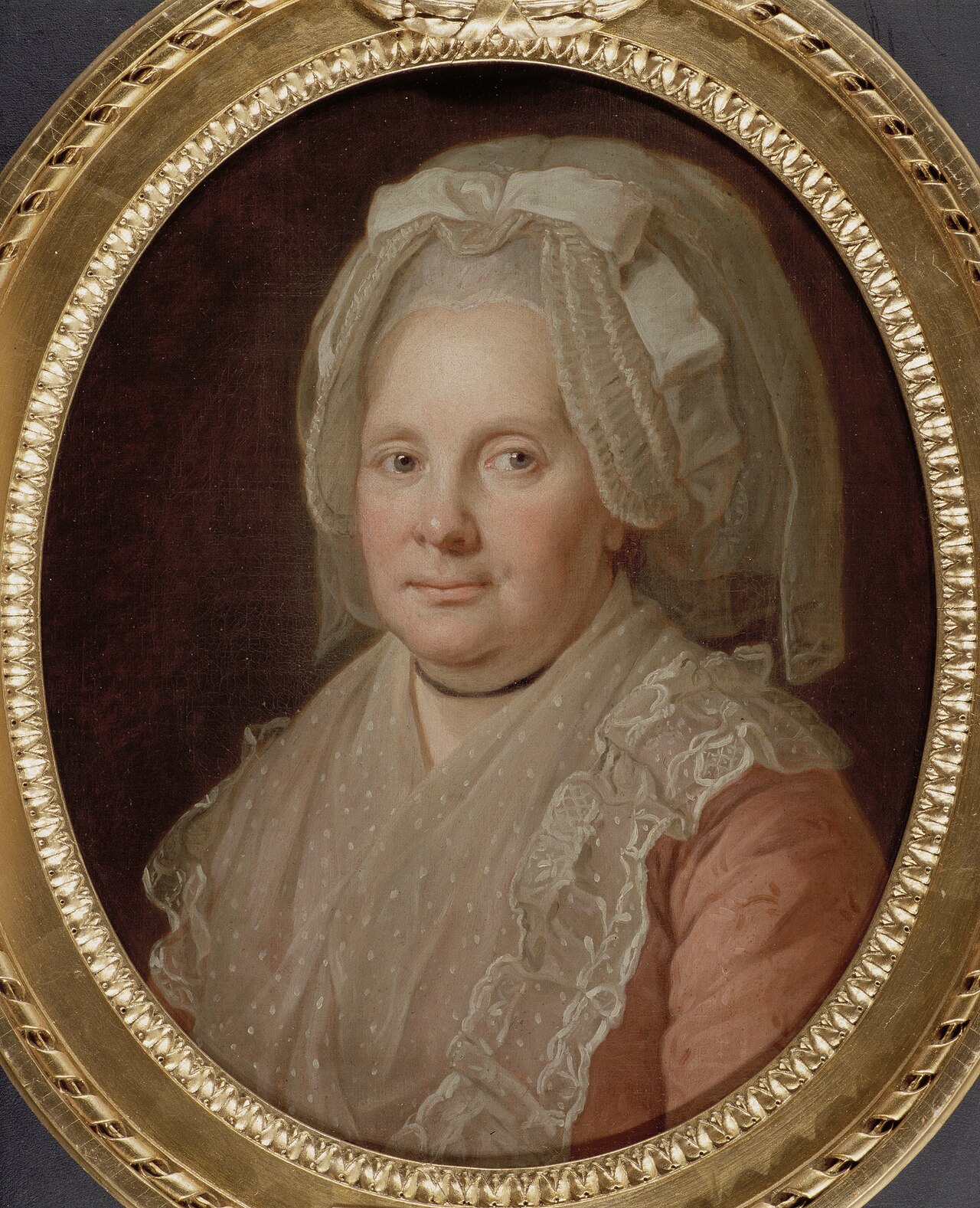
Early life Per Krafft the Elder was born in 1724 in the market town of Arboga, Sweden. Little is recorded about his childhood, but the artistic environment of mid‑18th‑century Sweden provided a fertile ground for his developing talent. He likely received his first training locally before moving to Stockholm, the cultural hub where most court and bourgeois commissions were centred. In Stockholm he would have encountered the workshops of established portraitists and the influence of the Royal Academy of Arts, which was shaping Swedish artistic standards at the time.
Career and style By the 1750s Krafft had established himself as a professional portraitist, catering to a clientele that included civil servants, clergy, and members of the emerging middle class. His work reflects the broader European trend toward naturalistic representation combined with a restrained elegance that was fashionable in the Swedish capital. While the precise art‑historical movement with which he is associated remains undefined, his portraits align with the late Baroque and early Neoclassical sensibilities that dominated northern Europe in the second half of the 18th century. Krafft’s compositions typically position the sitter in a modest interior, allowing the face and hands to dominate the visual narrative. The background often contains subtle references to the sitter’s profession or status, such as books, instruments, or modest furnishings.
Signature techniques Krafft’s technique is characterised by a careful modelling of flesh tones, achieved through layered glazes that create a luminous skin quality. He favoured a muted colour palette—soft ochres, greys and earth tones—punctuated by richer accents in the clothing or accessories. The brushwork is smooth in the facial area, while the garments display a slightly looser handling that conveys texture without detracting from the overall compositional harmony. Light is employed to sculpt the features, often falling from the left-hand side, a convention that highlights the sitter’s profile and creates a sense of depth. Krafft also paid particular attention to the rendering of eyes, using fine highlights to convey a sense of presence and individuality.
Major works Among Krafft’s surviving oeuvre are several works that illustrate his range and the circles in which he moved.
- Emanuel Swedenborg, ämbetsman (1766) – This portrait depicts the renowned Swedish scientist and theologian in his official capacity. Krafft captures Swedenborg’s dignified bearing, with a subtle play of light across the subject’s face that emphasizes both intellect and humility.
- Portrait of Ignacy Krasicki (1767) – Painted a year after the Swedenborg portrait, this work shows the Polish poet and bishop. Krafft presents Krasicki with a calm, introspective expression, his hands gently folded, underscoring the intellectual gravitas of the sitter.
- Old Woman (1768) – Unlike the formal commissions, this piece offers a glimpse into Krafft’s ability to render everyday subjects. The elderly figure is portrayed with a compassionate realism, her weathered skin rendered in delicate layers that convey both age and dignity.
- The Artist’s Daughter Wilhelmina (1783) – A more intimate work, this portrait of Krafft’s own daughter reflects a tender familial affection. The composition is softer, the colours warmer, and the brushwork more expressive, hinting at the personal connection between artist and model.
- Portrait of a Lady (1788) – One of the later dated works, this painting presents a fashionable woman of the Swedish elite. The dress is rendered with meticulous attention to fabric texture, while the sitter’s gaze, directed slightly off‑canvas, suggests a poised confidence.
These works collectively demonstrate Krafft’s consistency in capturing likeness, his adaptability to both public and private commissions, and his capacity to convey the social nuances of his subjects.
Influence and legacy Per Krafft the Elder’s legacy is twofold. First, his portraits constitute an important visual record of Swedish society in the late‑enlightenment period, documenting the faces of intellectuals, officials and everyday citizens alike. His careful observation and restrained elegance set a standard for Swedish portraiture that persisted into the early 19th century. Second, his familial influence extended through his children. His son, Per Krafft the Younger, pursued a successful artistic career, while his daughter Wilhelmina Krafft also became a recognised painter, suggesting that the elder Krafft’s workshop functioned as a training ground that nurtured the next generation of Swedish talent. Though not associated with a specific movement, Krafft remains a respected figure in Swedish art history, appreciated for his technical proficiency and his role in bridging the artistic traditions of the Baroque era with the emerging Neoclassical taste.
Krafft died in 1793 in the Klara Church Parish of Stockholm, leaving behind a body of work that continues to be studied for its insight into 18th‑century Swedish portraiture and its subtle synthesis of European artistic currents.
Frequently asked questions
Who was Per Krafft the Elder?
He was an 18th‑century Swedish portrait painter (1724–1793) known for his refined depictions of notable figures and everyday subjects.
What artistic style or movement is he associated with?
Krafft is not linked to a specific movement, but his work reflects the late Baroque and early Neoclassical tendencies prevalent in northern Europe during his lifetime.
What are his most famous works?
Key works include the portraits of Emanuel Swedenborg (1766), Ignacy Krasicki (1767), the Old Woman (1768), his daughter Wilhelmina (1783), and a Portrait of a Lady (1788).
Why is Per Krafft the Elder important in art history?
He provided a valuable visual record of Swedish society in the Enlightenment era and helped shape the standards of Swedish portraiture, while also mentoring his artist children.
How can I recognise a painting by Per Krafft the Elder?
Look for smooth modelling of facial features, muted colour palettes with subtle lighting from the left, careful eye highlights, and a balanced composition that often includes modest interior details.