Olof Arenius
1700 – 1766
In short
Olof Arenius (1700–1766) was a Swedish portrait painter born in Bro and active in Stockholm. He is noted for his refined depictions of aristocratic subjects, including portraits of Fredrika Wrangel, Gustaf Henrik Mannerheim, and Nils Palmstierna.
Notable works
,_baroness,_married_to_baron_Daniel_Tilas_-_NMGrh_2026_-_Nationalmuseum.jpg)
Early life Olof Arenius was born in 1700 in the small town of Bro, situated in the Swedish province of Uppland. Little is recorded about his family background, but contemporary sources indicate that he received an early education that included drawing lessons, a common practice for children of the emerging middle class in early‑18th‑century Sweden. By his teenage years he had moved to Stockholm, the cultural centre of the kingdom, where he could access the limited but growing network of artists, workshops, and academies.
Career and style Arenius established himself as a portrait specialist during a period when Swedish aristocracy increasingly sought visual documentation of lineage and status. The demand for high‑quality portraiture was driven by both private patronage and the royal court, which commissioned works for diplomatic exchange and domestic display. Arenius’ style reflects the lingering influence of the late Baroque and early Rococo sensibilities that dominated Northern Europe in the first half of the 18th century. His compositions are typically restrained, favouring a calm, dignified pose for the sitter against a muted background. The colour palette leans toward warm earth tones, and he often employs a subtle chiaroscuro to model the face and hands, giving a three‑dimensional presence without resorting to dramatic theatricality.
Signature techniques Arenius’ technical hallmarks centre on his meticulous rendering of facial features and textiles. He employed a fine, controlled brushstroke to capture the translucency of silk and the texture of lace, allowing the richness of aristocratic dress to complement, rather than dominate, the sitter’s expression. Light is introduced from a single, slightly off‑centre source, producing soft shadows that enhance the contours of the nose, cheekbones and jawline. In many of his works the eyes are rendered with a particular care, creating a sense of quiet introspection that invites the viewer into the portrait. Additionally, Arenius often used a thin glaze of lead‑white over the final layers to unify the tonal values and impart a subtle luminous quality to the skin.
Major works Arenius’ surviving oeuvre is modest but includes several notable commissions that illustrate his skill and the circles in which he worked.
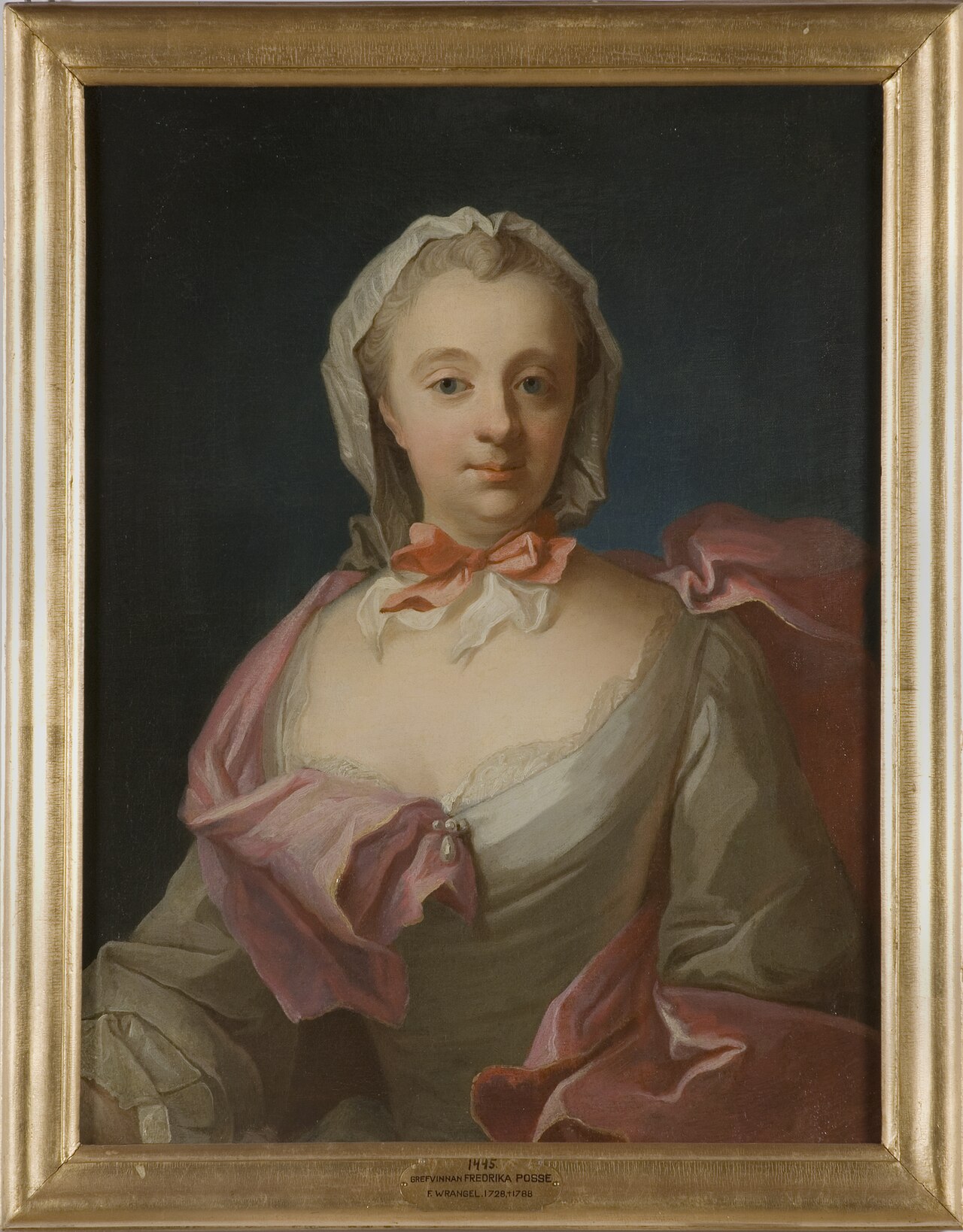
- Portrait of Fredrika Wrangel of Lindeberg (1750) – This work portrays the Swedish noblewoman Fredrika Wrangel (1728–1788) at the height of her social prominence. The painting shows her in a lavish gown of deep burgundy, the fabric rendered with precise attention to the play of light on the silk. Her gaze is directed slightly to the left, suggesting a contemplative mood. The portrait exemplifies Arenius’ capacity to balance decorative detail with an intimate psychological presence.
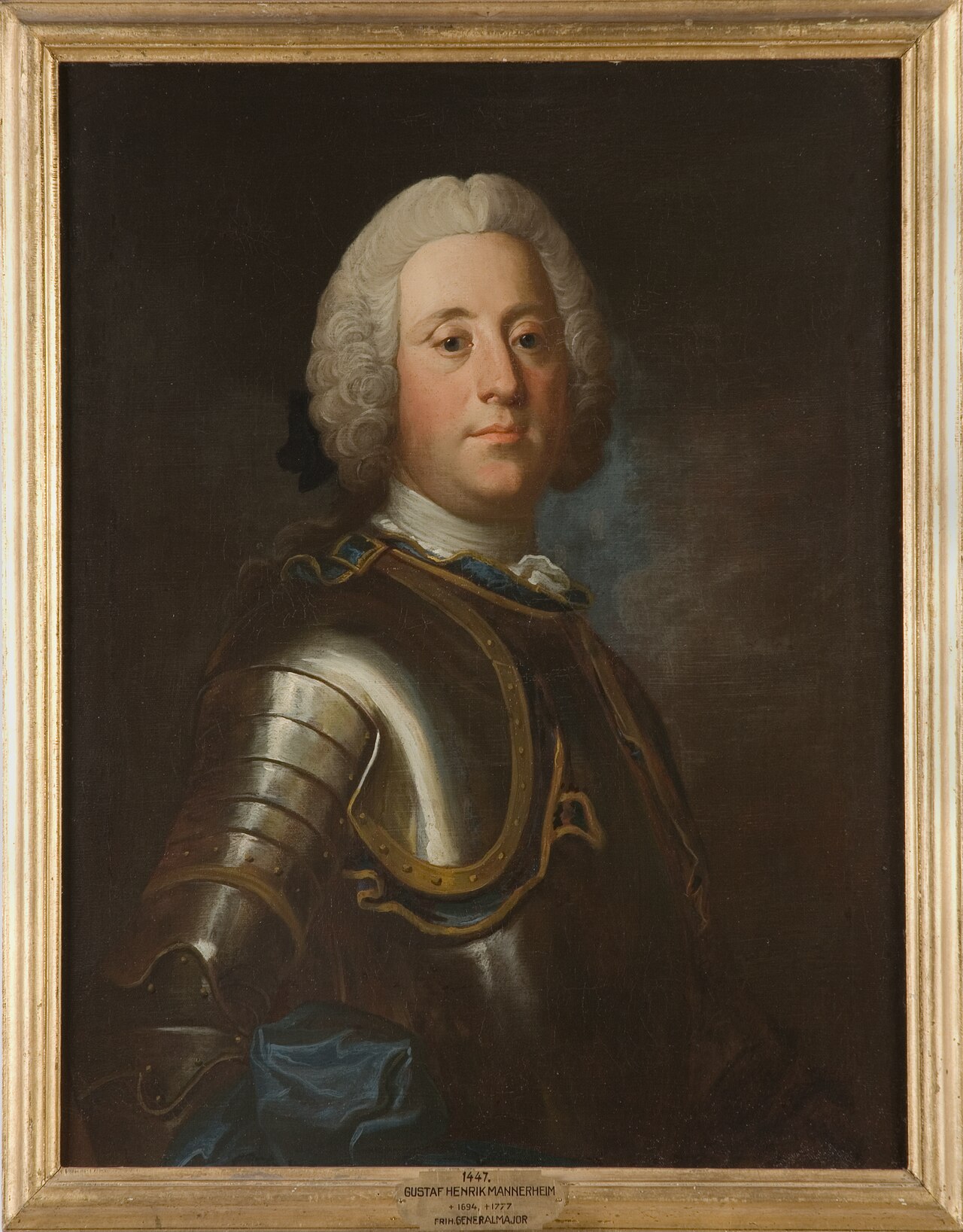
- Portrait of Gustaf Henrik Mannerheim (date unknown) – In this portrait, Arenius captures the distinguished military figure Gustaf Henrik Mannerheim (1695–1777). The sitter is depicted in a formal uniform, the insignia of rank clearly visible. Arenius’ handling of the metallic textures of the buttons and epaulettes demonstrates his technical dexterity, while the background remains a muted, neutral tone that keeps the focus on the subject.
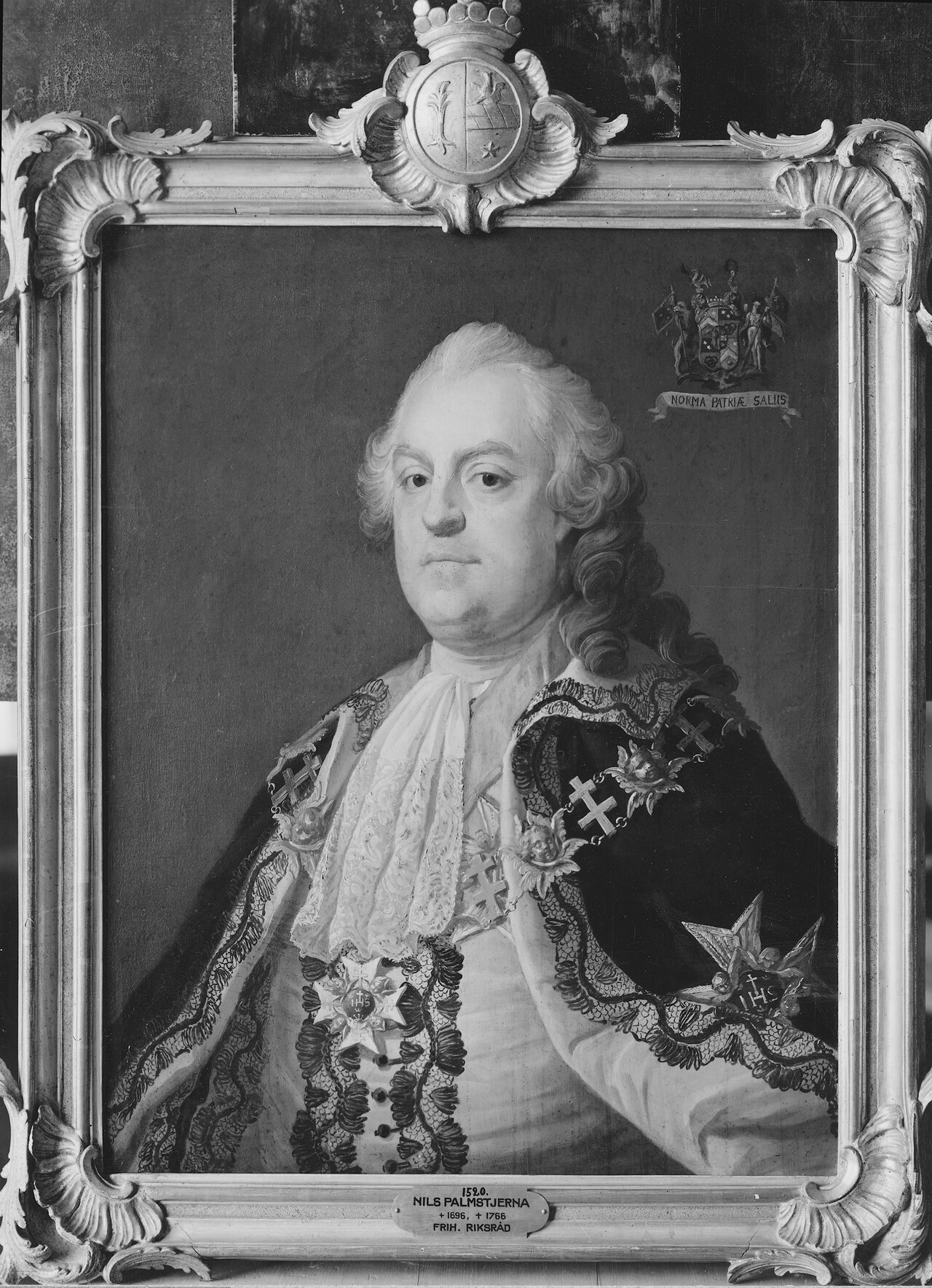
- Portrait of Nils Palmstierna (1755) – Painted when Palmstierna (1696–1766) was approaching the end of his career, this portrait presents the sitter in an elegant, yet restrained, attire. The soft modelling of the face and the delicate rendering of the hair are characteristic of Arenius’ mature style. The work is notable for its subtle colour harmony, with the sitter’s coat echoing the warm tones of the surrounding space.
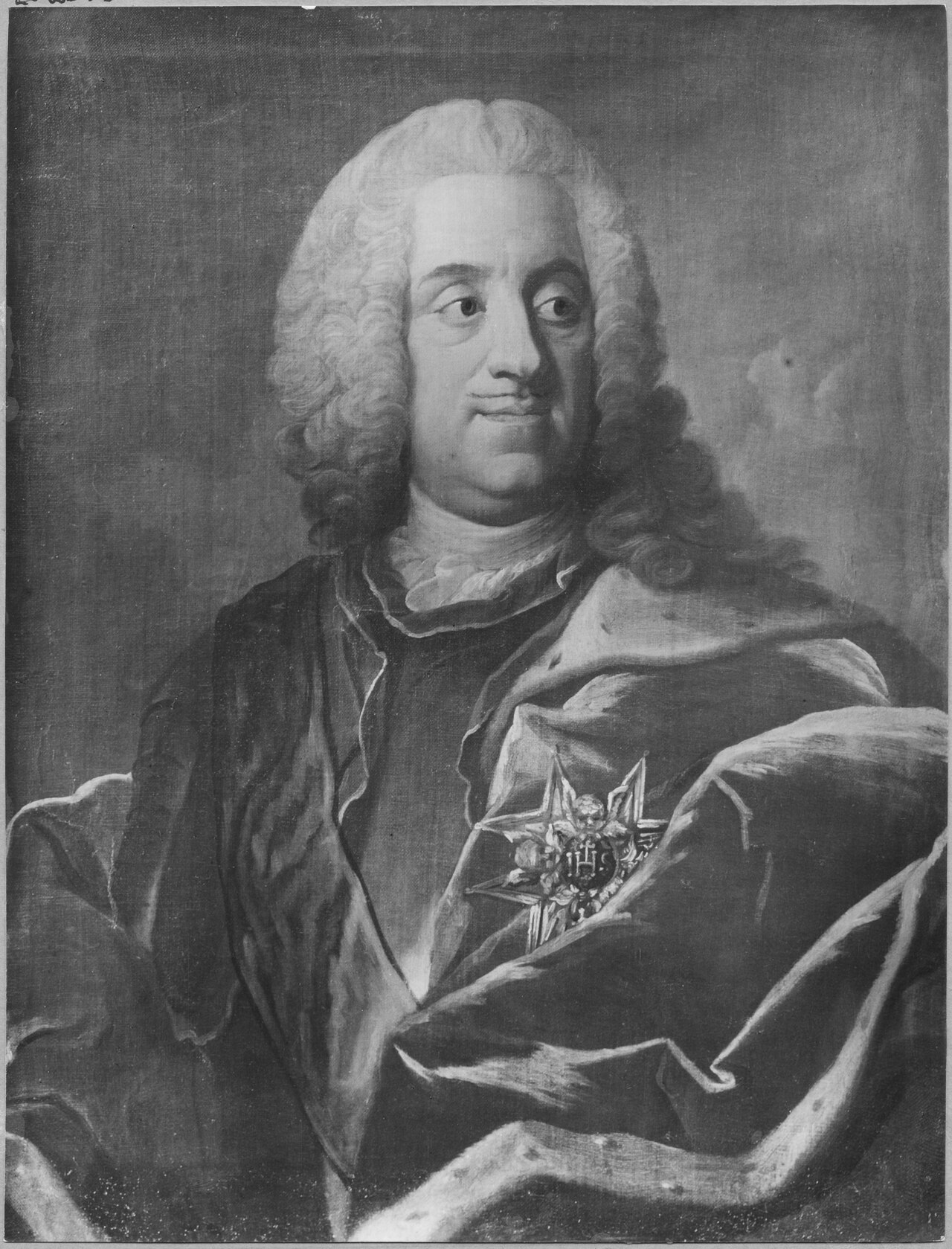
- Portrait of Ture Gabriel Bielke (date unknown) – The count, councillor and major general Ture Gabriel Bielke (1684–1763) appears in a portrait that underscores his status through the inclusion of military regalia and a dignified pose. Arenius includes in the composition the two countesses to whom Bielke was married: Charlotta Christina Piper and Anna Margareta Oxenstierna of Croneborg. Their presence, rendered with equal care, adds a narrative dimension that reflects the importance of family alliances in Swedish noble society.
- Portrait of Hedvig Reuterholm (date unknown) – Hedvig Reuterholm (1719–1741), a baroness married to Baron Daniel Tilas, is depicted with a serene expression, her dress adorned with delicate lace. The portrait’s composition, with the sitter slightly turned toward the viewer, demonstrates Arenius’ skill in creating a sense of immediacy while maintaining the decorum expected of aristocratic portraiture.
These works collectively illustrate Arenius’ role as a chronicler of Sweden’s elite, offering visual records that combine accurate likeness with an aesthetic refinement suited to the tastes of the period.
Influence and legacy Although Olof Arenius never founded a formal school or movement, his portraits contributed to the consolidation of a distinctly Swedish portrait tradition in the mid‑18th century. By adhering to the conventions of European portraiture while integrating local sartorial details, he helped shape the visual language that would be inherited by later Swedish artists, such as Alexander Roslin and Johan Henrik Scheffel. His meticulous technique set a standard for subsequent portraitists, particularly in the rendering of textiles and the subtle modelling of flesh tones.
Arenius’ works remain part of the collections of Swedish museums, including the Nationalmuseum in Stockholm, where they are studied for their insight into the social hierarchies and fashion of the period. Modern scholarship often cites his portraits as primary visual sources for genealogical research among the Swedish nobility. While the artist himself did not achieve widespread fame beyond his native country during his lifetime, his contribution to the documentation of Swedish aristocratic identity ensures his continued relevance in art‑historical discourse.
Overall, Olof Arenius stands as a representative figure of Sweden’s early modern artistic scene—a painter whose careful observation, technical proficiency, and sensitivity to the cultural expectations of his patrons produced a body of work that still informs our understanding of 18th‑century Swedish portraiture.
Frequently asked questions
Who was Olof Arenius?
Olof Arenius (1700–1766) was a Swedish portrait painter born in Bro who worked primarily in Stockholm, creating refined portraits of aristocratic subjects.
What artistic style or movement is he associated with?
Arenius worked in a late Baroque to early Rococo style, characterised by restrained compositions, subtle chiaroscuro, and careful attention to texture and colour.
What are his most famous works?
His notable portraits include the 1750 portrait of Fredrika Wrangel of Lindeberg, the 1755 portrait of Nils Palmstierna, and portraits of Gustaf Henrik Mannerheim, Ture Gabriel Bielke, and Hedvig Reuterholm.
Why does Olof Arenius matter in art history?
He contributed to the development of a Swedish portrait tradition, documenting the appearance and attire of the 18th‑century nobility and influencing later Swedish portraitists.
How can I recognise an Olof Arenius painting?
Look for finely rendered faces with soft, luminous skin, meticulous detail in silk and lace, a muted background, and a subtle, single‑light source that creates gentle chiaroscuro.