Niclas Lafrensen
1737 – 1807
In short
Niclas Lafrensen (1737–1807) was a Swedish genre and miniature painter active in Paris and Stockholm, recognised as one of the leading European miniaturists of the late 18th century.
Notable works


Early life Niclas Lafrensen was born in Stockholm in 1737 to a modest family that valued education and the arts. Little is recorded about his childhood, but contemporary accounts suggest he displayed an early aptitude for drawing and a keen interest in the emerging trends of European portraiture. Stockholm in the mid‑18th century offered limited formal training for aspiring painters, so Lafrensen likely began his apprenticeship in a local workshop, where he was introduced to the delicate craft of miniature painting—a medium that required precision, fine brushwork, and an intimate understanding of colour.
Career and style In his early twenties Lafrensen travelled to Paris, the epicentre of artistic innovation at the time. Paris offered a thriving market for miniatures, which were prized as personal keepsakes among the aristocracy and burgeoning bourgeoisie. There he encountered the French Rococo aesthetic, characterised by lightness, elegance, and a focus on leisure scenes. These influences merged with his Swedish sensibility, producing a style that combined the French taste for graceful, decorative composition with the Nordic penchant for realistic detail and narrative depth.
Lafrensen’s oeuvre is principally genre‑focused, depicting everyday moments with a refined intimacy. His subjects often include women engaged in private activities—reading, dressing, or playing games—rendered with a softness that belies a meticulous observation of texture and fabric. While his work does not align neatly with any single movement, it reflects the transitional spirit of the late Enlightenment, bridging Rococo’s ornamental charm and the nascent Neoclassical emphasis on clarity and moral undertone.
Signature techniques Lafrensen’s miniatures are distinguished by several technical hallmarks. He employed a fine sable brush, allowing him to render delicate hair strands and intricate lacework with remarkable fidelity. His palette favoured muted earth tones punctuated by subtle highlights of rose and gold, creating a luminous effect that mimics the translucency of skin. The artist also mastered the use of layered varnish, a method that protected the delicate paint while enhancing colour depth, a practice that contributed to the longevity of his works.
Another characteristic technique was his compositional framing. Lafrensen often placed his figures within an intimate interior space, using a shallow depth of field to focus attention on the subject’s gesture or expression. This approach draws the viewer into the private moment, a hallmark of genre painting that he adapted skillfully to the miniature format.
Major works Among Lafrensen’s best‑known pieces are several miniatures that exemplify his thematic and technical concerns.
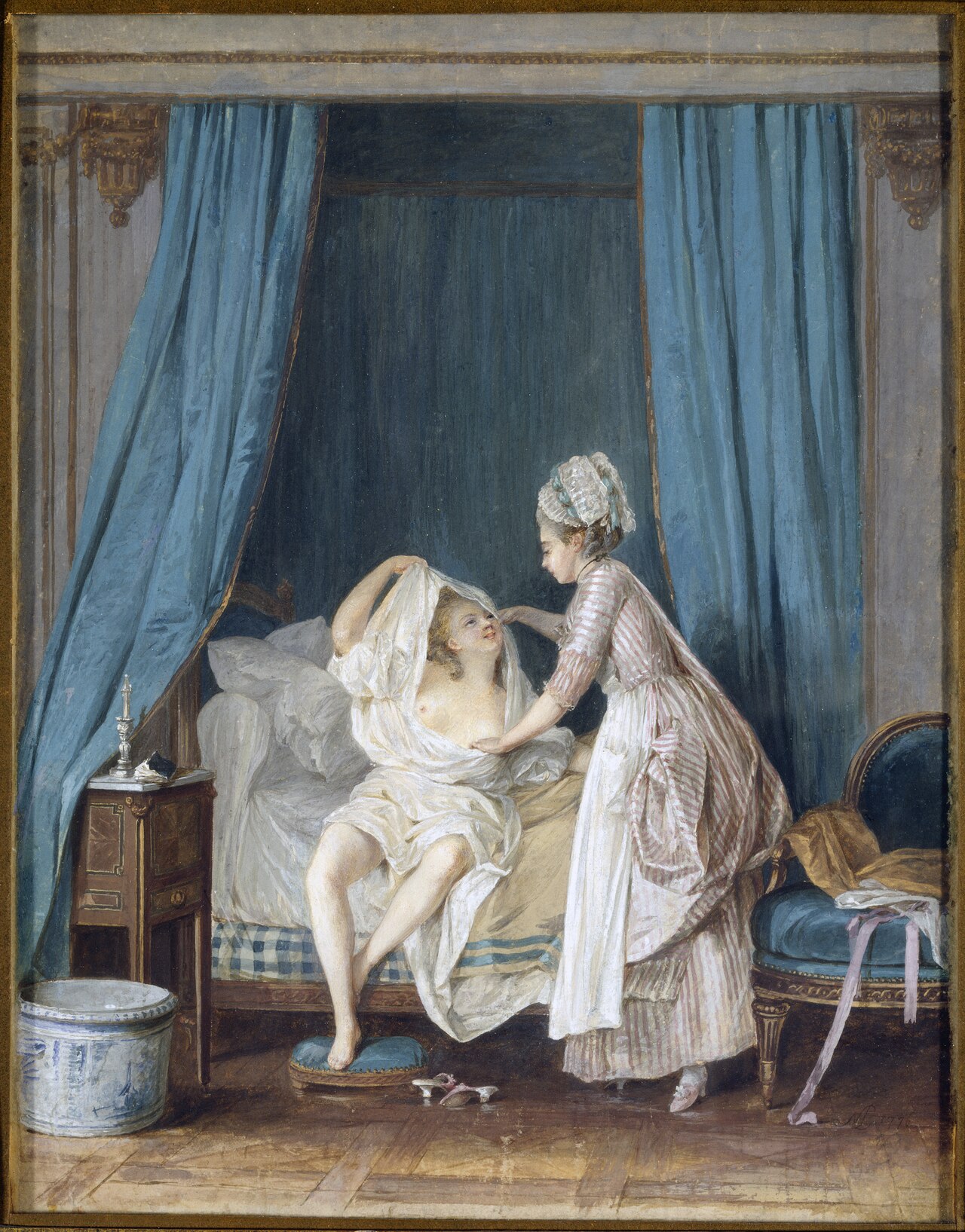
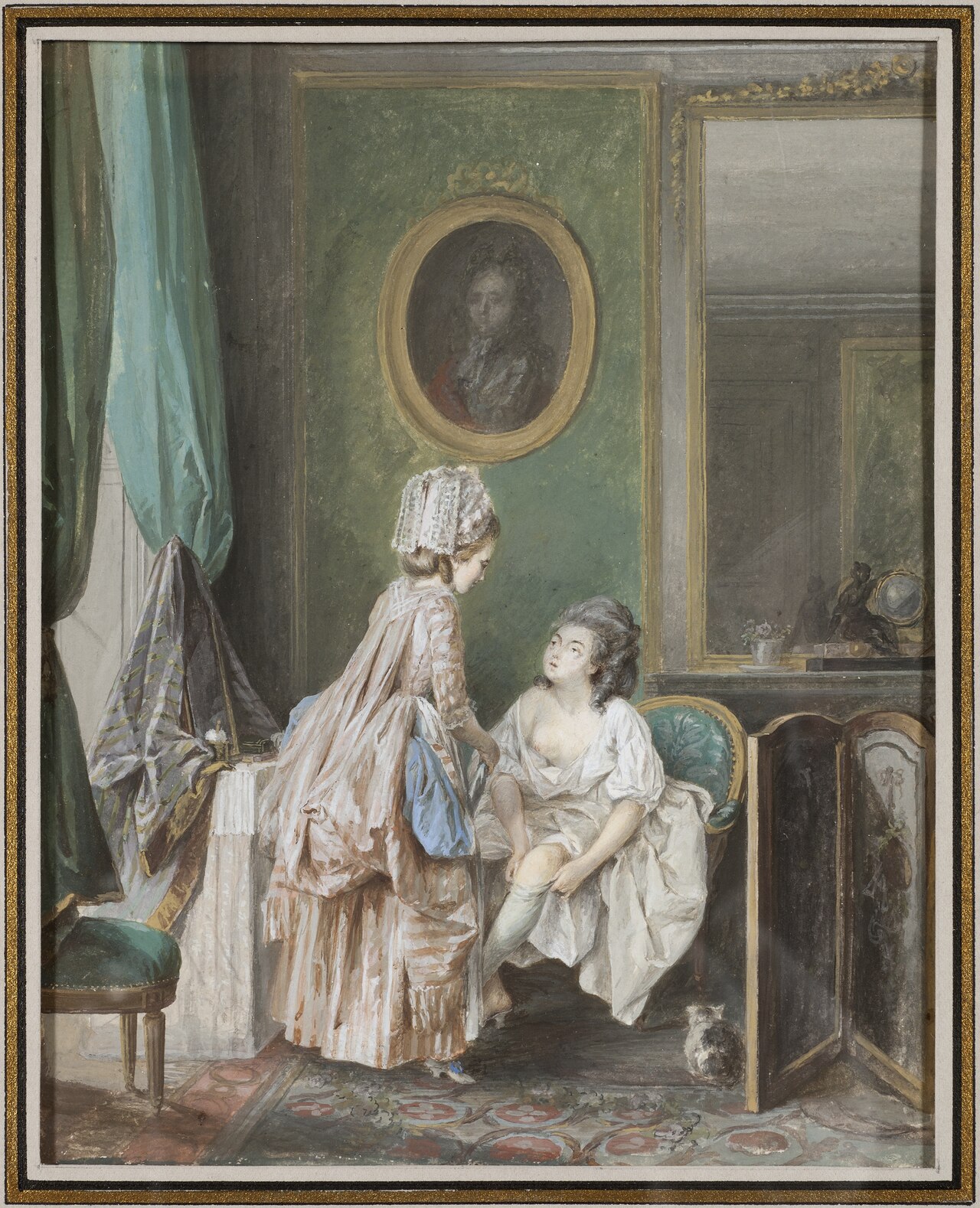
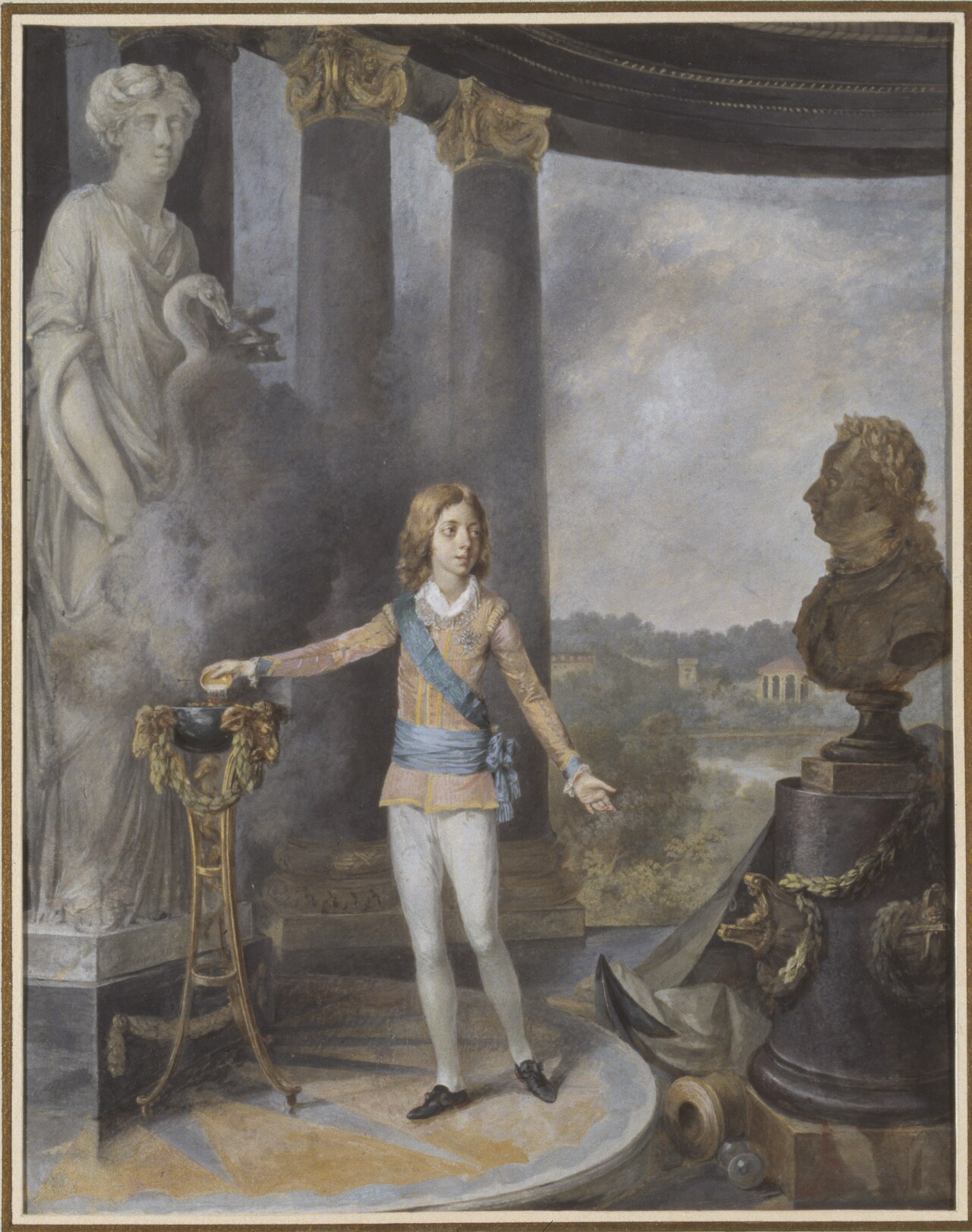
- The Bath – This work captures a solitary woman in a modest bathing scene. The delicate play of light on water and the soft rendering of the subject’s skin demonstrate Lafrensen’s mastery of translucency. - Ladies Playing Cards – A convivial tableau of two women engaged in a card game, this miniature showcases the artist’s ability to convey narrative tension and subtle social interaction within a confined space. - Lady Getting out of Bed (1776) – Dated 1776, the piece presents a young lady rising from a canopy bed. The composition highlights the drapery of the sheets and the gentle stretch of the figure, underscoring Lafrensen’s skill in depicting fabric. - Lady Pulling on her Stockings – Here the artist focuses on a private, momentary act, rendered with meticulous attention to the texture of the stockings and the tension of the figure’s posture. - King Gustav IV Adolf of Sweden Sacrifices to Hygia for his Father's Health (1792) – This larger narrative work departs from his usual domestic scenes, portraying the Swedish monarch performing a ritual offering to the goddess Hygia. The piece reflects both political symbolism and Lafrensen’s capacity for larger, more complex compositions.
Each of these works illustrates his consistent preoccupation with the everyday, rendered with a combination of elegance and realism that appealed to both French and Swedish patrons.
Influence and legacy Lafrensen’s reputation during his lifetime extended beyond Sweden; his Parisian connections placed him among a network of miniaturists who set the standards for the medium across Europe. His careful balance of Rococo lightness with a grounded, observational approach influenced younger Swedish artists who sought to bring international tastes to the Nordic court. Though the miniature genre waned with the rise of photography in the 19th century, Lafrensen’s surviving pieces continue to be studied for their technical brilliance and their insight into 18th‑century domestic life.
Modern scholars regard Lafrensen as a pivotal figure who helped elevate miniature painting from a decorative craft to a respected art form. His works are held in several European museum collections, where they serve as exemplars of the genre’s capacity to convey intimacy, narrative, and subtle social commentary. As interest in genre painting resurfaces, Lafrensen’s legacy endures as a testament to the enduring appeal of finely executed, personal visual storytelling.
Frequently asked questions
Who was Niclas Lafrensen?
Niclas Lafrensen (1737–1807) was a Swedish painter known for genre scenes and miniature portraits, active in both Paris and Stockholm.
What style or movement is he associated with?
He worked in a style that blended Rococo elegance with emerging Neoclassical clarity, but is primarily recognised as a leading 18th‑century miniaturist.
What are his most famous works?
Key pieces include *The Bath*, *Ladies Playing Cards*, *Lady Getting out of Bed* (1776), *Lady Pulling on her Stockings*, and the narrative *King Gustav IV Adolf of Sweden Sacrifices to Hygia for his Father's Health* (1792).
Why does he matter in art history?
Lafrensen is regarded as one of Europe’s chief miniaturists of the late 1700s, influencing both Swedish and French artistic circles and elevating miniature painting to a respected fine‑art discipline.
How can I recognise a Lafrensen miniature?
Look for finely brushed, translucent skin tones, detailed fabric rendering, intimate domestic scenes, and a subtle palette of muted earth colours highlighted with soft gold or rose accents.