Maria Röhl
1801 – 1875
In short
Maria Röhl (1801–1875) was a Swedish portrait artist renowned for her extensive series of watercolour and pastel likenesses of aristocrats, royalty and cultural figures in early‑19th‑century Sweden. She served as an official court portraitist, exhibited at the Nationalmuseum, and left a legacy of over 1 800 documented portraits preserved in the Royal Library.
Notable works
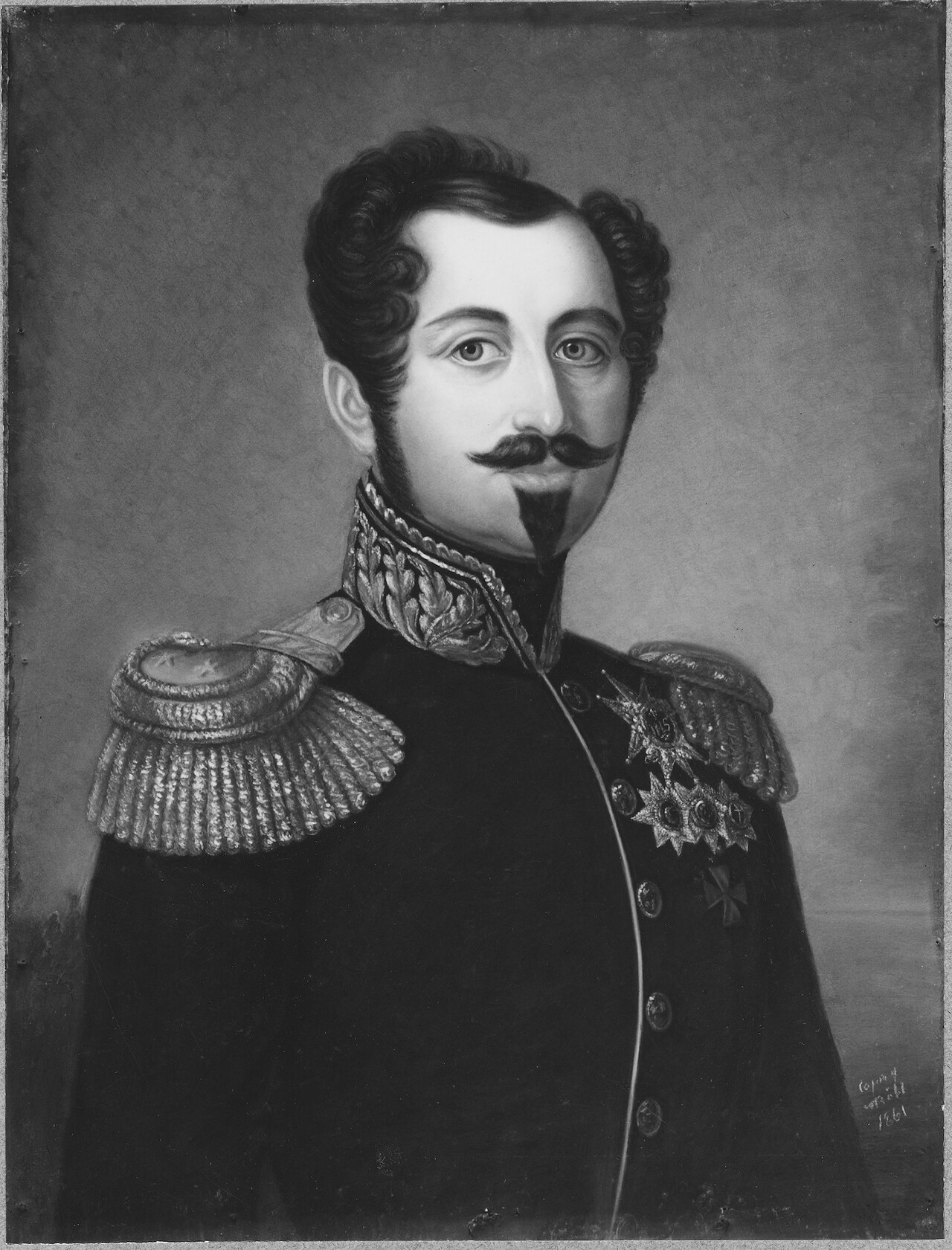

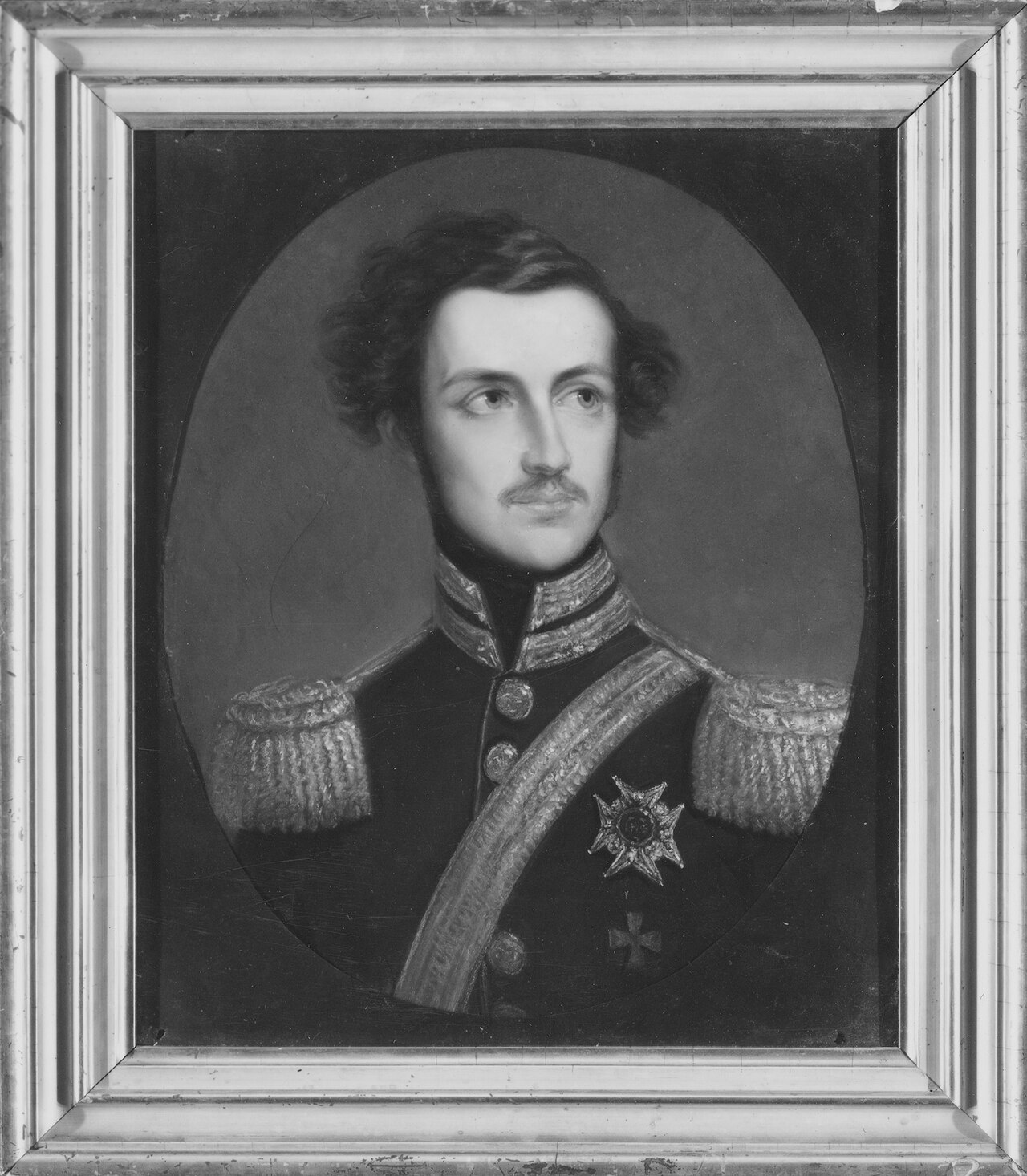
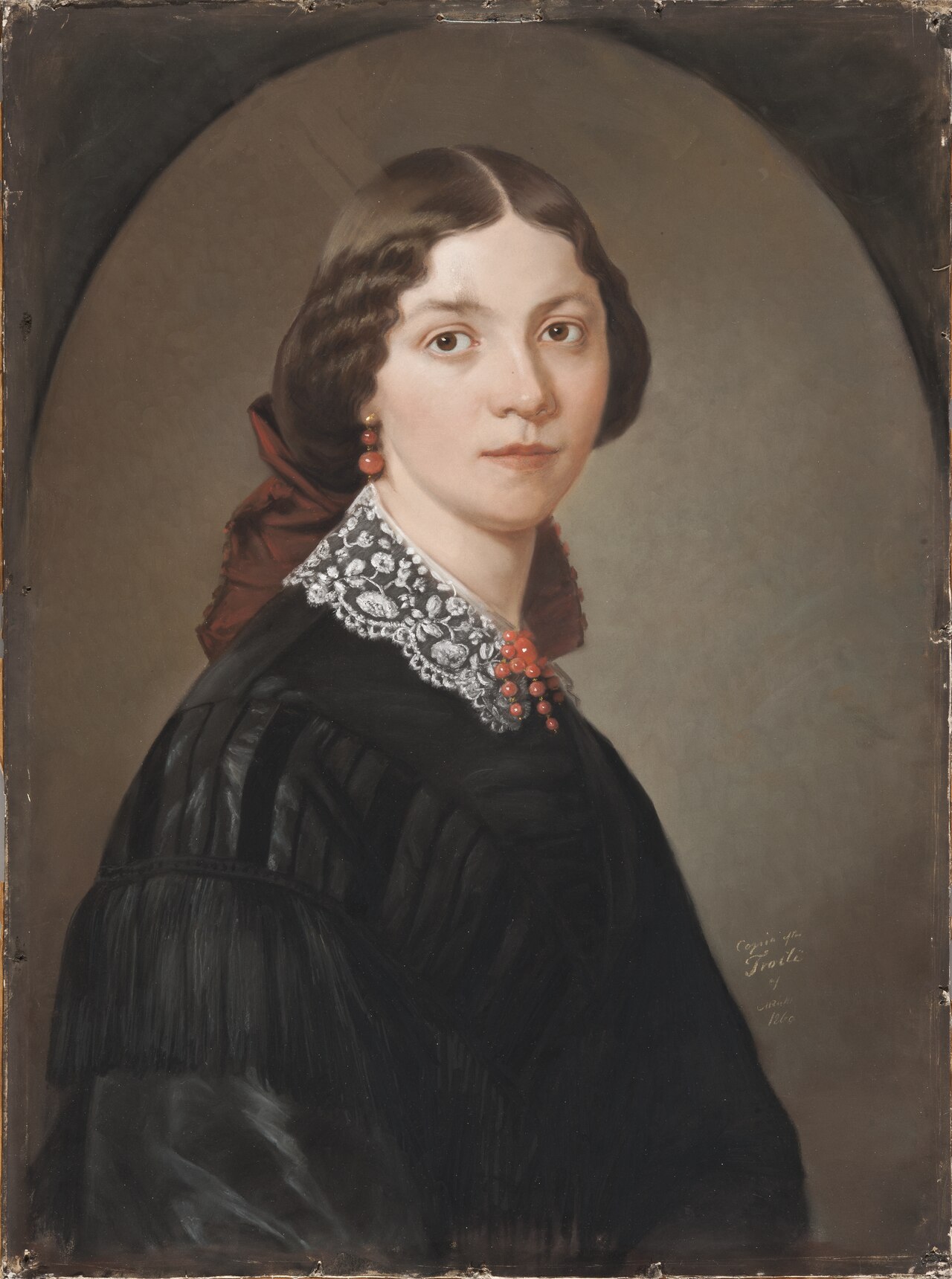
_Berwald,_g._%C3%85kerhielm_af_Margrethelund_(1822-1877),_operas%C3%A5ngerska,_gift_med_-_NMGrh_4358_-_Nationalmuseum.jpg)
Early life Maria Christina Röhl was born in 1801 in the bustling capital of Stockholm, Sweden. She grew up in a city that was rapidly modernising after the tumult of the Napoleonic wars, and the artistic climate of the early 19th century was dominated by the Royal Swedish Academy of Arts. Details of her family background are scarce, but archival records indicate that she received an early education in drawing, a skill that was encouraged for women of her social standing. By her teenage years she was already demonstrating a precocious talent for capturing likenesses, a gift that would later define her professional career.
Career and style Röhl’s professional life began in the 1820s, when she started taking commissions from the Stockholm bourgeoisie. Her work was primarily executed in watercolour and pastel, media that were popular for portraiture because of their immediacy and the delicate tonal range they offered. Röhl quickly gained a reputation for her ability to render both the physical features and the subtle character of her sitters. In 1843 she was elected a member of the Royal Swedish Academy of Arts, an honour that recognised her contribution to Swedish visual culture and placed her among the few women admitted to the academy at that time.
Although she is not formally linked to a specific artistic movement, Röhl’s style reflects the transition from the late‑18th‑century neoclassical idealisation to the more personal, naturalistic approach that characterised mid‑19th‑century portraiture. Her compositions tend to be straightforward, with the sitter placed against a muted background that emphasises facial expression and attire. The colour palette is restrained, often dominated by soft earth tones, allowing the viewer to focus on the subtle modelling of the features rather than decorative excess.
Signature techniques Röhl’s technique is distinguished by several recurring elements: 1. **Layered pastel application** – She built up colour in thin, overlapping strokes, creating a luminous skin tone that captured the translucency of flesh. 2. **Fine ink detailing** – For hair, eyes and clothing embellishments she employed fine ink lines, which added definition without sacrificing the softness of the pastel base. 3. **Expressive eyes** – A hallmark of her portraits is the meticulous rendering of the eyes, often highlighted with a delicate white spot to convey a sense of life and immediacy. 4. **Minimalist backgrounds** – By reducing background detail, Röhl directed attention to the sitter’s face and posture, a practice that also facilitated the rapid production of many portraits for a demanding clientele. 5. **Consistent scale** – Most of her works are life‑size or slightly smaller, a convention that reinforced the intimacy of the viewing experience. These techniques combined to produce portraits that were both technically accomplished and emotionally resonant.
Major works Röhl’s oeuvre includes a number of high‑profile commissions that illustrate both her skill and the range of her patronage.
- Oskar I (1799‑1859), King of Sweden and Norway – This official royal portrait, executed in pastel, captures the monarch in a dignified pose, wearing his regalia. Röhl’s careful attention to the details of the crown and the subtle shading of the king’s facial features reflect her ability to balance formality with a personal touch.
- Portrait of Marcus Larsson (1855) – A later work that demonstrates Röhl’s continued relevance into the mid‑19th century. The sitter, a respected figure of the time, is rendered with a softened palette, and the portrait showcases Röhl’s mature handling of light on the subject’s clothing and skin.
- Gustav (1827‑1852), arvsfurste, prins av Sverige och Norge, hertig av Uppland – This portrait of the young prince exhibits Röhl’s talent for depicting youthful aristocracy. The work’s delicate brushwork and the gentle modelling of the prince’s features convey both innocence and regal bearing.
- Charlotta "Lotten" Lindblad (1829‑1912), pianist and member of the Royal Swedish Academy of Music – Röhl portrayed Lindblad with a focus on her expressive eyes and the elegance of her attire, underscoring the artist’s capacity to capture the intellectual and artistic stature of her subjects.
- Julie (Julia Mathilda) Berwald, g. Åkerhielm af Margrethelund (1822‑1877), opera singer – This portrait highlights Röhl’s skill in rendering the dramatic presence of a performer. The composition includes subtle hints of stage lighting, and the careful rendering of the singer’s hair and costume demonstrates Röhl’s versatile approach to different social roles.
These works, together with the extensive collection of roughly 1 800 portraits preserved in the Swedish Royal Library, attest to Röhl’s prolific output and the breadth of her social network.
Influence and legacy Maria Röhl’s contribution to Swedish art history lies primarily in her documentation of an entire generation of the nation’s elite. By providing visual records of royalty, musicians, writers and aristocrats, she created a valuable archive for historians and scholars. Her portraits are regularly exhibited at the Nationalmuseum in Stockholm, where they are appreciated both for their aesthetic qualities and their documentary significance.
Röhl’s election to the Royal Swedish Academy of Arts paved the way for greater acceptance of women artists within institutional circles. While she is not typically cited as a stylistic innovator, her disciplined approach to portraiture and her ability to sustain a commercial practice over several decades set a professional precedent for subsequent Swedish portrait painters.
In contemporary scholarship, Röhl is recognised as a key figure in the visual culture of 19th‑century Sweden. Her works continue to inform exhibitions on gender, patronage, and the development of portraiture, and they remain a touchstone for anyone studying the intersection of art and society in the Nordic context.
--- Overall, Maria Röhl stands as a consummate portraitist whose meticulous technique, extensive body of work, and pioneering status as a woman in the Royal Academy secure her place in the canon of European art history.
Frequently asked questions
Who was Maria Röhl?
Maria Röhl (1801–1875) was a Swedish portrait artist renowned for her watercolour and pastel likenesses of royalty, aristocrats and cultural figures in early‑19th‑century Sweden.
What artistic style or movement is she associated with?
Röhl is not tied to a specific movement; her work bridges late‑neoclassical idealisation and the more naturalistic portraiture of the mid‑19th century, characterised by restrained colour and intimate composition.
What are her most famous works?
Key works include the official pastel portrait of King Oskar I, portraits of Prince Gustav, pianist Charlotta "Lotten" Lindblad, opera singer Julie Berwald, and the 1855 portrait of Marcus Larsson.
Why is Maria Röhl important in art history?
She documented a wide range of Sweden’s elite, contributed over 1 800 portraits to the Royal Library, was elected to the Royal Swedish Academy of Arts in 1843, and paved the way for women artists in institutional settings.
How can I recognise a Maria Röhl portrait?
Look for delicate pastel layering, finely ink‑drawn details, expressive eyes, minimal background, and a restrained colour palette that together create a soft, lifelike likeness.