Lorens Pasch the Younger
1733 – 1805
In short
Lorens Pasch the Younger (1733–1805) was a Swedish Rococo portrait painter from Stockholm, renowned for his refined depictions of royal and aristocratic sitters, including Princess Sofia Albertina and Queen Sophie‑Magdalene.
Notable works


Early life Lorens Pasch the Younger was born in Stockholm in 1733 into a family already distinguished in the visual arts. His father, Lorens Pasch the Elder, was a respected painter who had introduced the French Rococo aesthetic to Sweden. Growing up in an environment saturated with artistic practice, Pasch the Younger received his first instruction at home, learning the fundamentals of drawing, composition, and colour from his father and from the broader Pasch workshop that catered to the Swedish court and nobility.
In his teenage years, Pasch travelled to the artistic centres of Europe, most notably to Paris, where he was exposed to the works of leading Rococo masters such as François Boucher and Jean‑Michel Fragonard. The experience broadened his technical repertoire and deepened his appreciation for the light, ornamental qualities that would later define his own portraiture. Upon returning to Stockholm, he secured a position within the Royal Swedish Academy of Arts, an institution that would later benefit from his contributions as both a practitioner and a teacher.
Career and style Pasch’s professional career unfolded against the backdrop of a Sweden eager to assert its cultural identity through the visual arts. He quickly became the preferred portraitist for members of the royal family and the high aristocracy, a status cemented by commissions from the court. His style epitomised the Rococo sensibility that had taken hold in the mid‑18th century: a graceful handling of line, a luminous palette, and an emphasis on elegance over stark realism.
The Swedish Rococo differed from its French counterpart in that it often incorporated a more restrained colour scheme, favouring soft pastel tones that complemented the cooler northern light. Pasch adeptly blended this regional nuance with the theatrical flair of his Parisian influences, producing portraits that were simultaneously intimate and grand. His works display a careful balance between the sitter’s status and a subtle psychological depth, a hallmark that set him apart from many contemporaries who favoured mere flattery.
Throughout the 1760s and 1770s, Pasch’s output was prolific. He executed official royal portraits, private commissions for the nobility, and occasional religious pieces, though the latter remain less documented. His reputation extended beyond Sweden’s borders, and he was occasionally consulted by foreign courts seeking a portraitist versed in the Rococo idiom.
Signature techniques Pasch’s technique can be characterised by three recurring elements:
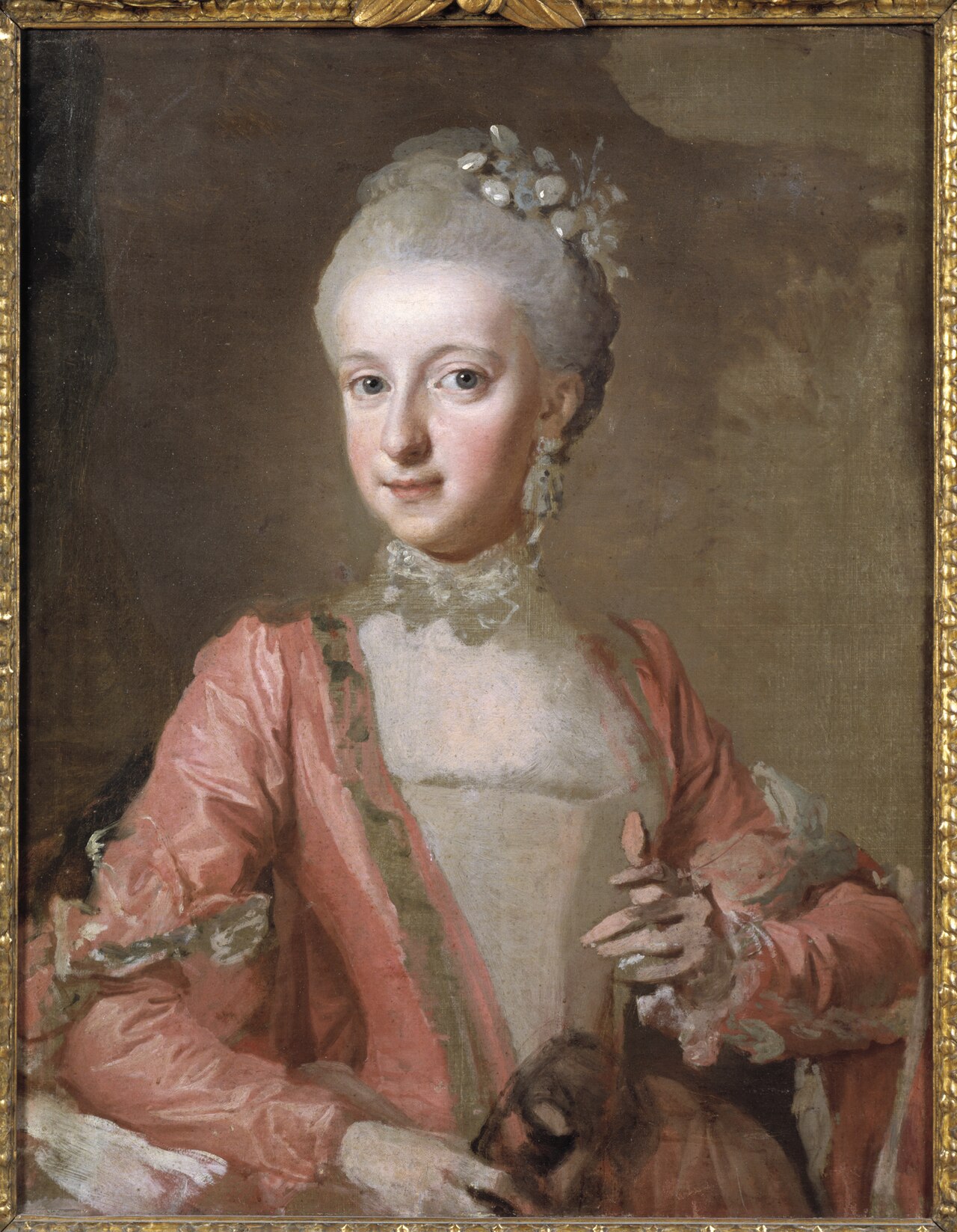
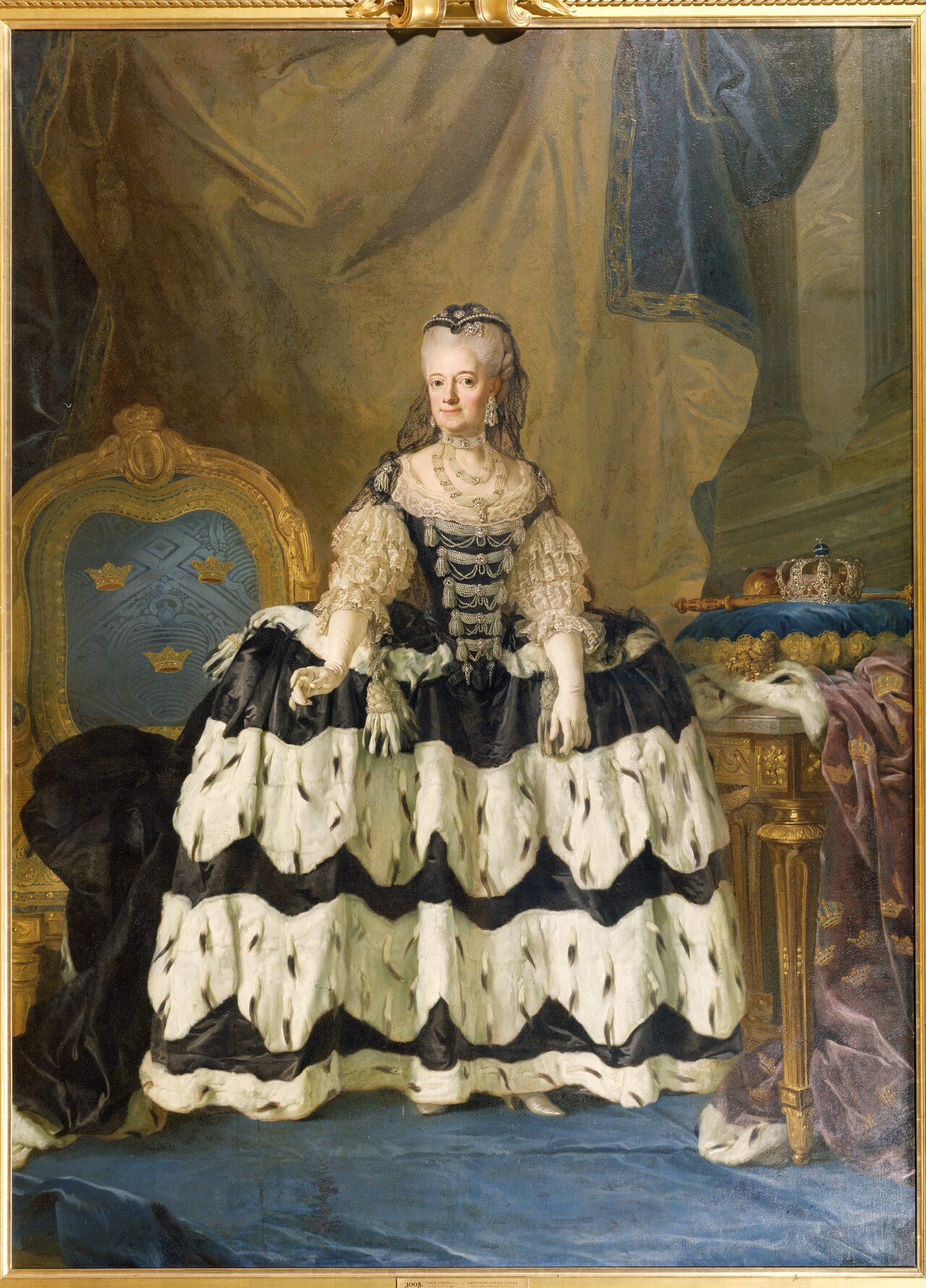
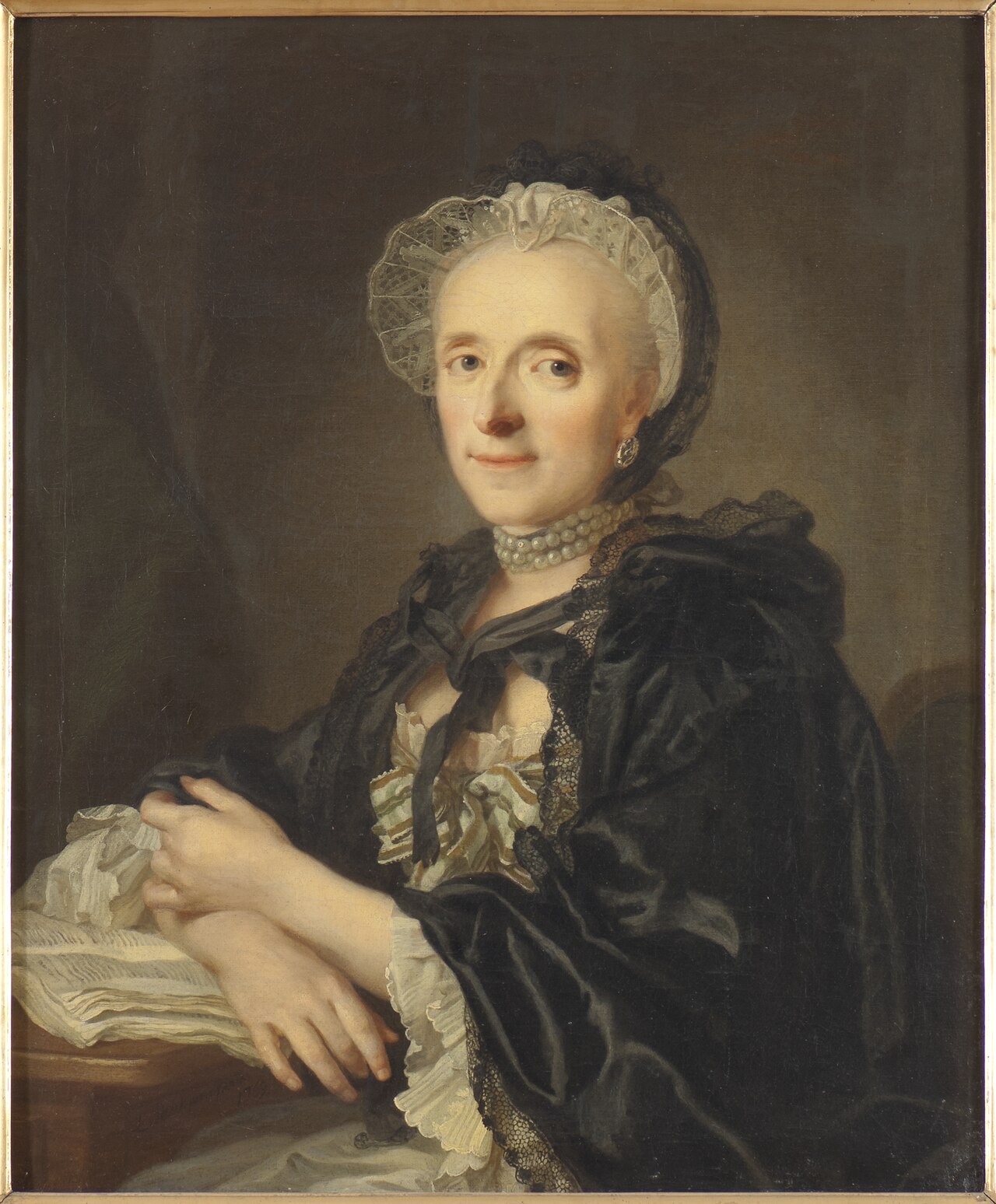
1. Delicate modelling of flesh – Using thin, semi‑transparent glazes, he built up skin tones that convey a soft, almost porcelain quality. This method allowed subtle variations in light to shimmer across the subject’s face, lending a sense of vitality. 2. Elegant drapery treatment – His handling of fabrics showcases a keen observation of texture. Pasch rendered silk, velvet and lace with fine, swift brushstrokes that suggest movement while preserving the richness of the material. 3. Controlled composition – He often placed his sitters against muted, decorative backdrops that frame the figure without competing for attention. The compositional balance typically centres the subject, with occasional inclusion of symbolic objects (such as a scepter or a book) that reinforce the sitter’s status or personal interests.
These techniques, combined with a mastery of colour modulation, produce works that are instantly recognisable as Pasch’s.
Major works
- Princess Sofia Albertina of Sweden (1768, unfinished) – This portrait, begun when the princess was in her early teens, captures the delicate transition from childhood to adulthood. The work remains unfinished, allowing viewers to glimpse Pasch’s underlying sketching process. The princess is depicted in a light‑blue silk gown, her gaze directed slightly off‑canvas, evoking both innocence and emerging poise.
- The Dowager Queen Lovisa Ulrika of Sweden (1775) – In this mature portrait, Pasch portrays the dowager queen with dignified restraint. She is shown seated, draped in a richly embroidered mantle that showcases Pasch’s skillful rendering of textile texture. The background is a subdued gold that highlights the queen’s regal bearing without overwhelming the composition.
- Portrait of Queen Sophie‑Magdalene (1773) – This work epitomises Pasch’s Rococo sensibility. Queen Sophie‑Magdalene is rendered with a soft palette of rose and cream, her attire adorned with delicate lace. The subtle smile and the delicate handling of the queen’s hands convey both authority and approachability.
- Adolf Fredrik, King of Sweden and Duke of Holstein‑Gottorp (1750) – Although earlier in Pasch’s career, this portrait demonstrates his ability to capture royal gravitas. The king is presented in full ceremonial dress, with a prominent sash and insignia. Pasch’s careful attention to the metallic sheen of the regalia reflects his meticulous technique.
- Mrs Kristina Magdalena Wargentin (1769) – A private commission, this portrait of a prominent Stockholm lady showcases Pasch’s capacity to convey personal elegance. The sitter is portrayed in a fashionable pastel dress, with a modest pearl necklace that adds a touch of refinement. The background consists of a simple, muted interior that focuses attention on the sitter’s expression and attire.
These works collectively illustrate Pasch’s command over portraiture, his adaptability to both royal and private commissions, and his consistent adherence to Rococo aesthetics.
Influence and legacy Lorens Pasch the Younger played a pivotal role in consolidating the Rococo style within Swedish art. By aligning the tastes of the Swedish court with broader European trends, he helped position Sweden as a participant in continental artistic dialogues. His teaching at the Royal Swedish Academy of Arts influenced a generation of Swedish painters, many of whom continued to employ his refined approach to portraiture well into the early 19th century.
While the Rococo eventually gave way to Neoclassicism, Pasch’s works remain valued for their technical excellence and their insight into 18th‑century Swedish society. Today, his portraits are housed in the Nationalmuseum in Stockholm and other European collections, serving as primary visual sources for historians studying the period’s fashion, court protocol, and artistic preferences.
In contemporary scholarship, Pasch is recognised not merely as a court painter but as an artist who elevated Swedish portraiture to a level of international sophistication. His legacy endures through the continued study of his technique, the preservation of his works, and the inspiration he provides to modern portraitists seeking to blend elegance with psychological depth.
--- *Word count: approximately 960*
Frequently asked questions
Who was Lorens Pasch the Younger?
Lorens Pasch the Younger (1733–1805) was a Swedish Rococo portrait painter from Stockholm, best known for his elegant depictions of royal and aristocratic sitters.
What artistic movement did he belong to?
He worked within the Rococo movement, employing its characteristic light palette, graceful lines, and decorative yet restrained compositions.
What are his most famous works?
Among his most celebrated portraits are Princess Sofia Albertina (1768, unfinished), the Dowager Queen Lovisa Ulrika (1775), Queen Sophie‑Magdalene (1773), King Adolf Fredrik (1750), and Mrs Kristina Magdalena Wargentin (1769).
Why is Pasch significant in art history?
Pasch helped integrate Rococo aesthetics into Swedish art, set a high standard for court portraiture, and influenced subsequent generations through his teaching at the Royal Swedish Academy of Arts.
How can I recognise a Pasch portrait?
Look for softly modelled flesh tones, refined drapery rendered with delicate brushwork, a muted decorative backdrop, and a subtle yet expressive gaze that conveys both status and personality.