Lorens Pasch the Elder
1702 – 1766
In short
Lorens Pasch the Elder (1702–1766) was a Swedish portrait painter from Stockholm, renowned for his depictions of aristocratic and clerical subjects in the mid‑18th century.
Notable works


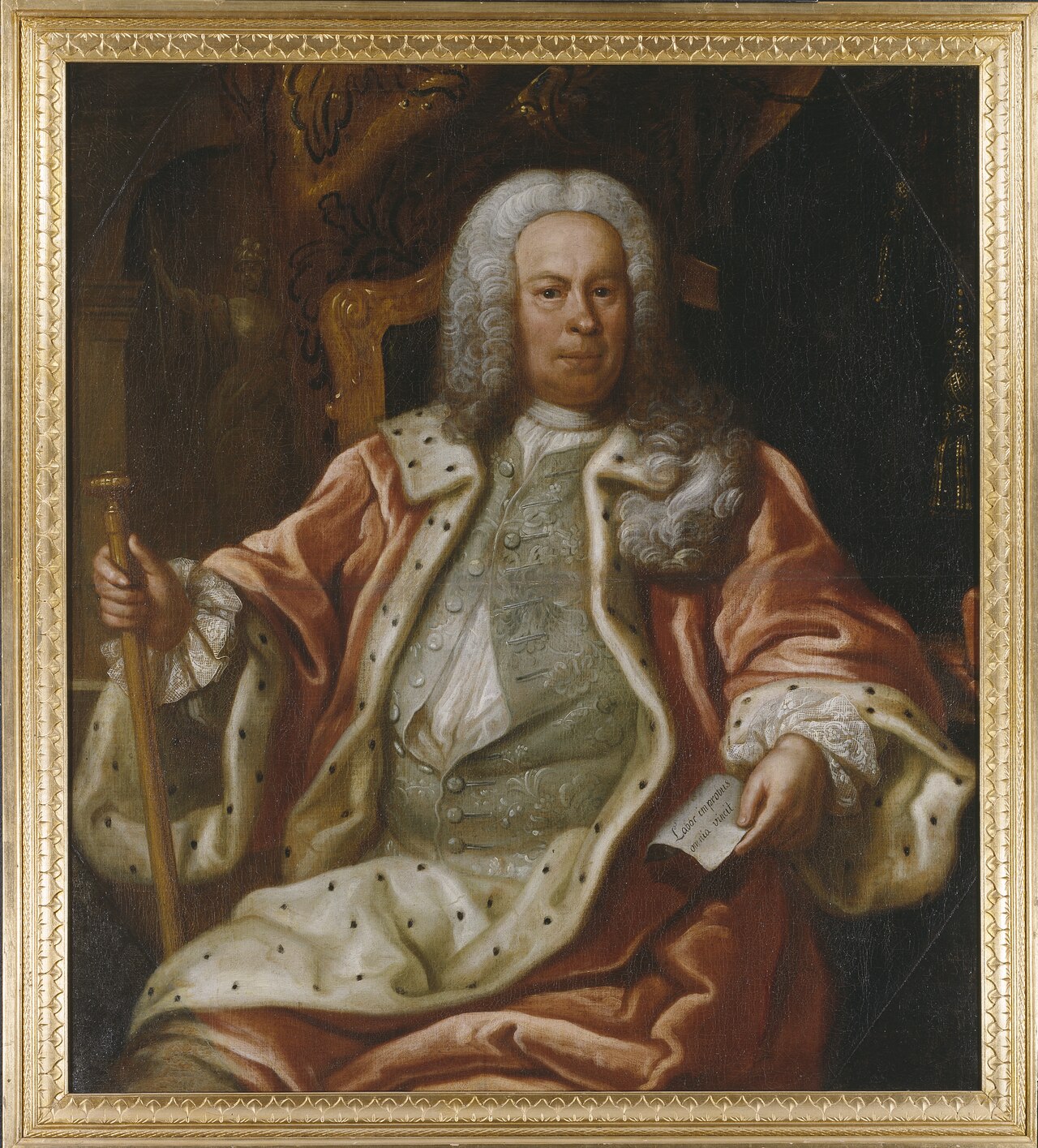
_-_NMGrh_1005_-_Nationalmuseum.jpg)
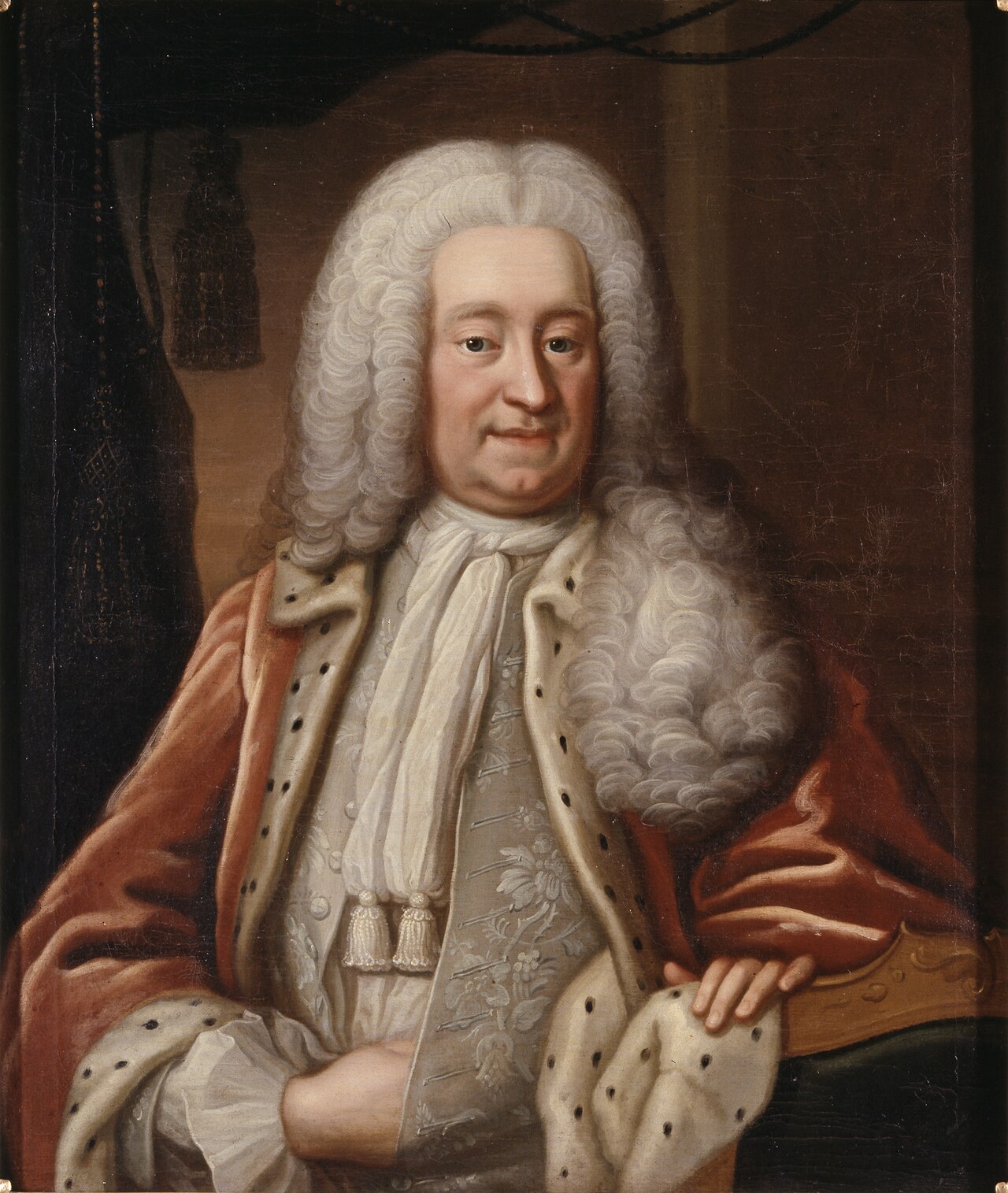
Early life Lorens Pasch the Elder was born in Stockholm in 1702 into a family with artistic ties. His father, Danckwardt Pasch, was a painter and goldsmith, which gave Lorens early exposure to the visual arts. Growing up in the capital, he would have been familiar with the city’s burgeoning cultural institutions and the courtly demand for portraiture. While specific details of his apprenticeship are scarce, it is likely that he received formal training within his family workshop and possibly studied under established Swedish masters of the period.
Career and style Pasch began his professional career in the 1720s, a time when Sweden was recovering from the Great Northern War and the aristocracy sought to reaffirm their status through art. He quickly established himself as a specialist in portraiture, catering to the elite of Stockholm and the surrounding provinces. His style reflects the transitional aesthetics of the early 18th century, blending the lingering Baroque grandeur with the lighter, more decorative qualities of the Rococo movement that was spreading across Europe. Pasch’s portraits are characterised by a restrained yet elegant composition, careful rendering of fabrics, and a subtle psychological insight into his sitters.
The artist worked primarily for private patrons, including members of the Swedish nobility, clergy, and emerging bourgeoisie. Although no formal affiliation with an artistic academy is recorded, Pasch’s output contributed to the visual culture that would later be codified by the Royal Swedish Academy of Arts, founded in 1735. His practice demonstrates a pragmatic approach to portraiture: he balanced the expectations of patronage with a personal sensibility that favoured clarity of form and colour.
Signature techniques Pasch’s technical repertoire was grounded in the traditional oil‑on‑canvas method, yet he employed several distinctive touches that set his work apart. He favoured a limited palette of muted earth tones for backgrounds, allowing the vivid reds, blues, and golds of the sitter’s attire to dominate the visual field. This contrast heightened the sense of presence and status. His brushwork was smooth and controlled, particularly in rendering skin tones, giving his portraits a polished, almost sculptural quality.
A hallmark of his technique was the careful modelling of light on fabric. Pasch used delicate glazes to achieve the illusion of silk, velvet, and lace, capturing the subtle sheen that signalled wealth. In addition, he often included symbolic objects—such as books, swords, or hunting paraphernalia—rendered with meticulous detail, thereby providing narrative clues about the sitter’s profession or personal interests.
Major works Among Pasch’s most documented works are several portraits that have survived in Swedish collections:
- Count Carl Gustaf Tessin (1741) – This portrait of the influential diplomat and art collector shows Tessin in an aristocratic pose, wearing a richly embroidered coat. The work exemplifies Pasch’s skill in portraying the confidence of the Swedish elite during the Age of Enlightenment.
- Vit räv – Though the title translates to “White Fox,” the piece is believed to be a portrait of a young noblewoman dressed in white, the colour symbolising purity and high fashion. The composition’s restrained background and luminous skin tones are typical of Pasch’s approach.
- Samuel Åkerhielm af Margretelund d.y., 1684‑1768 (1750) – This portrait captures the later years of the landed gentry Samuel Åkerhielm. Pasch renders the subject with dignified solemnity, emphasizing the subject’s status through the inclusion of a family crest and fine furnishings.
- Jacob Benzelius (1683‑1747) – Depicting the former Archbishop of Uppsala, this work reflects Pasch’s ability to render ecclesiastical authority. The portrait’s subdued colour scheme and the careful depiction of the archbishop’s clerical robes convey both reverence and the intellectual gravitas of the sitter.
- Gyllenborg Karl, 1679‑1746 – In this portrait of the statesman Karl Gyllenborg, Pasch presents a figure of political significance. The sharp rendering of the subject’s attire and the inclusion of a quill and documents underscore his role in Swedish governance.
These works, held in institutions such as the Nationalmuseum in Stockholm, illustrate Pasch’s consistent focus on portraiture and his ability to adapt his technique to the individual status and personality of each sitter.
Influence and legacy Lorens Pasch the Elder occupies a pivotal place in Swedish art history as one of the foremost portrait painters of the early‑to‑mid‑18th century. His commitment to realistic representation combined with an elegant decorative sensibility helped shape the visual language of Swedish aristocratic portraiture. While he did not found a distinct school, his practice influenced younger artists, including his own son, Lorens Pasch the Younger, who continued the family tradition into the late 18th century.
Pasch’s works provide valuable insight into the social hierarchy, fashion, and material culture of his time. They remain essential references for scholars studying the period’s visual culture and for curators interpreting Sweden’s Enlightenment era. By preserving the likenesses of notable figures, Pasch contributed to the collective memory of Swedish history, ensuring that the faces of its political, religious, and cultural leaders endure in the national artistic canon.
In contemporary exhibitions, Pasch’s portraits are often highlighted for their technical finesse and their role in documenting Sweden’s transition from a war‑torn nation to a more culturally confident society. The continued appreciation of his work underscores his lasting relevance as a master of Swedish portraiture.
Frequently asked questions
Who was Lorens Pasch the Elder?
Lorens Pasch the Elder (1702–1766) was a Swedish portrait painter from Stockholm, known for his depictions of aristocratic and clerical figures in the mid‑18th century.
What artistic style or movement is he associated with?
Pasch worked at the crossroads of late Baroque and early Rococo, blending formal Baroque composition with the lighter, decorative touches of Rococo in his portraiture.
What are his most famous works?
His most recognised portraits include Count Carl Gustaf Tessin (1741), the portrait titled "Vit räv," Samuel Åkerhielm af Margretelund d.y. (1750), Jacob Benzelius, and Karl Gyllenborg.
Why is Lorens Pasch the Elder important in art history?
He is important for establishing a high standard of Swedish portraiture, documenting the nation’s elite during the Enlightenment, and influencing subsequent generations of Swedish painters, including his own son.
How can I recognise a painting by Lorens Pasch the Elder?
Look for smooth, controlled brushwork, a restrained background, vivid rendering of luxurious fabrics, and subtle symbolic objects that convey the sitter’s status—hallmarks of Pasch’s portrait style.