Johan Henrik Scheffel
1690 – 1781
In short
Johan Henrik Scheffel (1690–1781) was a Swedish portrait painter born in Wismar, known for his depictions of leading Swedish figures such as Carl von Linné, Christopher Polhem and Hedvig Charlotta Nordenflycht. Working in the early‑18th century, his formal portraits provide valuable visual records of Sweden’s Enlightenment era.
Notable works

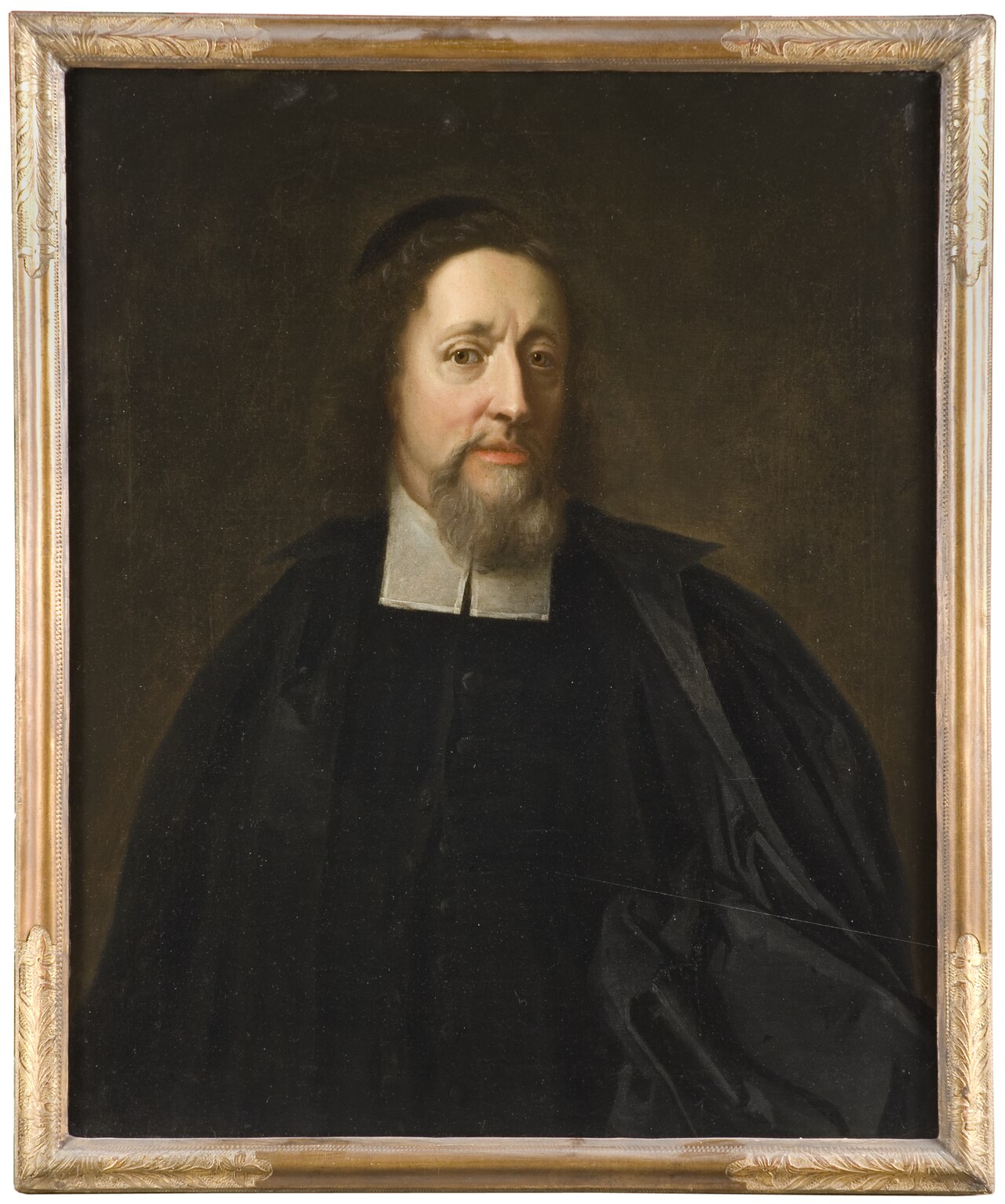

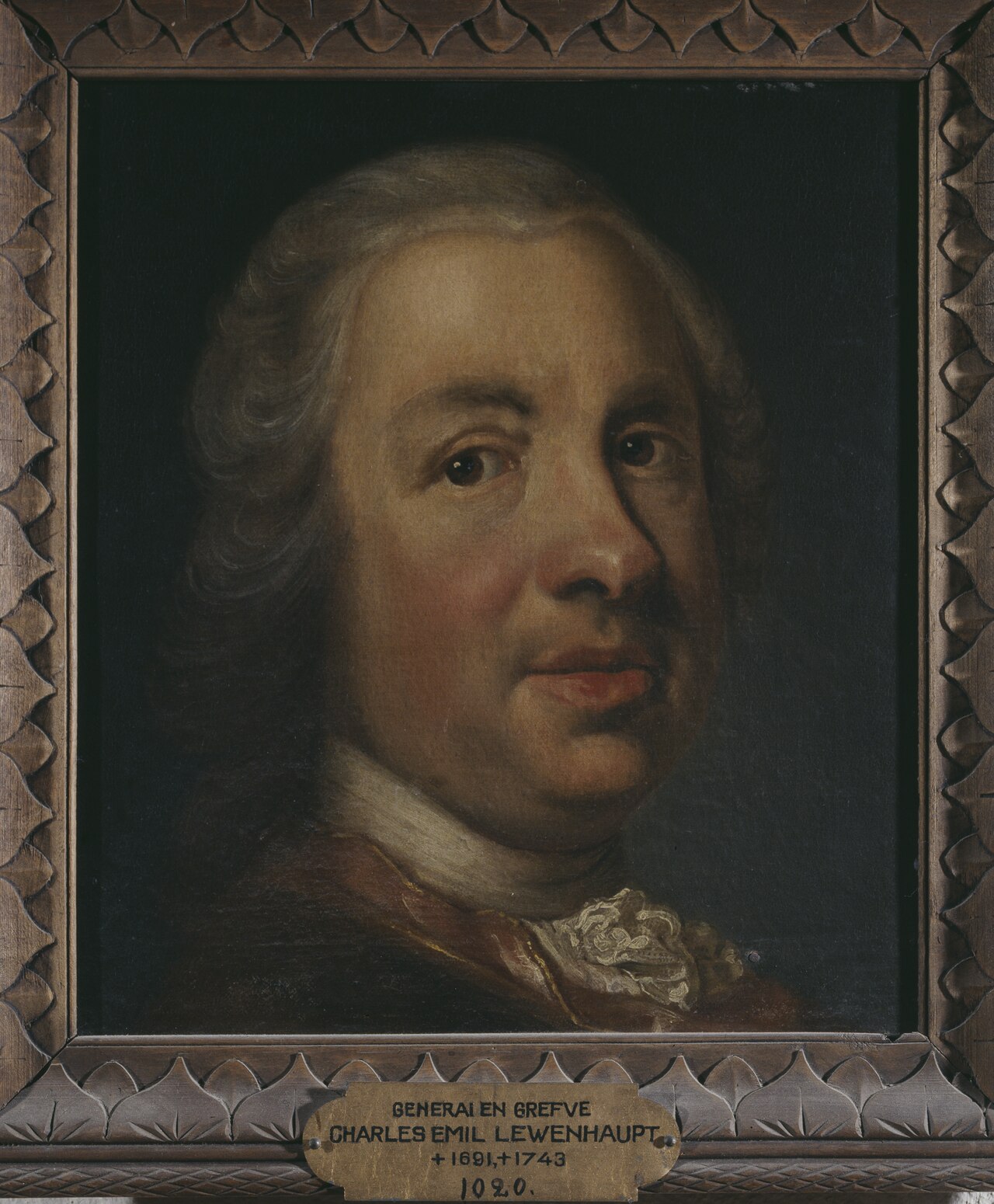
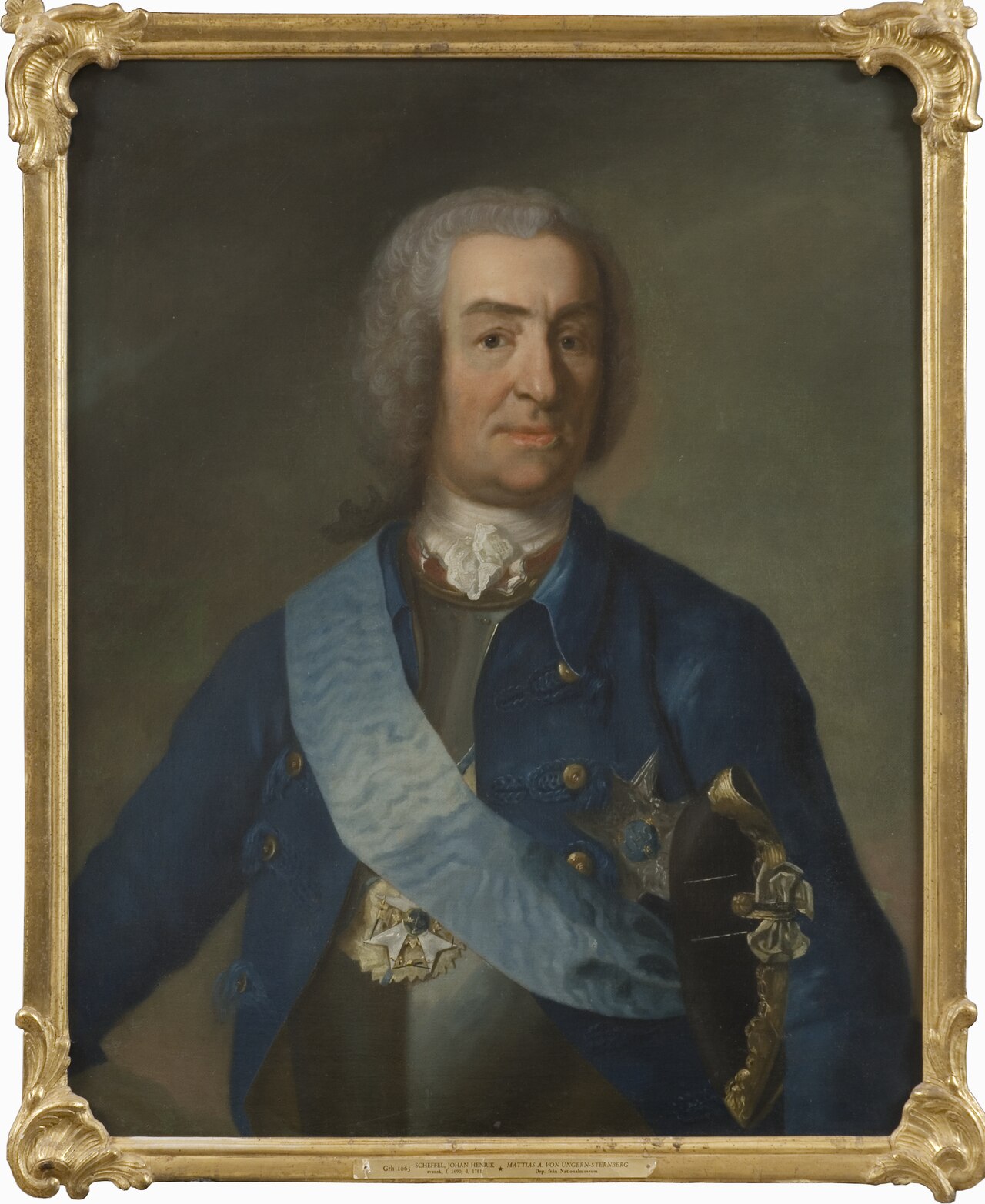
Early life Johan Henrik Scheffel was born in 1690 in the Baltic port town of Wismar, which at the time lay within the Swedish realm. Little is recorded about his family background, but the city’s commercial links with the German lands suggest that he was exposed to a mixture of Scandinavian and Central‑European cultural influences from an early age. It is probable that his initial artistic training took place in a workshop setting, as was customary for aspiring painters in the early modern period. By his early twenties, Scheffel had moved to Sweden proper, establishing himself in the artistic circles of Stockholm where the royal court and the burgeoning Swedish intelligentsia were seeking portraitists to commemorate their achievements.
Career and style Scheffel’s professional career unfolded during a period of growing national confidence in Sweden, following the country's emergence as a great power in the late 17th century. He secured commissions from both the aristocracy and the academic elite, producing portraits that combined the sober realism of Northern European painting with a subtle, courtly elegance. His style does not align neatly with any single artistic movement; rather, it reflects a synthesis of Dutch portrait conventions, Swedish baroque sensibilities, and the nascent Enlightenment emphasis on individual character. The compositions are typically restrained, with the sitter placed against a neutral or modestly detailed backdrop, allowing the focus to remain on facial expression and attire.
Signature techniques Scheffel worked primarily in oil on canvas, a medium that afforded him the ability to render fine textures—particularly the sheen of silk, the softness of velvet, and the intricate detailing of lace. He employed a layered glazing method, building up thin translucent layers to achieve depth and luminosity in skin tones. Light is often introduced from a single, slightly elevated source, creating gentle chiaroscuro that models the face without the dramatic contrasts favoured by later Baroque masters. His brushwork is meticulous in the rendering of facial features, while broader, more fluid strokes convey the drapery of clothing. This combination of precision and painterly freedom became a hallmark of his portraiture.
Major works Scheffel’s oeuvre includes a number of documented portraits that illustrate his range and the breadth of his clientele. The *Portrait of Lucas von Breda* captures the young merchant‑artist with a composed demeanor, the composition highlighting Breda’s thoughtful gaze and the modest elegance of his attire. In the *Erik Benzelius d.y. (1675‑1743)*, Scheffel portrays the later archbishop with a dignified bearing, using subdued colour tones that underscore Benzelius’s clerical status.
The 1728 portrait of *Malcolm Sinclair, 1690‑1739* is perhaps Scheffel’s most historically resonant work; Sinclair, a Swedish nobleman and diplomat, is rendered with a solemn expression that presages his tragic fate in the infamous 1739 assassination. Scheffel’s handling of Sinclair’s uniform and the delicate rendering of the insignia convey both rank and personal gravitas.
*Charles Emil Lewenhaupt, 1691‑1743* is depicted in a military uniform, the portrait emphasizing the officer’s disciplined posture and the crisp detailing of his regalia. The painting reflects Scheffel’s ability to balance the portrayal of authority with a sense of individual humanity.
The *Portrait of Mattias Alexander von Ungern‑Sternberg, 1689‑1763* showcases the nobleman in an aristocratic setting, with the background suggesting a modest interior rather than an elaborate court scene. Here, Scheffel’s talent for capturing the texture of fabrics and the subtle play of light on the subject’s face is evident.
Beyond these, Scheffel is also remembered for portraits of prominent intellectuals such as the botanist Carl von Linné, the engineer Christopher Polhem and the poet Hedvig Charlotta Nordenflycht. Although these works are not listed among his surviving pieces, contemporary accounts attest to their existence and to Scheffel’s role in documenting Sweden’s cultural elite.
Influence and legacy Johan Henrik Scheffel occupies a distinctive place in Swedish art history as one of the early practitioners who established portraiture as a means of recording the nation’s intellectual and noble classes. His paintings serve as visual archives, providing scholars with insights into clothing, insignia, and the personal demeanor of key figures of the Swedish Enlightenment. While he did not found a formal school or movement, his balanced approach to realism and elegance influenced subsequent Swedish portraitists, who adopted his careful attention to detail and his restrained compositional style. Today, Scheffel’s works are valued both for their artistic merit and for their documentary significance, featuring in museum collections and scholarly publications that explore the visual culture of 18th‑century Scandinavia.
Frequently asked questions
Who was Johan Henrik Scheffel?
Johan Henrik Scheffel (1690–1781) was a Swedish portrait painter born in Wismar, best known for his depictions of leading Swedish figures of the early 18th century.
What style or movement is Scheffel associated with?
Scheffel’s work does not belong to a single movement; it blends Dutch portrait realism, Swedish baroque elegance, and Enlightenment‑era attention to individual character.
What are his most famous works?
Among his notable portraits are those of Lucas von Breda, Erik Benzelius d.y., Malcolm Sinclair (1728), Charles Emil Lewenhaupt, and Mattias Alexander von Ungern‑Sternberg.
Why is Scheffel important in art history?
He helped establish portraiture as a documentary tool for Sweden’s Enlightenment elite, influencing later Swedish painters and providing valuable visual records of the period.
How can I recognise a Scheffel portrait?
Look for meticulous facial detail, subtle chiaroscuro from a single light source, fine rendering of fabrics, and a restrained background that keeps the sitter central.