Johan Gustaf Sandberg
1782 – 1854
In short
Johan Gustaf Sandberg (1782–1854) was a Swedish painter primarily known for his history paintings and portraits. He drew inspiration from Norse mythology and Swedish history, creating significant works such as the frescoes in Uppsala Cathedral depicting King Gustav Vasa.
Notable works

Early life Johan Gustaf Sandberg was born in Stockholm, Sweden, in 1782. Little is documented about his very early life and initial artistic training, a common challenge when researching artists from this period. He would later become a prominent figure in Swedish art, eventually dying in Klara Church Parish in 1854.
Career and style Sandberg established himself as a significant painter in Sweden, with a particular focus on history painting. His oeuvre frequently drew upon themes from Norse mythology and pivotal moments in Swedish history, aiming to capture the grandeur and narrative of these subjects. This inclination towards historical and mythological narratives positioned him within a broader European trend of Romanticism, which often sought to explore national identity and historical grandeur through art. While his primary recognition stems from his history paintings, Sandberg also dedicated considerable effort to portraiture. This dual focus allowed him to engage with both grand national narratives and more intimate, individual representations. His work in portraiture often served to document and commemorate prominent figures of his time.
Signature techniques Sandberg's technique, particularly in his history paintings and frescoes, was characterized by a strong sense of composition and dramatic presentation. He employed classical principles of arrangement, ensuring that figures and narrative elements were clearly delineated to convey the intended story. His use of color and light would have been typical of the academic traditions of his era, aiming for clarity and impact suitable for large-scale public works. In his frescoes, the application of paint directly onto wet plaster would have demanded precision and speed, contributing to the enduring nature of these works. His portraits, while perhaps more restrained than his historical epics, would have demonstrated a keen eye for capturing the likeness and character of his sitters, often through careful rendering of facial features and attire.
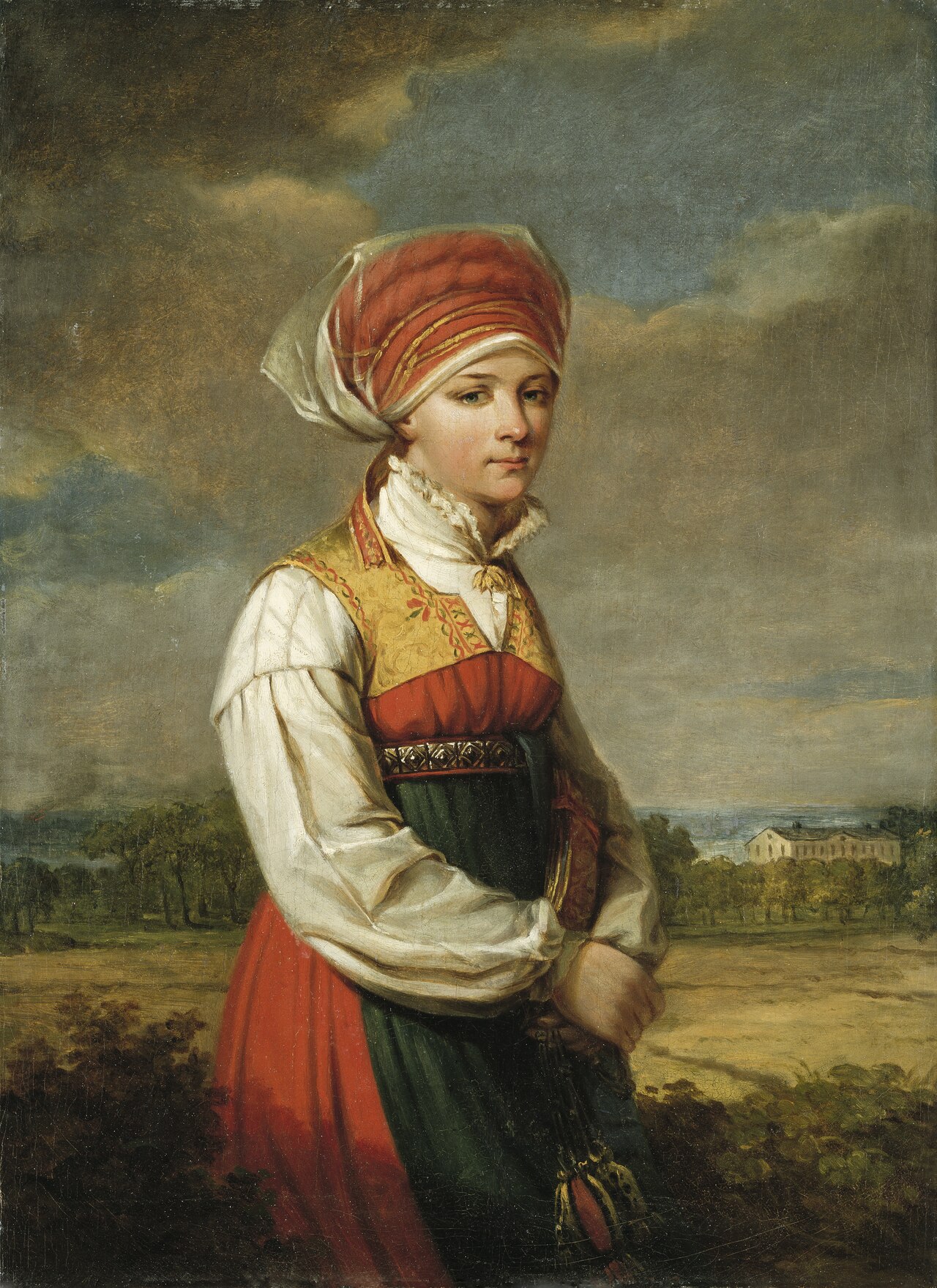
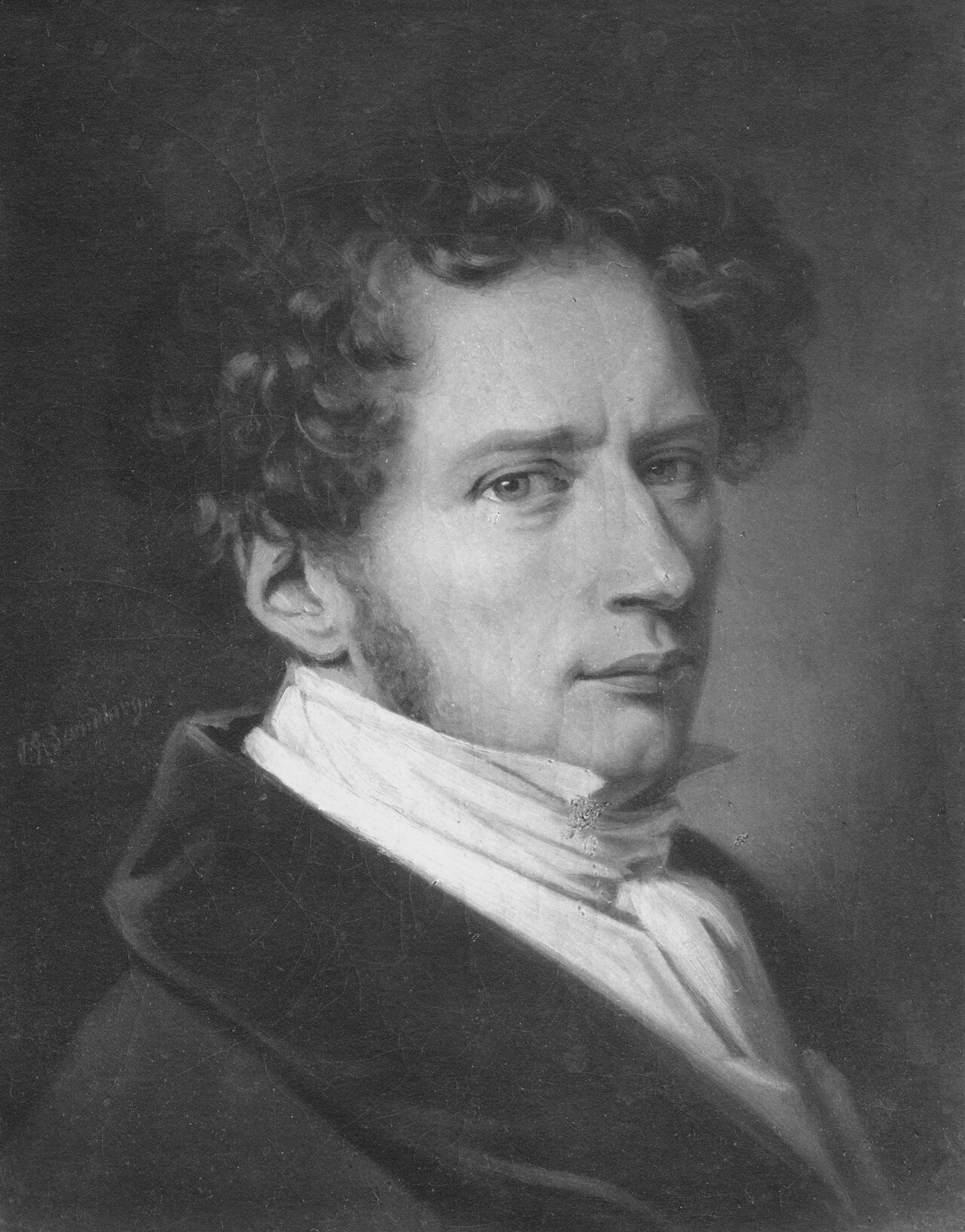
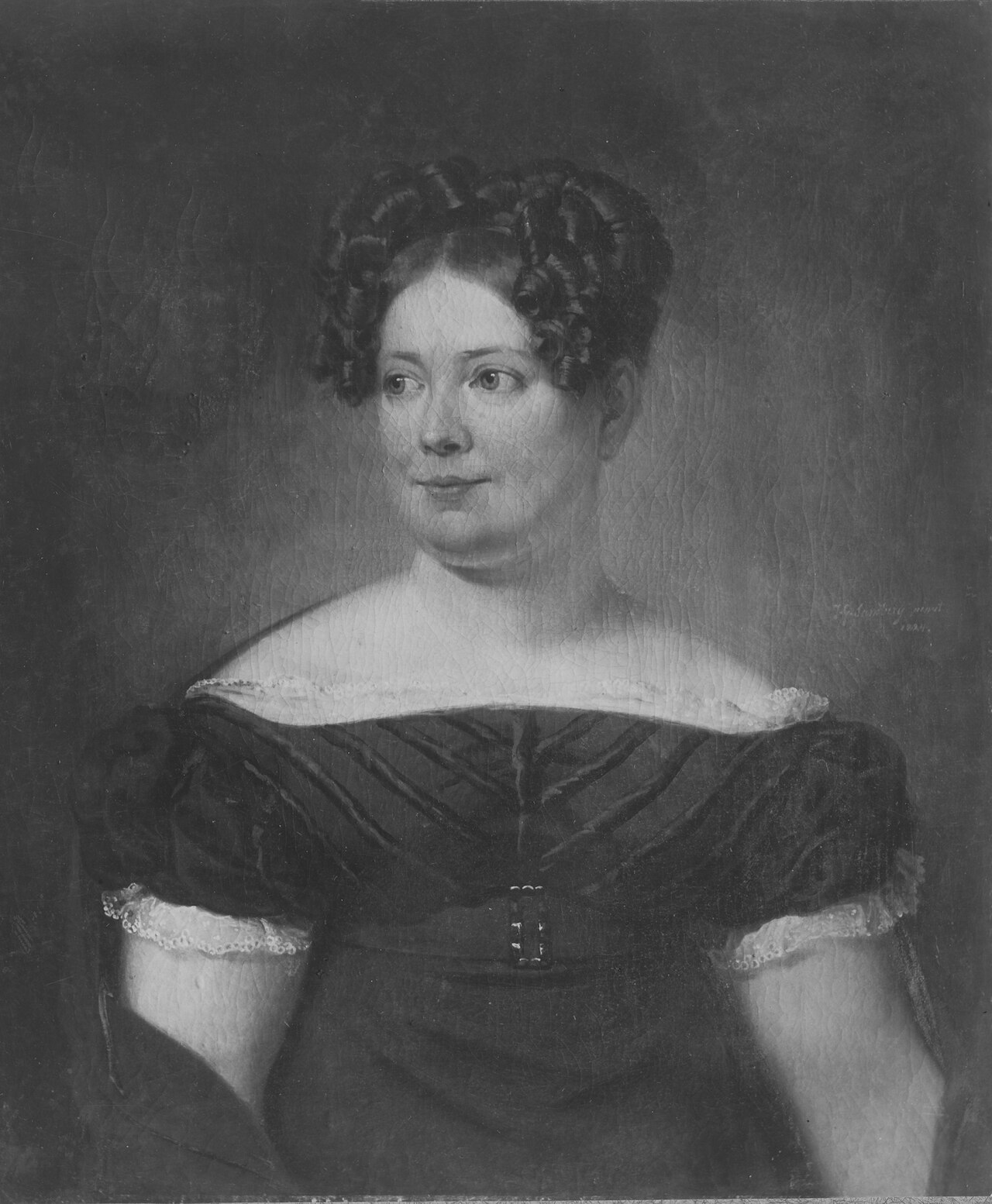
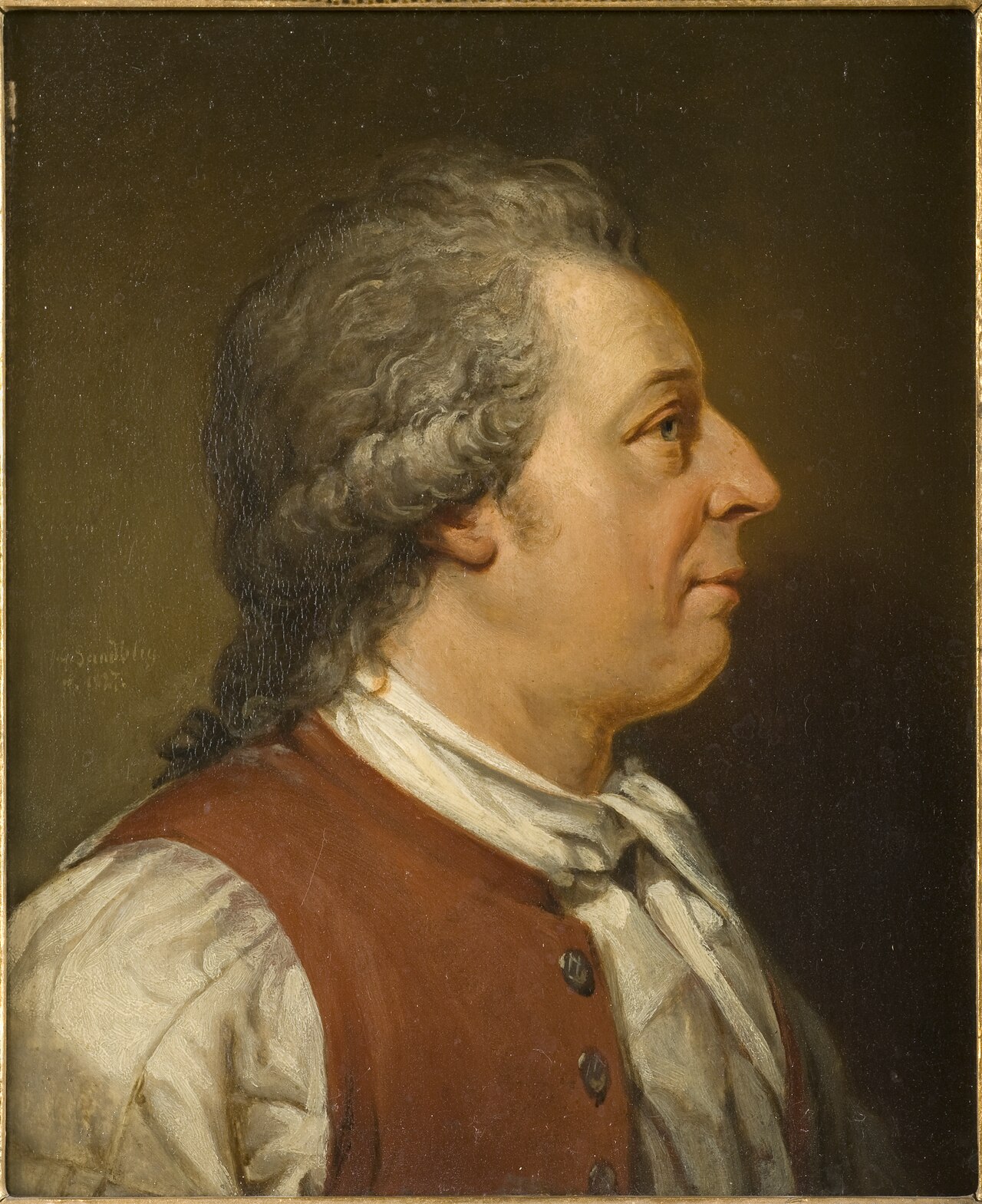
Major works Among Johan Gustaf Sandberg's notable creations is "Girl from Vingåker" (1822), a painting that likely offers a glimpse into Swedish folk life or narrative tradition. Another significant historical piece is "King Gustav Vasa of Sweden Addressing Men from Dalarna in Mora" (1836). This work is emblematic of Sandberg's engagement with Swedish national history, depicting a crucial moment in the country's past. The frescoes in Uppsala Cathedral, which depict scenes from the life of King Gustav Vasa, are arguably his most widely recognized achievements in history painting. These monumental works served to visually narrate the nation's foundational stories for the public. Sandberg also produced portraits, including "Hedvig Gustava Törneman (1792-1857), married to the Justice of the Supreme Court Gustav Nyblaeus (1824)," which captures a specific individual within her social context. His portrait of "Carl Michael Bellman (1740-1795), poet, married to Lovisa Grönlund (1827)" similarly serves as a historical record of a significant cultural figure. A "Självporträtt" (Self-portrait), dated to 1900, is also listed among his works, though the date suggests it might be a posthumous attribution or a misdated record, as it falls significantly after his death in 1854. If it is indeed a self-portrait, it would offer insight into the artist's own perception of himself.
Influence and legacy Johan Gustaf Sandberg's legacy is primarily tied to his contributions to Swedish history painting and his role in visually documenting key aspects of the nation's past. His frescoes in Uppsala Cathedral remain a testament to his skill in executing large-scale, public art. By engaging with national historical and mythological themes, he helped to shape a visual language for Swedish identity during a period of burgeoning nationalism. While perhaps not associated with a specific, named art movement in the way some later artists were, his work aligns with the broader currents of Romanticism and Academic art prevalent in Europe during his lifetime. His portraits also contribute to the historical record, preserving the likenesses of individuals who played roles in Swedish society. His body of work provides valuable insights into the artistic sensibilities and historical consciousness of 19th-century Sweden.
Frequently asked questions
Who was Johan Gustaf Sandberg?
Johan Gustaf Sandberg (1782–1854) was a Swedish painter known for his history paintings and portraits, often drawing inspiration from Swedish history and Norse mythology.
What art movement is Johan Gustaf Sandberg associated with?
While not definitively tied to a single named movement, Sandberg's style aligns with the broader trends of Romanticism and Academic art, focusing on historical narratives and classical composition.
What are Johan Gustaf Sandberg's most famous works?
His most widely recognized works include the frescoes in Uppsala Cathedral depicting King Gustav Vasa, as well as paintings like "Girl from Vingåker" and "King Gustav Vasa of Sweden Addressing Men from Dalarna in Mora."
Why is Johan Gustaf Sandberg important in art history?
Sandberg is important for his significant contributions to Swedish history painting and his role in visually representing national historical narratives. His works, particularly the Uppsala frescoes, are key to understanding Swedish art of the 19th century.
How can I recognize a painting by Johan Gustaf Sandberg?
Look for clear, narrative compositions, often depicting historical or mythological scenes from Sweden's past. His portraits tend to be formal, capturing the likeness and status of his sitters with academic precision.