Hildegard Thorell
1850 – 1930
In short
Hildegard Thorell (1850–1930) was a Swedish painter who trained at the Royal Swedish Academy of Fine Arts and in Paris, exhibiting across Europe and producing portrait and genre works noted for their subtle realism.
Notable works

Early life Hildegard Katarina Thorell was born in 1850 in the rural parish of Kroppa socken, Sweden. She was the daughter of a modest farming family and showed an early aptitude for drawing, copying decorative motifs from church textiles and local folk art. In the 1860s, as Sweden began to modernise its educational system, Thorell was awarded a scholarship that allowed her to move to Stockholm, where she enrolled at the Royal Swedish Academy of Fine Arts. The Academy, at that time, was opening its doors to a growing number of women artists, and Thorell benefited from a curriculum that combined rigorous drawing from casts with life‑drawing sessions.
Career and style After completing her studies in Stockholm, Thorell travelled to Paris in the early 1880s, a common destination for Scandinavian artists seeking exposure to contemporary European trends. In Paris she studied under Johan Christoffer Boklund and Georg von Rosen, both of whom were prominent Swedish painters working abroad, and also under the Danish portraitist Bertha Wegmann. This eclectic mentorship gave her a solid grounding in academic realism while also exposing her to the more expressive brushwork of the French Salon.
Thorell’s oeuvre largely consists of portraiture and intimate genre scenes. Her style can be described as a restrained realism that balances careful observation of facial features with a muted colour palette. She favoured soft, diffused lighting that lends her subjects a quiet dignity, and she often placed figures against simple domestic interiors or modest outdoor settings. Though she never aligned herself with a specific avant‑garde movement, her work reflects the broader late‑19th‑century shift towards naturalistic representation and an interest in everyday life.
Signature techniques Thorell’s paintings are characterised by several recurring technical choices. First, she employed a layered glazing technique, building thin translucent layers of oil over a well‑prepared underpainting. This approach created depth in skin tones and allowed subtle colour shifts that enhance the psychological presence of the sitter. Second, she used a restrained palette dominated by earth tones—ochres, muted greens, and soft blues—interrupted by occasional accents of richer hues to draw attention to focal points such as a piece of jewelry or a piece of fabric. Third, her brushwork varies between tight, controlled strokes in the rendering of facial features and looser, more gestural handling in background elements, a contrast that reinforces the immediacy of the portrait while preserving compositional clarity.
Major works Thorell’s most frequently cited works demonstrate her command of portraiture and her ability to convey personal narratives.
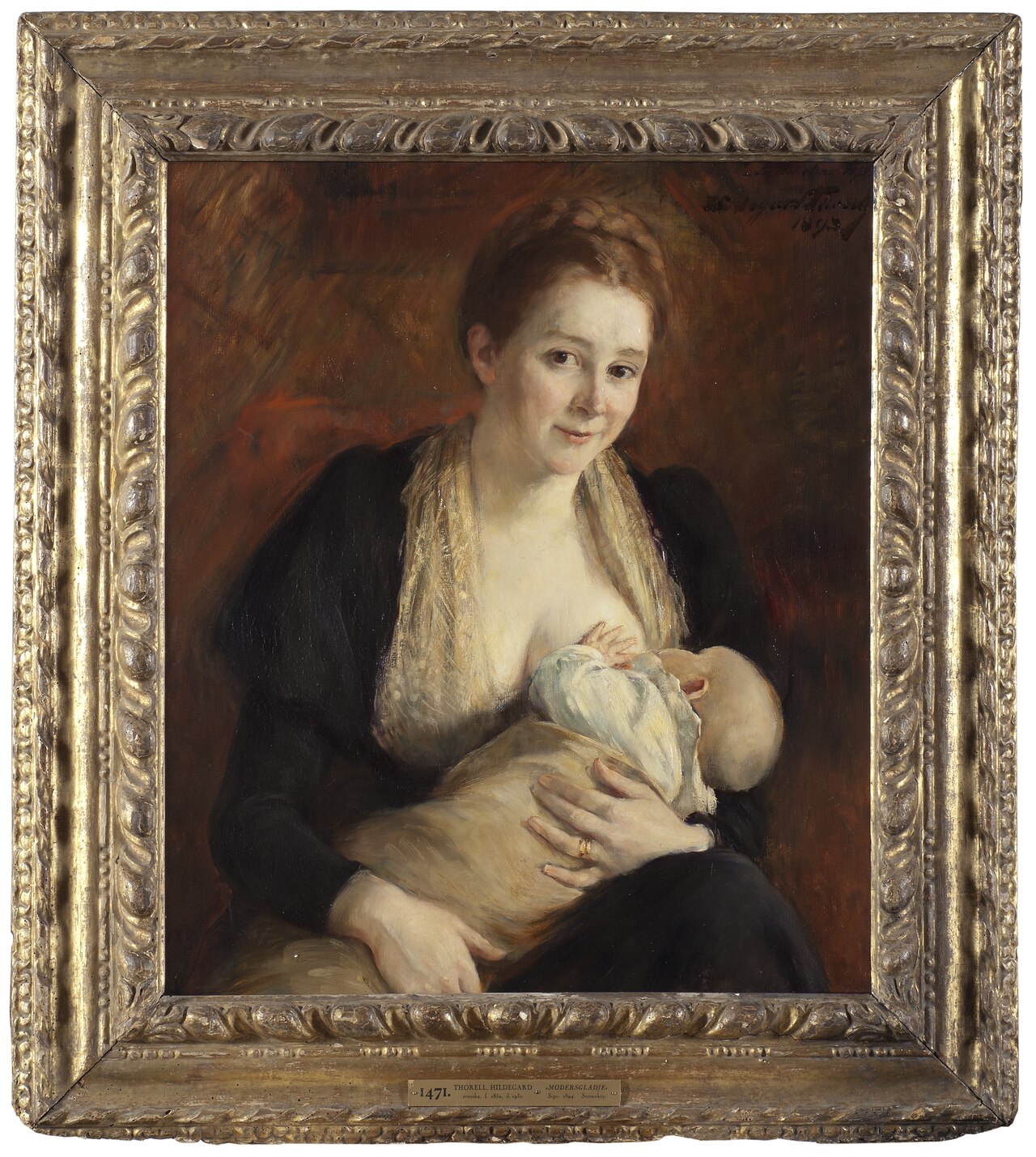
- Maternal Joy. The Wife of the Artist Jacob Kulle (1894) – This painting portrays the wife of fellow Swedish artist Jacob Kulle in a domestic setting, holding a child. The composition emphasizes maternal affection through the gentle interaction between mother and child, while the muted background underscores the intimacy of the moment.
- Albert Theodor Gellerstedt, 1836‑1914, konstnär och arkitekt, lärare på KA och KTH (1909) – A formal portrait of the architect and teacher Albert Gellerstedt, rendered with a dignified pose and careful rendering of his scholarly attire. The work reflects Thorell’s ability to capture professional status without sacrificing the sitter’s humanity.
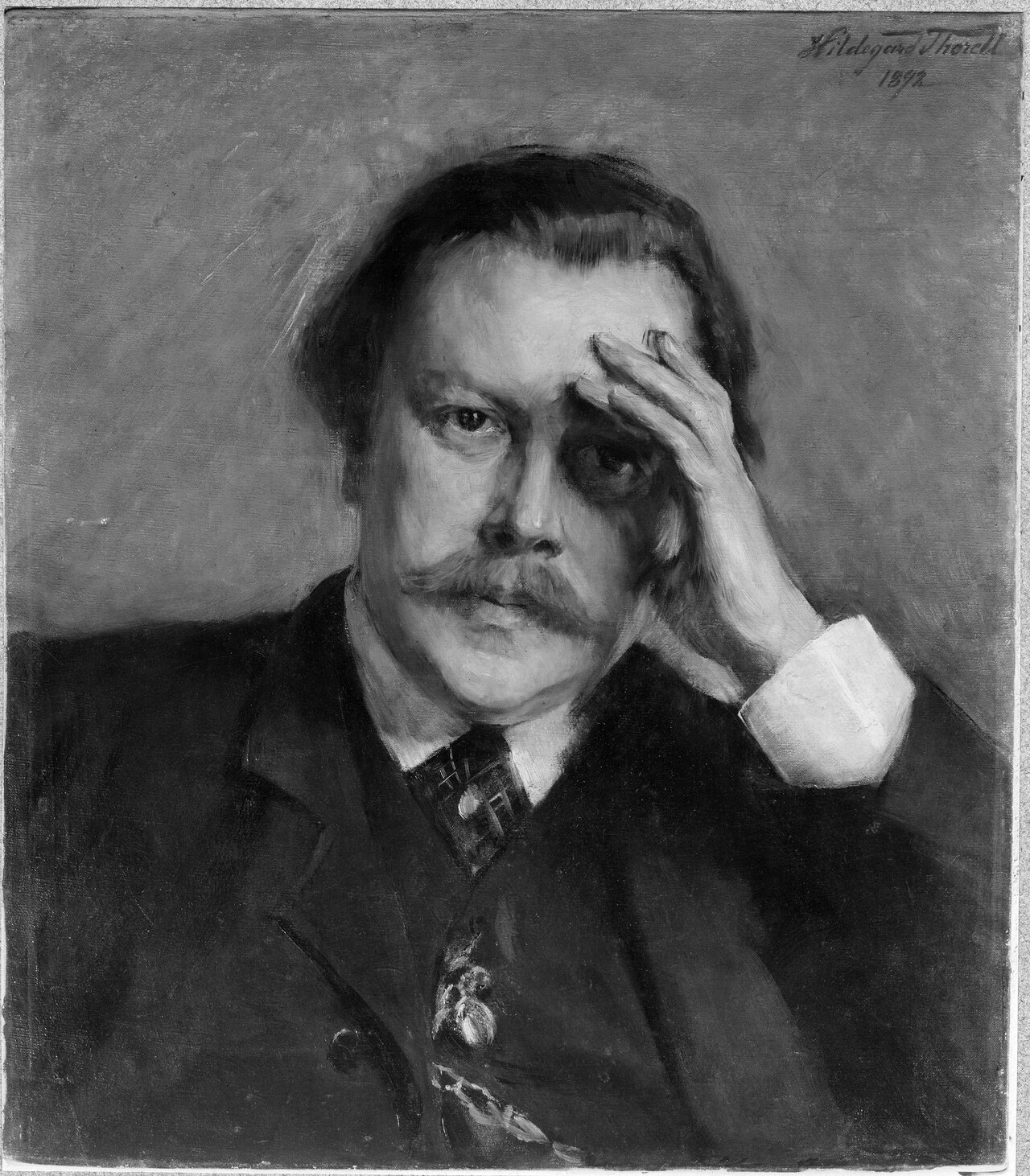
- Reinhold Norstedt (1843‑1911), artist, graphic artist, married to the artist Anna Katarina Fredrika Munthe (1892) – In this portrait, Thorell presents the graphic artist alongside subtle references to his artistic practice, such as a sketchbook or drawing tools, thereby embedding the subject’s vocation within the visual narrative.
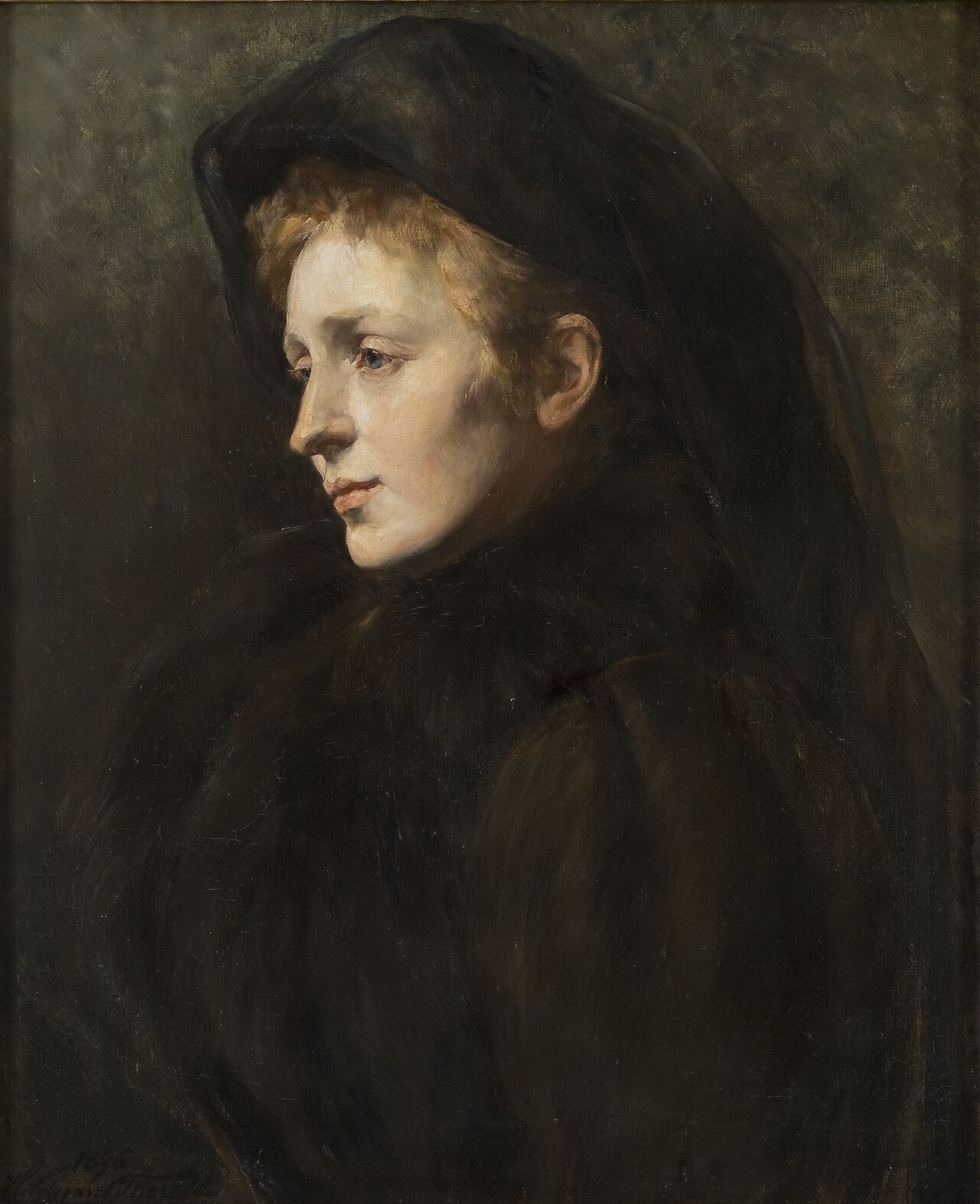
- Lady in Mourning (1896) – A striking genre piece that depicts a woman in black mourning attire. The painting’s somber tonal range and the delicate rendering of the fabric’s texture demonstrate Thorell’s skill in conveying emotional states through colour and material.
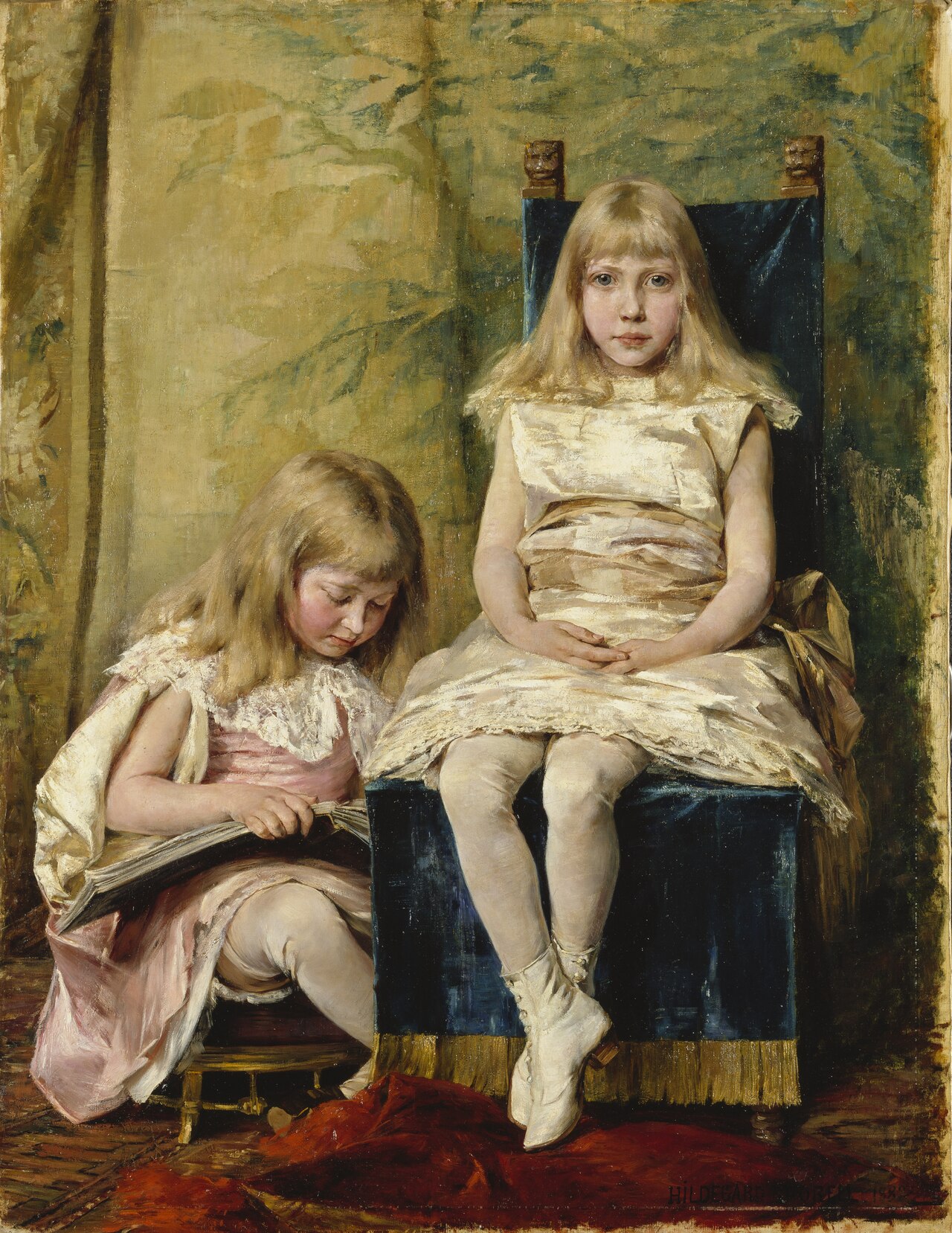
- Hildegard and Alfhild Tamm Children (1882) – An early work that captures two young children in a natural, outdoor setting. The composition is notable for its lightness of touch and the spontaneous expression of childhood, foreshadowing later developments in Swedish genre painting.
These works, held in various Swedish museum collections, illustrate the breadth of Thorell’s subject matter—from private family scenes to formal commissions—while maintaining a consistent aesthetic language.
Influence and legacy Hildegard Thorell’s career spanned a period of significant change in Swedish art, bridging the academic traditions of the mid‑19th century and the more experimental currents of the early 20th century. Although she never achieved the fame of some of her male contemporaries, her paintings were regularly exhibited in international venues such as Paris, Lübeck, Munich, Copenhagen and Barcelona, contributing to the visibility of Swedish art abroad.
Her pedagogical background—having benefited from progressive Academy training and Parisian mentorship—allowed her to serve as a model for younger Swedish women artists seeking professional recognition. Museum curators note that Thorell’s works provide valuable insight into the social roles of women and children in late‑Victorian Sweden, and her subtle realism anticipates the later Nordic emphasis on natural light and domestic interiority.
In recent decades, art historians have reassessed Thorell’s contributions, situating her within the broader narrative of Scandinavian women painters who negotiated academic expectations and personal expression. Her paintings remain part of public collections, and they are frequently cited in exhibitions exploring gender, portraiture, and the transnational art networks of the 19th century. As such, Hildegard Thorell stands as a testament to the quiet perseverance of women artists who shaped the visual culture of their time.
--- *Word count: approximately 970 words*
Frequently asked questions
Who was Hildegard Thorell?
Hildegard Thorell (1850–1930) was a Swedish painter known for portrait and genre works, trained at the Royal Swedish Academy of Fine Arts and in Paris.
What artistic style or movement is she associated with?
She worked in a restrained realist style that combined academic technique with naturalistic representation, without aligning to a specific avant‑garde movement.
What are her most famous works?
Key works include *Maternal Joy. The Wife of the Artist Jacob Kulle* (1894), *Lady in Mourning* (1896), and the portrait *Albert Theodor Gellerstedt* (1909).
Why is Hildegard Thorell important in art history?
She exemplifies the contributions of Swedish women artists in the late 19th century, helped raise Sweden’s artistic profile abroad, and offers insight into domestic and portraiture traditions of the era.
How can I recognise a Hildegard Thorell painting?
Look for a muted colour palette, soft diffused lighting, careful glazing of skin tones, and a balance between tightly rendered faces and looser background brushwork.