Gustaf Lundberg
1695 – 1786
In short
Gustaf Lundberg (1695–1786) was a Swedish rococo portraitist and pastelist who trained in Paris before becoming the court portrait painter in Stockholm, known for his elegant, pastel‑based depictions of aristocratic sitters.
Notable works


Early life Gustaf Lundberg was born in Stockholm in 1695 into a family that valued education and the arts. Little is recorded about his childhood, but his early exposure to Sweden’s burgeoning artistic circles sparked an interest in drawing and painting. Seeking advanced training, Lundberg travelled to Paris, which at the time was the epicentre of European art, particularly for the emerging Rococo style. In the French capital he studied under established pastellists, absorbing the delicate colour palette and the graceful compositions that defined the period.
Career and style After completing his apprenticeship, Lundberg established a successful studio in Paris, where he attracted commissions from the French aristocracy and diplomatic circles. His work was characterised by a light, airy handling of pastel, a medium that allowed for subtle tonal transitions and a soft, almost luminous finish. The Rococo aesthetic—marked by elegance, asymmetry, and a playful intimacy—permeated his portraits, which often depicted sitters in informal poses, surrounded by ornamental details such as delicate fabrics and floral motifs.
Returning to Sweden in the mid‑18th century, Lundberg was appointed court portrait painter to the Swedish royal family. In this role he blended his Parisian training with the tastes of the Swedish aristocracy, producing portraits that combined the French sense of refinement with a distinctly Scandinavian restraint. Throughout his career he maintained a reputation for capturing both the physical likeness and the social status of his subjects, making his work highly sought after by the nobility.
Signature techniques Lundberg’s mastery of pastel was his most defining technical attribute. He prepared his own pastel sticks, often blending pigments to achieve nuanced skin tones and the delicate sheen of silk and satin. His application technique involved multiple layers: an initial light sketch, followed by successive washes of colour that built depth without sacrificing the medium’s inherent softness. He also employed a fine sable brush for detailed work, especially in rendering hair, jewellery, and intricate costume embroidery.
Another hallmark of his style was the use of a muted, pastel‑based palette—soft pinks, pale blues, and warm ochres—combined with strategic highlights of white to suggest the play of light on the subject’s features. Lundberg frequently positioned his sitters against a neutral or subtly textured background, allowing the figure to dominate the composition while still providing a sense of spatial context.
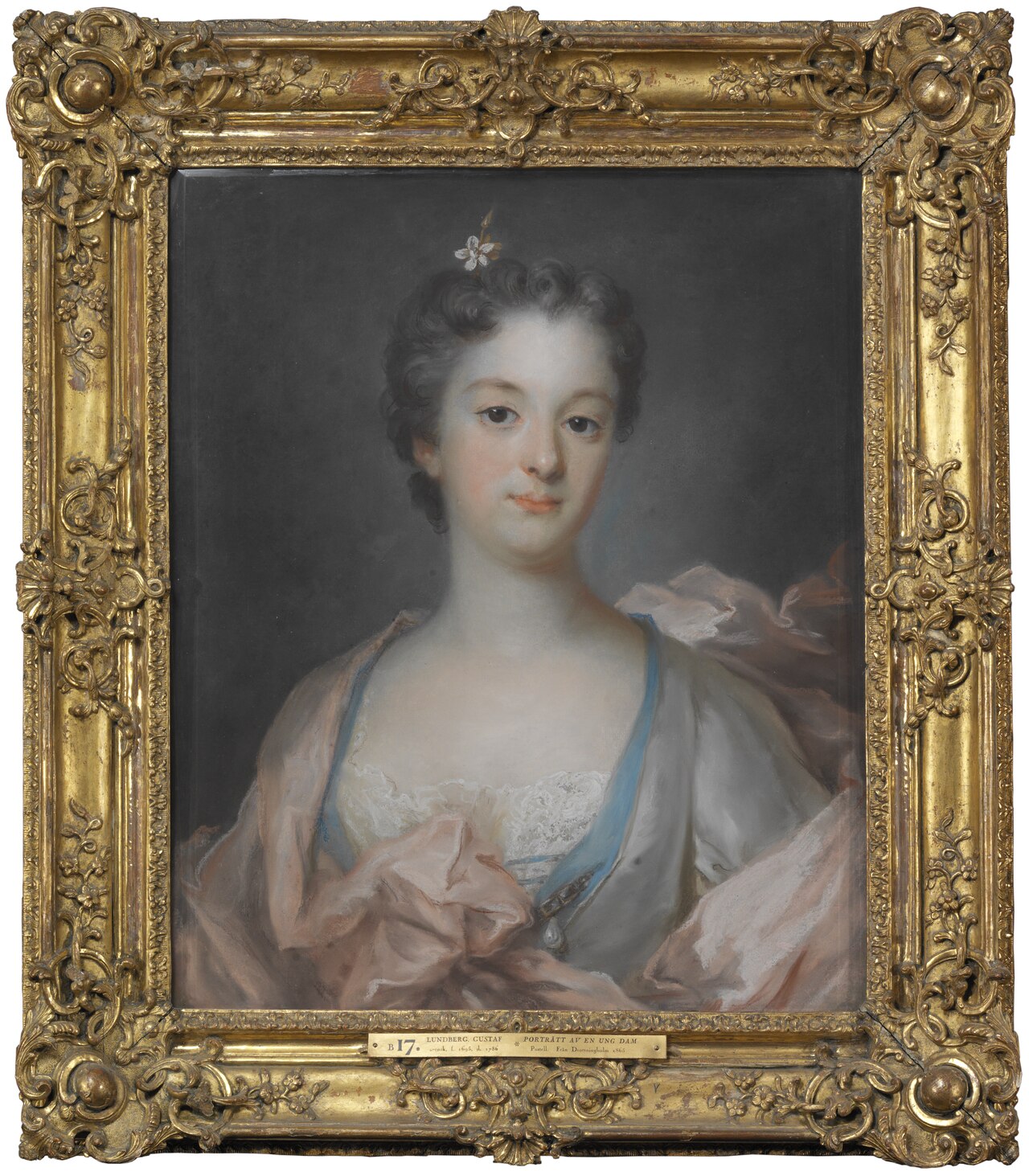
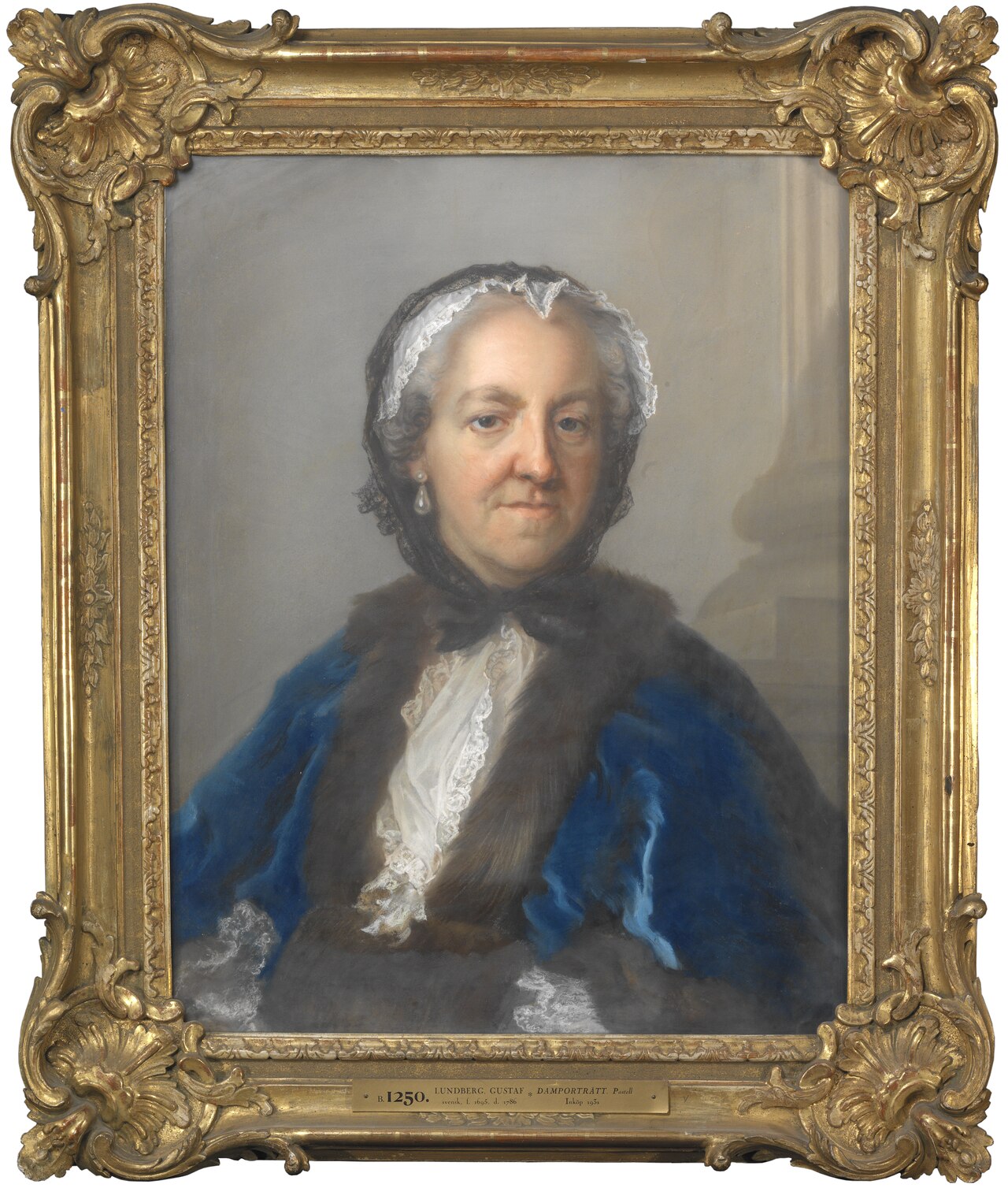
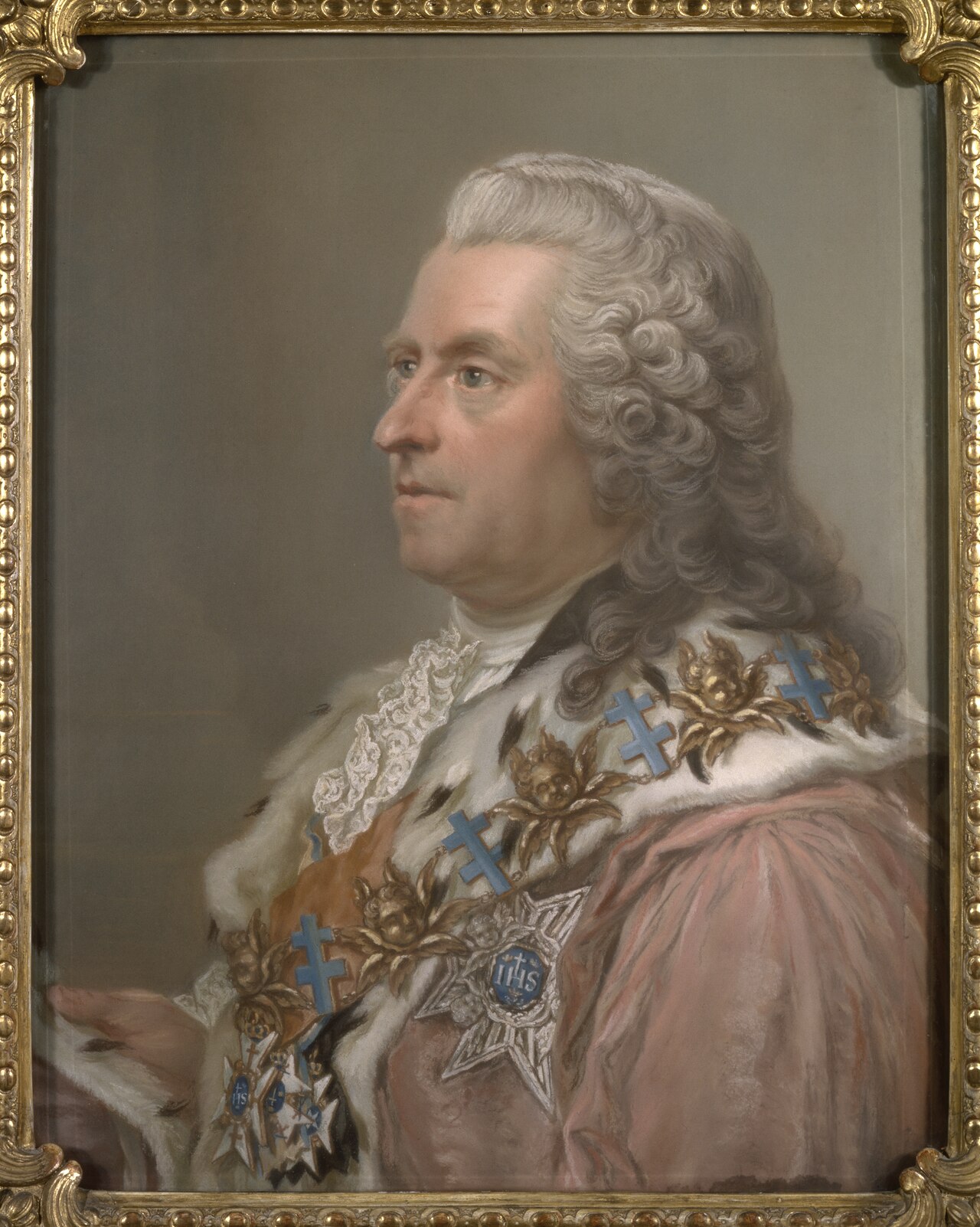
Major works - **Adolf Ludvig Gustav Albert Couschi, called Badin (1775)** – This portrait captures the young courtesan known as Badin, a figure celebrated for her beauty and wit. Lundberg’s treatment of the subject’s skin showcases his skillful layering of pastel, while the faint suggestion of a silk dress and a delicate veil creates an atmosphere of refined intimacy. - **Portrait de Charles Natoire (1741)** – Depicting the French painter Charles Natoire, this work demonstrates Lundberg’s ability to render a fellow artist with respect and nuance. The composition balances Natoire’s dignified posture with a relaxed pose, and the subtle play of light across the subject’s face highlights Lundberg’s command of chiaroscuro within the pastel medium. - **Portrait of a Young Lady** – Although the sitter’s identity remains uncertain, this portrait is exemplary of Lundberg’s Rococo sensibility. The young woman is shown in a soft, three‑quarter view, her attire rendered in delicate pastel tones that emphasize the translucency of lace and the gentle curvature of her hair. - **Baroness Ulrika Maria Sparre, née Tessin** – In this portrait the baroness is presented with an air of aristocratic poise. Lundberg’s use of a muted background and the careful rendering of the baroness’s elaborate hairstyle and jewellery reflect both his technical precision and his capacity to convey status. - **Portrait of Count Carl Gustaf Tessin (1761)** – Perhaps one of Lundberg’s most celebrated works, this portrait of the Swedish diplomat and art collector captures the count’s intellectual vigor. The count is depicted against a restrained backdrop, his attire highlighted with subtle pastel hues that lend a sense of depth without overwhelming the figure.
These works collectively illustrate Lundberg’s consistent approach: a focus on the sitter’s personality, an emphasis on texture and light, and a dedication to the pastel medium’s unique qualities.
Influence and legacy Gustaf Lundberg’s legacy lies in his successful synthesis of French Rococo aesthetics with Swedish court portraiture. By introducing pastel as a primary medium for high‑society portraiture in Sweden, he influenced a generation of Scandinavian artists who adopted his soft colour palette and refined compositional strategies. His portraits served as visual records of Sweden’s 18th‑century elite, preserving the fashion, demeanor, and cultural aspirations of the period.
Later Swedish painters, such as Alexander Roslin, drew inspiration from Lundberg’s elegant handling of light and his ability to convey the social nuances of his subjects. Moreover, Lundberg’s work contributed to the broader European appreciation of pastel as a serious artistic medium, rather than a mere preparatory tool. Today, his paintings are held in major museum collections, and they continue to be studied for their technical brilliance and their insight into the cultural exchange between France and Sweden during the Rococo era.
Frequently asked questions
Who was Gustaf Lundberg?
Gustaf Lundberg (1695–1786) was a Swedish Rococo portrait painter and pastelist who trained in Paris and later served as the court portrait painter in Stockholm.
What artistic style is Lundberg associated with?
He is closely linked to the Rococo movement, characterised by light, ornamental compositions, delicate colour palettes and an emphasis on elegance.
What are Lundberg’s most famous works?
Among his best‑known portraits are Adolf Ludvig Gustav Albert Couschi (Badin, 1775), the Portrait de Charles Natoire (1741), the Portrait of a Young Lady, Baroness Ulrika Maria Sparre, née Tessin, and the Portrait of Count Carl Gustaf Tessin (1761).
Why is Lundberg important in art history?
He introduced the pastel medium to Swedish court portraiture, merging French Rococo aesthetics with Scandinavian taste, and his work influenced later Scandinavian artists such as Alexander Roslin.
How can I recognise a Gustaf Lundberg painting?
Look for soft pastel tones, a luminous skin finish, delicate rendering of fabrics, and a relaxed, informal pose set against a muted background—all hallmarks of Lundberg’s style.