Georg Engelhard Schröder
1684 – 1750
In short
Georg Engelhard Schröder (1684–1750) was a Swedish painter born and died in Stockholm. He is noted for his allegorical and portrait paintings, including works such as Kozbekçi Mustafa Ağa and his Retinue (1728) and the Allegory of the Four Estates (1734).
Notable works

Early life Georg Engelhard Schröder was born in Stockholm in 1684, into a period when Sweden was emerging as a significant cultural centre in the Baltic region. Little is recorded about his family background, but contemporary accounts suggest that he received his first artistic instruction locally, likely through an apprenticeship with a court or guild painter. Stockholm’s artistic environment in the late 17th century was heavily influenced by the Baroque style imported from continental Europe, and young Schröder would have been exposed to both religious commissions and the burgeoning interest in secular portraiture.
Career and style Schröder’s professional career unfolded against the backdrop of Sweden’s Age of Liberty, a time of relative political stability that allowed the arts to flourish. He established himself as a court painter, receiving commissions from both the Swedish aristocracy and foreign dignitaries visiting the capital. While the precise artistic movement with which he is associated remains undefined, his work displays a synthesis of late Baroque dynamism and emerging Rococo lightness. The composition of his allegorical canvases often employs dramatic chiaroscuro, balanced with a refined colour palette that favours pastel tones, hinting at the transition toward the more decorative sensibilities of the early 18th‑century European art.
Schröder’s portraits are characterised by a meticulous attention to the sitter’s attire and insignia, reflecting the social hierarchies of his patrons. His ability to capture both the individual’s likeness and the symbolic weight of their status made him a sought‑after artist among the Swedish nobility. Throughout his career, Schröder travelled occasionally to the courts of neighboring states, where he absorbed influences from Dutch and German portrait traditions, further enriching his visual vocabulary.
Signature techniques Schröder’s technique combines a layered oil medium with a subtle glazing process that lends his figures a luminous quality. He often began with a detailed underdrawing, using a fine brush to outline the contours of the composition before applying a thin monochrome wash to establish tonal values. Subsequent layers of colour were built up in translucent glazes, allowing underlying tones to shine through and creating depth without heavy impasto. This method produced a smooth surface where flesh tones appear soft and fabrics glisten with a realistic sheen.
In his allegorical works, Schröder employed symbolic motifs—such as classical drapery, mythological creatures, and heraldic devices—to convey abstract concepts. He frequently positioned personifications against a muted landscape or a darkened background, isolating the figure and accentuating its narrative role. Light is often directed from a single source, highlighting the central subject while casting peripheral elements into gentle shadow, a technique that underscores the theatrical quality of his compositions.
Major works - **Kozbekçi Mustafa Ağa and his Retinue (1728)** – This painting marks Schröder’s most notable diplomatic commission. It portrays the Ottoman official Kozbekçi Mustafa Ağa surrounded by his attendants, rendered with a blend of Western realism and Orientalist detail. The work demonstrates Schröder’s skill in rendering exotic costumes and textures, while maintaining a dignified compositional balance.
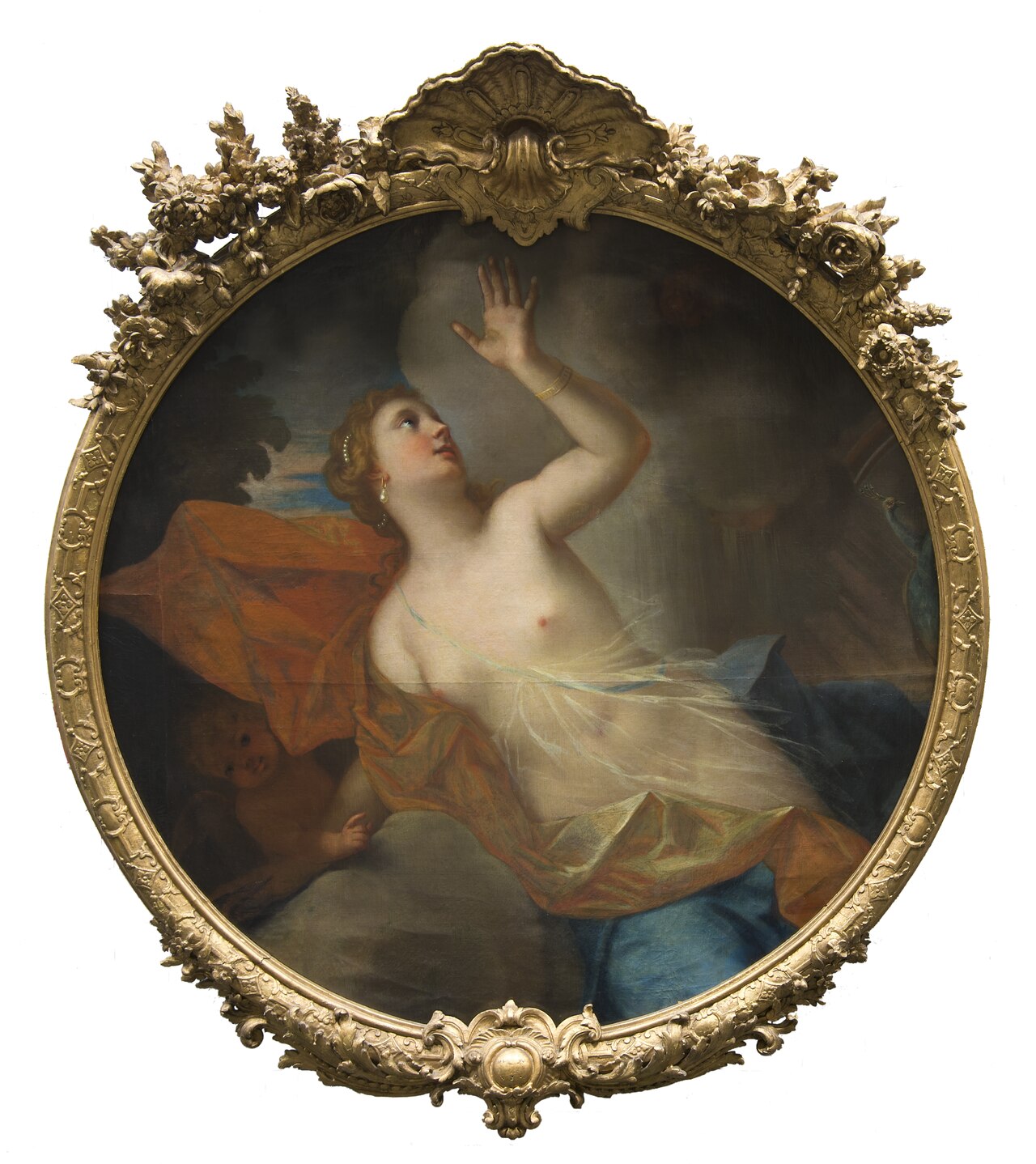
- Juno or Allegory of the Element Air – In this allegorical piece, Schröder depicts the Roman goddess Juno as an embodiment of the element Air. The composition features airy drapery, floating clouds, and a subtle wind motif, all conveyed through a light colour scheme that reinforces the ethereal theme.
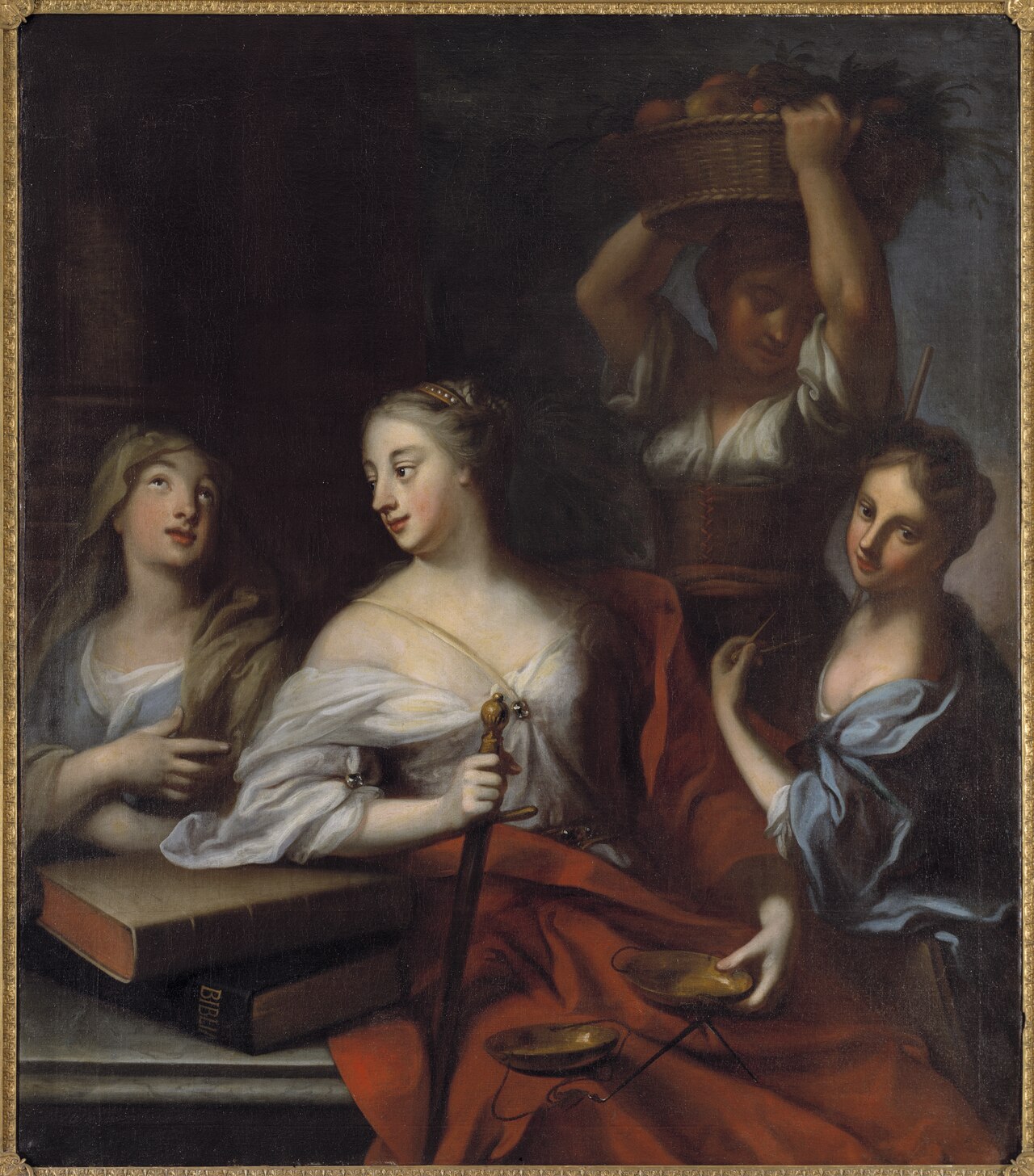
- Allegory of the Four Estates (1734) – Created for a civic occasion, the painting illustrates the four social estates of Sweden—nobility, clergy, burghers, and peasants—each represented by symbolic figures. Schröder’s careful arrangement of the figures and his use of contrasting textures highlight the hierarchical relationships while promoting a sense of unity.
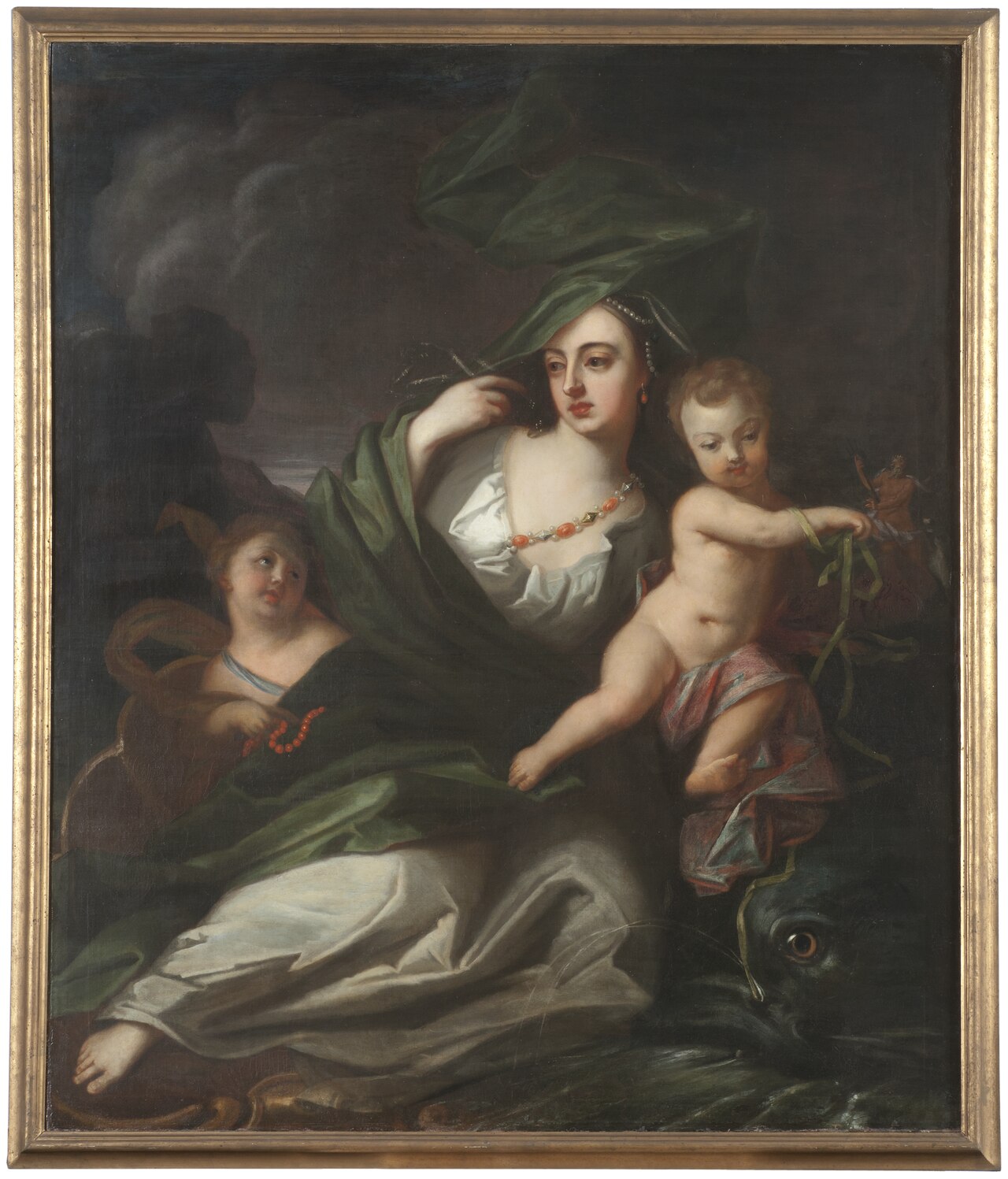
- Amphitrite or Allegory of the Element Water – Here, the sea‑goddess Amphitrite is portrayed amidst a watery setting, with flowing garments that mimic the movement of water. The artist’s mastery of reflective surfaces is evident in the depiction of rippling waves and the glimmer of sea‑foam.
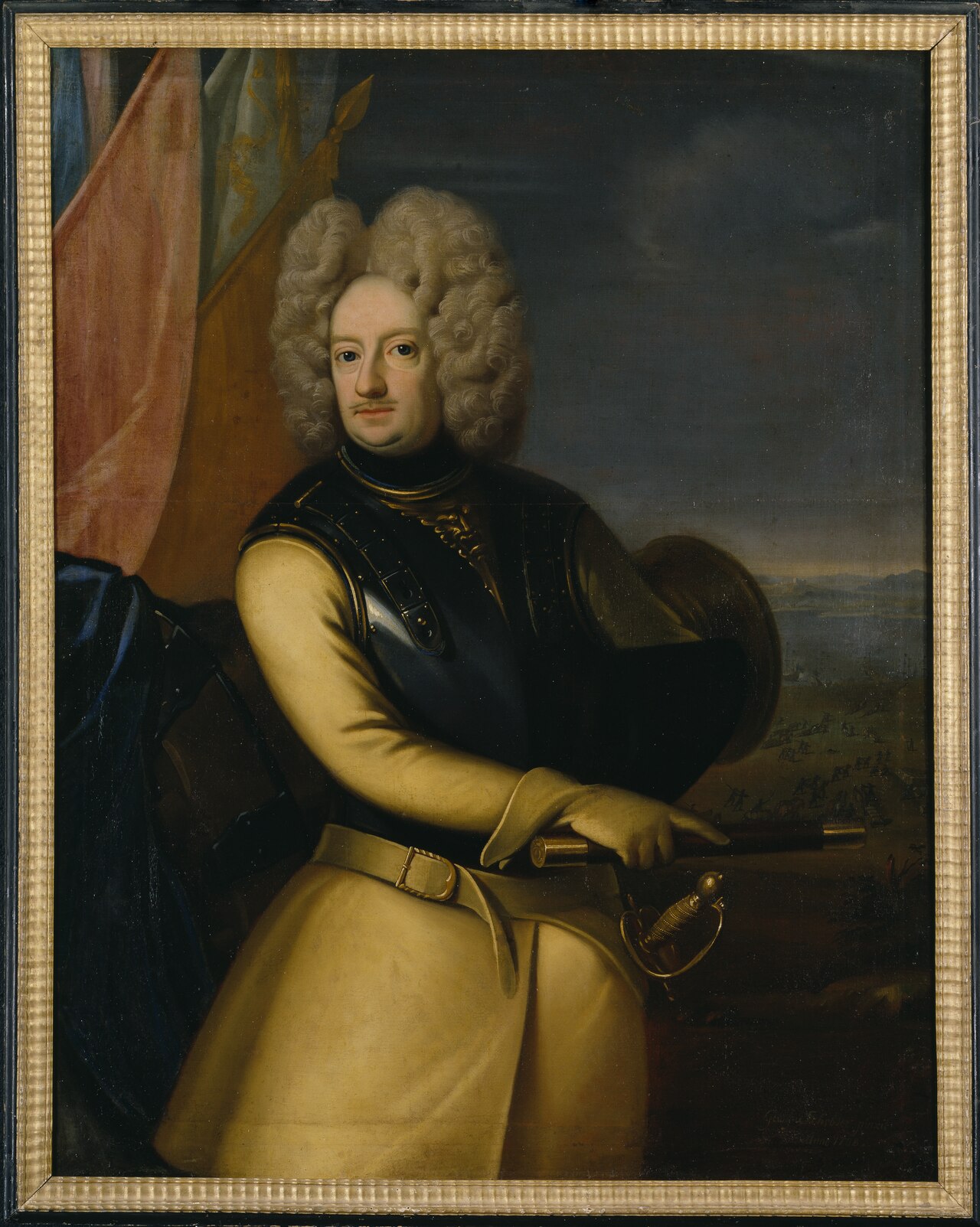
- Magnus Stenbock, 1665‑1717, Count, Field Marshal (1708) – This portrait of the celebrated Swedish field marshal captures both the military bearing and the personal dignity of Stenbock. Schröder rendered the uniform and insignia with exacting detail, while the sitter’s expression conveys a measured confidence.
These works collectively illustrate Schröder’s versatility, ranging from formal portraiture to complex allegorical narratives. They also reflect his ability to adapt to the tastes of both domestic patrons and foreign visitors.
Influence and legacy Although Schröder did not found a distinct school, his oeuvre contributed to the gradual evolution of Swedish painting from a predominantly foreign‑influenced Baroque towards a more nuanced, locally resonant style. His integration of European techniques with Swedish iconography helped pave the way for later 18th‑century artists who would further develop a national artistic identity. Contemporary Swedish art historians regard Schröder as a bridge figure—one who preserved the technical rigour of the Baroque while subtly introducing the lighter, decorative elements that would dominate the Rococo period.
Schröder’s paintings remain in several public collections, including the Nationalmuseum in Stockholm, where they are frequently cited as exemplars of early‑modern Swedish portraiture and allegory. His works continue to be studied for their compositional clarity, refined technique, and the way they encapsulate the cultural exchanges between Sweden and the broader European artistic community of the early 1700s.
In scholarly discourse, Schröder is often referenced alongside his contemporaries for his ability to negotiate the expectations of court patronage while maintaining a personal artistic voice. Modern exhibitions occasionally feature his pieces alongside other Nordic artists to highlight the cross‑regional dialogue that characterised the period. Through these continued displays and academic attention, Georg Engelhard Schröder retains a modest but enduring presence in the narrative of European art history.
Frequently asked questions
Who was Georg Engelhard Schröder?
Georg Engelhard Schröder (1684–1750) was a Swedish painter from Stockholm known for his portraits and allegorical works in the early 18th century.
What artistic style or movement is Schröder associated with?
Schröder worked in a late Baroque style that incorporated emerging Rococo lightness, blending realistic portraiture with allegorical symbolism.
What are his most famous works?
His most renowned paintings include Kozbekçi Mustafa Ağa and his Retinue (1728), the Allegory of the Four Estates (1734), and the portrait of Magnus Stenbock (1708).
Why is Schröder important in art history?
He bridges Swedish Baroque painting and the later Rococo, influencing the development of a distinct Swedish artistic identity and exemplifying cultural exchange in early‑modern Europe.
How can I recognise a painting by Schröder?
Look for smooth oil glazing, meticulous rendering of fabrics, balanced allegorical composition, and a subtle use of light that highlights the central figure while keeping the background subdued.