Georg Desmarées
1697 – 1776
In short
Georg Desmarées (1697–1776) was a Swedish‑born portrait painter who worked chiefly in Germany and is associated with the Rococo style. He is best known for refined aristocratic portraits such as the Group Portrait (1767) and the portrait of Maria Anna Sophia of Saxony.
Notable works


_-_SA_40408_-_Amsterdam_Museum.jpg)
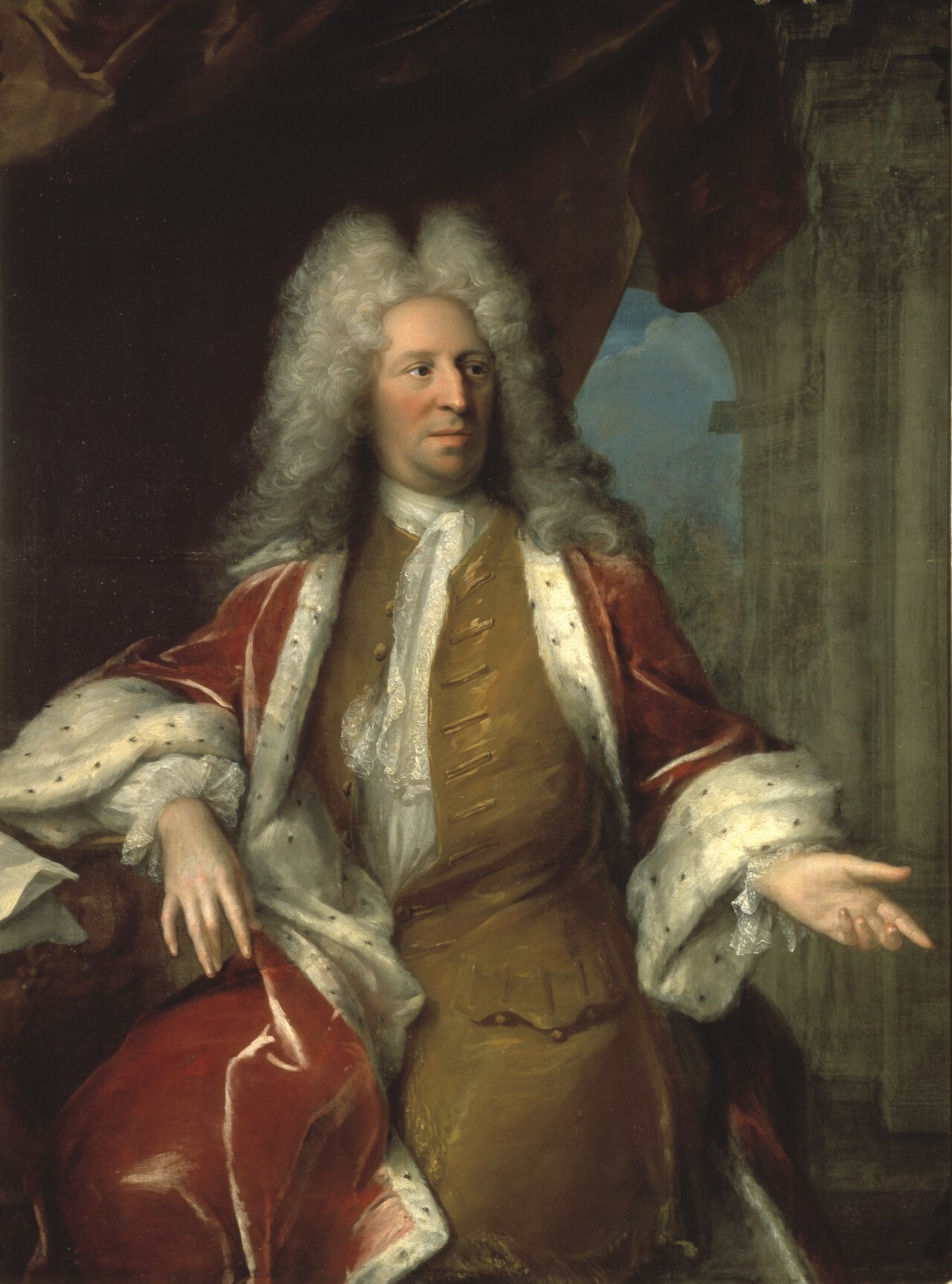
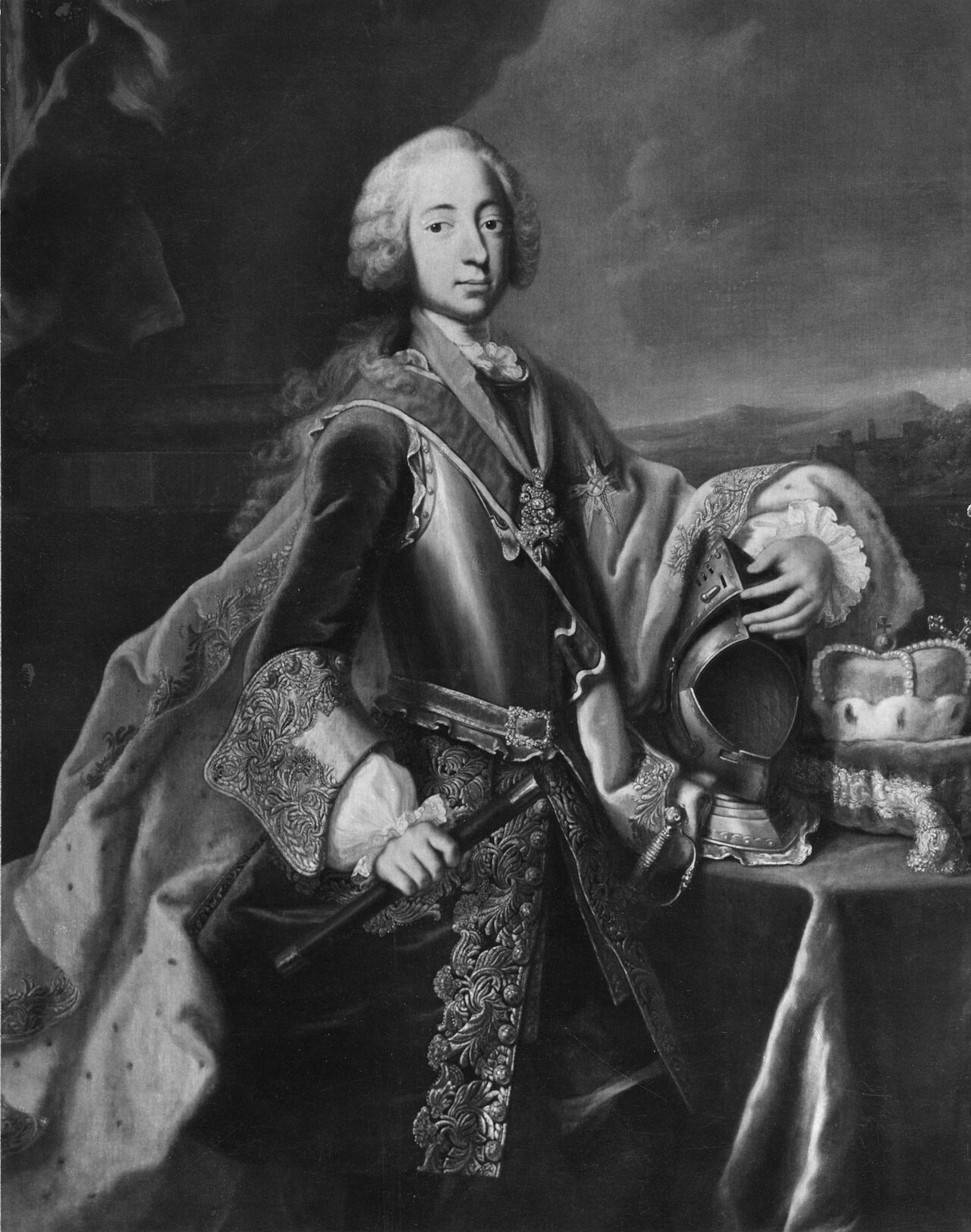
Early life Georg Desmarées was born in Stockholm in 1697 into a family that had artistic connections, which encouraged his early interest in drawing. Little is recorded about his childhood education, but it is known that he received his first formal training in Sweden before moving to the German lands, where he would spend the majority of his professional life. His relocation to the German-speaking world was typical of Swedish artists of the period seeking broader patronage and exposure to the flourishing courts of Central Europe.
Career and style Desmarées established himself in Munich, a city that, in the early eighteenth century, was a vibrant centre for courtly art under the patronage of the Bavarian electors. He quickly became a sought‑after portraitist among the aristocracy and the emerging bourgeoisie. His work reflects the Rococo aesthetic that dominated European art in the mid‑1700s, characterised by elegant compositions, soft colour palettes, and an emphasis on grace and refinement. Unlike the more exuberant decorative painters of the period, Desmarées focused on the intimate representation of his sitters, capturing both their social rank and personal demeanor.
His portraits are marked by a delicate handling of light, a muted yet luminous colour scheme, and a compositional calm that avoids the theatrical excesses of some of his contemporaries. This restraint aligns him with a subset of Rococo artists who blended the movement’s ornamental sensibility with a more restrained, courtly realism.
Signature techniques Desmarées developed a recognisable technique that combined meticulous drawing with subtle oil glazing. He began each portrait with a careful underdrawing, often using fine charcoal or ink to map the facial features and drapery. Once the composition was set, he applied thin layers of oil paint, building up colour gradually to achieve a soft, almost translucent skin tone. This glazing method allowed him to render the delicate flesh tones and the luminous quality of silk and satin fabrics.
His handling of light is another hallmark: he favoured a gentle, diffused illumination that highlights the sitter’s face while keeping the background relatively subdued. This approach creates a sense of depth without the stark contrasts found in Baroque portraiture. Additionally, Desmarées paid close attention to the rendering of jewellery and insignia, using fine brushwork to convey the sparkle of precious stones, thereby emphasizing the status of his patrons.
Major works Among Desmarées’ most celebrated paintings are several portraits that illustrate his mastery of Rococo elegance. The *Group Portrait* (1767) showcases a gathering of aristocratic figures, each rendered with individual character yet unified by a harmonious colour scheme. The composition demonstrates his skill in arranging multiple sitters within a single frame while maintaining a balanced visual rhythm.
The *Portrait of Maria Anna Sophia of Saxony, Electress of Bavaria* (1763) is a quintessential example of his court portraiture. Here, the Electress is depicted in sumptuous attire, her jewellery rendered with meticulous detail. The subtle modelling of her face and the soft chiaroscuro convey both regal authority and personal grace.
In the *Portrait of Esther Barbara Bloemart* (1725), Desmarées captures a younger, perhaps more private, aspect of his subjects. The sitter’s modest dress and the restrained background underscore the painter’s ability to adapt his style to different social contexts while preserving his characteristic softness.
The portrait of *Nicodemus Tessell* (1723) and that of *Maximilian III Josef* (the Elector of Bavaria, married to Maria Anna of Saxony) further attest to his reputation among high‑ranking patrons. These works combine precise likenesses with an idealised elegance typical of Rococo portraiture, reinforcing the painter’s role as a chronicler of the Bavarian court.
Influence and legacy Georg Desmarées’ reputation rests on his capacity to fuse the Rococo’s decorative charm with a disciplined portraiture that served the political and social needs of his patrons. While he never achieved the fame of some of his contemporaries in Paris or Vienna, his work contributed to the visual culture of the Bavarian court and helped disseminate Swedish artistic talent across Central Europe.
His portraits continued to be collected by later generations, influencing subsequent German portrait painters who admired his refined technique and subtle treatment of light. In modern scholarship, Desmarées is recognised as a bridge between the Swedish artistic tradition and the German Rococo, illustrating the transnational flow of styles and ideas in the eighteenth century.
Today, his paintings are held in several European museum collections, where they serve as valuable examples of court portraiture and the broader aesthetic currents of the Rococo period. Scholars and curators cite Desmarées when discussing the nuanced interplay between personal likeness and aristocratic representation in early modern European art.
Overall, Georg Desmarées remains an important figure for understanding the diffusion of Rococo sensibilities beyond France and the role of portraiture in shaping the visual identity of eighteenth‑century European elites.
Frequently asked questions
Who was Georg Desmarées?
Georg Desmarées (1697–1776) was a Swedish‑born portrait painter who worked mainly in Munich and is associated with the Rococo movement.
What artistic style or movement is Desmarées linked to?
His work epitomises the Rococo style, characterised by elegant composition, soft colours, and a refined handling of light.
What are his most famous works?
Key works include the *Group Portrait* (1767), the *Portrait of Maria Anna Sophia of Saxony, Electress of Bavaria* (1763), and the *Portrait of Esther Barbara Bloemart* (1725).
Why is Georg Desmarées important in art history?
He exemplifies the cross‑national spread of Rococo aesthetics and provides a clear example of high‑level court portraiture in eighteenth‑century Germany.
How can I recognise a Desmarées painting?
Look for softly glazed skin tones, delicate illumination, meticulous rendering of fabrics and jewellery, and a restrained, elegant composition typical of Rococo portraiture.