Ferdinand Julius Fagerlin
1825 – 1907
In short
Ferdinand Julius Fagerlen (1825–1907) was a Swedish‑German genre painter who spent most of his professional life in Düsseldorf. He is noted for domestic and interior scenes such as The Home‑Coming (1885) and The Convalescent (1867), and he taught a generation of artists while maintaining a close partnership with his wife, the painter Alice Ritter.
Notable works
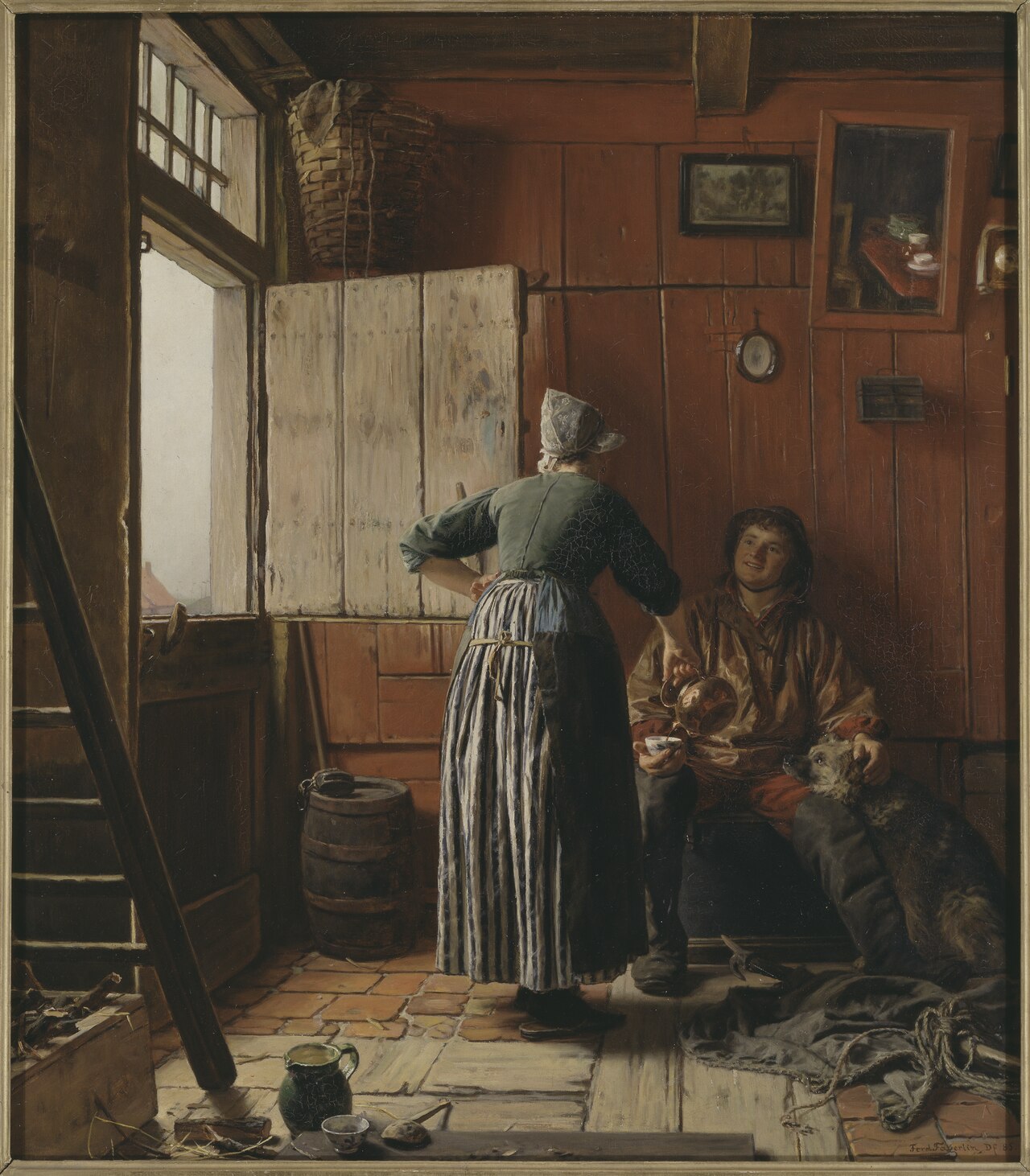
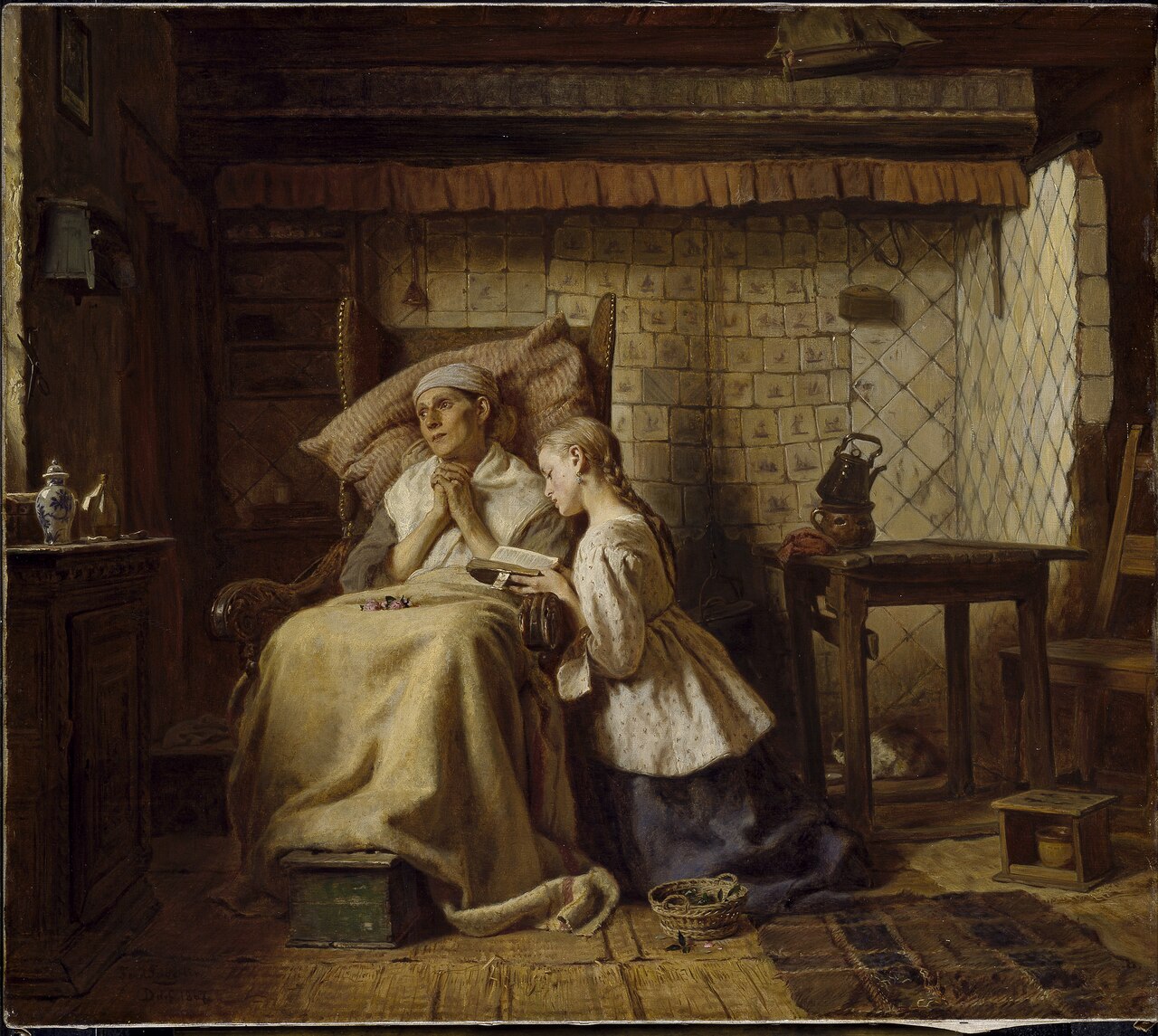

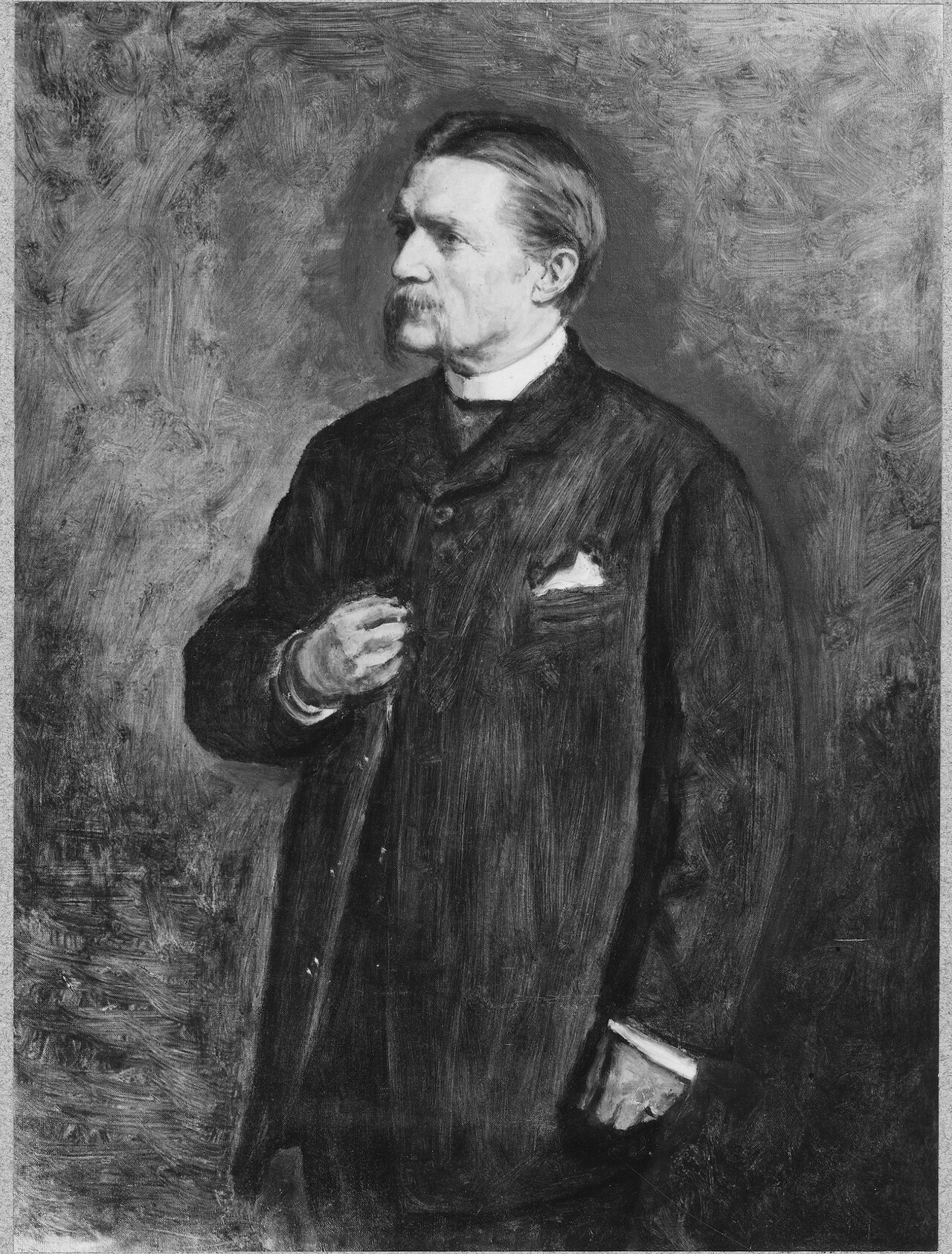
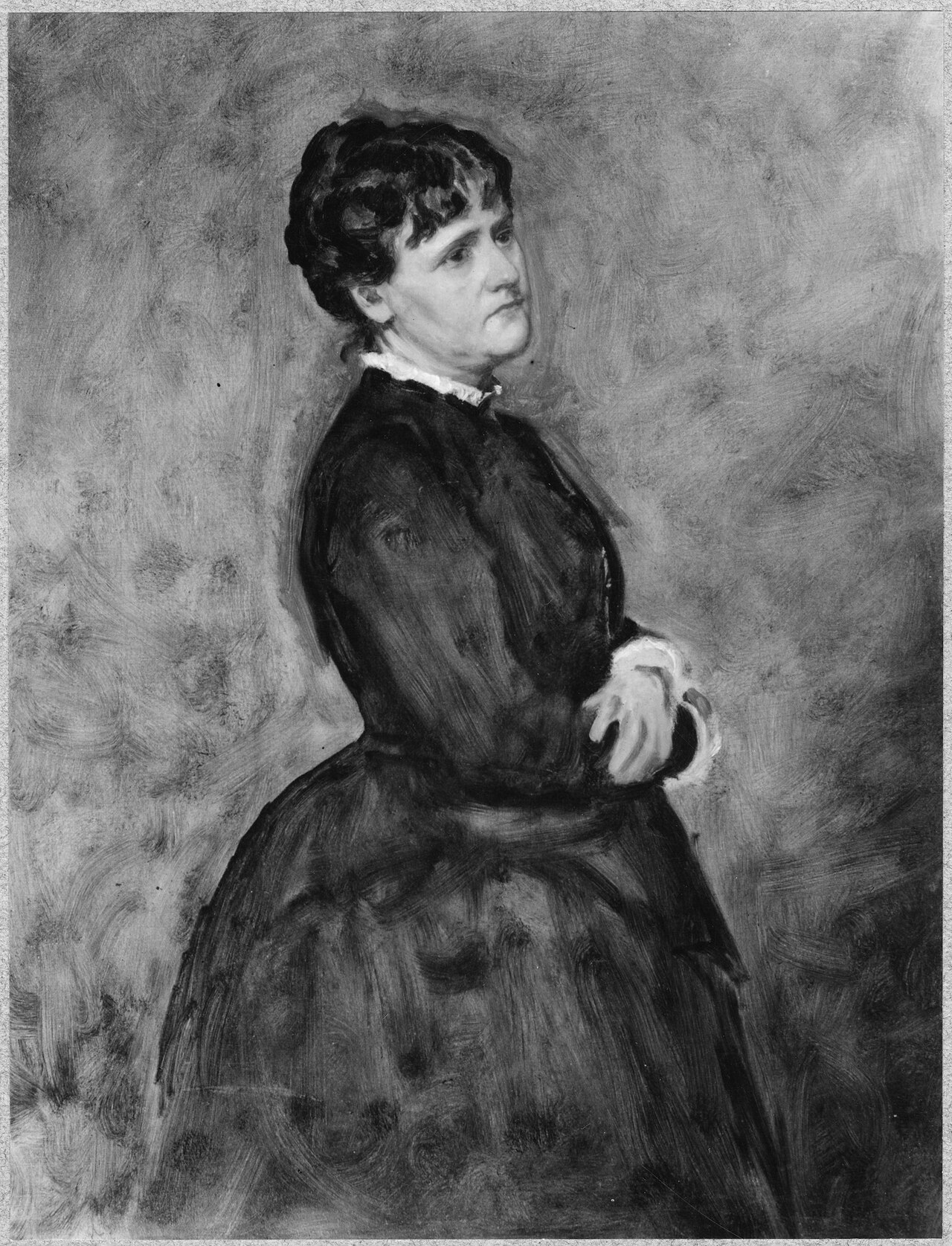
Early life Ferdinand Julius Fagerlin was born in 1825 in Stockholm, Sweden. Little is recorded about his family background, but his early exposure to the visual arts in Sweden’s capital likely set the foundation for his later artistic pursuits. In the mid‑19th century, a growing number of Swedish artists travelled to Germany to receive formal training, and Fagerlin was among those who chose the thriving artistic centre of Düsseldorf as his destination. The city’s Academy of Fine Arts offered a rigorous curriculum that combined drawing from life, study of classical models, and an emphasis on narrative painting. While specific enrolment dates are not documented, it is clear that the artist’s formative years were shaped by this cross‑national environment, which blended Swedish sensibilities with the German tradition of genre painting.
Career and style After completing his studies, Fagerlin established himself as a genre painter in Düsseldorf, a city that had become a hub for artists interested in everyday life and domestic scenes. His work reflects the hallmarks of the Düsseldorf School: meticulous draftsmanship, a clear narrative focus, and a palette that balances naturalistic colour with subtle tonal harmonies. Fagerlin’s paintings often depict intimate moments—family gatherings, quiet interiors, and moments of recovery—capturing the emotional undercurrents of ordinary experience. Though he never aligned himself with a formal avant‑garde movement, his oeuvre aligns with the broader 19th‑century European interest in realism and the moralising potential of genre scenes.
Throughout his career, Fagerlin maintained a steady output of works that were exhibited in both German and Swedish venues. His reputation as a competent and reliable painter earned him commissions from private patrons and public institutions alike. In addition to his practice as a painter, he served as a professor at the Düsseldorf Academy, where he guided younger artists in the principles of composition, colour, and narrative content. His marriage to Alice Ritter, herself an accomplished painter, created a productive artistic partnership that further enriched the cultural milieu of the city.
Signature techniques Fagerlin’s technique is characterised by several recurring elements. First, his handling of light and shadow demonstrates a disciplined use of chiaroscuro to model form and convey atmosphere. He often employed a soft, diffused light that bathes interior scenes, creating a sense of calm and intimacy. Second, his brushwork is fine and controlled, allowing for detailed rendering of textures such as fabric, wood, and porcelain. Third, he favoured a compositional balance that centres the human figure within a carefully arranged setting, guiding the viewer’s eye toward the narrative focal point. Finally, his colour palette tends toward muted earth tones punctuated by modest accents of red or blue, reinforcing the naturalistic tone of his subjects.
Major works Fagerlin’s most widely recognised paintings include *The Home‑Coming* (1885), *The Convalescent* (1867), and a self‑portrait dated 1878. *The Home‑Coming* portrays a family reunion in a modest domestic interior, with figures arranged around a table laden with food. The composition highlights the emotional warmth of the scene, while the subtle lighting underscores the sense of return after a period of absence. *The Convalescent* offers a quieter, more contemplative moment: a young woman rests in a well‑furnished room, her posture suggesting recovery from illness. The painting’s delicate handling of light through a nearby window and the careful rendering of textiles exemplify Fagerlin’s skill in conveying both physical and emotional states. The self‑portrait, created in 1878, presents the artist at his easel, surrounded by the tools of his trade. The work is notable for its candid expression and the reflective quality of the surrounding space, offering insight into the painter’s self‑perception and his place within the artistic community of Düsseldorf.
Influence and legacy Fagerlin’s legacy rests on his contribution to the genre tradition within the German‑Swedish artistic exchange of the 19th century. By integrating Swedish narrative sensibilities with the disciplined techniques of the Düsseldorf School, he helped broaden the visual vocabulary available to artists on both sides of the Baltic. His teaching role at the Academy ensured that his methodological approach to composition and colour was transmitted to subsequent generations, many of whom continued to work within the realist tradition. Although he never achieved the fame of some of his contemporaries, his works remain valuable records of everyday life in the period and are displayed in regional museums and private collections. The partnership with Alice Ritter also highlights the often‑overlooked contributions of women artists in the era, providing a more nuanced picture of the artistic networks that shaped European art in the late 19th century. Today, scholars and collectors appreciate Fagerlin for his technical proficiency, his honest portrayal of domestic scenes, and his role as a cultural bridge between Sweden and Germany.
Frequently asked questions
Who was Ferdinand Julius Fagerlin?
Ferdinand Julius Fagerlin (1825–1907) was a Swedish‑German genre painter who spent most of his career in Düsseldorf, known for domestic interior scenes and teaching at the Academy.
What artistic style or movement is he associated with?
He is linked to the 19th‑century genre painting tradition and the Düsseldorf School, favouring realistic narratives and careful composition rather than a specific avant‑garde movement.
What are his most famous works?
His best‑known paintings include *The Home‑Coming* (1885), *The Convalescent* (1867) and his self‑portrait of 1878, all exemplifying his genre‑focused, intimate style.
Why is Fagerlin important in art history?
He contributed to the cross‑cultural exchange between Sweden and Germany, taught a generation of artists, and provided a detailed visual record of everyday life in the late 19th century.
How can I recognise a painting by Fagerlin?
Look for finely rendered domestic interiors, soft diffused lighting, muted earth tones with subtle colour accents, and a calm, narrative focus on ordinary moments.