Elias Martin
1739 – 1818
In short
Elias Martin (1739‑1818) was a Swedish painter and engraver from Stockholm, recognised as the country’s first great landscape artist. He worked in genre, history and landscape painting, producing watercolours of Stockholm and oil landscapes noted for their romantic lighting.
Notable works
Early life Elias Martin was born in Stockholm in 1739, a period when Sweden was emerging from the Age of Greatness and its artistic scene was still heavily influenced by foreign styles. Little is documented about his family background, but records indicate that he received a solid artistic education in his native city, likely at the Royal Drawing Academy (then known as the Academy of Fine Arts). The academy provided training in drawing, perspective and the fundamentals of painting, which equipped Martin with the technical skills that would later define his work.
Career and style Martin began his professional career in the 1760s, initially focusing on genre and history subjects that were popular among Swedish patrons. By the late 1760s he turned increasingly towards landscape painting, a genre that was still relatively under‑developed in Sweden. His landscapes display a clear affinity with the emerging Romantic sensibility, characterised by dramatic lighting, atmospheric effects and a heightened sense of the sublime in nature. While he never aligned himself with a formal movement, his work anticipates the Romantic landscape tradition that would flourish in the early nineteenth century.
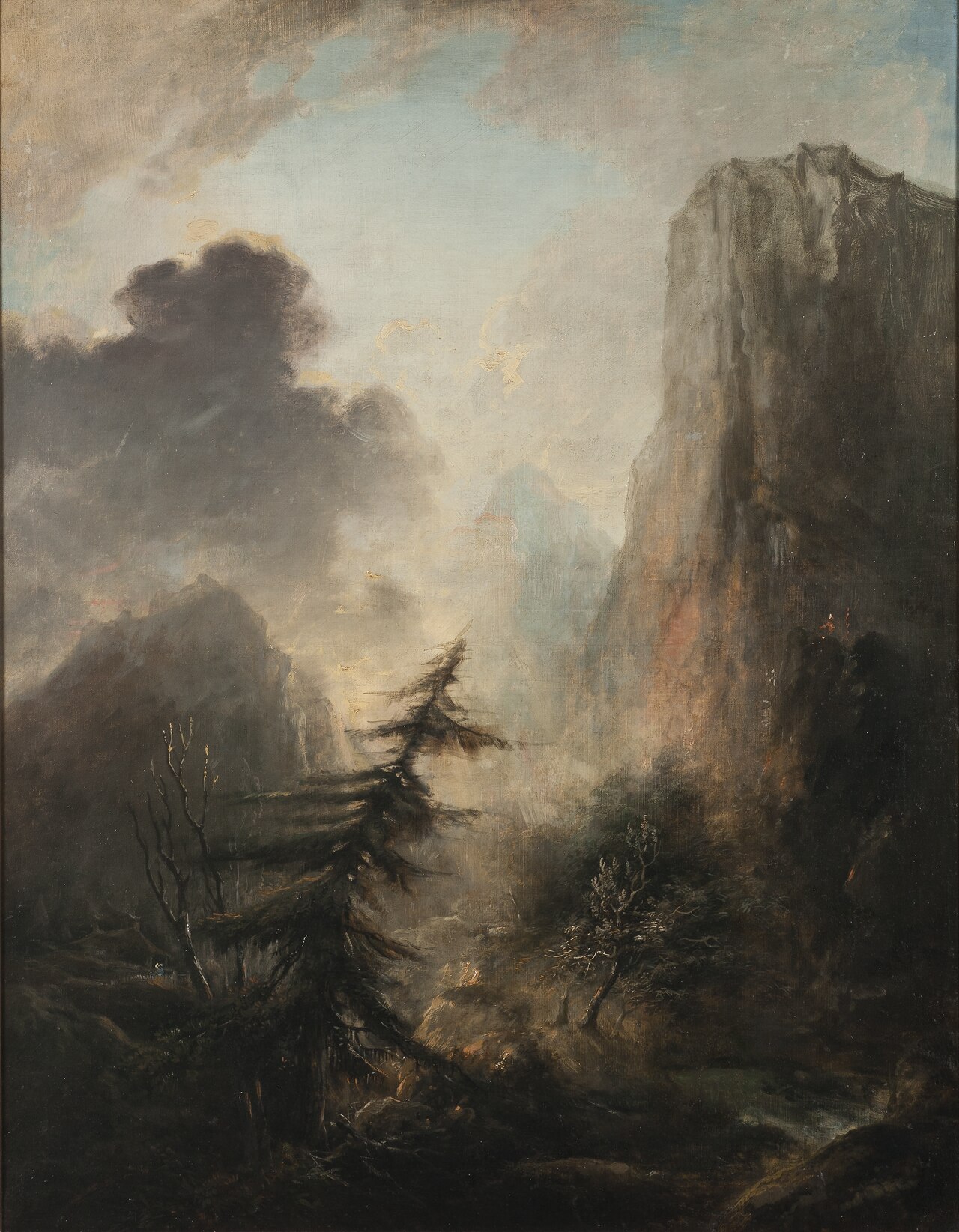
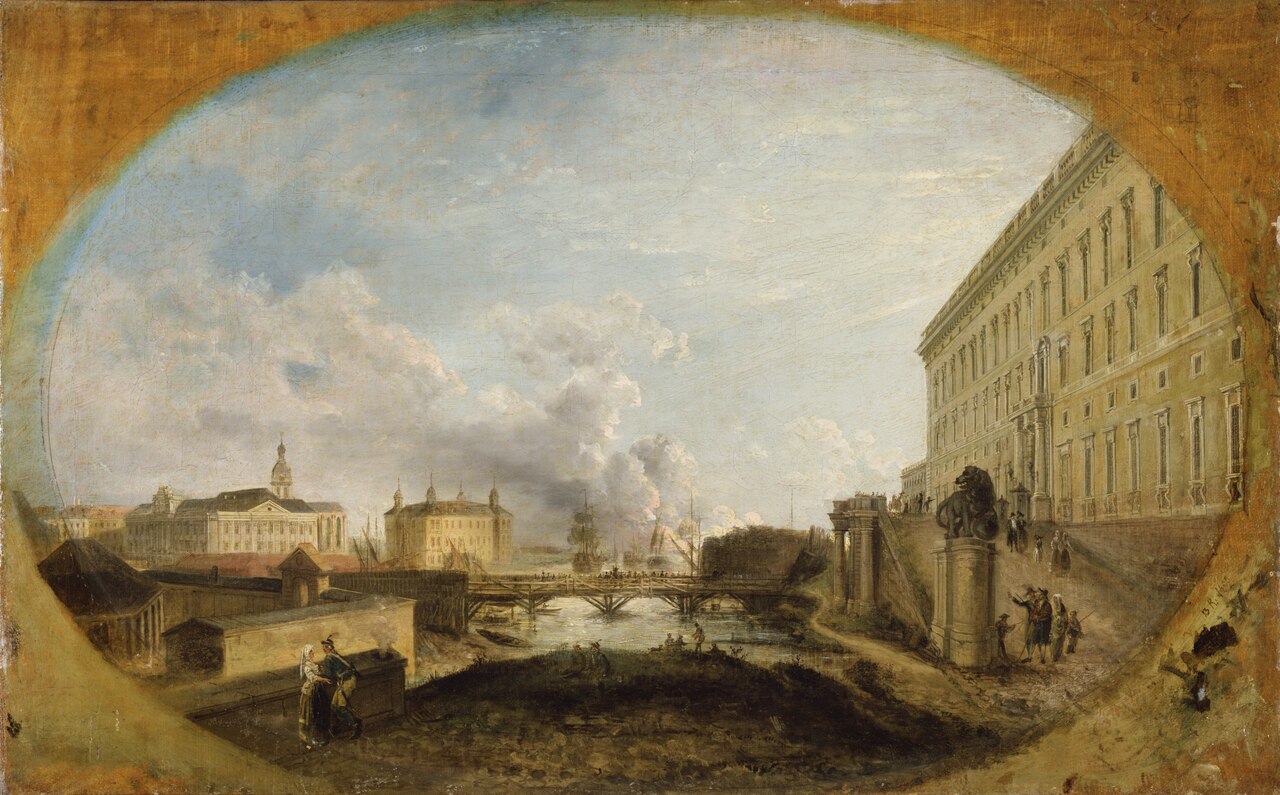
Martin’s oil paintings often employ a warm, golden light that seems to emanate from an unseen source, illuminating trees, water and distant hills. This treatment creates a lyrical mood, emphasizing the emotional response to the natural world rather than strict topographical accuracy. In parallel, his watercolours of Stockholm capture the city’s architectural features with a delicate, almost sketch‑like precision, offering a valuable visual record of the capital’s urban landscape in the late eighteenth century.
Signature techniques Martin’s technique combines a disciplined academic foundation with a personal approach to light and colour. In oil, he layered thin glazes to achieve depth and translucency, allowing the underlying tones to glow through the surface. This method contributed to the soft, atmospheric quality that typifies his landscapes. For watercolours, he employed a fine wash of diluted pigment, often building up colour through successive layers while preserving the crispness of line work for architectural elements. His engravings, though less prolific, display a meticulous line‑cutting style that mirrors the precision of his draughtsmanship.
A recurring motif in Martin’s oeuvre is the use of towering trees—particularly spruces and pines—set against expansive skies. These vertical elements serve both compositional and symbolic purposes, directing the viewer’s eye upward and reinforcing the Romantic fascination with the grandeur of the natural world.
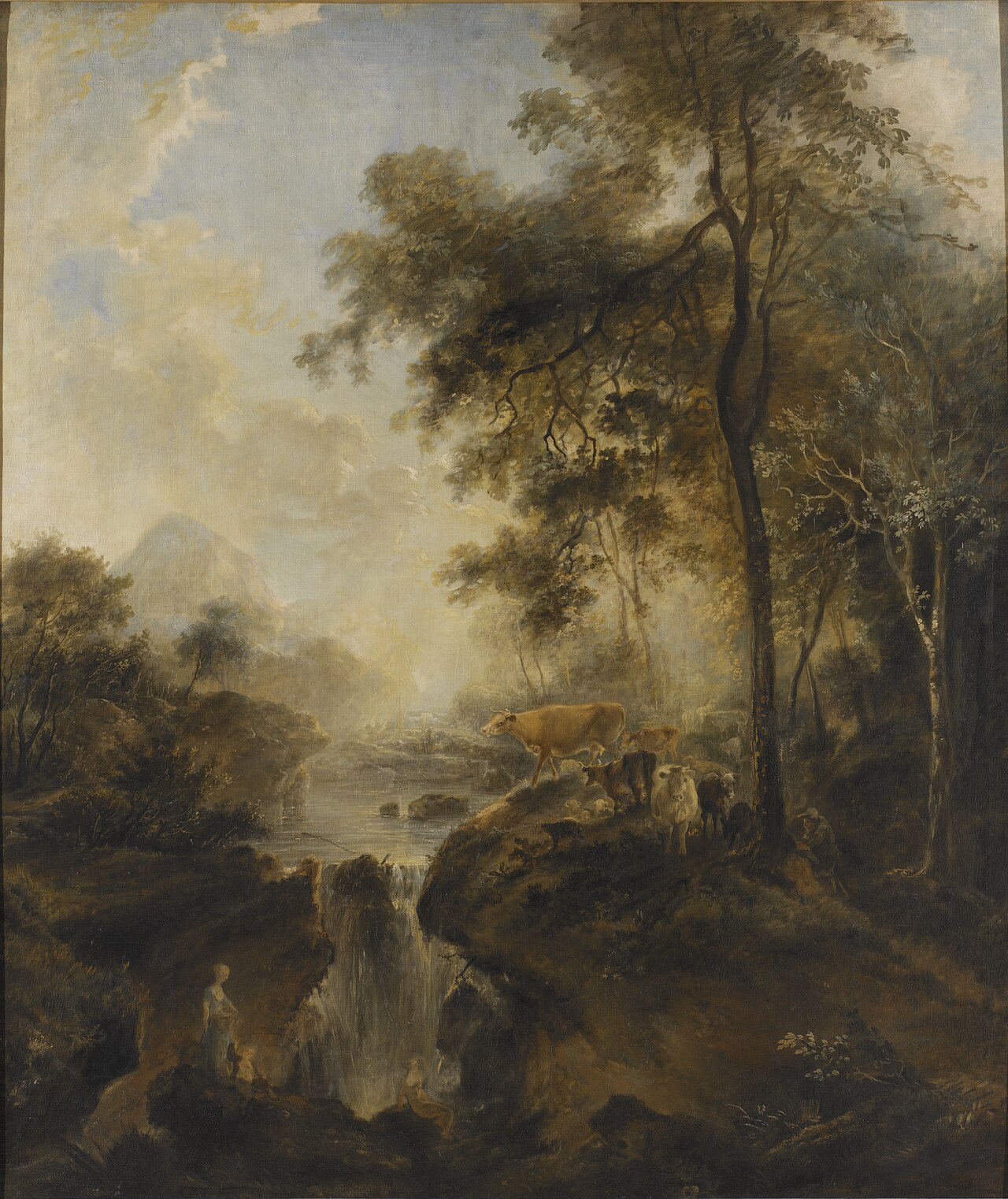
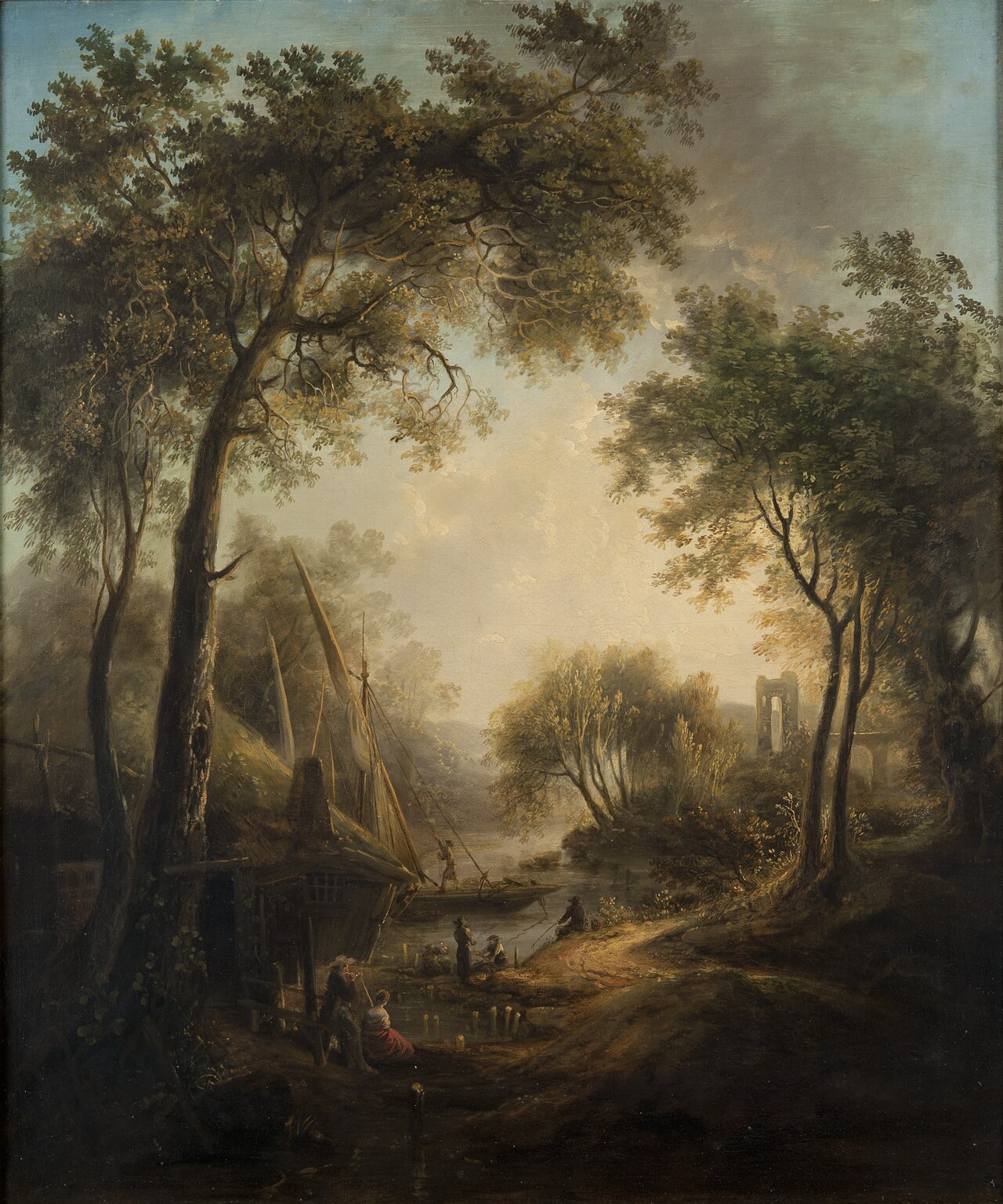
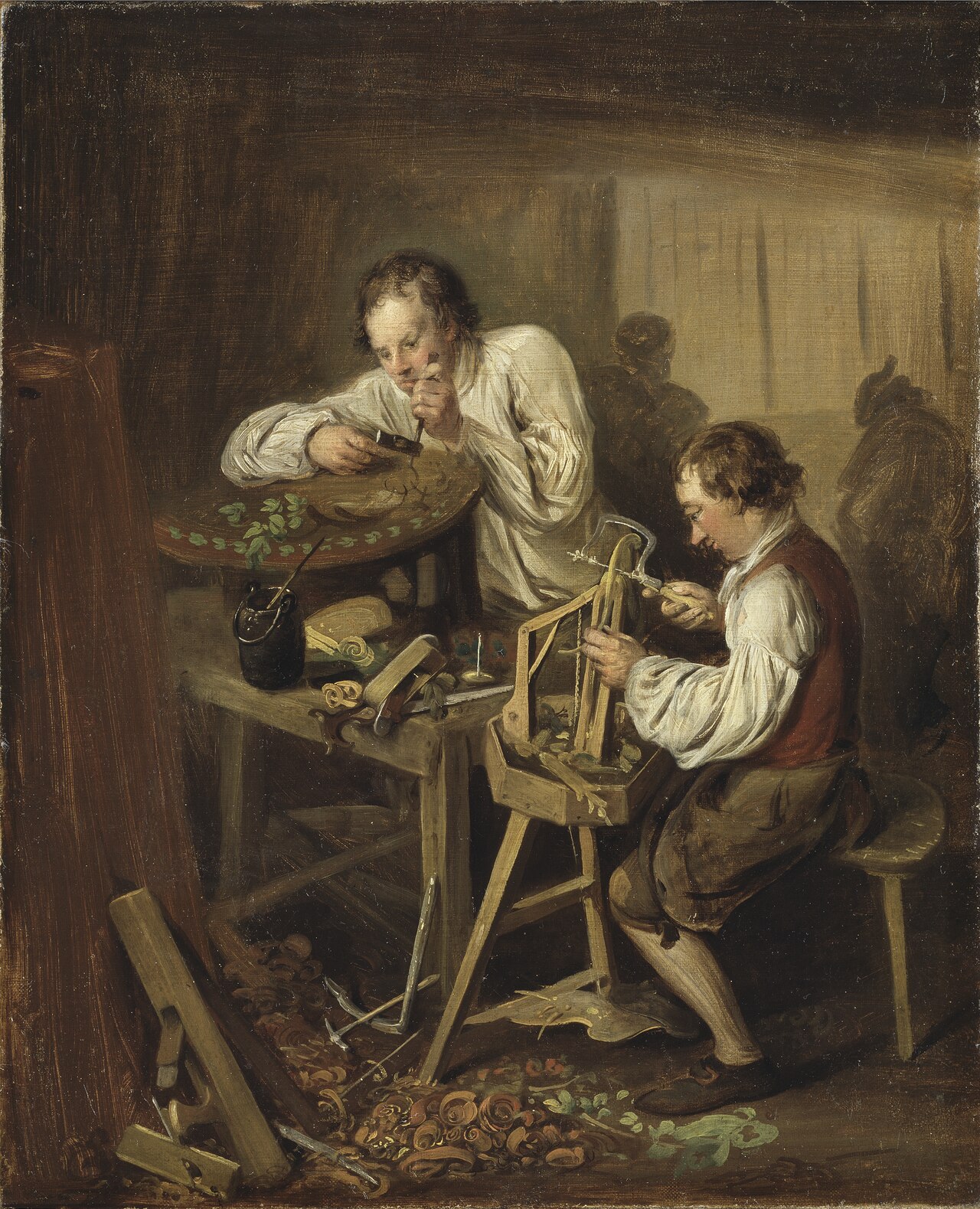
Major works - **Romantic Landscape with Spruce (1780)** – This oil painting exemplifies Martin’s mastery of light. A solitary spruce dominates the foreground, bathed in a warm, amber glow that suggests either sunrise or sunset. The background recedes into mist‑filled hills, creating a sense of depth and mystery. - **Landscape with a Waterfall and Cattle (1768)** – One of his earlier landscape pieces, it juxtaposes pastoral activity with a dramatic cascade. The composition balances the tranquil presence of cattle with the kinetic energy of the waterfall, showcasing Martin’s ability to integrate human elements within natural settings. - **Summer Landscape with Water and Tall Trees** – Though undated, this work reflects the artist’s continued interest in the interplay of water and foliage. Tall trees rise alongside a reflective pool, their reflections rendered with delicate brushwork that captures the shimmering surface. - **The Ebonists (1750)** – An early genre painting, likely executed when Martin was still in his teens. The title hints at a darker, perhaps allegorical theme, and the piece demonstrates his early skill in handling chiaroscuro. - **View of Stockholm** – A series of watercolours depicting the capital’s streets, harbour and notable buildings. These works are valued not only for their aesthetic qualities but also as historical documents of Stockholm’s urban environment before the turn of the nineteenth century.
Influence and legacy Elias Martin occupies a pivotal place in Swedish art history. Nationalencyklopedin describes him as Sweden’s “first great landscape painter”, a testament to his role in establishing landscape as a respected genre in the country. His romantic lighting and atmospheric treatment of nature influenced subsequent generations of Swedish artists, who drew inspiration from his ability to blend academic rigour with emotive expression.
Beyond his immediate artistic impact, Martin’s watercolours of Stockholm provide invaluable insight into the city’s appearance in the late eighteenth century, informing both historians and contemporary artists who study urban change. Though he did not found a formal school or movement, his works were exhibited in Stockholm’s early public exhibitions and were reproduced in engravings that circulated throughout Scandinavia, extending his reputation beyond Sweden’s borders.
In the broader European context, Martin’s landscapes align with the shift towards Romanticism that was taking hold in France, England and Germany. While he remained largely a national figure, his paintings demonstrate that the Romantic sensibility was a pan‑European phenomenon, adapting to local topographies and cultural narratives. Today, his paintings are held in the Nationalmuseum in Stockholm and other Swedish collections, where they continue to be displayed as exemplars of early Romantic landscape art.
Martin’s legacy endures in contemporary Swedish landscape painting, where the emphasis on light, atmosphere and the emotive potential of nature can be traced back to his pioneering work. Scholars and curators frequently reference his oeuvre when discussing the evolution of Swedish art from the late Baroque through the Romantic era, underscoring his lasting relevance in art‑historical discourse.
Frequently asked questions
Who was Elias Martin?
Elias Martin (1739‑1818) was a Swedish painter and engraver from Stockholm, celebrated as the country’s first great landscape artist.
What style or movement is he associated with?
He is not tied to a formal movement, but his landscapes anticipate Romanticism through their dramatic lighting and atmospheric effects.
What are his most famous works?
Key works include Romantic Landscape with Spruce (1780), Landscape with a Waterfall and Cattle (1768), Summer Landscape with Water and Tall Trees, The Ebonists (1750), and his View of Stockholm watercolours.
Why does he matter in art history?
Martin pioneered Swedish landscape painting, influencing later artists and providing valuable visual records of eighteenth‑century Stockholm.
How can I recognise an Elias Martin painting?
Look for romantic lighting, soft glazes in oil, delicate washes in watercolour, and recurring motifs such as tall spruce trees against misty skies.