David von Krafft
1655 – 1724
In short
David von Krafft (1655–1724) was a German‑Swedish portrait painter who succeeded his uncle David Klöcker Ehrenstrahl as the official painter of the Swedish Royal Court. He is best known for his formal portraits of Swedish royalty and high‑ranking officials in the early 18th century.
Notable works
,_koning_van_Zweden_Rijksmuseum_SK-A-982.jpeg)
Early life David von Krafft was born in 1655 in Hamburg, then part of the Holy Roman Empire. He came from a family with strong artistic connections; his mother was the sister of the prominent Swedish court painter David Klöcker Ehrenstrahl. Growing up in a household that valued the visual arts, Krafft received his first instruction from his uncle, who recognised his nephew’s aptitude for drawing and painting. By his late teens, Krafft had moved to Sweden with his uncle, where he continued his apprenticeship in the Royal Court’s workshops. The cross‑cultural environment of Hamburg and Stockholm gave him exposure to both Germanic and Dutch artistic traditions, laying a foundation for his later work.
Career and style After completing his training, Krafft worked as an assistant to Ehrenstrahl, contributing to royal commissions and copying masterworks for the court’s collection. In 1719, following the death of Ehrenstrahl, Krafft was appointed the official painter to the Swedish Royal Court. His tenure coincided with a period of political consolidation under King Charles XII and the subsequent regency, during which portraiture served both diplomatic and propagandistic purposes. Krafft’s style reflects the late Baroque aesthetic prevalent in Northern Europe: a formal composition, restrained colour palette, and an emphasis on the sitter’s status through elaborate dress and insignia. While he did not found a distinct movement, his work synthesises German portrait conventions with the emerging Swedish court taste, resulting in images that are both stately and subtly naturalistic.
Signature techniques Krafft’s portraits are characterised by meticulous handling of light and texture. He employed a controlled chiaroscuro to model the faces, giving them a three‑dimensional presence without overt dramatism. Fabrics—especially silk, velvet and lace—are rendered with fine, almost tactile brushstrokes that convey the sheen and weight of the material. Krafft also favoured a limited, harmonious colour scheme, often using deep browns, muted greens and occasional gold highlights to accentuate insignia. His background settings are typically simple, employing draped curtains or a darkened space that keeps the focus on the sitter. These technical choices contributed to a sense of dignified realism that appealed to his aristocratic patrons.
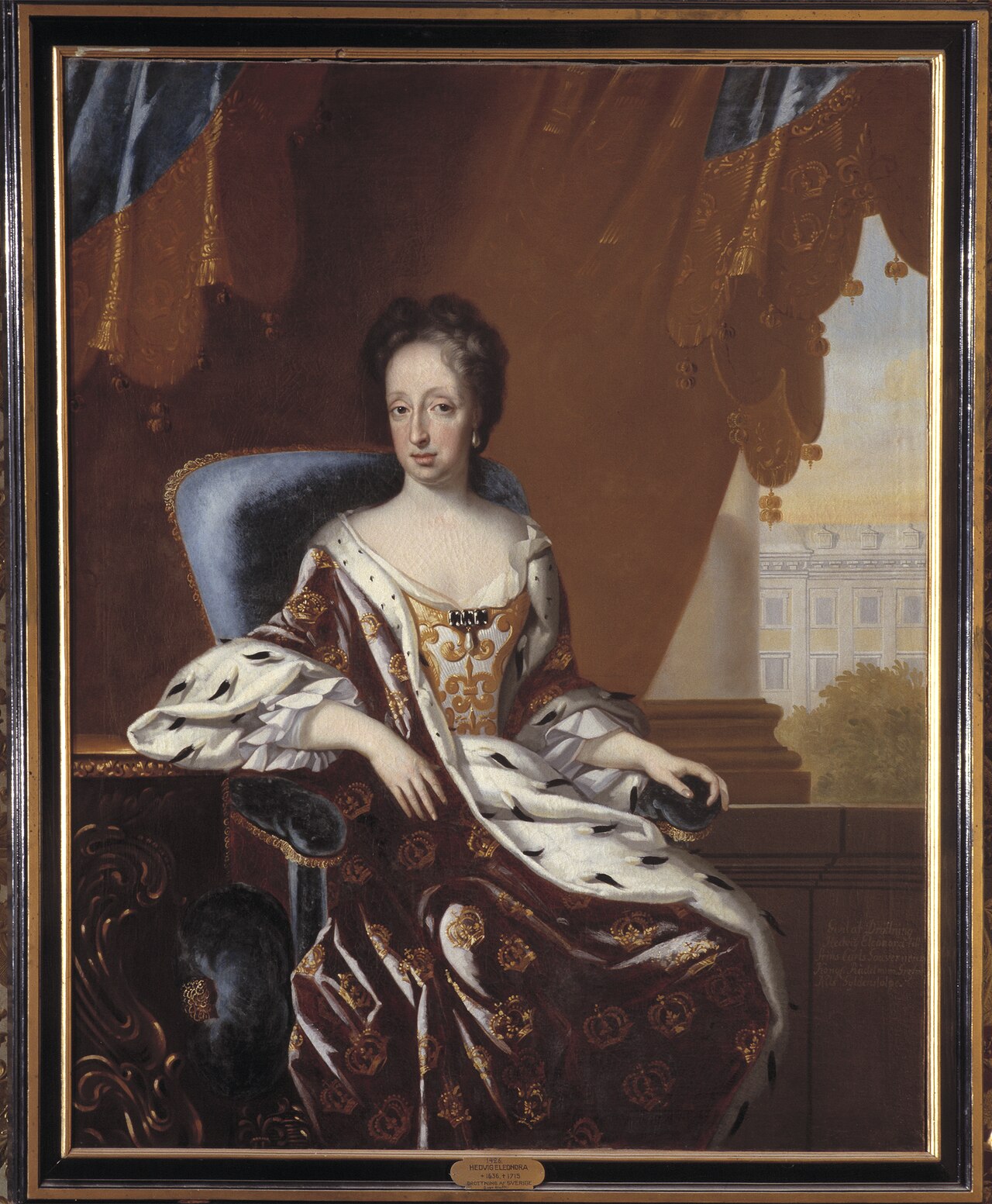
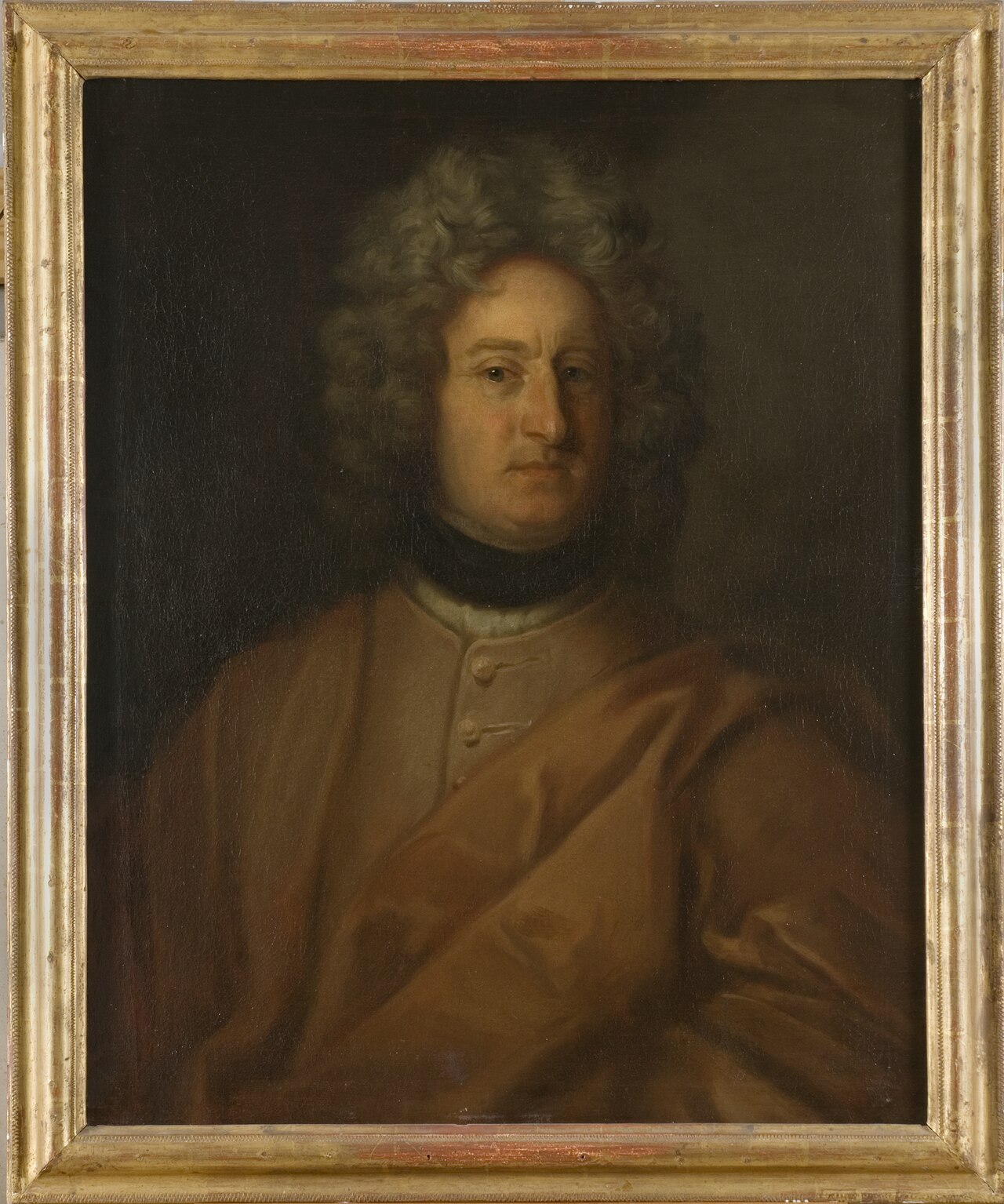
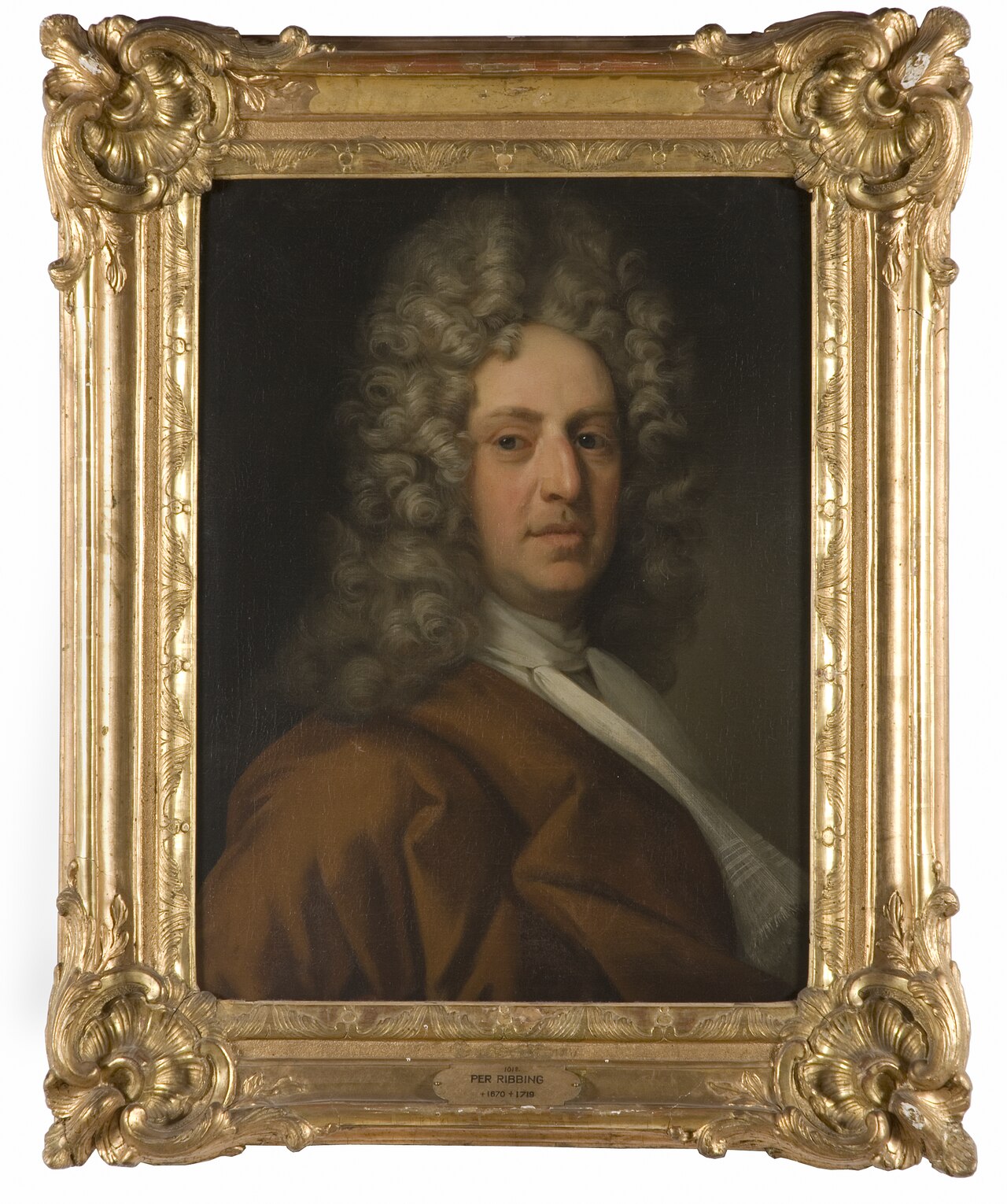
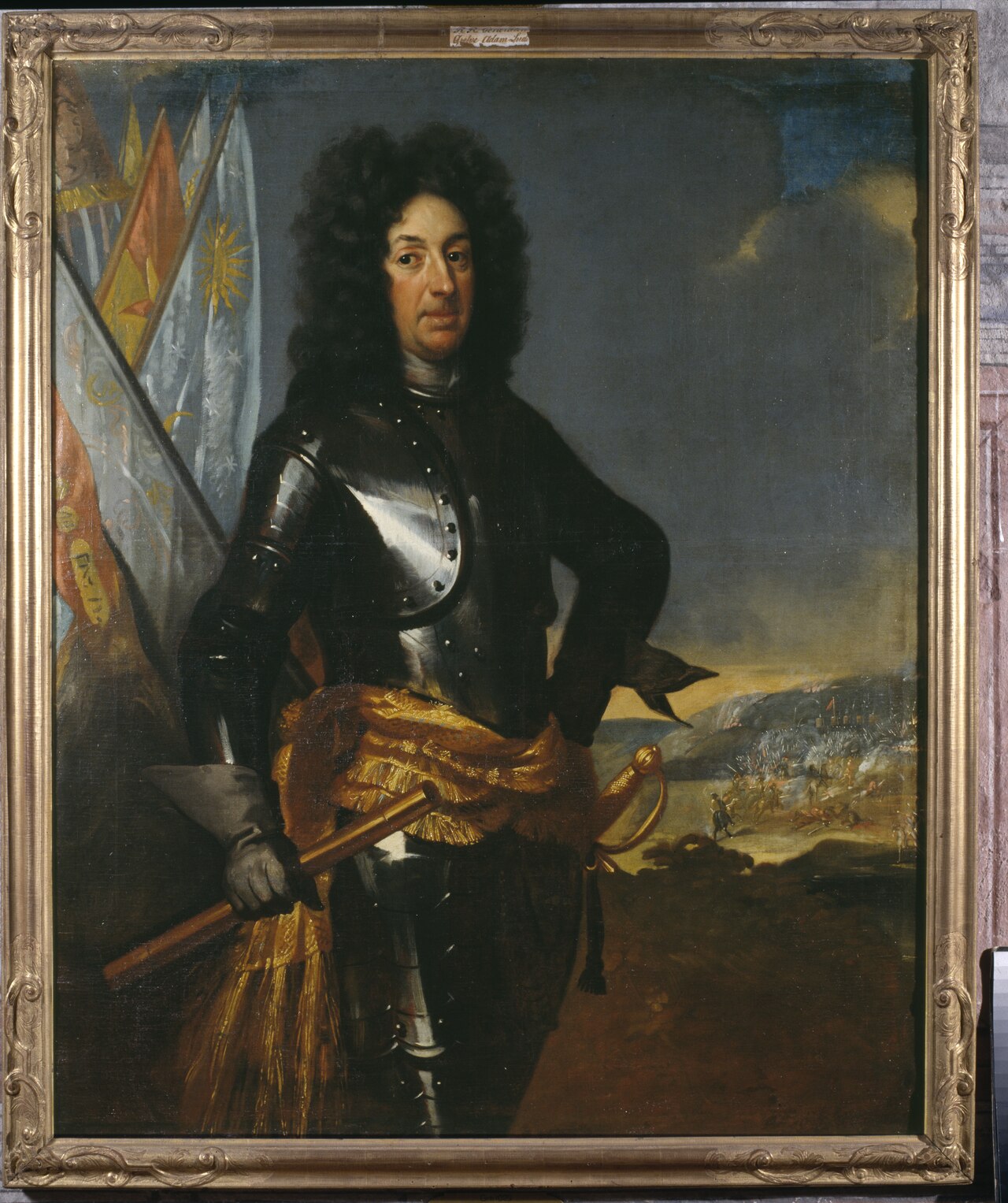
Major works - **Portrait of Hedvig Eleonora (1636–1715), Princess of Holstein‑Gottorp, Queen of Sweden** – This work, executed in the early 1700s, depicts the queen‑dowager as a mature, regal figure. Krafft emphasizes her status through a richly embroidered mantle and the royal regalia she holds, while the soft lighting highlights her aged yet composed visage. - **Portrait of Charles XII, King of Sweden (1750)** – Although dated after Krafft’s death, the portrait is based on an earlier composition that Krafft created for the king’s court. The image presents the monarch in his military uniform, complete with a sword and the distinctive blue coat, rendered with precise attention to the metallic sheen of the armor and the texture of the fabric. - **Christopher Polhem (1661–1751)** – Polhem, a celebrated Swedish inventor and industrialist, is shown seated amid sketches of machinery. Krafft’s treatment balances intellectual gravitas with a subtle hint of curiosity, using a muted background to foreground the subject’s thoughtful expression. - **Per Ribbing af Zernava (1670–1719)** – This portrait captures the Swedish nobleman in a formal pose, dressed in a dark frock coat with a lace collar. Krafft’s skillful rendering of the delicate lace and the faint glint of the signet ring underscores Ribbing’s aristocratic lineage. - **Adam Ludvig Lewenhaupt (1659–1719), Count and General** – In this work, Krafft portrays the military commander in full dress uniform, complete with epaulettes and a sword. The portrait’s composition, with a somber backdrop and a direct gaze, conveys both authority and personal resolve.
Influence and legacy David von Krafft’s tenure as court painter helped solidify the visual language of Swedish royal portraiture in the early 18th century. By bridging Germanic techniques with Swedish expectations, he provided a template that subsequent court artists, such as Johan Henrik Scheibe and Alexander Roslin, would adapt and evolve. Krafft’s works remain valuable primary sources for historians studying the political and cultural milieu of Sweden’s Age of Greatness, offering insight into the attire, insignia and self‑presentation of the era’s elite. Though his name is less widely known outside specialist circles, his portraits continue to be displayed in Swedish royal collections and museums, preserving his contribution to the nation’s artistic heritage.
Frequently asked questions
Who was David von Krafft?
David von Krafft (1655–1724) was a German‑Swedish portrait painter who succeeded his uncle David Klöcker Ehrenstrahl as the official painter of the Swedish Royal Court.
What artistic style or movement is he associated with?
Krafft worked in a late Baroque style, blending German portrait conventions with the emerging tastes of the Swedish court, characterised by formal composition, restrained colour and careful rendering of fabrics.
What are his most famous works?
His most notable portraits include the queen‑dowager Hedvig Eleonora, King Charles XII, inventor Christopher Polhem, nobleman Per Ribbing af Zernava, and General‑Count Adam Ludvig Lewenhaupt.
Why is David von Krafft important in art history?
He helped define the visual language of Swedish royal portraiture in the early 18th century, influencing later court painters and providing valuable historical documentation of Sweden’s elite.
How can I recognise a painting by David von Krafft?
Look for formal, three‑dimensional portraits with subtle chiaroscuro, meticulous rendering of luxurious fabrics, a limited colour palette and a simple dark background that keeps the focus on the sitter’s status.