Carl Gustaf Pilo
1711 – 1793
In short
Carl Gustaf Pilo was a Swedish painter born in 1711 and died in 1793, known for his work in Denmark and Sweden, particularly as a painter to the Danish Royal Court. He was also a professor and director at the Royal Danish Academy of Art. Pilo's artwork primarily consisted of portraits and historical scenes, showcasing his skill and attention to detail.
Notable works

Early life Carl Gustaf Pilo was born in 1711 in Runtuna, Sweden. Although the specifics of his early life and training are not well-documented, it is clear that Pilo developed an interest in art from a young age. His early influences and the circumstances that led him to pursue a career in painting are not entirely certain, but his talent and dedication eventually earned him recognition.
Career and style Pilo's career as a painter spanned several decades, during which he worked extensively in both Denmark and his native Sweden. He held significant positions, including painter to the Danish Royal Court and professor and director at the Royal Danish Academy of Art. Pilo's style, while not strictly adhering to a specific art movement, reflects the broader trends of 18th-century European painting, with an emphasis on realism, detail, and the use of light and shadow to create depth and mood.
Signature techniques Pilo's technique was characterized by meticulous attention to detail and a strong sense of composition. He was adept at capturing the textures of fabrics, the play of light on different surfaces, and the subtleties of human expression. While specific signature techniques that uniquely identify Pilo's work are not well-documented, his mastery of traditional painting methods and his ability to convey the essence of his subjects are evident in his portraits and historical scenes.
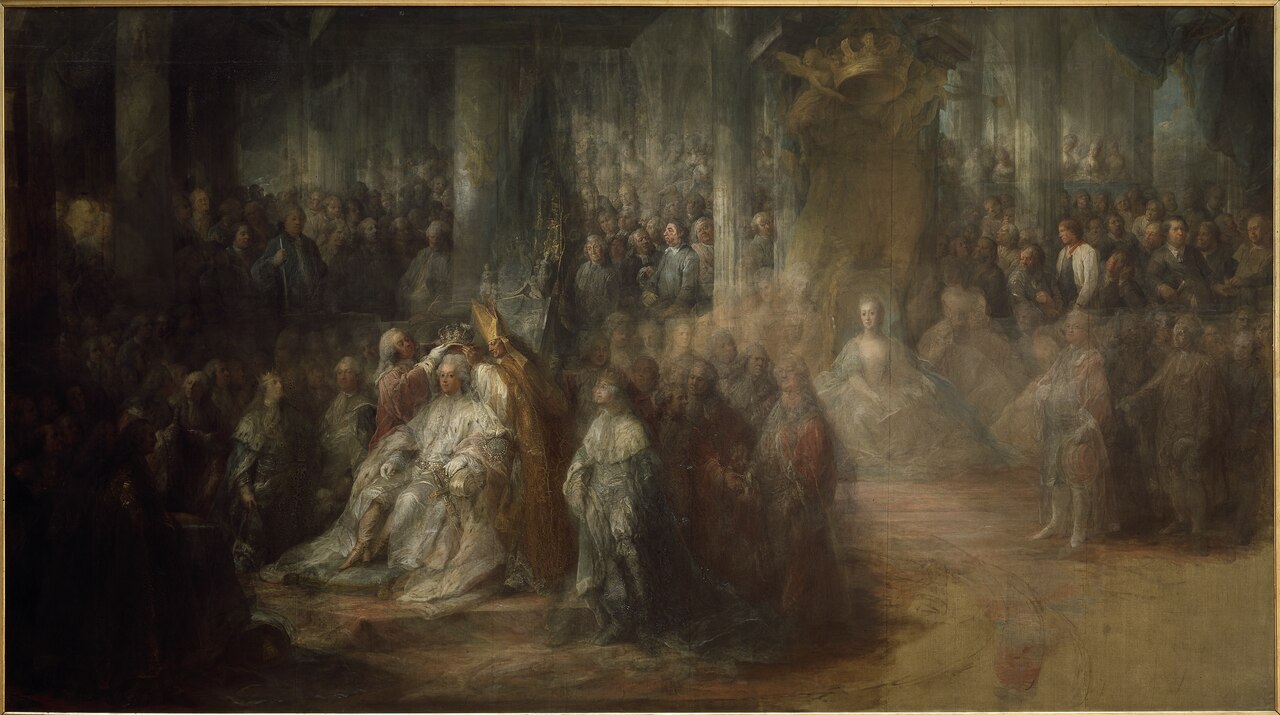
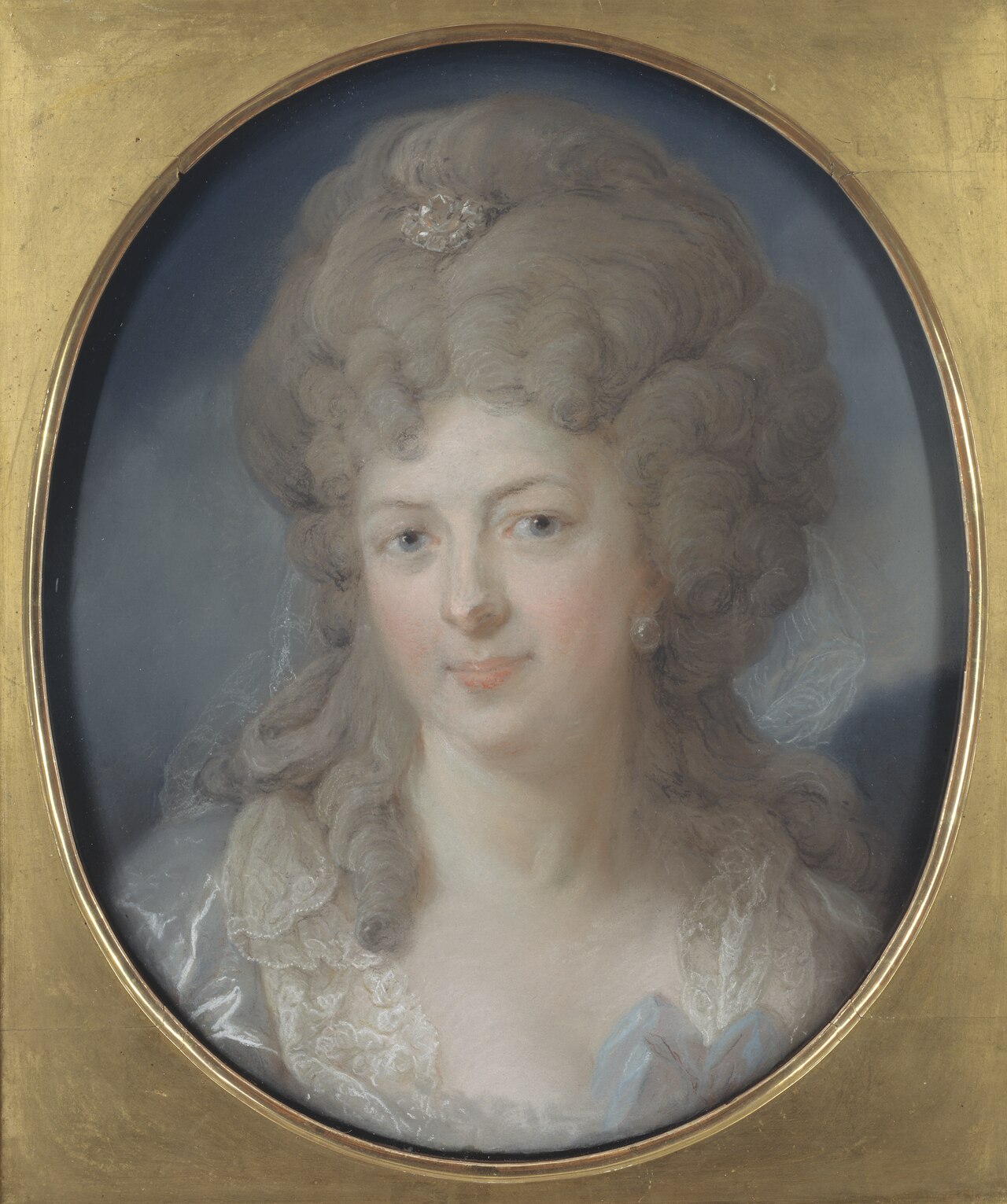
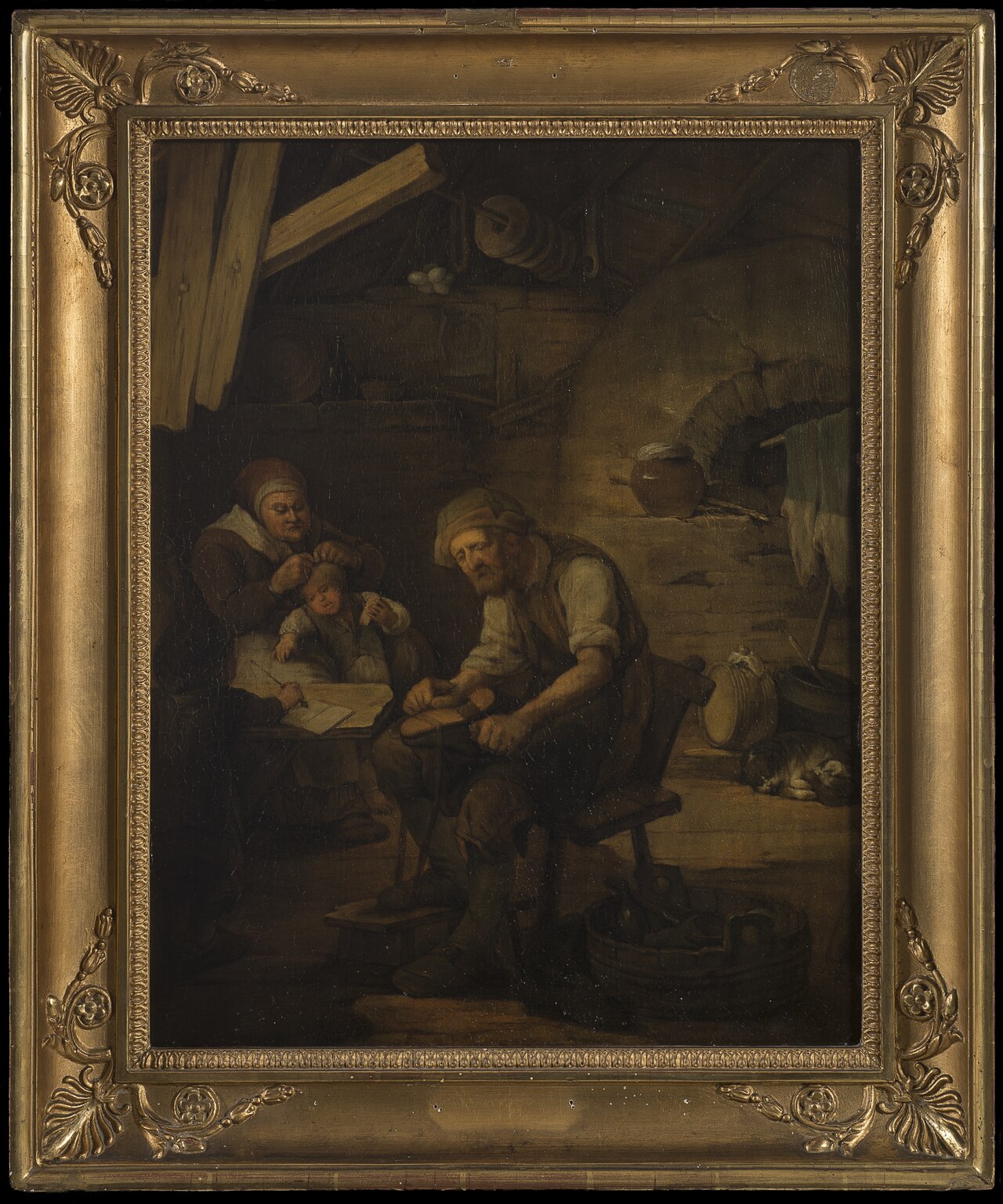
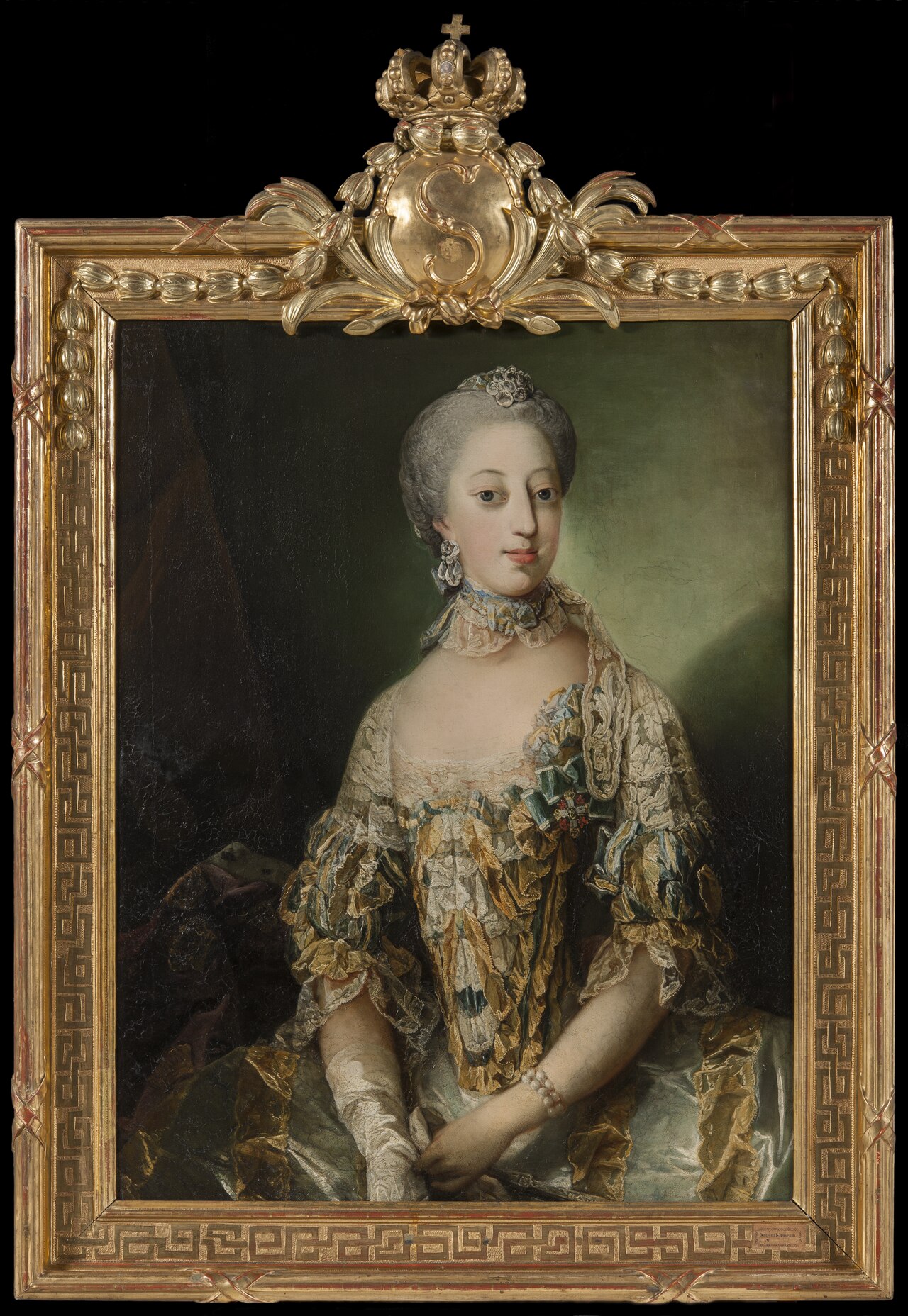
Major works Among Pilo's most notable works are the 'Coronation of Gustav III' (1792), 'Portrait of Frederik V in Anointment Robe' (1750), 'Mrs Ann Katarina Hedenberg, née Levin' (1793), 'The Cobbler's Family' (1772), and 'Sofia Magdalena, Queen of Sweden' (1766). The 'Coronation of Gustav III' is a significant historical painting that showcases Pilo's ability to depict grand scenes with precision and drama. The 'Portrait of Frederik V in Anointment Robe' demonstrates Pilo's skill in capturing the dignity and majesty of his royal subjects. 'Mrs Ann Katarina Hedenberg, née Levin' is a testament to Pilo's ability to paint intimate, personal portraits that reveal the character of the sitter. 'The Cobbler's Family' offers a glimpse into the everyday life of common people, showcasing Pilo's range and versatility. 'Sofia Magdalena, Queen of Sweden' is another example of Pilo's royal portraits, highlighting his role as a painter to the royal courts.
Influence and legacy Pilo's influence on subsequent generations of painters, particularly in Denmark and Sweden, is notable. His work at the Royal Danish Academy of Art helped shape the artistic landscape of the region. While his name may not be as widely recognized as some of his contemporaries, Pilo's contributions to the world of art, especially in the realm of portraiture and historical painting, are significant. His legacy continues to be felt through the preservation and appreciation of his works, which provide valuable insights into the art, culture, and history of 18th-century Europe.
Frequently asked questions
Who was Carl Gustaf Pilo?
Carl Gustaf Pilo was a Swedish painter born in 1711 and died in 1793, known for his portraits and historical scenes, particularly his work as a painter to the Danish Royal Court and his role at the Royal Danish Academy of Art.
What style or movement is Carl Gustaf Pilo associated with?
While Pilo's work does not strictly adhere to a specific named movement, it reflects the broader trends of 18th-century European painting, with an emphasis on realism and detail.
What are some of Carl Gustaf Pilo's most famous works?
Some of Pilo's most notable works include the 'Coronation of Gustav III', 'Portrait of Frederik V in Anointment Robe', 'Mrs Ann Katarina Hedenberg, née Levin', 'The Cobbler's Family', and 'Sofia Magdalena, Queen of Sweden'.
Why is Carl Gustaf Pilo important in the history of art?
Pilo is important for his contributions to the art of portraiture and historical painting, his influence on the development of art in Denmark and Sweden, and his role in preserving historical moments and figures of his time through his work.
How can I recognize a work by Carl Gustaf Pilo?
You can recognize a work by Carl Gustaf Pilo by looking for meticulous detail, strong composition, and a focus on capturing the essence and dignity of his subjects, particularly in his portraits and historical scenes.