Bruno Liljefors
1860 – 1939
In short
Bruno Liljefors was a Swedish artist active from the late 19th to early 20th century, renowned for his powerful depictions of wildlife and nature. He is considered one of Sweden's most important and influential wildlife painters, capturing animals in dramatic and often intense moments.
Notable works
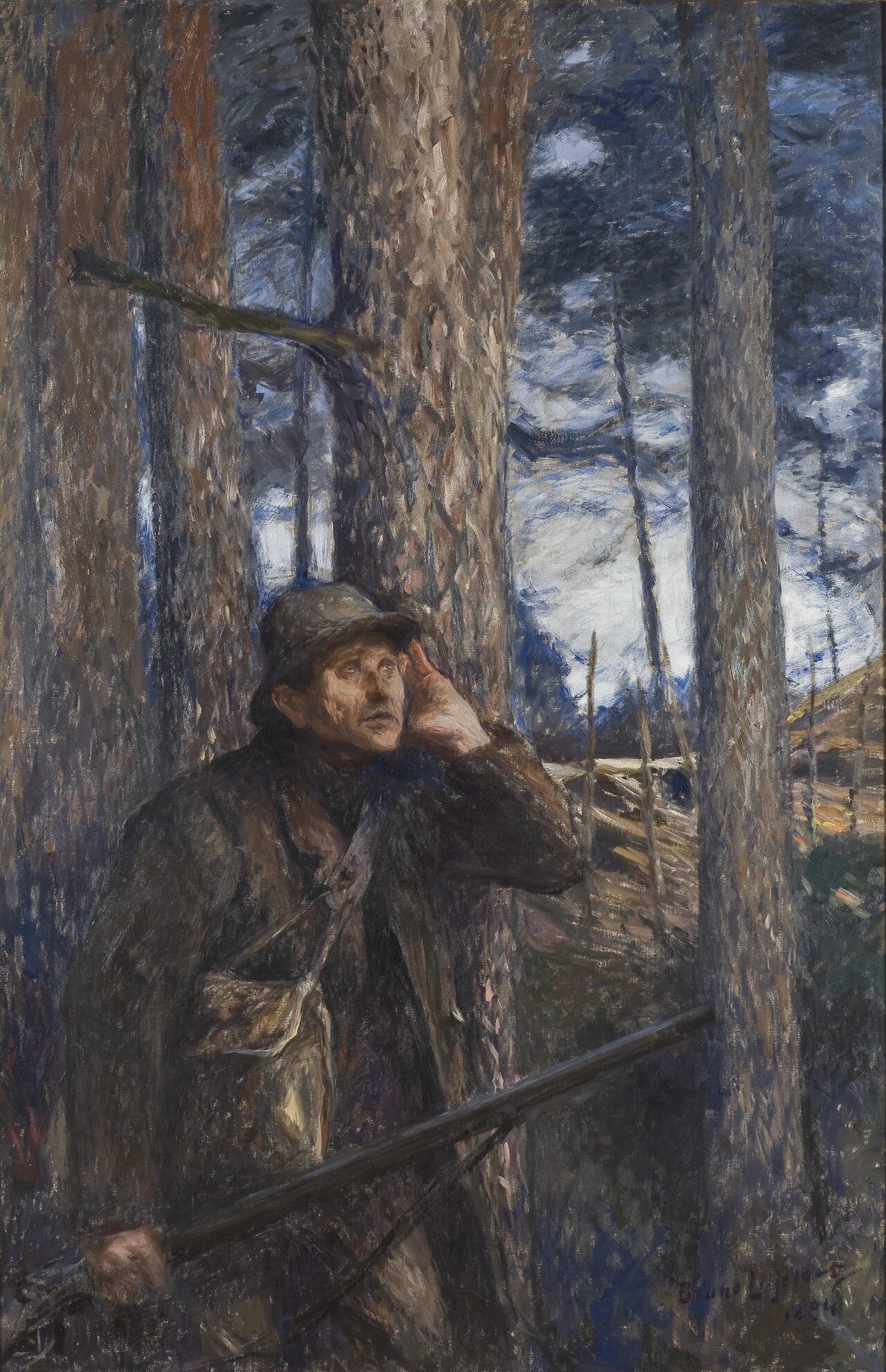


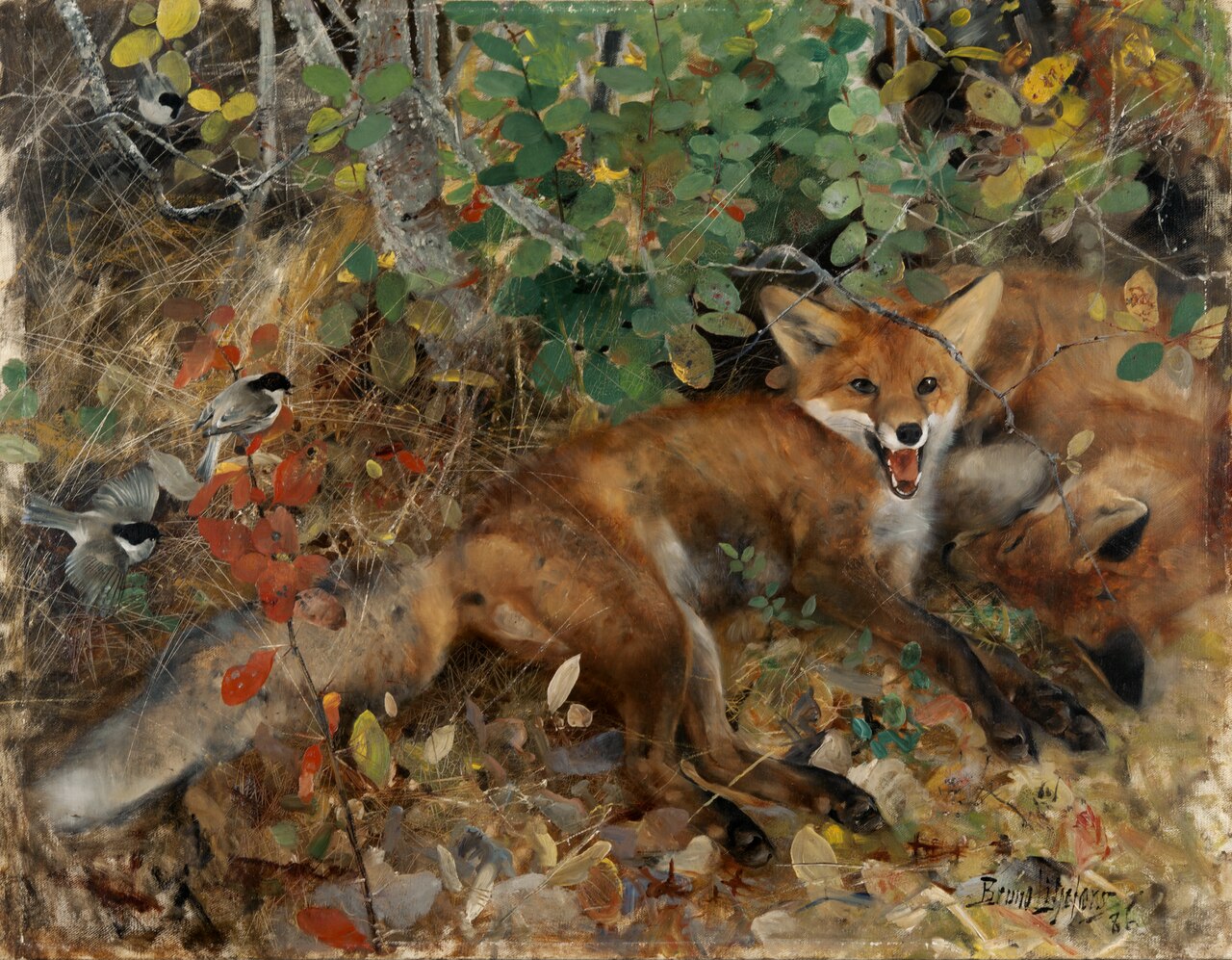
Early life Bruno Andreas Liljefors was born in Uppsala, Sweden, in 1860. His early life was spent within the environs of the Uppsala Cathedral Assembly, a setting that would later echo in his profound connection to the natural world. Liljefors' formative years laid the groundwork for his lifelong dedication to observing and portraying the untamed aspects of nature, particularly its animal inhabitants. Details of his formal artistic education and early influences are not widely disseminated, but his subsequent career trajectory clearly indicates a deep engagement with both scientific observation and artistic expression from a young age.
Career and style Liljefors emerged as a significant figure in Swedish art during the late nineteenth and early twentieth centuries. He is predominantly celebrated for his naturalist approach to painting, with a particular focus on wildlife. His oeuvre is characterised by its dramatic and often intense portrayals of animals in their natural habitats, frequently capturing moments of conflict, struggle, or primal instinct. While not definitively associated with a single art movement, his work shares affinities with Naturalism and Impressionism in its keen observation of the natural world and its use of light and atmosphere. He eschewed romanticised depictions of nature in favour of a more raw and unsentimental realism. Beyond his paintings, Liljefors also explored sequential art, creating early Swedish picture stories, which positions him as a precursor to modern comic art.
Signature techniques Liljefors' distinctive style is marked by a masterful rendering of animal anatomy and movement. He possessed an exceptional ability to convey the dynamism and ferocity of wild animals, often through bold brushwork and a keen understanding of light and shadow. His palette frequently featured earthy tones, punctuated by the stark contrasts of light and dark, which amplified the drama of his compositions. He was particularly adept at capturing fleeting moments, imbuing his subjects with a sense of life and immediacy. The psychological intensity of his animal subjects, conveying their inner lives and instincts, is a hallmark of his technique. This was achieved through meticulous observation and an intuitive grasp of animal behaviour.
Major works Among Bruno Liljefors' most recognised works are "A Poacher" (1894), "A Fox Family" (1886), "Hooded Crows" (1891), "Black-throated Divers" (1901), and "Foxes" (1886). "A Fox Family" and "Foxes" both from 1886, likely explore the domestic and perhaps the predatory nature of these animals, showcasing Liljefors' skill in depicting mammalian life with both tenderness and realism. "Hooded Crows" (1891) exemplifies his ability to portray avian subjects with a sense of their wildness and intelligence. The dramatic tension inherent in nature is often palpable in his depictions of predators and prey. "A Poacher" (1894) suggests a narrative element, perhaps hinting at the human interaction with the natural world and the inherent conflict that can arise. "Black-throated Divers" (1901) further demonstrates his mastery over capturing the essence of birds in their aquatic environment, highlighting their grace and power.
Influence and legacy Bruno Liljefors is widely regarded as the most important and influential Swedish wildlife painter of his era. His unflinching portrayal of nature, devoid of sentimentality, set a new standard for the genre in Sweden and beyond. His work resonated with a public increasingly interested in the natural world and national identity. The intensity and realism of his animal subjects continue to captivate viewers, solidifying his position as a master of wildlife art. His early contributions to sequential illustration also mark him as an innovative figure in broader visual culture. Liljefors' legacy lies in his profound ability to connect the viewer with the raw, untamed spirit of the wild, making him a pivotal artist in the history of Swedish art.
Frequently asked questions
Who was Bruno Liljefors?
Bruno Liljefors was a Swedish artist, active from the late 19th to early 20th century. He is best known for his powerful and realistic paintings of wildlife and nature.
What art movement is Bruno Liljefors associated with?
While not strictly adhering to a single movement, Liljefors' work aligns with Naturalism and shares characteristics with Impressionism due to his focus on light and atmosphere. His approach was primarily realist and focused on capturing the raw essence of nature.
What are Bruno Liljefors' most famous works?
Some of his most famous works include "A Poacher" (1894), "A Fox Family" (1886), "Hooded Crows" (1891), and "Black-throated Divers" (1901).
Why is Bruno Liljefors considered an important artist?
He is considered Sweden's most important and influential wildlife painter of his time, renowned for his unsentimental, dramatic, and realistic depictions of animals in their natural environments, capturing their instinct and vitality.
How can I recognise a painting by Bruno Liljefors?
Look for realistic and often dramatic depictions of wild animals, frequently in natural settings. His paintings often convey a sense of movement, instinct, and the raw struggle for survival, rendered with bold brushwork and a keen sense of light and shadow.