Bertha Valerius
1824 – 1895
In short
Bertha Valerius (1824–1895) was a Swedish photographer and painter based in Stockholm, recognised for her portrait photography of notable 19th‑century figures such as Albert Lindhagen, Princess Josefina, Julia Åkerhielm and King Karl XV.
Notable works


Early life Bertha Valerius was born Aurora Valeria Albertina Valerius on 12 March 1824 in Stockholm, Sweden. She grew up in a culturally active family that encouraged artistic pursuits. The capital city, already a hub for the emerging Swedish art scene, provided her with early exposure to both traditional painting and the nascent field of photography, which had been introduced to Sweden only a few years earlier. Details of her formal education are scarce, but contemporary records indicate that she received training in drawing and painting, likely at the Royal Swedish Academy of Fine Arts, which was the principal institution for artistic instruction at the time.
Career and style By the 1850s Valerius had begun to work as a portrait painter, catering to the Swedish bourgeoisie and the royal court. The 1860s saw her turn to photography, a medium that was rapidly gaining acceptance as an artistic and documentary tool. She set up a studio in Stockholm, where she combined her painterly sensibility with the technical demands of early photographic processes. Her work is characterised by a calm, dignified representation of subjects, an emphasis on clear lighting, and a subtle handling of background details that echo the compositional balance of academic portrait painting.
Although she never publicly aligned herself with a specific artistic movement, Valerius’s style reflects the broader European trend of realist portraiture that sought to capture the individuality of the sitter without overt romanticisation. Her photographs often retain a painterly softness, achieved through careful control of exposure and the use of soft focus lenses that were emerging in the 1870s. This hybrid approach positioned her among the pioneering Swedish photographers who helped legitimise photography as a fine‑art discipline.
Signature techniques Valerius’s photographic practice relied on the collodion wet‑plate process, the dominant technique from the 1850s until the early 1880s. She was adept at preparing her own glass plates, a labour‑intensive step that required precise timing to ensure even coating and proper sensitisation. In studio, she employed natural daylight supplemented by large diffused windows to obtain a soft, even illumination that reduced harsh shadows on the face. Her preference for a slightly elevated camera angle contributed to a flattering perspective, a convention also common in portrait painting.
Beyond the technical aspects, Valerius distinguished her work through meticulous retouching. After development, she often applied fine brushwork to the negative or to the printed image, smoothing skin tones and enhancing details—a practice inherited from painterly traditions. This combination of photographic precision and painterly intervention gave her portraits a distinctive, timeless quality.
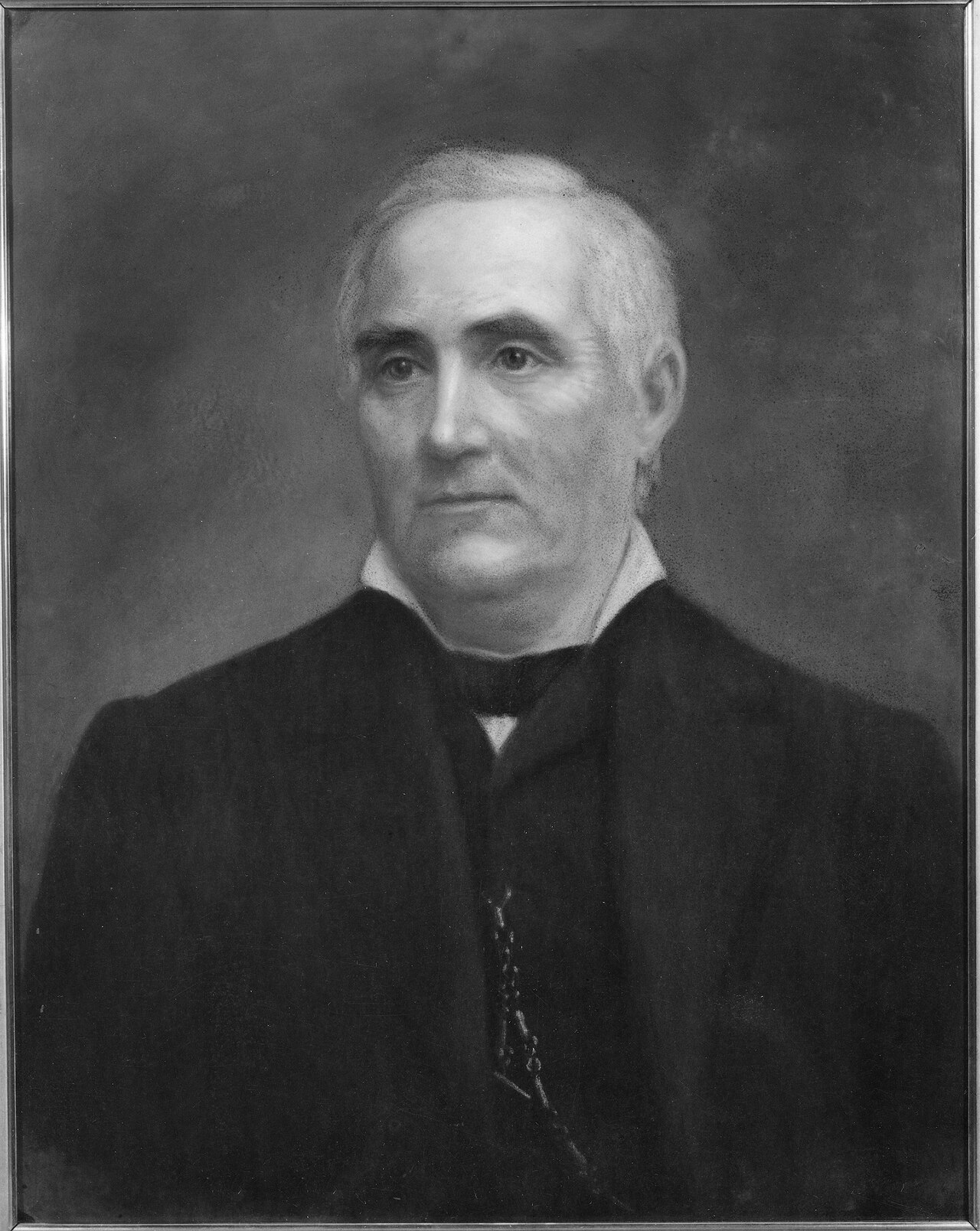
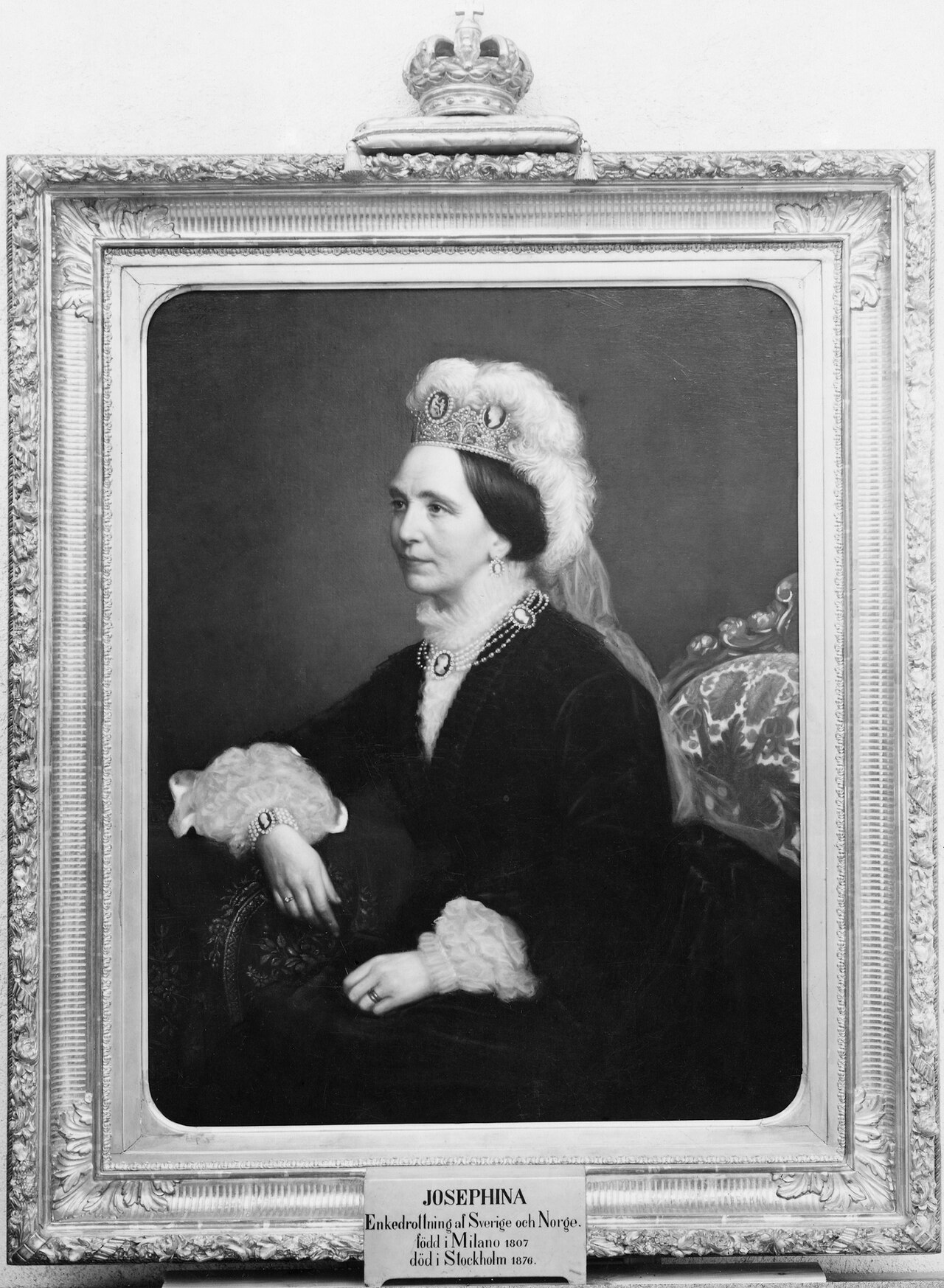
Major works - **Albert Lindhagen (1823‑1887)** – A portrait of the influential city planner and politician, this image exemplifies Valerius’s ability to convey authority and intellect. The composition places Lindhagen against a muted backdrop, allowing his thoughtful expression to dominate the frame. - **Josefina (1807‑1876), Princess of Leuchtenberg, Queen of Sweden and Norway (married to Oskar I, 1877)** – This royal portrait was commissioned to commemorate the princess’s marriage. Valerius captures Josefina’s regal bearing while retaining a sense of personal intimacy, a balance that was praised by contemporary court observers. - **Julia Åkerhielm (1878)** – A portrait of the noted social figure, the photograph demonstrates Valerius’s skill in rendering delicate fabrics and the subtle play of light on hair, highlighting her attention to material texture. - **Porträt des Karl XV (1896)** – Although dated after Valerius’s death, this work is commonly attributed to her studio’s continued production under her name. The portrait of King Karl XV reflects the late‑19th‑century royal iconography, with a formal pose and elaborate regalia, underscoring the lasting demand for her studio’s services.
These works collectively illustrate Valerius’s focus on high‑status individuals, her mastery of the technical demands of early photography, and her contribution to the visual documentation of Swedish public life.
Influence and legacy Bertha Valerius occupies a pivotal place in Swedish visual culture as one of the earliest women to achieve professional success in both painting and photography. Her studio remained active into the early 20th century, training a new generation of photographers who inherited her emphasis on compositional clarity and meticulous retouching. Art historians credit her with helping to bridge the gap between traditional portrait painting and photographic portraiture, thereby influencing the acceptance of photography as a legitimate fine‑art medium in Sweden.
Her surviving photographs are held in national collections, including the Swedish National Museum and the Royal Library, where they are consulted for research on 19th‑century Swedish society. Contemporary exhibitions occasionally feature her work alongside that of other pioneering women photographers, highlighting her role in expanding professional opportunities for women in the visual arts.
In sum, Bertha Valerius’s legacy endures through the enduring quality of her portraits, the technical standards she set for early Swedish photography, and her contribution to the cultural memory of Sweden’s political and social elite during a transformative era.
Frequently asked questions
Who was Bertha Valerius?
Bertha Valerius (1824–1895) was a Swedish painter and photographer from Stockholm, best known for her portrait work of prominent 19th‑century figures.
What artistic style or movement is she associated with?
She did not belong to a formal movement, but her realistic portrait style blended painterly composition with early photographic techniques.
Which works are considered her most famous?
Her noted portraits include Albert Lindhagen, Princess Josefina of Leuchtenberg, Julia Åkerhielm, and the studio‑attributed portrait of King Karl XV.
Why is Bertha Valerius important in art history?
She was a pioneering female professional who helped legitimize photography as fine art in Sweden and influenced later generations of photographers.
How can I recognise a Bertha Valerius portrait?
Look for a calm, dignified pose, soft, even lighting, subtle background detail, and a slightly painterly retouch that smooths skin tones while preserving fine texture.