Arvid Karlsteen
1647 – 1718
In short
Arvid Karlsteen (1647–1718) was a Swedish medal engraver and portrait miniaturist, best known for his finely detailed royal medals of King Charles XI and for his role in shaping Swedish court art in the late 17th century.
Notable works
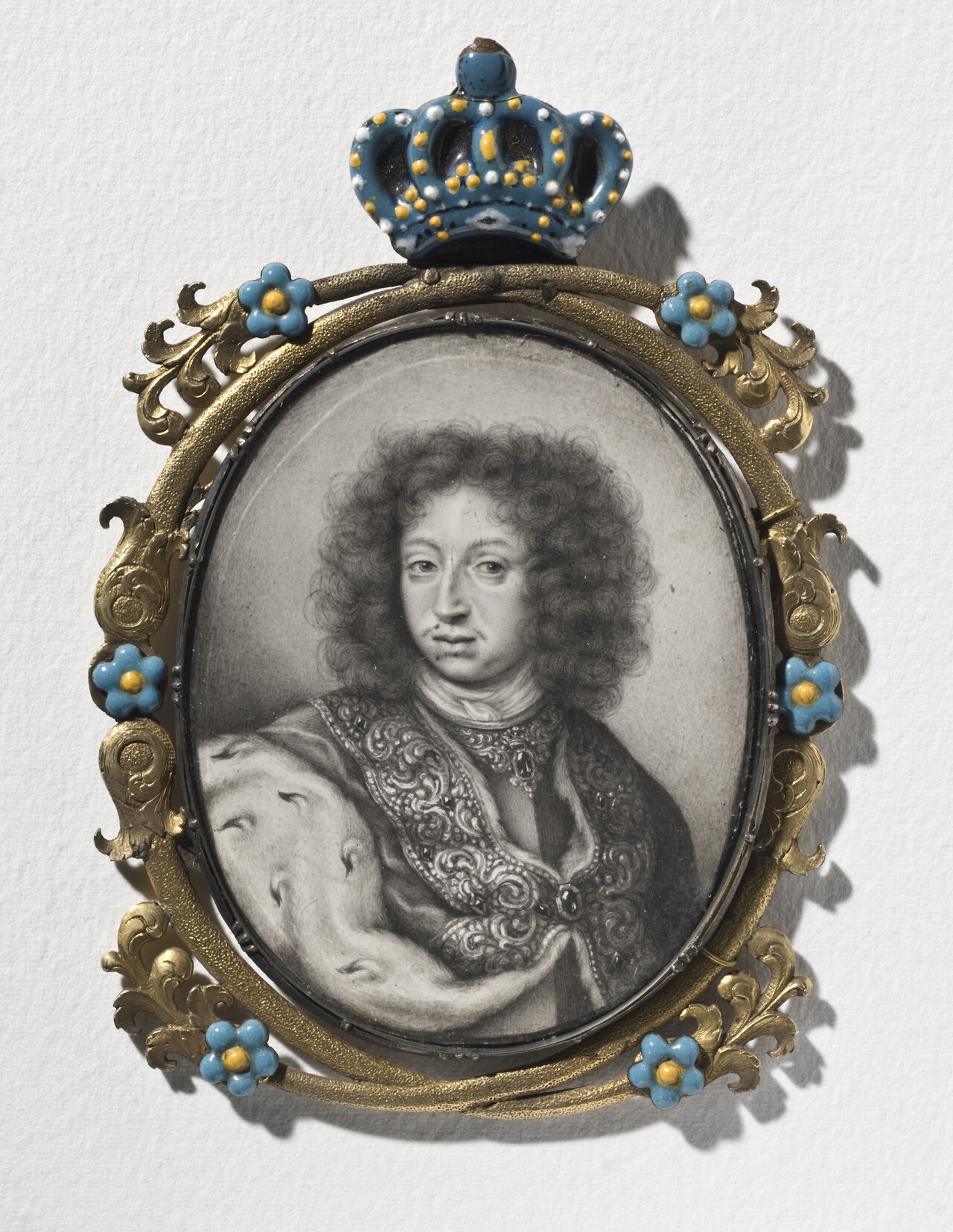
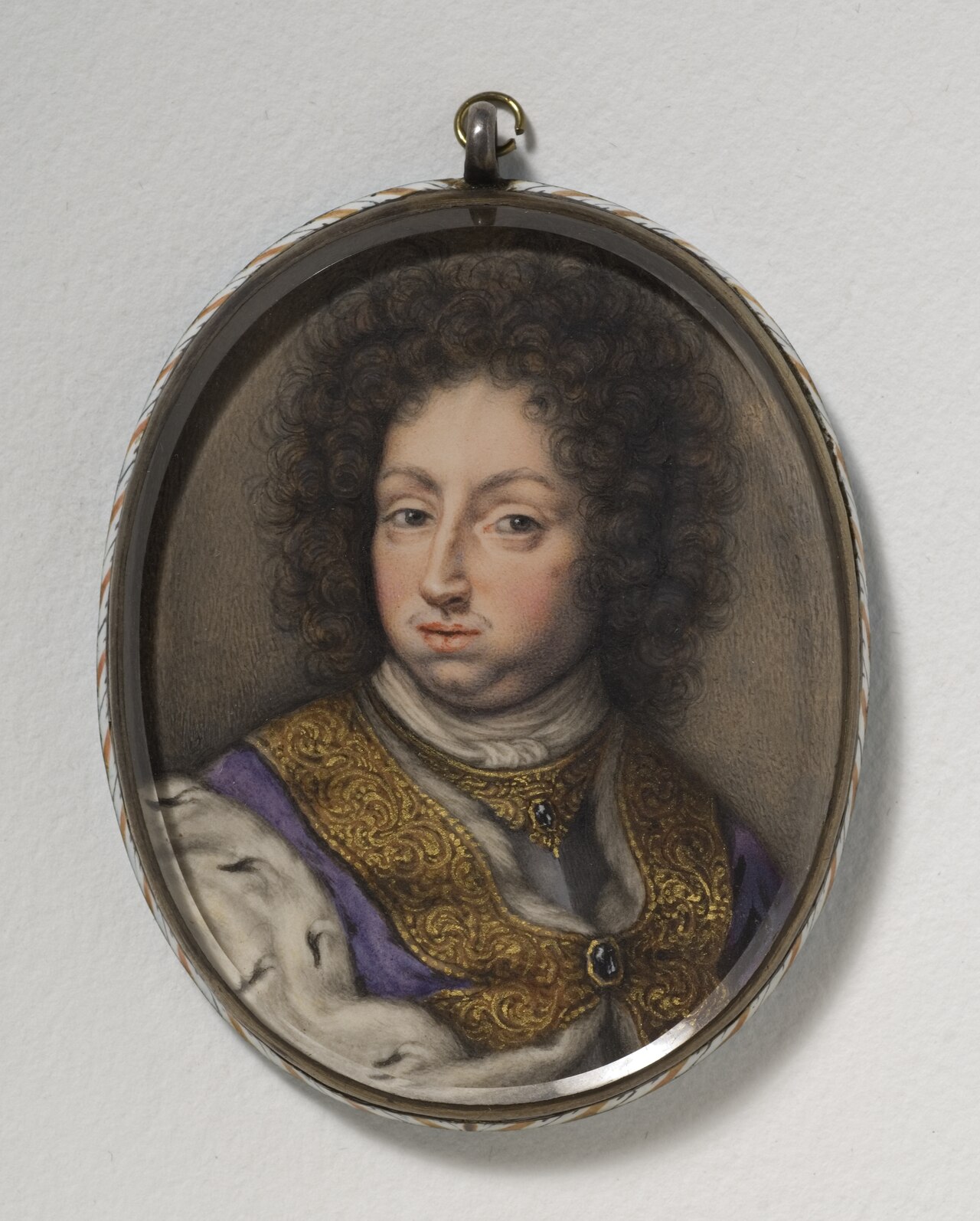
![Charles XI, 1655-1697, King of Sweden 1660, and Ulrica Leonora of Denmark, d. 1693, Queen of Sweden 1680 [obverse] by Arvid Karlsteen](https://commons.wikimedia.org/wiki/File:Arvid_Karlsteen,_Charles_XI,_1655-1697,_King_of_Sweden_1660,_and_Ulrica_Leonora_of_Denmark,_d._1693,_Queen_of_Sweden_1680_(obverse),_1680,_NGA_117633.jpg)
![Juno Sealing Marriage Pact with Jupiter [reverse] by Arvid Karlsteen](https://commons.wikimedia.org/wiki/File:Arvid_Karlsteen,_Juno_Sealing_Marriage_Pact_with_Jupiter_(reverse),_1680,_NGA_117634.jpg)
Early life Arvid Karlsteen was born in 1647 in the town of Karlskoga, a modest settlement in central Sweden. Little is recorded about his family background, but the region’s artisan traditions suggest he was exposed to metalworking and decorative crafts from an early age. By the time he reached his teenage years, Karlsteen had shown a proclivity for drawing and an aptitude for handling small, intricate tools—skills that would later define his career as a medalist. In the mid‑17th century Sweden, formal artistic training was limited to apprenticeships, and Karlsteen likely entered the workshop of a local goldsmith or engraver, where he learned the fundamentals of casting, chasing, and miniature portraiture.
Career and style Around the early 1670s, Karlsteen moved to Stockholm, the political and cultural centre of Sweden, to pursue professional opportunities at the royal court. The Swedish monarchy, under King Charles XI, was investing heavily in visual propaganda, commissioning medals to commemorate military victories, royal marriages, and state ceremonies. Karlsteen quickly secured commissions, distinguishing himself through a balanced blend of classical restraint and Northern realism. His style reflects the late Baroque aesthetic that was spreading across Europe, yet it retains a distinctly Swedish sobriety: the portraits are rendered with meticulous attention to facial features, while the surrounding allegorical motifs are executed with a restrained, almost austere elegance.
Signature techniques Karlsteen’s work is characterised by several technical hallmarks. First, he favoured the high‑relief (alto‑rilievo) technique, allowing figures to emerge from the metal surface with a subtle three‑dimensionality that catches light dramatically. Second, his line work is exceptionally fine; he employed a burin to incise delicate details such as hair curls, lace patterns, and the texture of royal regalia. Third, Karlsteen often incorporated a dual‑sided narrative on his medals: an obverse portrait of the monarch or patron, and a reverse allegorical scene that conveyed moral or dynastic themes. Finally, his use of enamel—particularly on the highest‑quality pieces—adds a splash of colour that enhances the visual impact while preserving the durability expected of court commissions.
Major works Karlsteen’s most celebrated pieces centre on King Charles XI, who ruled Sweden from 1660 until his death in 1697. The 1675 medal titled *Karl XI King of Sweden* showcases the young monarch in full armour, his gaze directed forward, embodying the king’s military resolve. The portrait’s chiaroscuro effect, achieved through careful shading of the metal, gives the king a lifelike presence that was rare for the period.
In 1680, Karlsteen produced a two‑sided medal commemorating the marriage of Charles XI and Ulrika Eleonora of Denmark. The obverse features a finely rendered portrait of the king, while the reverse depicts a mythological scene titled *Juno Sealing Marriage Pact with Jupiter*. This allegory links the royal union to divine approval, with Juno, the Roman goddess of marriage, holding a seal that symbolises the binding contract. The composition balances classical motifs with the personal iconography of the Swedish court, illustrating Karlsteen’s ability to merge European artistic language with local political narratives.
Another notable work, simply listed as *Karl XI, King of Sweden* (date unspecified), reinforces the monarch’s authority through a solemn portrait that emphasises the crown’s gold filigree and the king’s stern expression. Across these medals, Karlsteen’s skillful handling of metal, his nuanced rendering of facial features, and his sophisticated allegorical reverses demonstrate why his oeuvre remains a benchmark for Swedish medallic art.
Influence and legacy Arvid Karlsteen’s contributions helped establish a Swedish tradition of medallic portraiture that persisted into the 18th century. By integrating European Baroque influences with a distinctly Swedish aesthetic, he set a precedent for later medalists such as Johan Carlsson and Johan Henrik Lannberg, who built upon his technical innovations. Moreover, his work provided a visual archive of the Swedish monarchy during a period of territorial expansion and cultural consolidation, offering historians valuable insight into royal iconography and statecraft.
Karlsteen’s legacy also extends beyond the medal itself; his portrait miniatures—small, painted likenesses executed on ivory or vellum—exemplify the same meticulous attention to detail that characterises his metalwork. While few of these miniatures survive, the surviving examples confirm his versatility across media and his reputation as a court favourite.
In modern scholarship, Karlsteen is recognised as a pivotal figure in the development of Northern European medallic art. His pieces are held in major museum collections, including the Nationalmuseum in Stockholm and the Royal Collection Trust in London, where they continue to be studied for their technical mastery and their role in the visual language of Swedish absolutism. His name, though not as widely known as some of his continental contemporaries, remains integral to understanding the evolution of medal engraving in the Baltic region and the broader context of 17th‑century European art.
Frequently asked questions
Who was Arvid Karlsteen?
Arvid Karlsteen (1647–1718) was a Swedish medal engraver and portrait miniaturist renowned for his detailed royal medals, especially those depicting King Charles XI.
What artistic style or movement is he associated with?
Karlsteen worked in a late‑Baroque style that combined classical allegory with a restrained Northern realism, typical of Swedish court art in the late 17th century.
What are his most famous works?
His most celebrated pieces include the 1675 medal *Karl XI King of Sweden*, the 1680 dual‑sided marriage medal of Charles XI and Ulrika Eleonora, and the portrait medal simply titled *Karl XI, King of Sweden*.
Why is Arvid Karlsteen important in art history?
He helped establish a distinct Swedish tradition of medallic portraiture, influencing later medalists and providing a visual record of the Swedish monarchy during a pivotal era of expansion.
How can I recognise a Karlsteen medal?
Look for high‑relief portraits with finely incised facial details, a balanced composition featuring allegorical reverses, and occasional use of enamel to highlight colour elements.