Amanda Sidvall
1844 – 1892
In short
Amanda Sidvall was a Swedish painter active in the late 19th century. She studied art in Paris and exhibited her work, including portraits and genre scenes, in the early 1880s.
Notable works

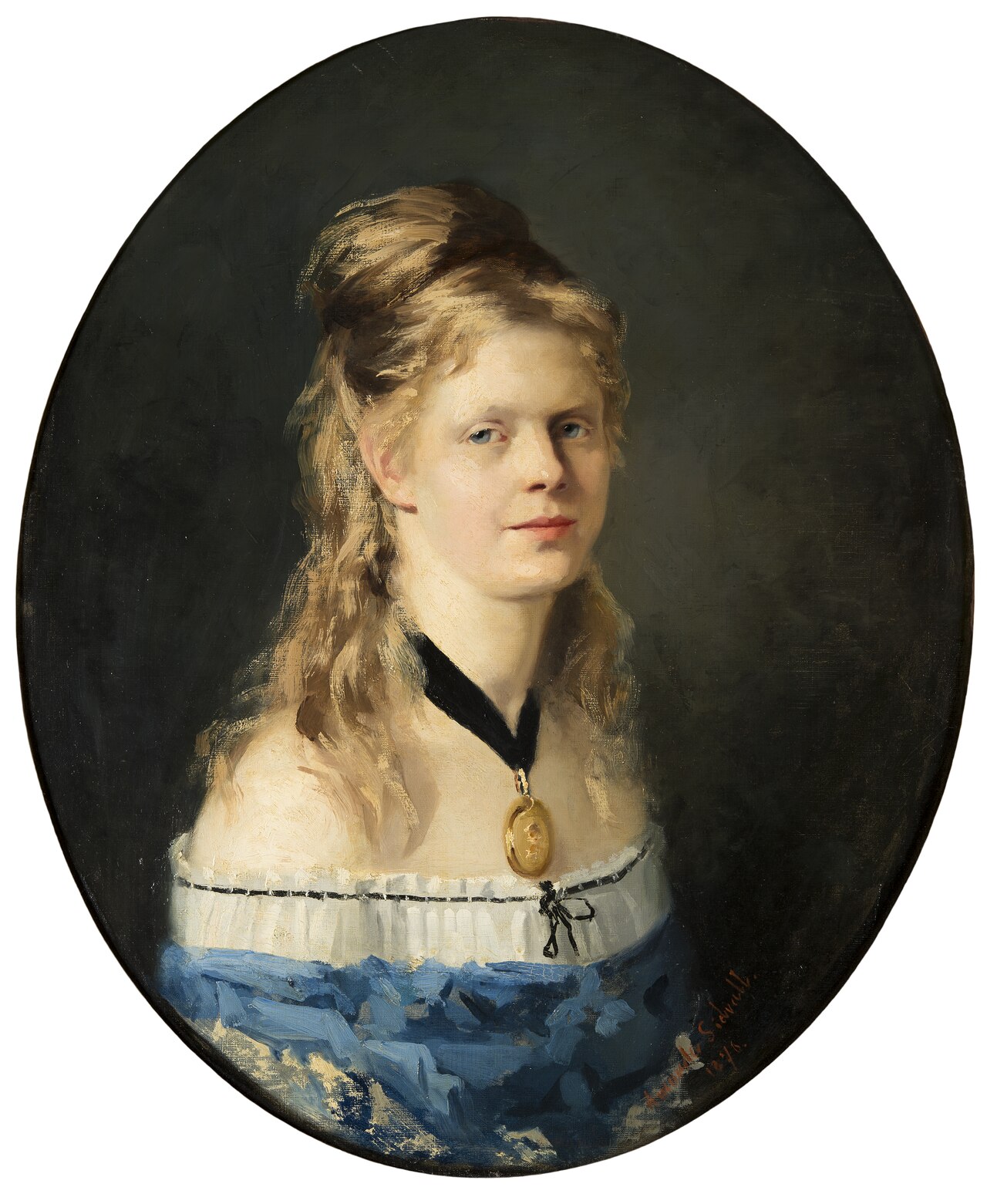

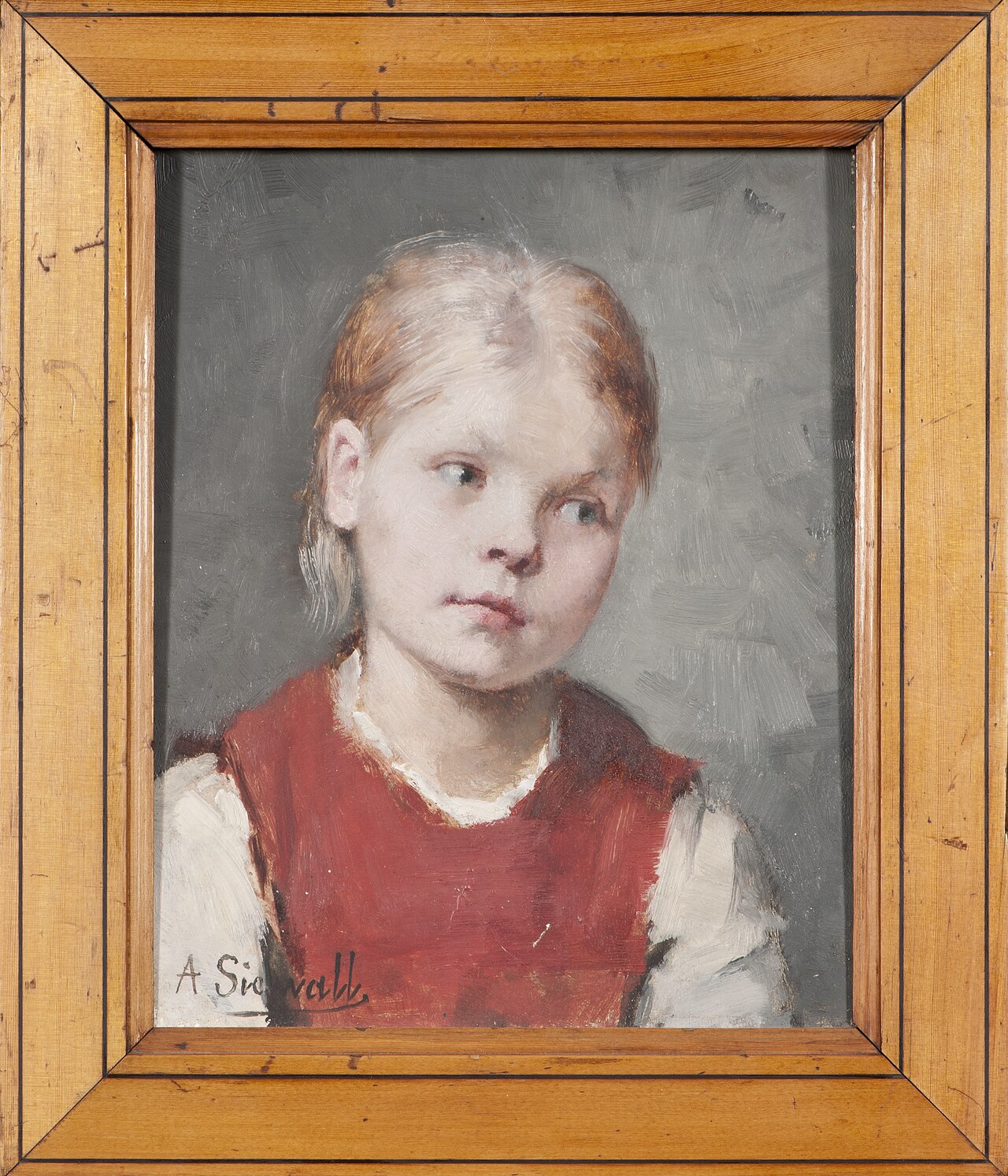
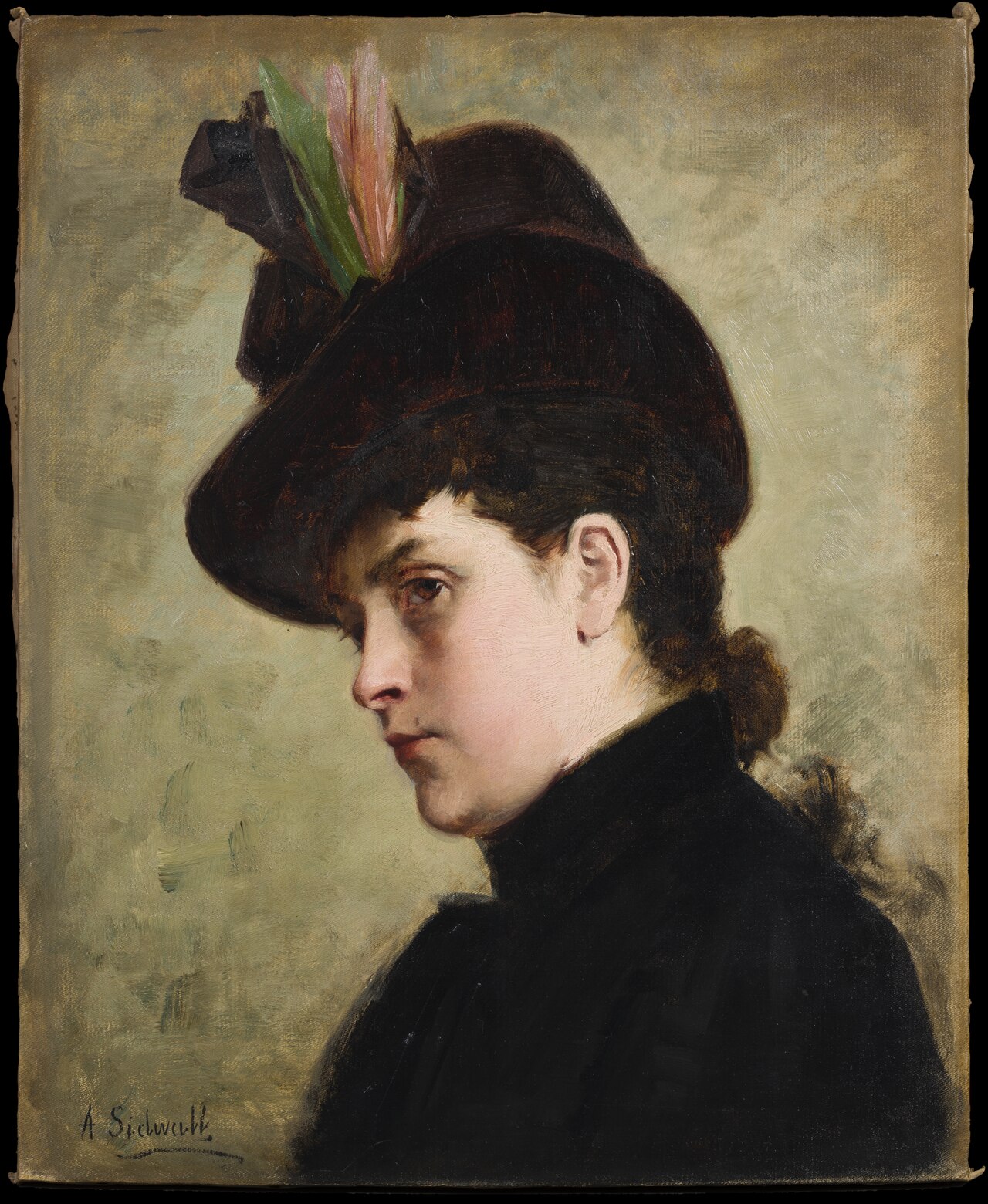
Early life Amanda Sidvall, born Amanda Carolina Vilhelmina Sidwall, entered the world in the Jakob and Johannes parish in Sweden in 1844. Her early life and upbringing were rooted in Swedish society during a period of significant cultural and artistic development. Details regarding her initial artistic training before her studies abroad are not extensively documented, but it is clear that she possessed a drive to pursue a professional artistic career, which at the time often required seeking education in major European art centres.
Career and style Sidvall's artistic journey led her to Paris in the 1870s, a pivotal decade for artistic innovation and a major hub for aspiring painters from across Europe. This period in Paris likely exposed her to the prevailing artistic currents, including the burgeoning Impressionist movement and the established academic traditions that still held sway. Her time in the French capital was instrumental in shaping her artistic sensibilities and technical skills. She achieved a notable milestone in her career by exhibiting her works at the prestigious Salon in Paris during the early 1880s. This exhibition platform was highly significant, offering artists considerable exposure to critics, collectors, and the public. While her specific art movement or current is not definitively known, her exhibited works suggest an engagement with portraiture and possibly genre painting, styles that were popular and well-received within the academic and more liberal artistic circles of the time. Her nationality as Swedish, combined with her Parisian education and exhibition history, places her within a generation of Scandinavian artists who actively engaged with international art scenes.
Signature techniques Information regarding Amanda Sidvall's signature techniques is not widely available in detailed art historical records. However, based on the nature of her known works, particularly her portraits, it can be inferred that she possessed a skilled hand in capturing likeness and conveying the character of her sitters. Her likely training in Paris would have exposed her to various painting methods, from the precise draftsmanship favoured by academic painters to the looser brushwork and colour theories gaining traction. The surviving works suggest a thoughtful approach to composition and a sensitivity to light and shadow, essential elements for effective portraiture. The rendering of fabric, skin tones, and individual features would have been areas of focus, demanding a refined technical application. Without specific critical analyses of her brushwork or material choices, her techniques are best understood through the visual evidence of her completed paintings, which speak to a competent and expressive artistic practice.
Major works Amanda Sidvall's oeuvre includes several notable paintings, primarily focusing on portraiture and potentially genre scenes. Among her documented works is the 'Selfportrait' from 1870, offering a glimpse into the artist's own perception and early artistic development. The portrait 'Mina Carlson-Bredberg' (1876) likely depicts a fellow artist or a prominent figure, showcasing Sidvall's ability to render individual likeness and character. 'The thief of hearts' from 1884 is a more evocative title, possibly suggesting a genre scene or a portrait with allegorical undertones, hinting at a narrative dimension in her work. Other significant pieces include 'Portrait of a Girl' and 'Portrait of a Woman' (1880), further emphasizing her proficiency and preference for portraiture. These works collectively demonstrate her engagement with capturing the human form and personality, reflecting the artistic demands and tastes of the late 19th century. Her ability to secure exhibition space at the Paris Salon indicates that these works met a certain standard of quality and artistic merit recognised by the contemporary art establishment.
Influence and legacy While Amanda Sidvall may not be as widely recognized today as some of her contemporaries, her career represents an important thread in the tapestry of Swedish art history, particularly for women artists of her era. Her pursuit of education and exhibition opportunities in Paris, a major international art capital, was a significant undertaking for a female artist at that time. Her participation in the Paris Salon provided her with a platform and recognition that was not easily accessible. Although her specific artistic movement remains undefined, her work contributes to the broader understanding of late 19th-century European painting, especially in the realm of portraiture. Her legacy lies in her dedication to her craft, her successful navigation of the art world of her time, and the body of work she left behind. She stands as an example of the many talented artists whose contributions, though perhaps less celebrated than a select few, are vital to a comprehensive art historical narrative. Her paintings serve as valuable historical documents, offering insights into the individuals and society she depicted.
Frequently asked questions
Who was Amanda Sidvall?
Amanda Sidvall was a Swedish painter active in the latter half of the 19th century. She studied art in Paris and exhibited her works, including portraits, in the early 1880s.
What art movement was Amanda Sidvall associated with?
Amanda Sidvall's specific art movement or current is not definitively known. Her education in Paris and exhibition at the Salon suggest an engagement with the artistic trends of the late 19th century, likely encompassing elements of academic tradition and possibly early modernist influences.
What are Amanda Sidvall's most famous works?
Among Amanda Sidvall's known works are 'Selfportrait' (1870), 'Mina Carlson-Bredberg' (1876), 'The thief of hearts' (1884), 'Portrait of a Girl', and 'Portrait of a Woman' (1880). Her portraits, in particular, highlight her skill.
Why is Amanda Sidvall important in art history?
Amanda Sidvall is important as a Swedish woman artist who pursued formal training and exhibited internationally in Paris during the late 19th century. Her career reflects the opportunities and challenges faced by female artists of her time.
How can I recognize a painting by Amanda Sidvall?
Works by Amanda Sidvall are often characterized by competent portraiture, with a focus on capturing the likeness and character of the sitter. Look for refined draftsmanship, sensitive handling of light and shadow, and a style that aligns with late 19th-century European painting traditions.