Jørgen Roed
1808 – 1888
In short
Jørgen Roed (1808–1888) was a Danish portrait and genre painter of the Golden Age, known for his meticulous depictions of everyday life and notable portraits. He worked mainly in Copenhagen, producing works such as From Collin's Garden in Copenhagen and Street in Roskilde, the Cathedral in the Background.
Notable works
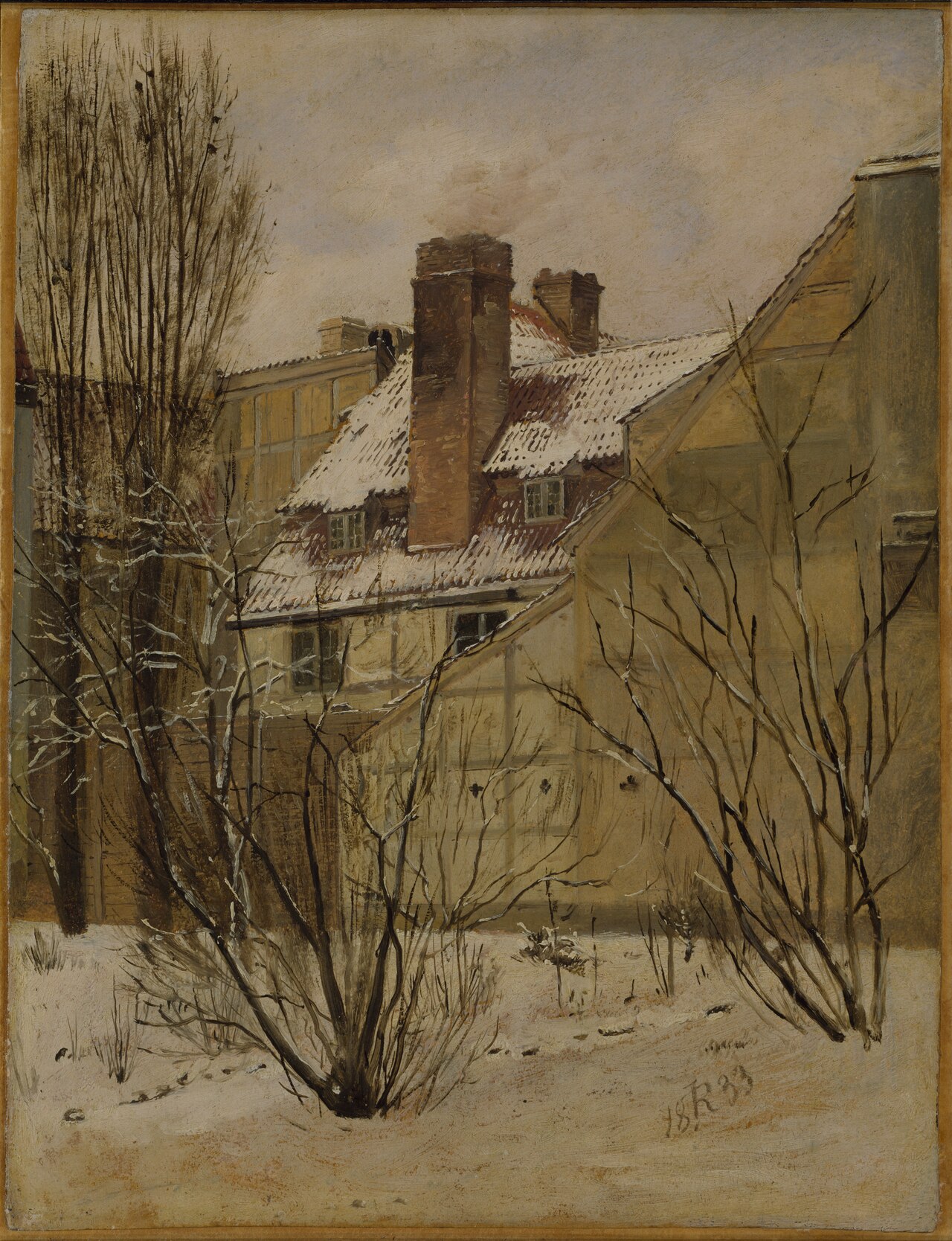
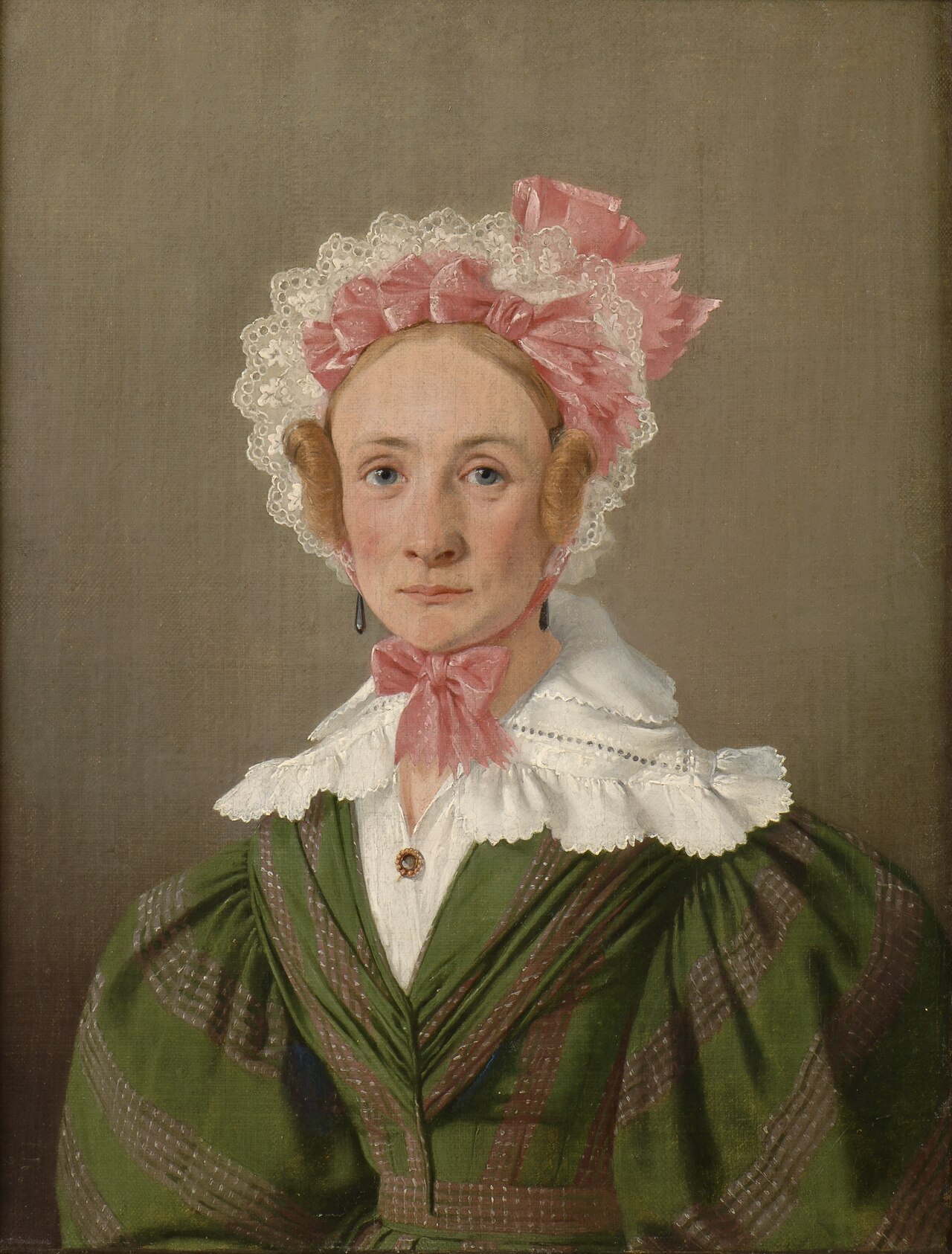
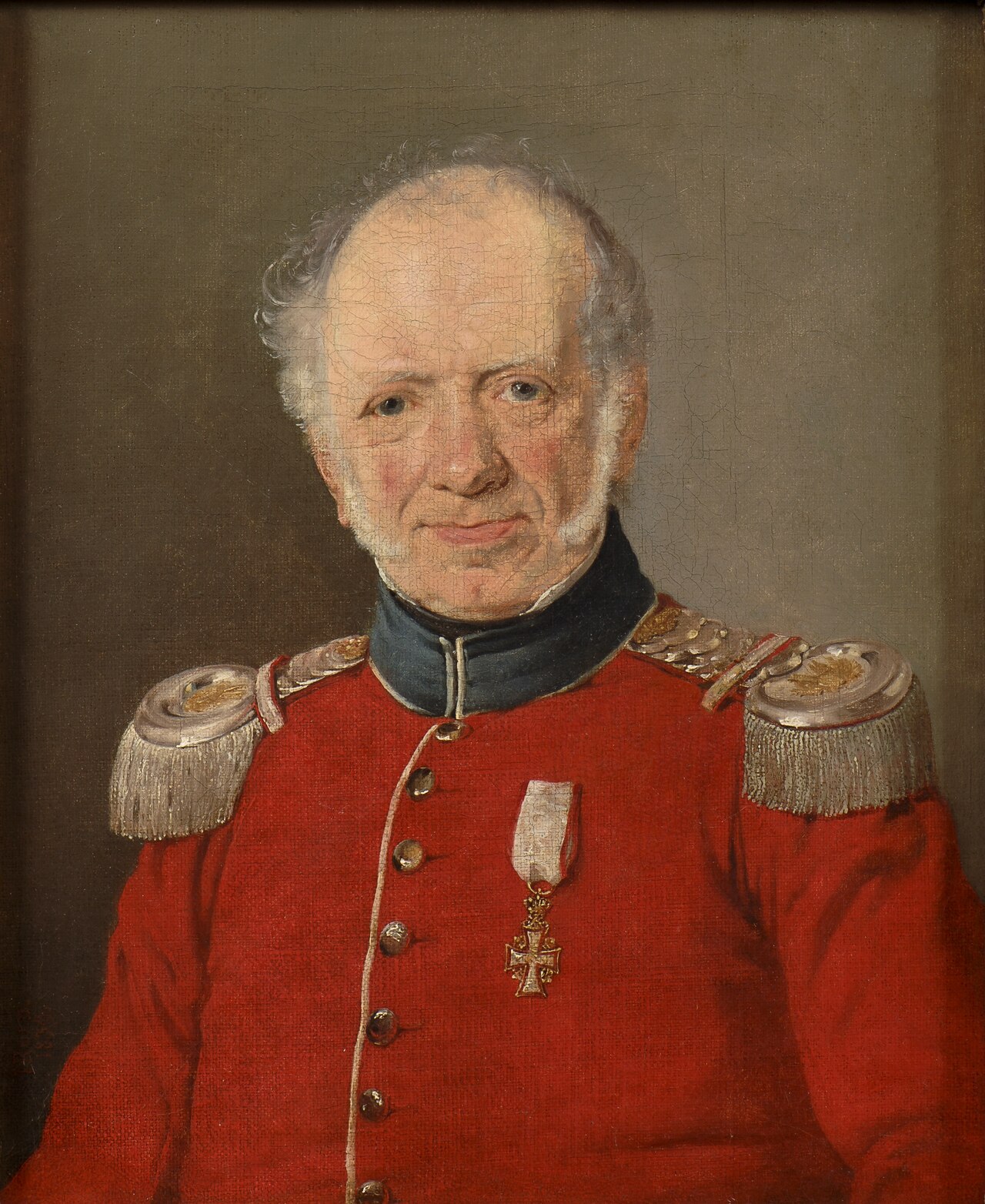


Early life Jørgen Roed was born on 23 March 1808 in the town of Ringsted, Denmark, to Peder Jørgensen Roed, a modest tradesman, and Ellen Hansdatter. The Roed family belonged to the lower middle class, and young Jørgen’s early exposure to the rural surroundings of Zealand gave him a lasting appreciation for the Danish landscape and its people. He displayed an aptitude for drawing at an early age, and his talent was recognised by local teachers who encouraged him to pursue formal training. In 1825, at the age of seventeen, Roed moved to Copenhagen to enrol at the Royal Danish Academy of Fine Arts, where he joined the academy’s drawing school under the guidance of prominent teachers such as Christian August Lorentzen and later, the influential painter Christoffer Wilhelm Eckersberg, often called the “father of the Golden Age.”
Career and style Roed’s career unfolded during the height of the Danish Golden Age (c. 1800‑1850), a period marked by a resurgence of interest in national identity, realism, and a refined academic classicism. After completing his studies, he quickly gained a reputation as a capable portraitist, receiving commissions from the Copenhagen bourgeoisie and military officers. His portraiture is characterised by a sober realism, careful observation of facial features, and an emphasis on the sitter’s social status without excessive ornamentation. In parallel, Roed cultivated a genre painting practice that captured scenes of everyday life, often set in familiar Danish locales such as gardens, country roads, and small towns. His style blends the precise draftsmanship taught at the Academy with a subtle, colouristic sensitivity that echoes the work of his mentor Eckersberg while also anticipating later Realist tendencies.
Signature techniques Roed’s technique rests on a disciplined approach to drawing, built on the Academy’s rigorous life‑drawing sessions. He employed a restrained palette of earth tones, muted greens, and soft blues, allowing the subjects’ textures and forms to dominate the composition. Light is rendered with a gentle chiaroscuro, creating a sense of three‑dimensionality without dramatic contrast. In his genre scenes, Roed often used a low‑angle perspective to invite the viewer into the narrative, while his portraits tend toward a frontal, slightly elevated viewpoint that conveys dignity. He favoured oil on canvas for its depth and longevity, and his brushwork is typically smooth, with fine blending that reduces visible strokes, contributing to a polished surface that was prized by contemporary patrons.
Major works **From Collin's Garden in Copenhagen (1833)** – This painting depicts a tranquil garden scene, with figures strolling among carefully tended flowerbeds. Roed’s handling of foliage showcases his skill in rendering botanical detail, while the figures are rendered with the same calm realism that defines his portrait work. The composition balances natural light with the shaded architecture of the garden, creating a harmonious atmosphere that reflects the era’s fascination with cultivated nature.
Miss Ida Wilhelmine Trock (1835) – A portrait of the young Ida Trock, this work exemplifies Roed’s ability to convey personality through subtle expression. The sitter is presented against a muted background, allowing the focus to remain on her delicate features and the soft rendering of her hair and dress. The painting’s restrained colour scheme and precise modelling highlight Roed’s academic training.
Portrait of Colonel von Darcheus (1834) – In this military portrait, Roed captures the authority and composure of the officer through a formal pose and careful attention to uniform details. The use of controlled lighting emphasizes the Colonel’s face, while the background’s subdued tones prevent distraction, underscoring the sitter’s status.
An Artist Resting by the Roadside (1832) – This genre piece portrays a lone figure, presumably a painter, pausing on a rural road. The work reflects Roed’s interest in the everyday lives of artists, presenting a moment of quiet contemplation. The landscape is rendered with accurate perspective, and the figure’s relaxed posture conveys an intimate, almost autobiographical sentiment.
Street in Roskilde. In the Background the Cathedral (1836) – Here Roed combines urban architecture with a lively street scene. The cathedral’s spires dominate the skyline, providing a sense of place and national pride. The bustling activity of townspeople, rendered with meticulous detail, illustrates Roed’s skill in integrating architecture and human narrative within a single composition.
Influence and legacy Jørgen Roed’s contribution to Danish art lies in his synthesis of academic rigour with a compassionate observation of contemporary life. Although he never achieved the international fame of some of his Golden Age peers, his works were widely exhibited in Copenhagen and earned him a respectable standing among patrons of the time. Roed’s portraits served as visual records of Denmark’s emerging bourgeoisie, while his genre paintings offered a window into the daily rhythms of 19th‑century Danish society. Later Danish Realists and Naturalists drew upon his balanced approach to light and composition, and his meticulous technique continued to influence portrait practitioners well into the late 19th century. Today, Roed’s paintings are held in the collections of the National Gallery of Denmark and several regional museums, where they remain valuable for scholars studying the visual culture of the Danish Golden Age.
---
Legacy in modern scholarship – Art historians regard Roed as a steady, if understated, figure whose work exemplifies the transitional moment between the idealised classicism of the early 1800s and the more socially aware realism that followed. His paintings are frequently cited in discussions of Danish national identity formation, as they capture both the genteel interiors of the capital and the rustic charm of provincial towns. By preserving the likenesses of notable individuals and the ambience of ordinary settings, Roed’s oeuvre offers a nuanced portrait of a nation in the midst of cultural refinement.
Frequently asked questions
Who was Jørgen Roed?
Jørgen Roed (1808–1888) was a Danish painter of the Golden Age, known for his portraits and genre scenes that depict everyday life in Denmark.
What artistic style or movement is he associated with?
He is associated with the Danish Golden Age, characterised by academic realism, careful draftsmanship, and a focus on national subjects.
What are his most famous works?
Among his most recognised paintings are From Collin's Garden in Copenhagen (1833), Miss Ida Wilhelmine Trock (1835), Portrait of Colonel von Darcheus (1834), An Artist Resting by the Roadside (1832) and Street in Roskilde. In the Background the Cathedral (1836).
Why is Jørgen Roed important in art history?
Roed’s work bridges the refined classicism of early 19th‑century Danish art and the later realist focus on everyday subjects, providing valuable visual documentation of Danish society and influencing subsequent realist painters.
How can I recognise a painting by Jørgen Roed?
Look for precise, smooth brushwork, a restrained colour palette, balanced lighting, and subjects rendered with calm realism—often portraits with subtle expression or genre scenes set in recognizable Danish locales.