Constantin Hansen
1804 – 1880
In short
Constantin Hansen (1804‑1880) was a Danish painter of the Golden Age, known for genre scenes, portraits and historic compositions such as The Danish Constituent Assembly. Born in Rome and active mainly in Copenhagen, he combined classical training with a strong interest in literature and national mythology.
Notable works



Early life Carl Christian Constantin Hansen was born on 3 November 1804 in Rome, where his Danish parents were residing temporarily. His father, a diplomat, ensured that the young Constantin received an early exposure to the visual arts, while his mother encouraged his fascination with literature and classical antiquity. After the family returned to Denmark, Hansen enrolled at the Royal Danish Academy of Fine Arts in Copenhagen, where he studied under the leading neoclassical masters of the day. The Academy’s curriculum stressed drawing from antiquarian casts, life‑model studies, and the study of Old Masters, laying a foundation that would later inform his precise draftsmanship and compositional balance.
Career and style Hansen’s professional career unfolded during the period now called the Danish Golden Age, a time when a small but talented cohort of painters transformed Copenhagen into a centre of artistic innovation. He quickly distinguished himself with works that combined a calm, academic technique with a lyrical sensitivity to narrative. While many of his contemporaries focused on domestic genre scenes, Hansen was equally drawn to mythological subjects and grand historical commissions. His style can be described as a restrained classicism, characterised by clear outlines, subdued colour palettes and a measured handling of light that emphasises form over drama. Throughout his career he remained engaged with the ideas of Niels Laurits Høyen, the influential art historian who advocated a national art rooted in Danish history and folklore. This intellectual climate encouraged Hansen to explore Norse myth as a source of patriotic content, though his most celebrated projects ultimately dealt with contemporary civic themes.
Signature techniques Hansen’s paintings reveal several recurring technical hallmarks. First, his preparatory drawing stage is meticulous; he often produced detailed charcoal sketches that served as compositional blueprints. Second, his handling of flesh tones demonstrates a layered glazing approach, building translucent pigments to achieve a lifelike depth. Third, he favoured a restrained palette of earth tones, muted blues and soft greens, which allowed the narrative elements to stand out without overwhelming the viewer. In larger group compositions, Hansen employed a subtle chiaroscuro to model the figures, creating a sense of three‑dimensionality while preserving the overall calm of the scene. Finally, his portraiture is noted for its psychological insight: he captured the sitter’s character through nuanced expression and delicate handling of hands and accessories.
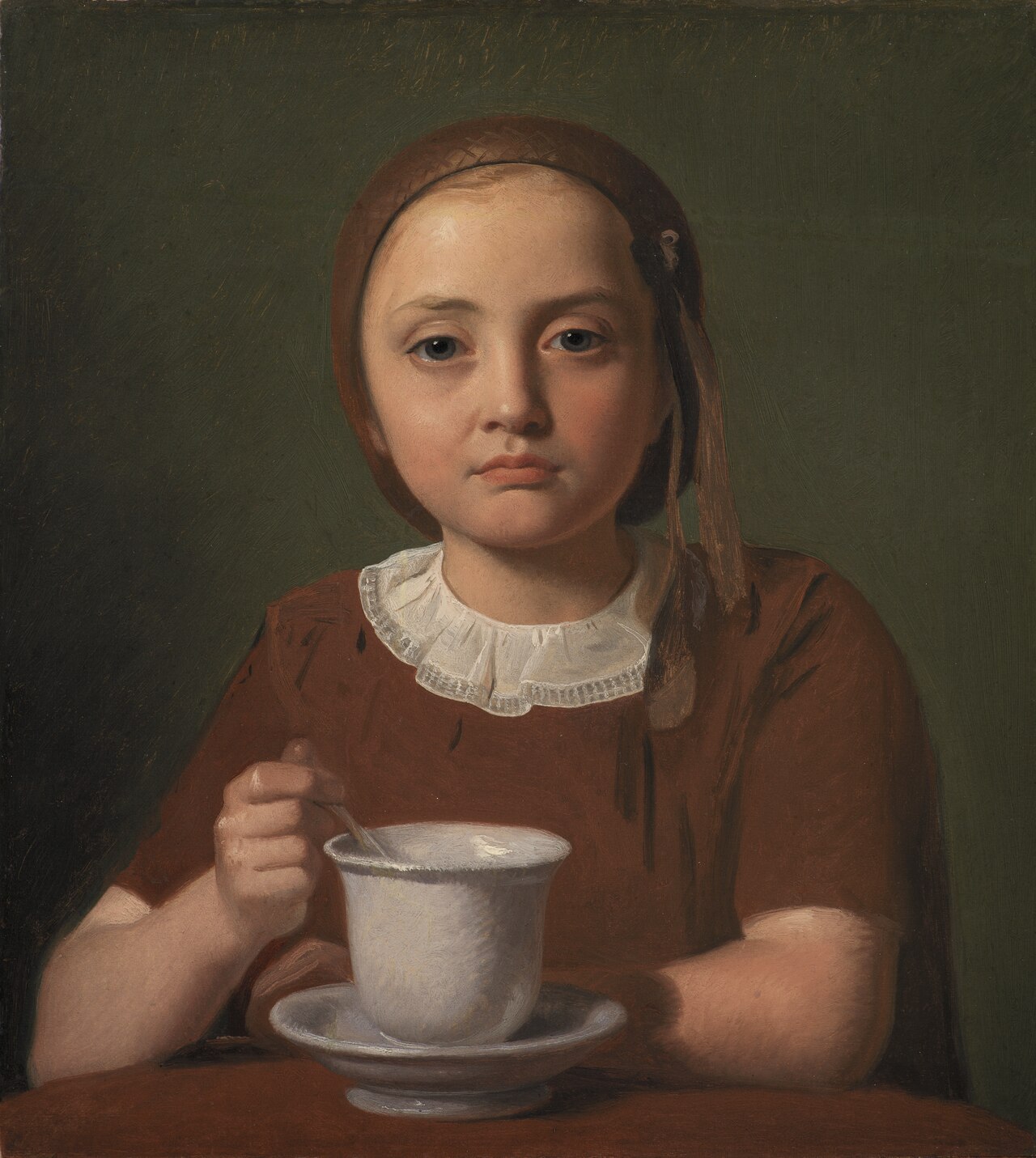
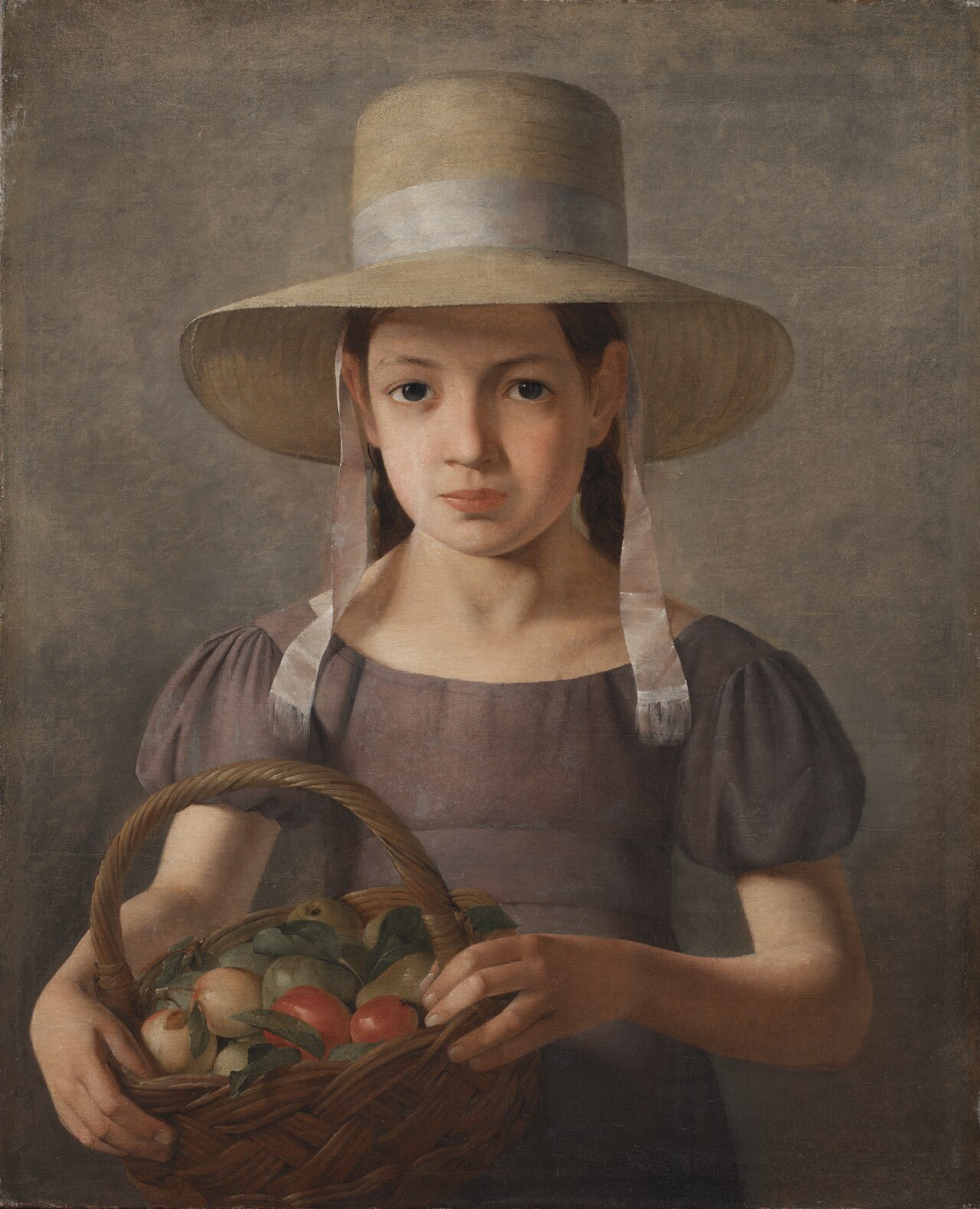
Major works - **A Group of Danish Artists in Rome (1837)** – This genre painting records a convivial gathering of Danish expatriate artists in the Eternal City. The work is notable for its careful rendering of architectural detail and the varied poses of the figures, each absorbed in conversation or sketching. Hansen’s own experience as a young artist abroad informs the authenticity of the scene, making it a valuable visual document of cultural exchange in the early nineteenth century. - **The Danish Constituent Assembly (1861‑1865)** – Commissioned to commemorate the 1849 establishment of Denmark’s constitutional parliament, this monumental canvas occupies a prominent place in Copenhagen’s National Gallery. Hansen populates the composition with more than thirty identifiable politicians, each rendered with individual likeness. The painting balances a sober historic narrative with a painterly elegance, using a restrained colour scheme that foregrounds the solemnity of the event. - **Portrait of a Little Girl, Elise Købke, with a Cup in front of her (1850)** – In this tender portrait, Hansen captures the innocence of his young sitter, Elise Købke, through a soft focus on her face and the delicate handling of the porcelain cup. The subtle play of light on her hair and the muted background exemplify his skill in creating intimate ambience while maintaining compositional clarity. - **A Girl with Fruits in a Basket (1827)** – An early work that demonstrates Hansen’s interest in still‑life elements within a figurative context. The painting shows a young girl holding a basket filled with assorted fruit, rendered with meticulous attention to texture and colour. The composition reflects a classical balance, echoing the academic teachings of his Academy training. - **Scene from Homer's Iliad (1827)** – This mythological canvas illustrates Hansen’s engagement with ancient literature. Though the specific episode is not always identified, the work displays a dramatic confrontation between warriors, set against a stark landscape. The piece showcases his ability to convey narrative tension while adhering to a measured, almost austere aesthetic.
Influence and legacy Constantin Hansen’s legacy rests on his role as a bridge between the strict classicism of the early nineteenth century and the more expressive national romanticism that followed. By integrating historical subjects with a disciplined visual language, he helped legitise large‑scale civic commissions in Denmark, paving the way for later history painters such as Wilhelm Marstrand and Peder Severin Krøyer. His portraiture, particularly of children and members of the cultural elite, set a standard for psychological depth that influenced subsequent Danish portraitists. Moreover, his willingness to explore Norse mythology, even if not realised in a single monumental work, contributed to the broader cultural revival of Danish folklore that characterised the later Golden Age. Today, Hansen’s paintings are held in the Statens Museum for Kunst and other European collections, where they continue to be studied for their technical mastery and their nuanced portrayal of 19th‑century Danish society.
Frequently asked questions
Who was Constantin Hansen?
Constantin Hansen (1804‑1880) was a Danish painter of the Golden Age, noted for portraits, genre scenes and historic canvases such as The Danish Constituent Assembly.
What artistic movement did he belong to?
He worked within the Danish Golden Age, combining classical academic training with a restrained, narrative‑driven style.
Which of his works are the most famous?
His most celebrated pieces include The Danish Constituent Assembly (1861‑1865), A Group of Danish Artists in Rome (1837), and the portrait of Elise Købke (1850).
Why is Constantin Hansen important in art history?
He helped establish a tradition of large‑scale national history painting in Denmark and set a high standard for portraiture that influenced later Danish artists.
How can I recognise a painting by Constantin Hansen?
Look for meticulous draftsmanship, a restrained colour palette, subtle chiaroscuro, and a calm, balanced composition that often includes literary or historic subjects.