Ulrika Eleonora of Denmark
1656 – 1693
In short
Ulrika Eleonora of Denmark (1656–1693) was a Danish-born queen of Sweden who also pursued painting, producing a small but notable body of work that includes landscapes and portraiture.
Notable works

Early life Ulrika Eleonora was born in Copenhagen in 1656 into the royal family of the Kingdom of Denmark. As a princess, she received an education befitting her status, which included instruction in the fine arts—a common practice among European royalty of the period. Her upbringing exposed her to the visual culture of both the Danish court and the broader Northern European artistic milieu, fostering an early appreciation for painting and drawing.
Career and style Ulrika Eleonora’s artistic activity coincided with her marriage to Charles XI of Sweden, making her queen consort. While her primary public role was political, she maintained a private practice of painting, a pursuit that was encouraged by the court’s interest in the decorative arts. The style of her work reflects the late 17th‑century Northern European aesthetic, characterised by a restrained Baroque sensibility tempered by a growing interest in naturalistic landscape representation. Her compositions tend toward a clear, orderly arrangement of elements, with an emphasis on the harmonious relationship between figures and their environment.
Signature techniques Although few of her paintings survive, scholars note a consistent handling of light and texture in her works. Ulrika Eleonora employed a modest palette of earth tones, ochres and muted greens, which she layered to achieve a subtle modelling of forms. In landscape scenes, she used delicate brushwork to suggest foliage and terrain, while maintaining a relatively flat spatial depth—a hallmark of early modern landscape painting. Her portraiture displays a careful attention to facial features and costume details, suggesting a methodical, almost observational approach rather than dramatic chiaroscuro.
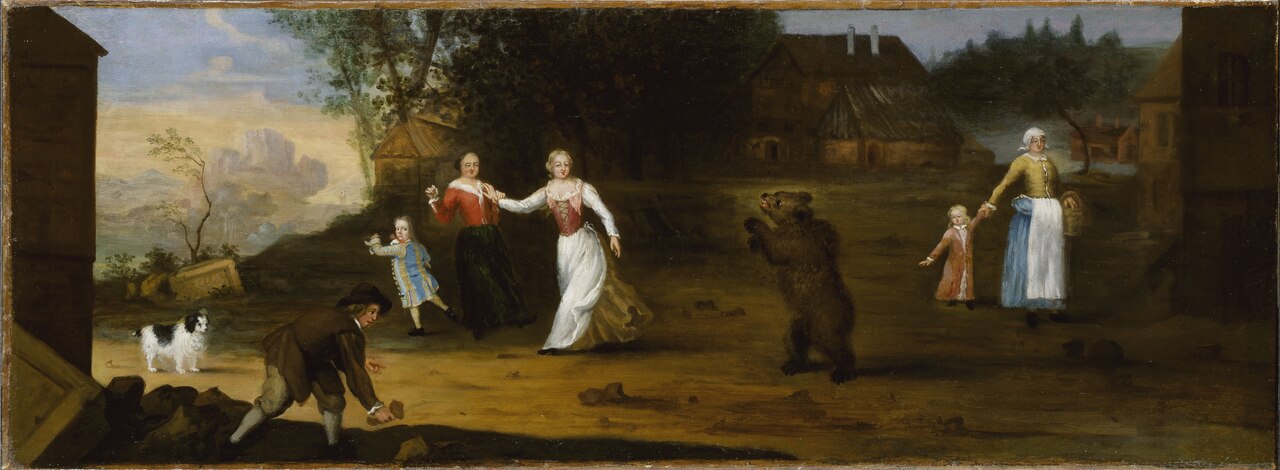
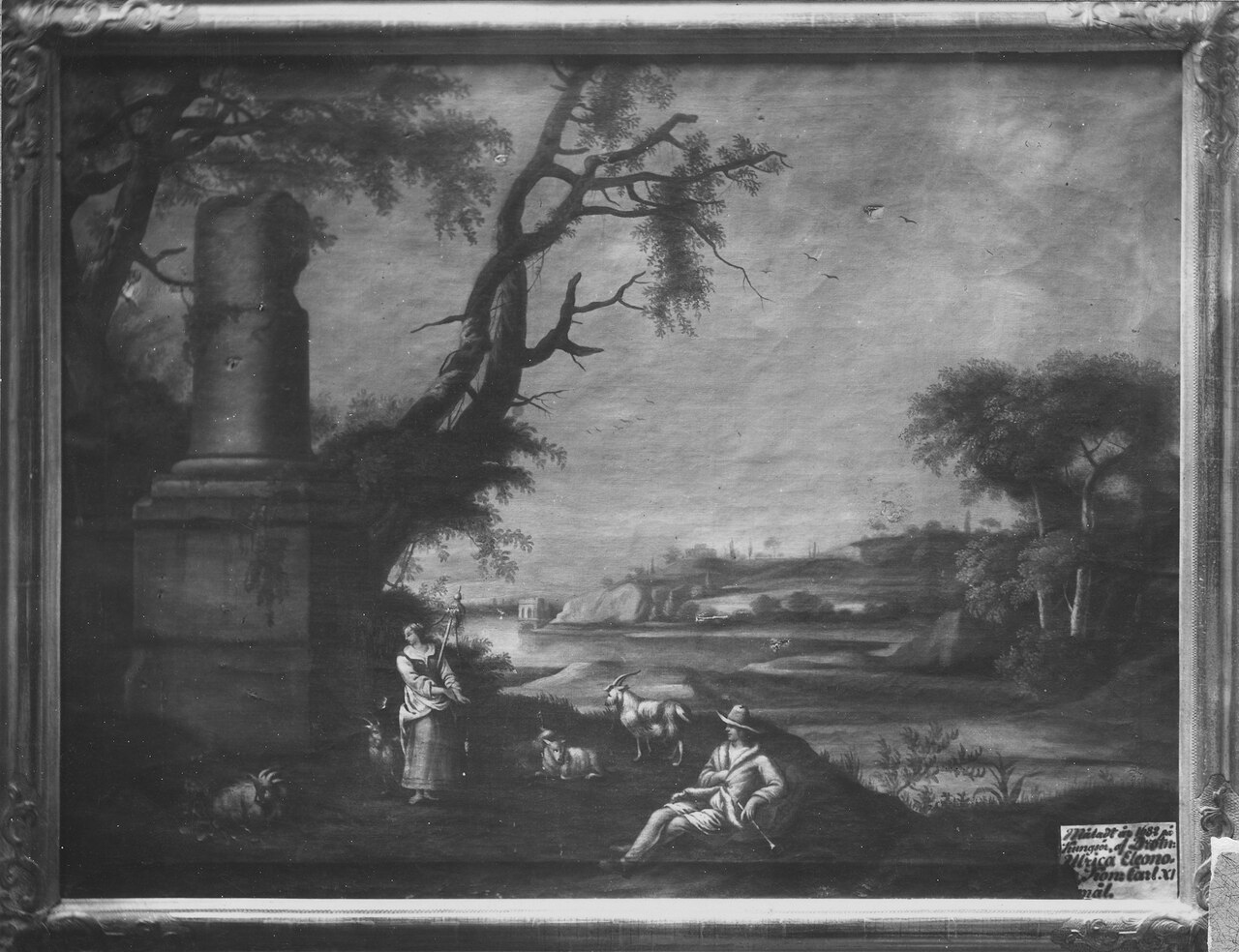
Major works The surviving catalogue of Ulrika Eleonora’s oeuvre includes several dated pieces from 1682. *Landscape with Dancing Bears* (1682) presents a pastoral scene in which a troupe of bears, rendered with a playful realism, engages in a dance amidst a bucolic setting. The work demonstrates her interest in combining genre subjects with natural scenery, a relatively uncommon theme for a court painter of her era. The *Arcadian landscape* (1682) further illustrates her affinity for idealised rural vistas, featuring gentle hills, a meandering stream, and distant structures that evoke a timeless, harmonious countryside.
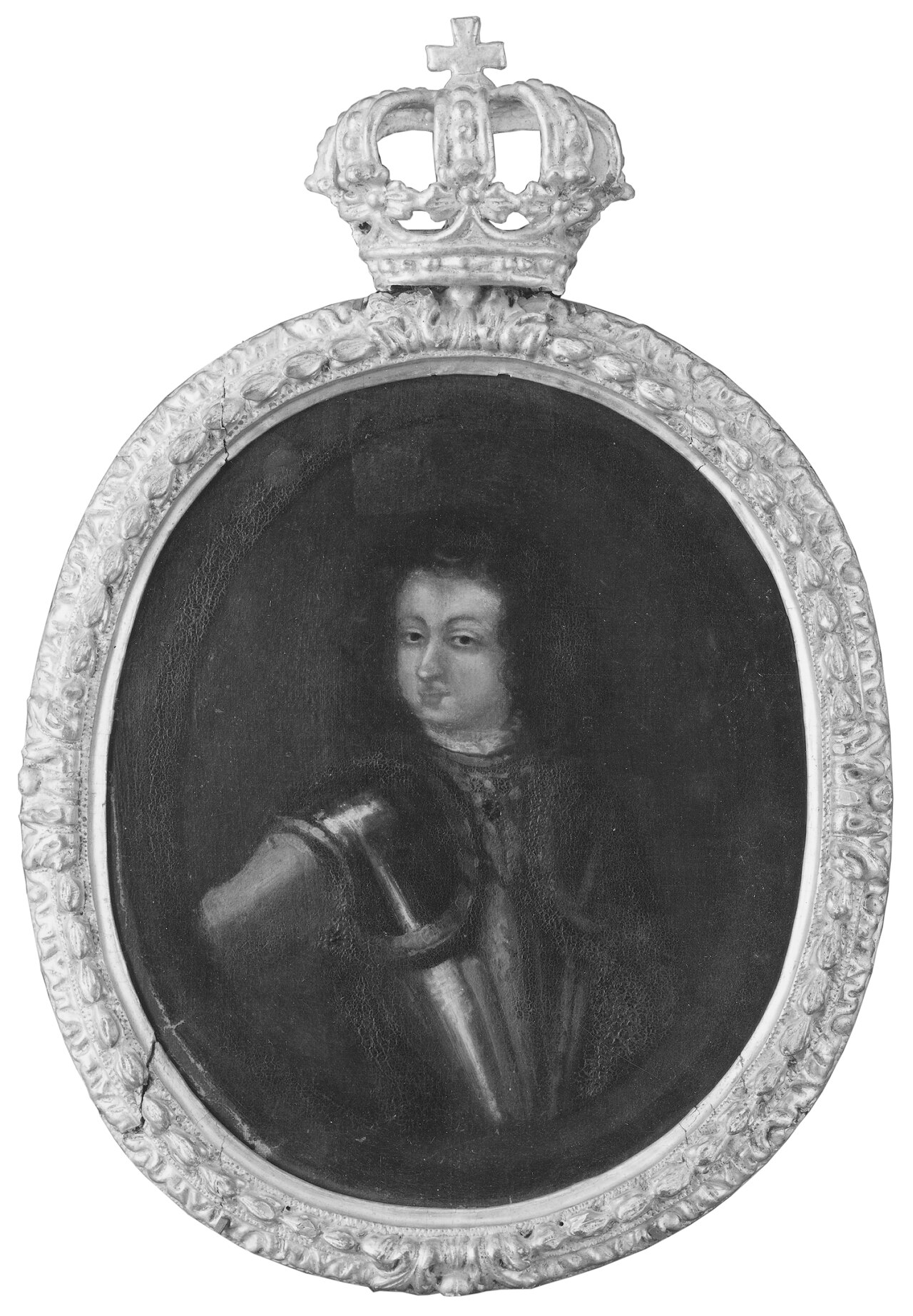
In the same year she produced a portrait of her husband, *Karl XI, 1655‑1697, King of Sweden*. The painting portrays the monarch in regal attire, his posture dignified yet approachable, reflecting both the conventions of royal portraiture and the queen’s personal familiarity with her subject. Another work attributed to her is a portrait of Olof Rudbeck, a prominent physician and scientist, indicating her engagement with intellectual figures of the Swedish Enlightenment.
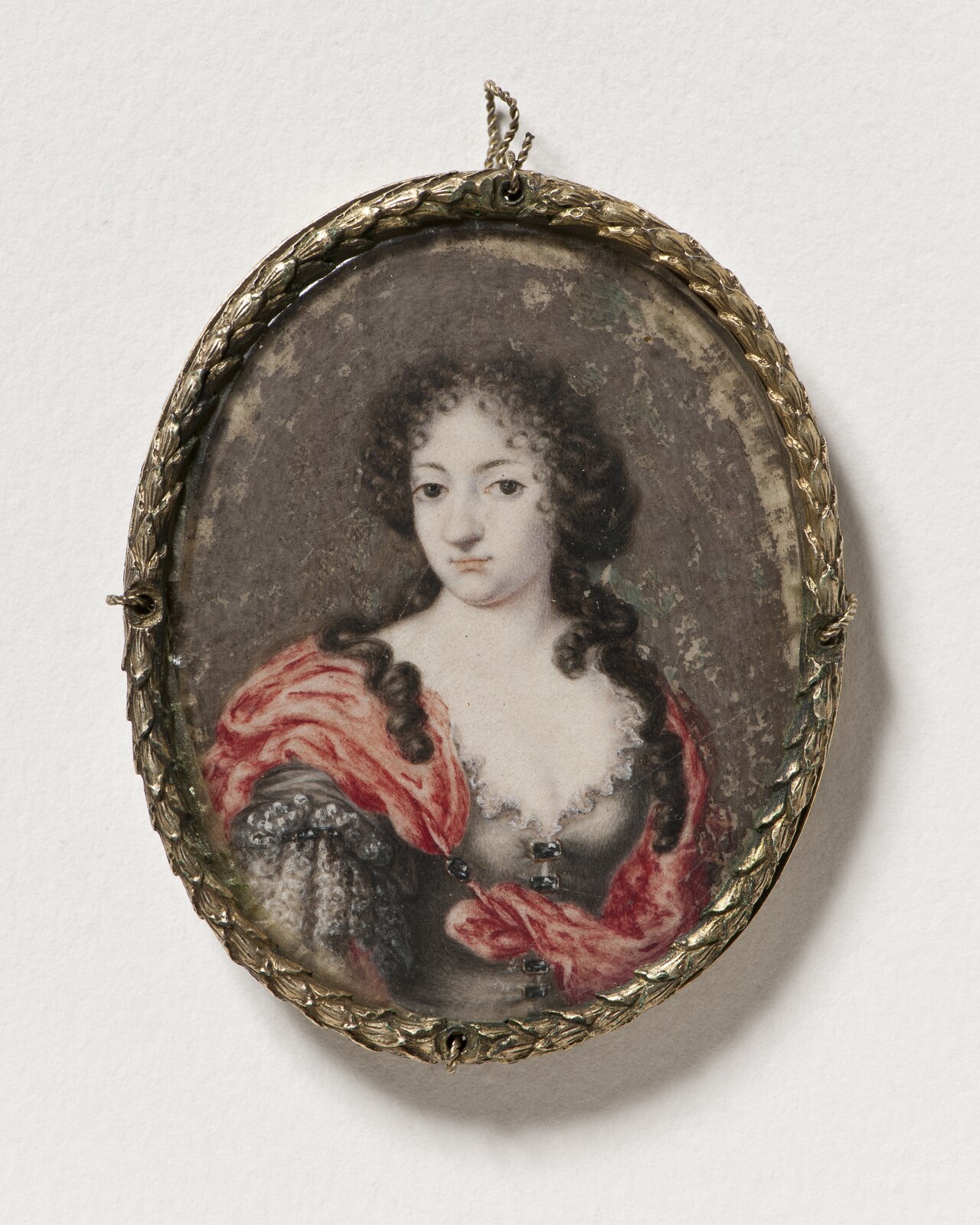
A *Self‑portrait* dated 1700 appears in later inventories, though the date post‑dates her death in 1693. This discrepancy has led scholars to consider the piece a posthumous copy or a misattribution. Nevertheless, the portrait, when examined, reveals a modestly rendered likeness that aligns with the stylistic traits observed in her authenticated works.
Influence and legacy Ulrika Eleonora’s artistic contributions are modest in volume but significant for several reasons. First, they provide a rare glimpse into the creative pursuits of a reigning queen in a period when women’s artistic production was often confined to the private sphere. Second, her landscapes anticipate the more fully developed Swedish landscape tradition of the 18th century, bridging the gap between courtly genre scenes and the later national romanticism. Finally, her patronage and personal involvement in the arts reinforced the cultural exchange between Denmark and Sweden, encouraging a shared visual language that would endure beyond her lifetime.
While she is primarily remembered for her political role and charitable endeavours, Ulrika Eleonora’s paintings remain valuable artefacts for art historians studying the intersection of royalty, gender, and artistic practice in early modern Scandinavia. Contemporary exhibitions occasionally feature her works alongside those of her contemporaries to highlight the contributions of female artists operating within royal contexts.
Frequently asked questions
Who was Ulrika Eleonora of Denmark?
Ulrika Eleonora of Denmark (1656–1693) was a Danish princess who became queen consort of Sweden and also practiced painting, producing a small body of landscape and portrait works.
What artistic style or movement is she associated with?
Her paintings reflect a late‑17th‑century Northern European Baroque style, with an emphasis on naturalistic landscapes and restrained portraiture.
What are her most famous works?
Key works include *Landscape with Dancing Bears* (1682), *Arcadian landscape* (1682), a portrait of King Charles XI (1682), and a portrait of the physician Olof Rudbeck.
Why does she matter in art history?
She exemplifies the rare case of a reigning queen who produced artworks, offering insight into female artistic activity at court and influencing early Swedish landscape painting.
How can one recognise a painting by Ulrika Eleonora?
Her works are characterised by a modest earth‑tone palette, careful modelling of figures, and a calm, orderly composition that blends genre subjects with natural scenery.