Xiao Yuncong
1591 – 1668
In short
Xiao Yuncong (1591–1668) was a Chinese landscape painter, calligrapher and poet of the late Ming dynasty, celebrated for his subtle ink washes, lyrical brushwork and integration of poetry into his paintings.
Notable works
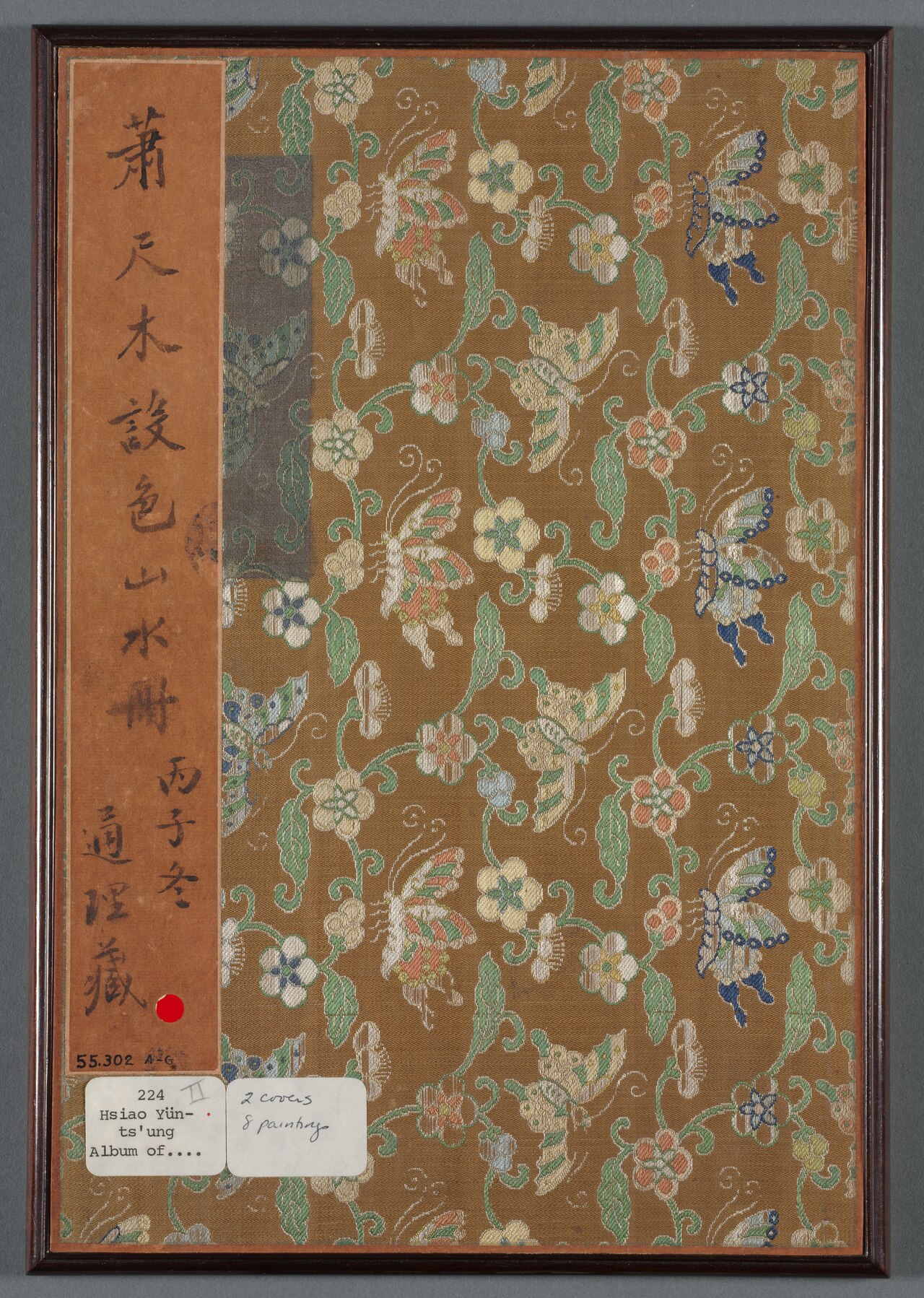
.jpg)

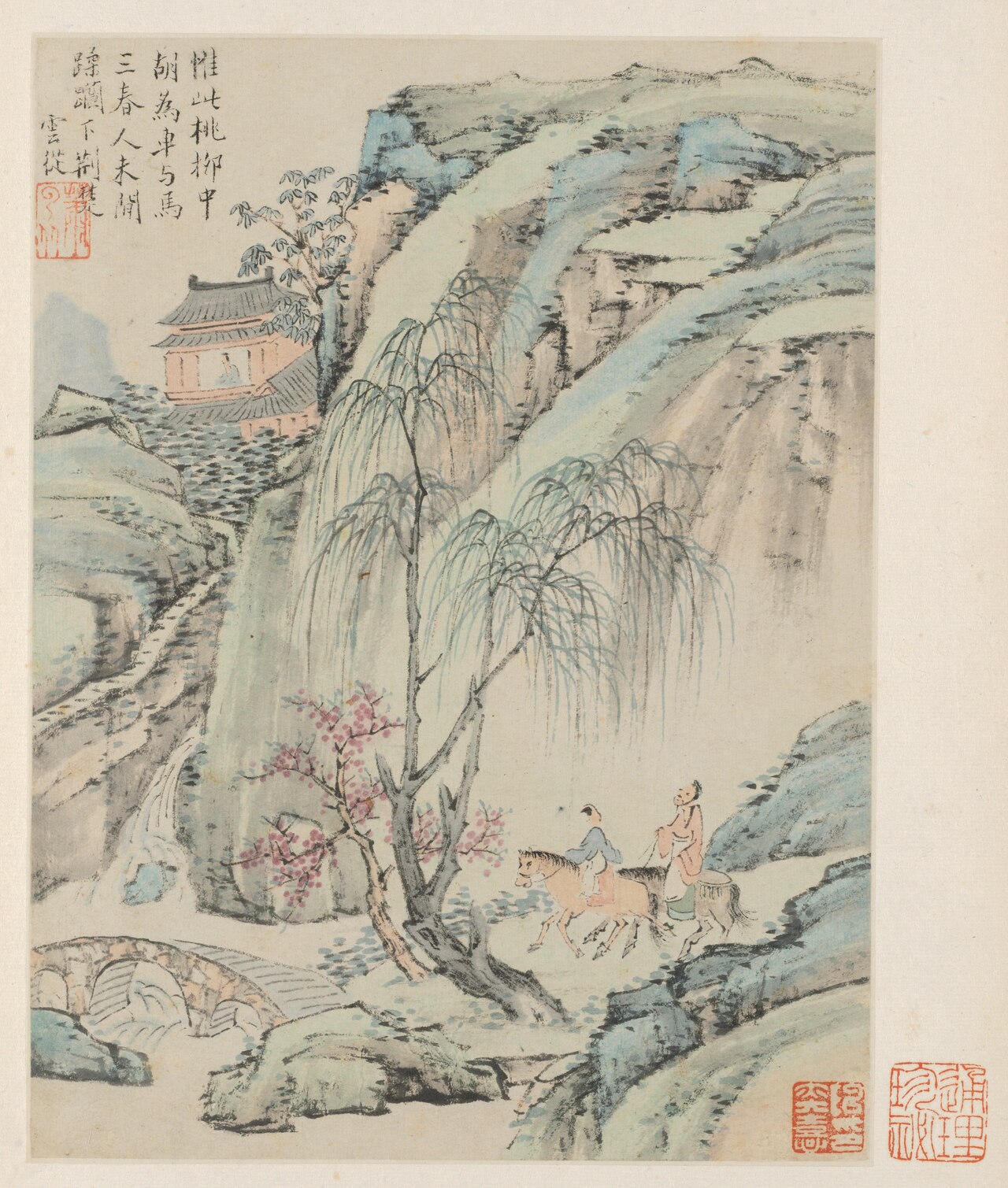
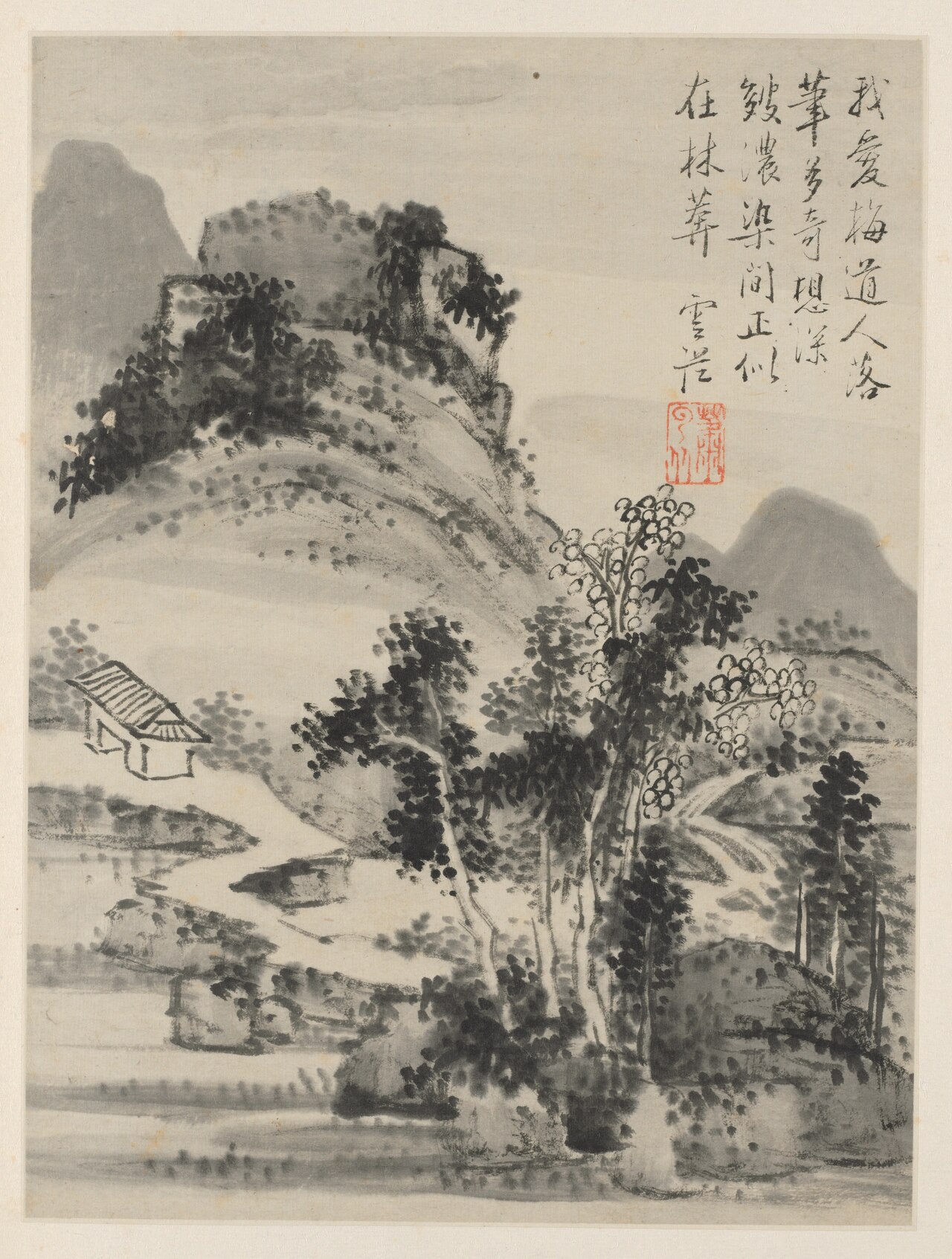
Early life Xiao Yuncong was born in 1591 in the city of Wuhu, located in the Anhui province of the Ming Empire. His family belonged to the educated gentry, a background that gave him access to classical learning and the arts from an early age. In the traditional Chinese system, a scholar‑official’s education began with the study of the Four Books and the Five Classics, and Xiao followed this path, mastering calligraphy and poetry alongside his visual training. The cultural milieu of late‑Ming China placed a high value on the ability to combine literary and visual expression, a principle that would shape Xiao’s artistic identity.
Career and style Xiao entered his professional life during a period of political turbulence as the Ming dynasty waned and the Manchu Qing dynasty began to assert control. Although the exact details of his official appointments are unclear, he is known to have worked as a literati painter, moving within the circles of scholar‑officials, monks and fellow artists. His style reflects the literati tradition (wenrenhua), which favoured personal expression over formal court standards. Rather than the bright colours of court painting, Xiao preferred monochrome ink, employing varied tones to suggest depth and atmosphere.
His landscapes are characterised by a restrained, almost meditative quality. He often depicted mist‑shrouded mountains, winding rivers and solitary pavilions, evoking the ideal of a scholar retreating from worldly concerns. The brushwork is fluid yet controlled, with a preference for dry‑brush strokes that render rock faces and foliage in a subtle, textured manner. Xiao’s poetry frequently accompanies his images, creating a dialogue between word and picture that reinforces the contemplative mood.
Signature techniques Xiao Yuncong’s technical repertoire includes several hallmarks that distinguish his work from his contemporaries:
* Ink layering – He built depth by applying successive washes of ink, allowing the earlier layers to dry before adding darker tones. This creates a sense of space that feels both tangible and ethereal. * Dry‑brush texture – By using a relatively dry brush on damp paper, Xiao rendered rock surfaces and tree bark with a grainy, almost tactile quality. * Monochrome harmony – Rather than relying on colour, he employed a range of grey tones, from the faintest wash to deep black, to suggest atmospheric perspective. * Poetic integration – Calligraphic inscriptions are not merely decorative; they are composed to complement the visual composition, often placed in empty sky or water spaces to balance the painting. * Seal carving – Xiao frequently added his personal seal to the corners of his works, a practice that both authenticated the piece and added a visual punctuation mark.
These techniques collectively convey a quiet, reflective atmosphere that aligns with the literati ideal of painting as an extension of the mind.
Major works Xiao’s surviving oeuvre is relatively limited, but several pieces stand out for their artistic and historical significance:
* Album of Seasonal Landscapes (1668) – This multi‑leaf album illustrates the changing scenery across the four seasons. Each leaf presents a distinct landscape, rendered with the same restrained ink palette, allowing viewers to experience a cyclical rhythm of nature. The album is often cited as a masterful example of seasonal narrative in Chinese painting.
* Album of Seasonal Landscapes, Leaf B (1668) – A specific leaf from the same series, Leaf B focuses on a spring scene with blossoming willows along a riverbank. The delicate wash of light green-grey ink suggests new growth, while the dry‑brush strokes capture the texture of bark and the ripple of water.
* Album of Seasonal Landscapes, Leaf D (1668) – Leaf D portrays an autumnal mountain vista, where mist rises from a valley and autumn foliage is hinted through subtle tonal shifts rather than explicit colour. The composition balances emptiness and detail, a hallmark of Xiao’s aesthetic.
* Pure Tones among Hills and Waters (1664) – This single‑panel painting emphasises the interplay of light and shadow across a rugged landscape. The title reflects Xiao’s commitment to tonal variation; the work relies on a limited palette of ink washes to convey depth, and the inscription adds a reflective poem about the transience of water.
* Landscape with Mountains and Rivers (1669) – Although dated after Xiao’s death, this work is traditionally attributed to his hand, suggesting it may have been completed by a close disciple or posthumously compiled. It features soaring peaks and a winding river that leads the eye toward a distant horizon, embodying the same serene atmosphere found in his earlier pieces.
These works collectively demonstrate Xiao’s consistent approach to landscape, his mastery of ink technique, and his integration of poetry as an essential component of visual art.
Influence and legacy Xiao Yuncong’s contribution to Chinese art lies in his refinement of the literati landscape tradition during a time of dynastic transition. While he did not found a formal school, his paintings were admired by later Qing scholars who valued the understated elegance of his ink work. His emphasis on tonal subtlety influenced subsequent generations of scholar‑artists who sought to express personal sentiment through minimalist means.
In modern scholarship, Xiao is recognised as a bridge between late‑Ming aesthetic ideals and early‑Qing artistic developments. His works are held in major Chinese museum collections and occasionally appear in international exhibitions that explore the evolution of Chinese landscape painting. The continuing interest in his albums, especially the seasonal series, underscores the enduring appeal of his contemplative vision of nature.
Overall, Xiao Yuncong remains a representative figure of the literati painter‑scholar, embodying the principle that painting, calligraphy and poetry are inseparable expressions of a cultivated mind.
Frequently asked questions
Who was Xiao Yuncong?
Xiao Yuncong (1591–1668) was a Chinese landscape painter, calligrapher and poet of the late Ming dynasty, known for his subtle ink landscapes and poetic integration.
What artistic style or movement is Xiao Yuncong associated with?
He worked within the literati (wenren) tradition, favouring monochrome ink, personal expression and the combination of poetry with painting rather than a formal court style.
What are Xiao Yuncong’s most famous works?
His best‑known pieces include the Album of Seasonal Landscapes (1668) and its individual leaves, Pure Tones among Hills and Waters (1664), and the Landscape with Mountains and Rivers (1669).
Why is Xiao Yuncong important in art history?
He refined the literati landscape approach during a period of dynastic change, influencing later Qing scholars and exemplifying the integration of poetry, calligraphy and painting.
How can I recognise a Xiao Yuncong painting?
Look for restrained monochrome ink washes, dry‑brush textures on rocks and trees, subtle tonal gradations, and poetic inscriptions that are woven into the composition.