Abraham Wuchters
1608 – 1682
In short
Abraham Wuchters (1608–1682) was a Flemish‑born painter and engraver who built his career in Denmark, becoming a leading portraitist for the Danish court and aristocracy.
Notable works
_-_Google_Art_Project.jpg)
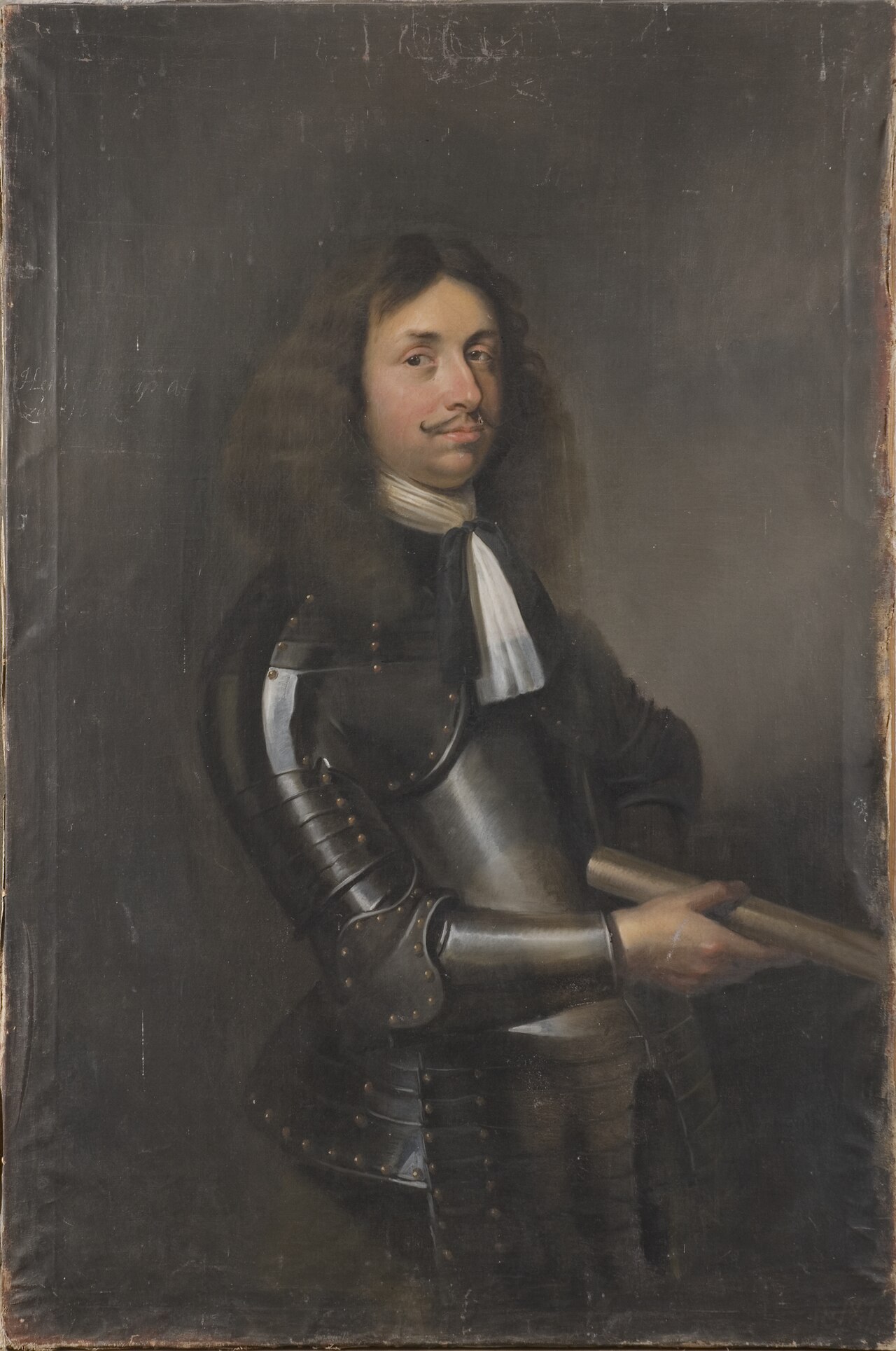
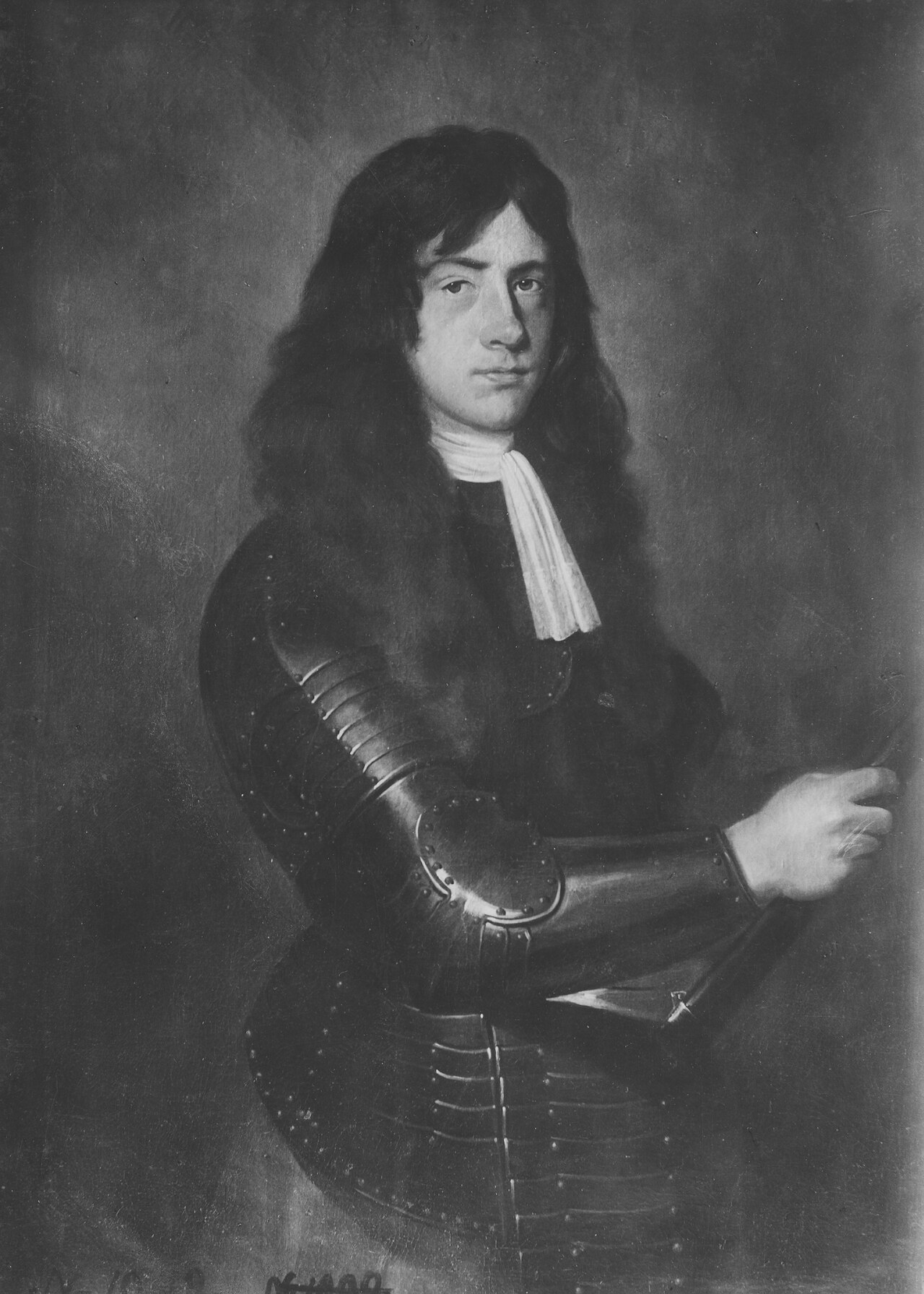

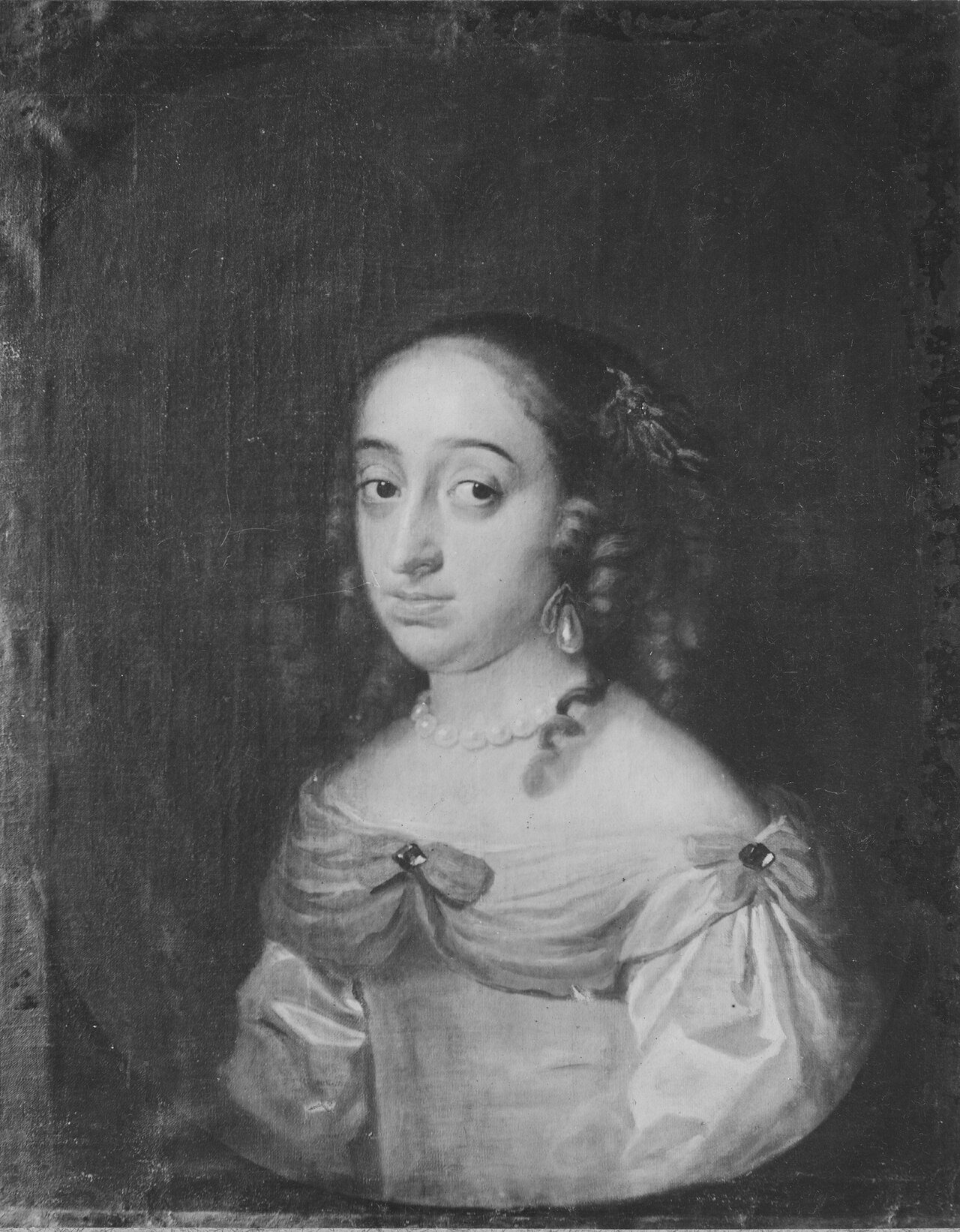
Early life Abraham Wuchters was born in 1608 in Antwerp, a major centre of artistic production in the Southern Netherlands. Little is recorded about his family background, but the city’s vibrant workshop environment would have provided ample opportunity for an apprenticeship. By the early 1630s he had completed his training, most likely under the guidance of a local master familiar with the techniques of the Dutch Golden Age. This formative period gave him a solid grounding in the realistic observation of texture, light and anatomy that characterised Netherlandish portraiture.
Career and style Around the mid‑1630s Wuchters moved to Denmark, a kingdom eager to import the sophisticated artistic standards of the Low Countries. He quickly entered the service of the Danish court, where his skill in rendering noble likenesses earned him a reputation comparable to that of his compatriot Karel van Mander III. Together they dominated court commissions, supplying portraits that combined the naturalism of Dutch painting with the emerging Baroque sensibility of the Danish elite. Wuchters’ style is therefore best described as a synthesis of Dutch realism and early Baroque drama: his figures are rendered with meticulous detail, yet he employs a subtle use of chiaroscuro to give a sense of depth and presence. The overall effect is dignified and restrained, reflecting the tastes of a court that valued both fidelity to the sitter and the visual gravitas of the new Baroque language.
Signature techniques Wuchters’ work is distinguished by several recurring technical approaches. First, his handling of flesh tones shows a layered glazing technique, allowing skin to appear luminous and slightly translucent. Second, he favoured a restrained palette of earth tones, deep blues and muted reds, which he balanced with delicate highlights to model facial features. Third, his brushwork is fine and controlled, especially in the rendering of fabrics and jewellery; the texture of silk, velvet and metal is achieved through a combination of thin, precise strokes and minute stippling. Finally, as an engraver, Wuchters translated many of his painted portraits into copperplate prints, preserving the same compositional clarity and attention to detail. This dual practice reinforced his reputation for exacting draftsmanship.
Major works Wuchters’ surviving oeuvre is dominated by portraiture of high‑ranking individuals, many of which remain in Danish and Swedish collections.
* Christina of Sweden (1626–89) (1661) – This portrait depicts the former queen of Sweden, Christina, during her exile in Denmark. Wuchters captures her contemplative gaze and aristocratic bearing, employing a subdued background that focuses attention on the sitter’s elaborate dress and the soft modelling of her face.
* Filip, Count Palatine of Sulzbach (1630–1703) (1660) – In this work, the German noble is presented in a formal pose, with a richly embroidered coat and a sword at his side. Wuchters’ handling of the metallic surfaces demonstrates his skill in rendering reflections and textures, while the slight tilt of the head suggests a modest confidence.
* Portrait of Johan Karl (1638–1704) (1650) – Johan Karl, a Danish aristocrat, is shown against a dark backdrop that accentuates the warm tones of his skin and the intricate detailing of his lace collar. The portrait is notable for its psychological depth; the sitter’s direct gaze conveys both authority and introspection.
* Carl Gustaf Wrangel (1613–1676) (1660) – The Swedish field‑marshal is rendered in full military regalia, with a meticulously painted coat of arms. Wuchters balances the ornate armour with a calm, almost stoic expression, highlighting the sitter’s status without resorting to excessive flamboyance.
* Anna Dorotea, Princess of Holstein‑Gottorp (1640–1713) (1700) – This later work portrays the princess as an abbess, cloaked in a simple yet elegant habit. The portrait’s restrained colour scheme and the delicate rendering of the fabric’s folds exemplify Wuchters’ mature style, where spiritual modesty and noble dignity coexist.
These works collectively illustrate Wuchters’ ability to adapt his technique to a range of social ranks while maintaining a consistent visual language of clarity, texture and subtle drama.
Influence and legacy Abraham Wuchters occupies a pivotal position in the transmission of Dutch artistic principles to the Danish Baroque. By establishing a court workshop that catered to the tastes of both the monarchy and the upper bourgeoisie, he helped raise the technical standards of Danish portraiture. His influence can be traced in the work of later Danish painters such as Bendix Grodtschilling the Younger, who adopted Wuchters’ careful modelling of flesh and his restrained colour palette. Moreover, his engravings disseminated a visual model of courtly representation throughout Northern Europe, reinforcing the aesthetic link between the Low Countries and Scandinavia. Although he is less widely known than some of his Dutch contemporaries, Wuchters’ contribution to the visual culture of 17th‑century Denmark remains a cornerstone for scholars studying the cross‑regional flow of Baroque art.
Frequently asked questions
Who was Abraham Wuchters?
Abraham Wuchters (1608–1682) was a Flemish‑born painter and engraver who worked mainly in Denmark, becoming a leading portraitist for the Danish court and nobility.
What style or movement is he associated with?
His work blends Dutch Golden Age realism with early Baroque drama, creating portraits that are both meticulously detailed and subtly theatrical.
What are his most famous works?
Key works include portraits of Christina of Sweden (1661), Count Palatine Filip of Sulzbach (1660), Johan Karl (1650), Field‑marshal Carl Gustaf Wrangel (1660) and Princess‑Abbess Anna Dorotea of Holstein‑Gottorp (1700).
Why does he matter in art history?
Wuchters helped transmit Dutch artistic techniques to Denmark, shaping the development of Danish Baroque portraiture and influencing subsequent generations of Scandinavian painters.
How can I recognise an Abraham Wuchters painting?
Look for finely modelled flesh tones, restrained colour palettes, meticulous rendering of fabrics and metal, and a calm yet dignified expression typical of his court portraits.