Lucas Gassel
1483 – 1568
In short
Lucas Gassel was a painter and draughtsman from the Southern Netherlands active during the Renaissance. He is recognised for his significant contributions to the development and modernisation of landscape painting in Flanders. Gassel's work often featured detailed and expansive natural settings.
Notable works

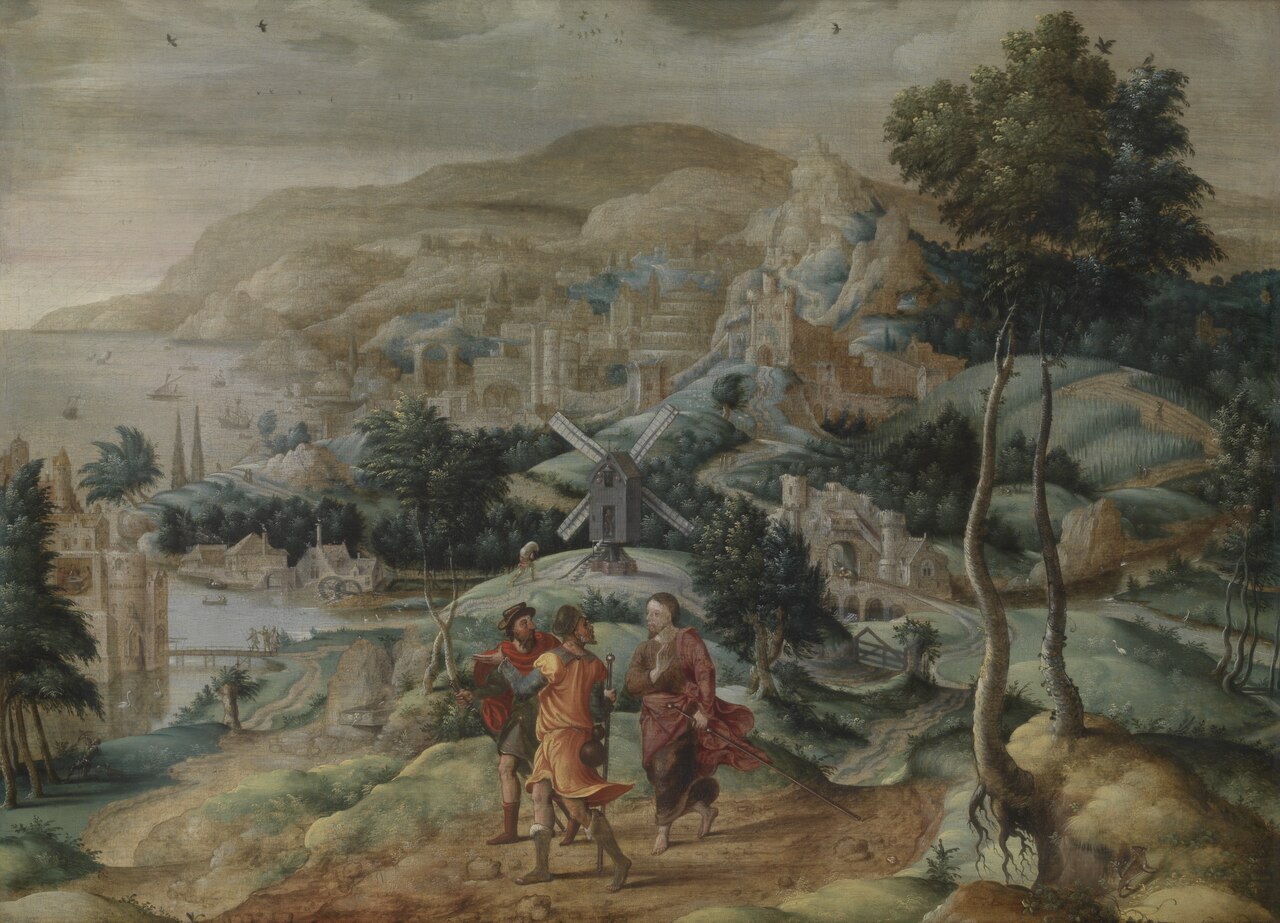


Early life Lucas Gassel, sometimes referred to as Lucas van Gassel, was born in Helmond, a town in the Southern Netherlands, around 1483. Information regarding his early life and artistic training is limited, as is common for many artists of this period. However, his later career and the style of his mature works suggest a strong grounding in the artistic traditions prevalent in the Flemish region during the Renaissance. He eventually settled in Brussels, where he spent a significant portion of his working life and where he died in 1568.
Career and style Gassel's career spanned much of the 16th century, a period of significant artistic innovation in the Low Countries. While his specific artistic affiliations or participation in known art movements remain unclassified, his oeuvre places him firmly within the Renaissance landscape tradition. He is credited with helping to advance and modernise the genre of landscape painting in Flanders. His works are characterised by a keen observation of nature, often rendered with meticulous detail and a sense of expansive spatial depth. He moved beyond the more symbolic or allegorical landscapes that preceded him, focusing on the depiction of the natural world as a subject in its own right, albeit often populated with biblical or historical figures.
Signature techniques While Gassel did not leave extensive writings on his artistic process, his surviving works reveal certain stylistic tendencies. He was a skilled draughtsman, evident in the precise rendering of natural elements such as trees, rock formations, and atmospheric effects. His landscapes often possess a panoramic quality, inviting the viewer to explore the scene. The integration of figures within these landscapes is typically harmonious, with the figures often serving to animate the scene or provide a narrative focus, rather than dominating the composition. His use of colour tends towards a naturalistic palette, with an emphasis on the subtle shifts of light and shadow that define the forms and create a sense of atmosphere. The detailed execution of foliage, earth textures, and distant vistas showcases a refined technique that contributed to the growing appreciation of landscape as a distinct artistic genre.
Major works Among Lucas Gassel's notable works are several landscape paintings that exemplify his mature style. 'The Flight into Egypt', dated 1542, presents the biblical narrative within a richly detailed natural setting, showcasing Gassel's ability to blend religious subject matter with a convincing depiction of the environment. 'Landscape with Judah and Thamar' from 1548 further illustrates his skill in composing complex scenes within expansive vistas, integrating human figures into a believable natural world. The painting 'The Flight into Egypt' (1545) is another iteration of this theme, likely exploring variations in composition and atmospheric rendering. 'Saint Jerome in a Landscape' (1550) places a solitary devotional figure within a vast and detailed natural environment, highlighting the contemplative aspect of his landscapes. Finally, 'The Journey to Emmaus' (1560), one of his later works, demonstrates his continued engagement with narrative biblical scenes set against evocative landscapes.
Gassel was also involved in the design of prints. He created designs that were subsequently published by the prominent Antwerp publisher Hieronymus Cock, a significant figure in the dissemination of prints during the 16th century. This collaboration indicates Gassel's importance within the broader artistic network of the time and his role in popularising landscape imagery beyond the confines of panel painting.
Influence and legacy Lucas Gassel's work played a role in the evolution of landscape painting in the Southern Netherlands. By focusing on the natural world with such detail and by developing compositions that offered expansive views, he contributed to the increasing autonomy of landscape as a genre. His modernisations within the Flemish landscape tradition paved the way for later artists who would further explore the potential of landscape painting. His designs for prints, disseminated by Hieronymus Cock, ensured that his visual vocabulary reached a wider audience, influencing printmakers and painters alike. Although perhaps not as widely celebrated as some of his contemporaries, Gassel's dedicated focus on landscape earned him a place among the important figures who shaped the genre during the Northern Renaissance.
Frequently asked questions
Who was Lucas Gassel?
Lucas Gassel was a painter and draughtsman from the Southern Netherlands during the Renaissance, known for his landscape paintings. He was born in Helmond and died in Brussels.
What art movement is Lucas Gassel associated with?
Lucas Gassel's specific art movement is unknown. However, his work is situated within the Renaissance landscape tradition, and he is noted for modernising this genre in Flanders.
What are Lucas Gassel's most famous works?
Among his well-known works are 'Saint Jerome in a Landscape' (1550), 'The Journey to Emmaus' (1560), and various depictions of 'The Flight into Egypt' (dated 1542 and 1545).
Why is Lucas Gassel considered important in art history?
Gassel is important for his significant contributions to the development and modernisation of landscape painting in the Southern Netherlands. His detailed and expansive natural settings helped elevate landscape as an independent genre.
How can one recognise a painting by Lucas Gassel?
Works by Lucas Gassel often feature meticulously detailed, expansive landscapes with a panoramic quality. Look for harmonious integration of biblical or narrative figures within these natural settings and a precise rendering of natural elements.