Frans Luycx
1604 – 1668
In short
Frans Luycx (1604–1668) was a Flemish portrait painter from Antwerp who became the principal court artist for Emperor Ferdinand III in Vienna. He is renowned for his highly detailed portraits of Habsburg royalty, especially members of the Austrian and Spanish branches.
Notable works

Early life Frans Luycx was born in 1604 in Antwerp, a city that was a thriving centre of artistic production in the Southern Netherlands. Little is recorded about his family background, but like most painters of his generation he would have begun an apprenticeship in a local workshop, most likely within the Guild of Saint Luke. Antwerp’s vibrant market for portraiture and its connections to the Habsburg courts provided a natural pathway for a talented young artist to pursue a career beyond the city’s borders.
Career and style By the mid‑1630s Luycx had attracted the attention of the imperial court in Vienna, where the Habsburgs were actively commissioning portraits to reinforce their dynastic image. He secured a position as the leading portraitist under Emperor Ferdinand III, a role that placed him at the heart of the court’s visual propaganda. Luycx’s style reflects the broader Baroque sensibility that dominated European art in the 17th century, yet his work retains a distinctive Flemish clarity. He combined the dramatic lighting and rich colour palette associated with the Baroque with a meticulous attention to texture and surface, a hallmark of the Antwerp school.
His portraits convey both the authority of the sitter and a subtle psychological depth. The compositions are generally straightforward, often set against a neutral or minimally decorated background that draws the viewer’s focus to the figure’s face, hands, and sumptuous attire. The artist’s handling of light creates a gentle modelling of the facial features while allowing the fabrics—silks, brocades, and lace—to shimmer with realism.
Signature techniques Luycx is noted for several recurring technical approaches: - **Fine brushwork**: He rendered fabrics and jewellery with a delicate, almost microscopic brushstroke, achieving a tactile quality that makes the materials appear tangible. - **Controlled chiaroscuro**: Rather than the stark contrasts favoured by some Baroque contemporaries, Luycx employed a softer gradation of light, which enhanced the three‑dimensionality of the sitter without overwhelming the overall composition. - **Colour harmony**: His palette often juxtaposes deep reds and golds with cooler blues or greys, creating a balanced visual rhythm that underscores the status of the subject while maintaining a naturalistic skin tone. - **Attention to insignia**: In Habsburg portraits, regalia and heraldic symbols are rendered with exacting precision, underscoring the political importance of the portrait.
These techniques together give Luycx’s work a polished, courtly elegance that was highly prized by his patrons.
Major works Luycx’s surviving oeuvre is anchored by a series of portraits that document the Habsburg family across its Austrian and Spanish branches.
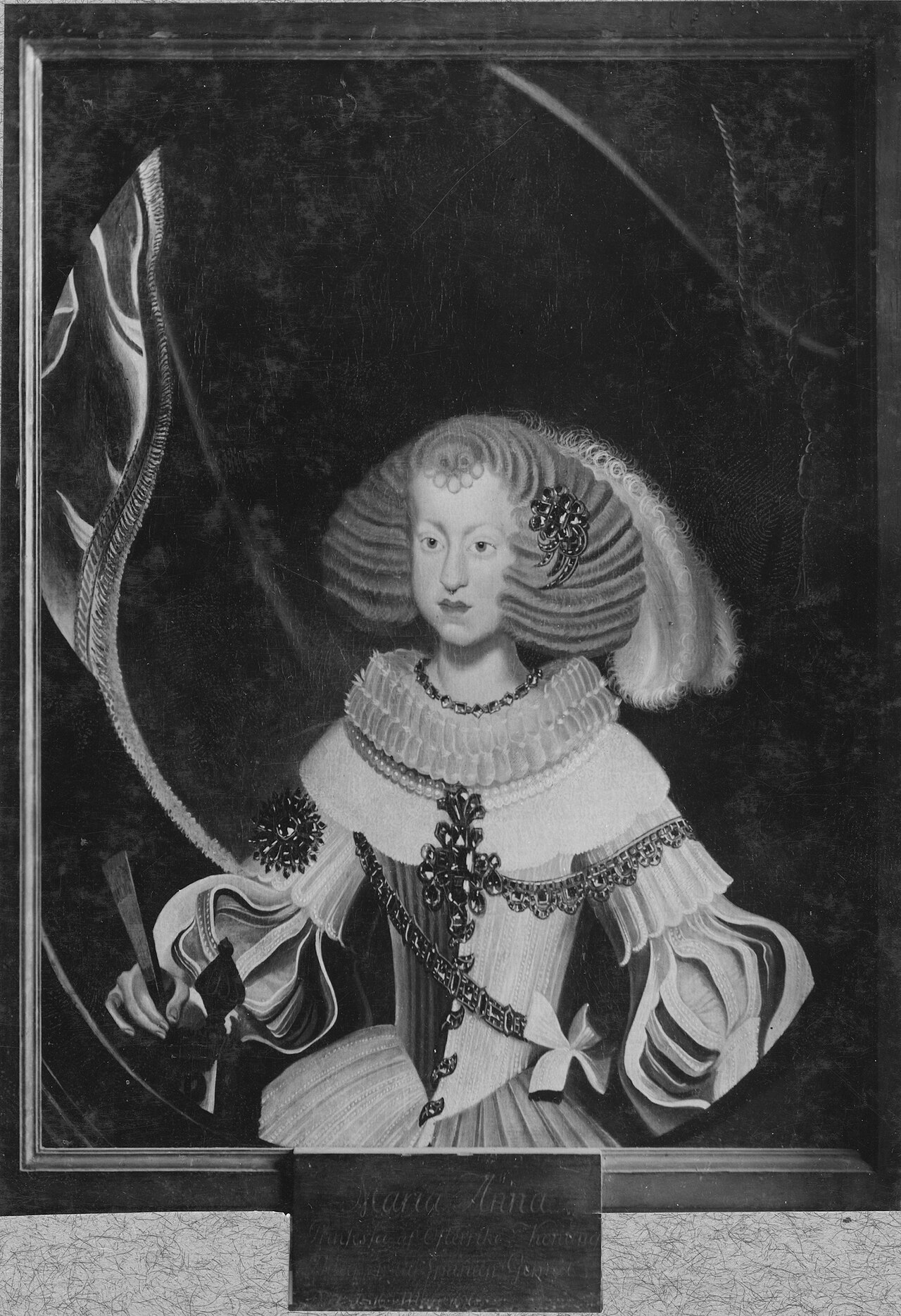
- Portrait of Maria Anna of Austria, Queen of Spain (1635‑1696) – This painting captures Maria Anna in regal attire, highlighting the intricate lacework of her dress and the subtle play of light across her face. The portrait served both as a personal likeness and as a diplomatic token, reinforcing the alliance between the Austrian and Spanish courts.
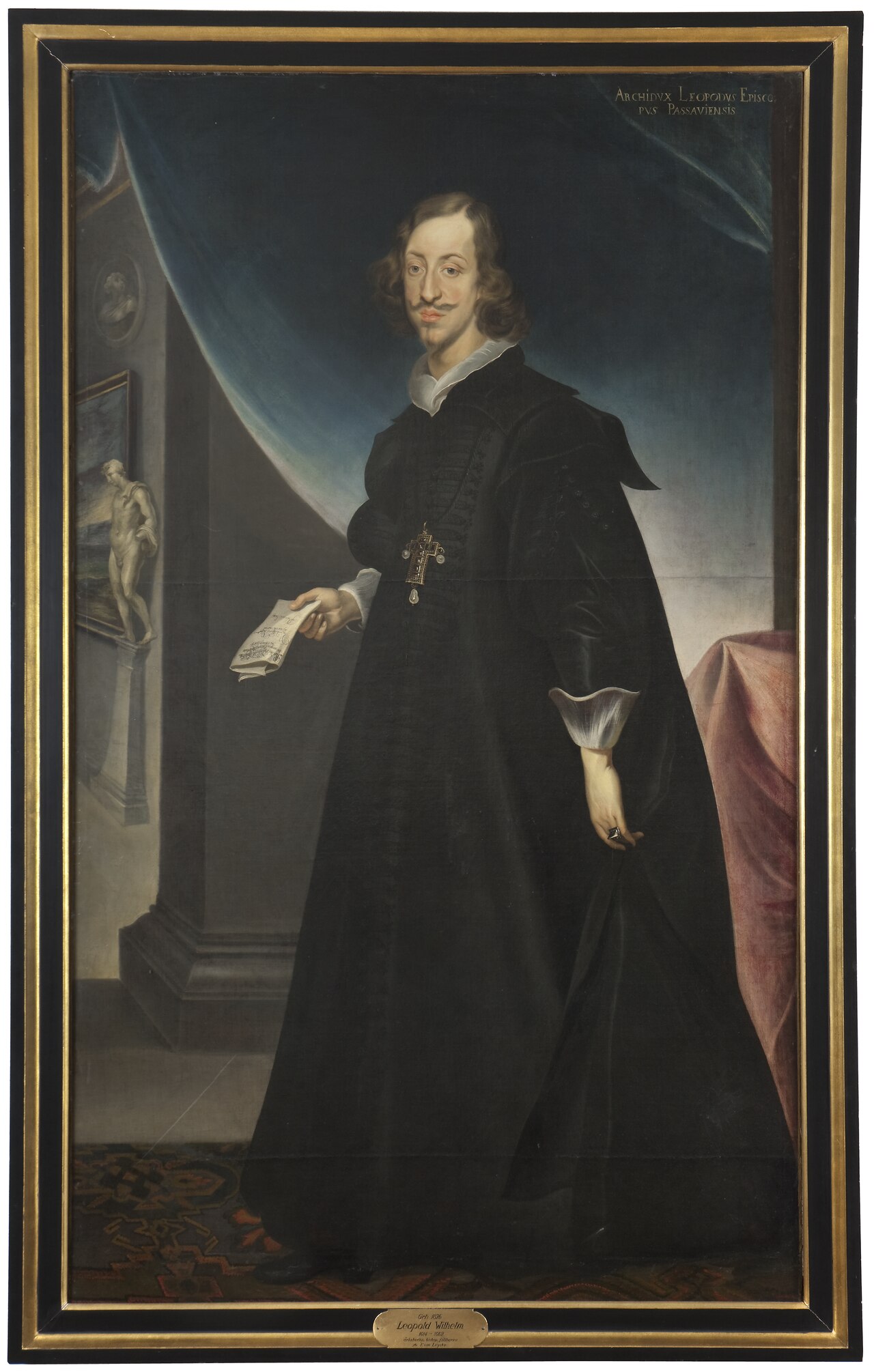
- Leopold Wilhelm (1614–1662), Archduke of Austria (1650) – Rendered in 1650, the portrait presents the Archduke in a formal, almost static pose, emphasising his status as a military leader. Luycx’s deft rendering of the armour’s metallic sheen and the rich crimson cloak exemplifies his skill in depicting luxurious textiles.
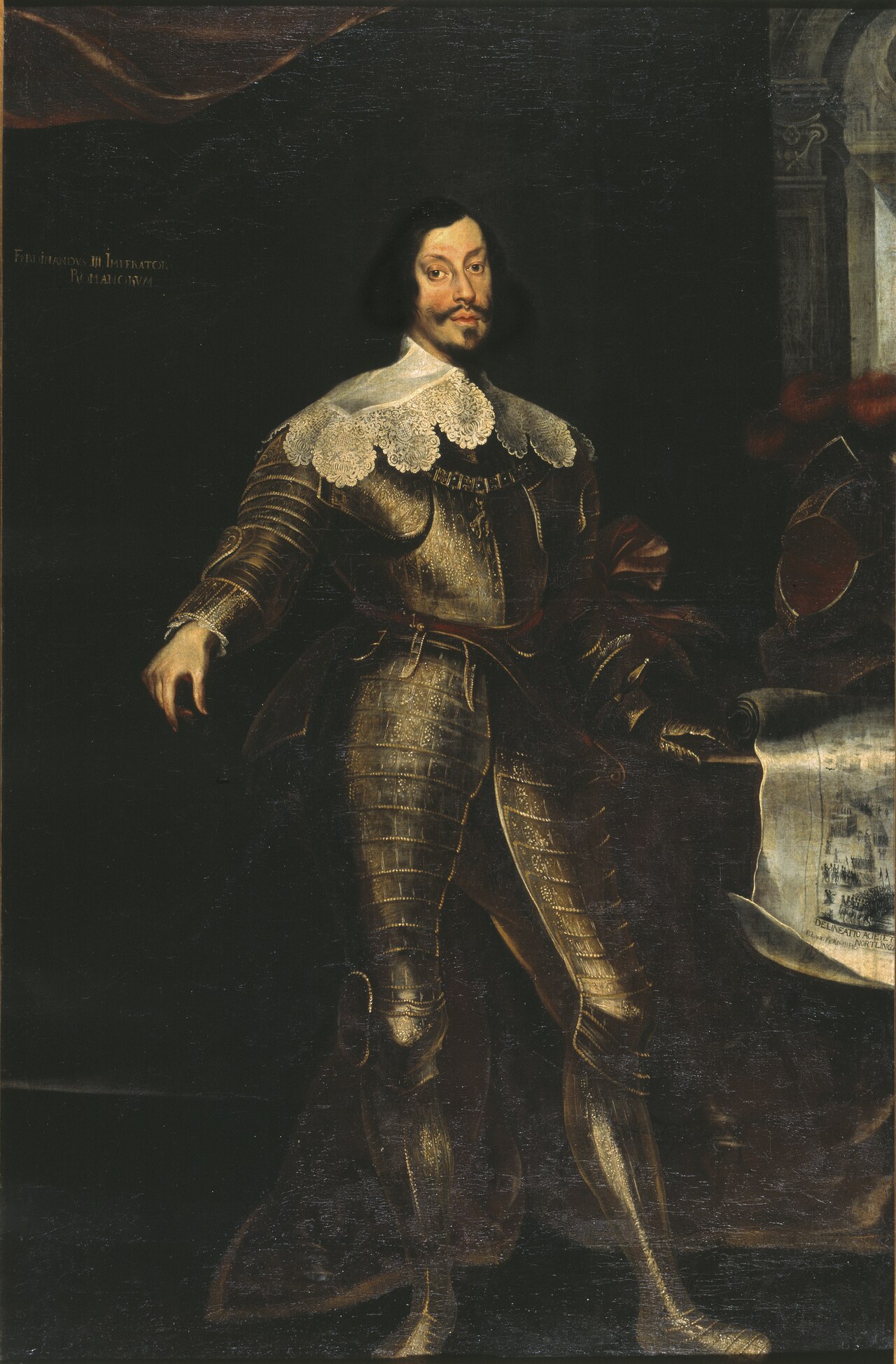
- Ferdinand III (1608‑1657), Holy Roman Emperor – Though the exact date of this portrait is not recorded, it is believed to have been produced during the emperor’s reign. The work showcases Ferdinand III in imperial regalia, with a focus on the crown and sceptre, symbols of his authority. The portrait’s restrained background and the emperor’s composed expression reflect the solemnity of his office.
- Maria Anna (1606‑1646), Infanta of Spain, Consort to Emperor Ferdinand III (1638) – Created in 1638, this portrait depicts the Infanta as a youthful, dignified figure, her attire embellished with pearls and a delicate veil. The work underscores the political marriage that linked the Spanish and Austrian Habsburg lines, and it demonstrates Luycx’s capacity to convey both elegance and the subtle weight of dynastic expectation.
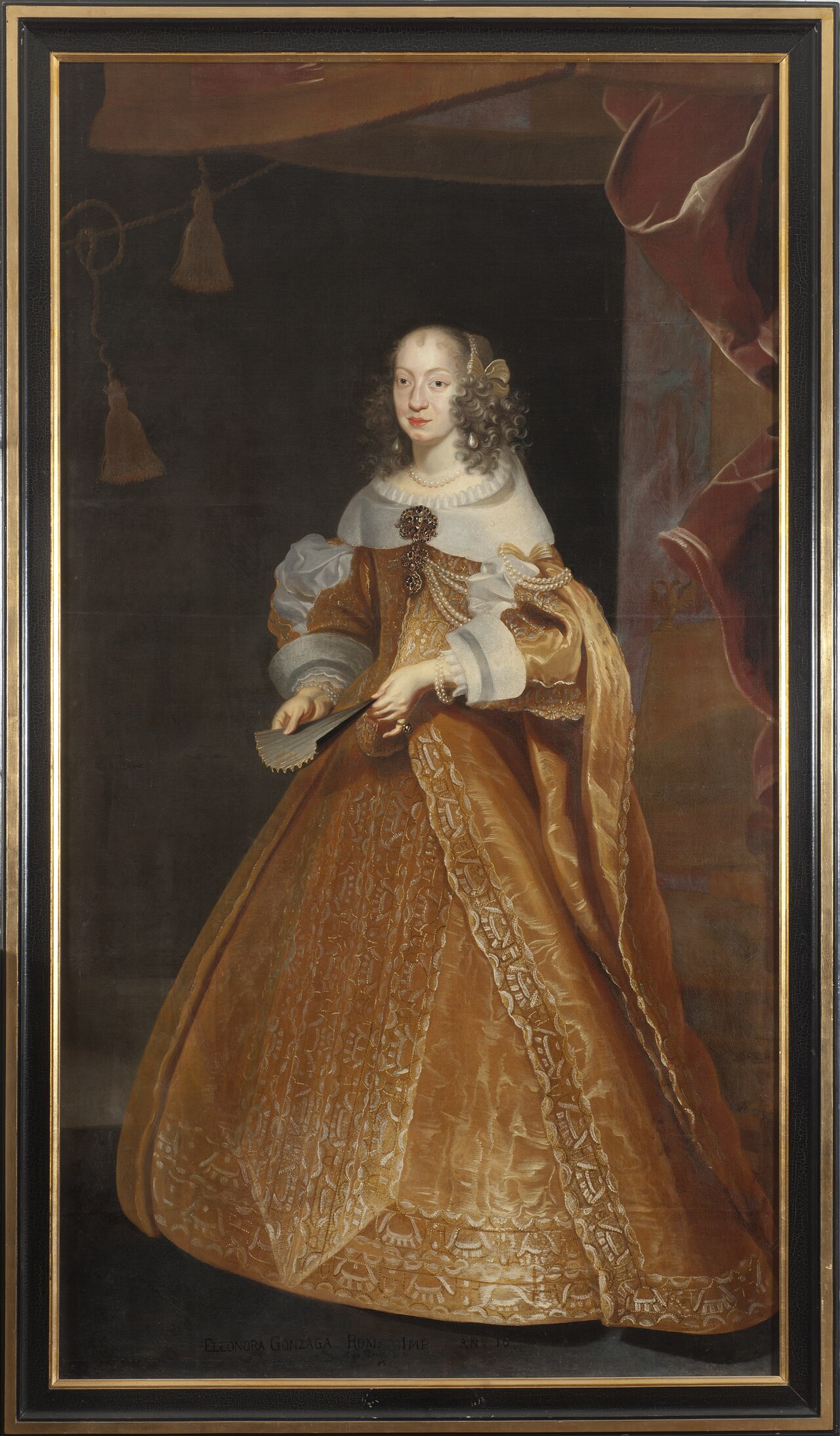
- Eleonora of Gonzaga (1630‑1686) (1650) – In this 1650 portrait, Eleonora is shown with a composed poise, her clothing richly patterned with embroidered motifs that hint at her Italian heritage. Luycx’s handling of the soft fabric and the gentle modelling of her face illustrate his mature style.
These works are held in various European collections, including the Kunsthistorisches Museum in Vienna, where they continue to inform scholars about 17th‑century court portraiture.
Influence and legacy Frans Luycx’s tenure at the Viennese court set a benchmark for portraiture that resonated long after his death in 1668. His meticulous approach to texture and his balanced use of light influenced subsequent generations of court painters, who sought to emulate his blend of Flemish precision with Baroque grandeur. Moreover, his portraits functioned as visual records of the Habsburg family’s political networks, providing historians with valuable insights into dynastic representation.
While Luycx is not formally associated with a specific artistic movement, his work epitomises the cross‑cultural exchange between the Southern Netherlands and the imperial centres of Central Europe. Modern exhibitions of Baroque portraiture frequently include his paintings, and his technique continues to be studied in art‑historical curricula focused on Northern European contributions to the Baroque era.
In sum, Frans Luycx occupies a pivotal place in the visual culture of the Habsburg courts, and his portraits remain exemplary models of courtly elegance and technical mastery.
Frequently asked questions
Who was Frans Luycx?
Frans Luycx (1604–1668) was a Flemish painter from Antwerp who became the chief portrait artist for Emperor Ferdinand III’s court in Vienna.
What artistic style or movement is he associated with?
His work reflects the Baroque period, combining Flemish realism with the dramatic lighting and rich colour typical of Baroque portraiture.
What are his most famous works?
Key works include portraits of Maria Anna of Austria (Queen of Spain), Archduke Leopold Wilhelm (1650), Emperor Ferdinand III, Infanta Maria Anna (1638), and Eleonora of Gonzaga (1650).
Why is Frans Luycx important in art history?
He set a high standard for court portraiture in the Habsburg realms, influencing later Viennese painters and providing a visual record of 17th‑century dynastic politics.
How can I recognise a Frans Luycx painting?
Look for finely rendered fabrics, subtle chiaroscuro that models faces without harsh contrast, and a balanced colour scheme that highlights regal insignia and delicate textures.