Frans Francken I
1542 – 1616
In short
Frans Francken I (1542–1616) was a Flemish Baroque painter from the Habsburg Netherlands, noted for large altarpieces, allegorical scenes and finely detailed genre works. Active in Antwerp, he became a leading figure of the Counter‑Reformation art world and founded a dynasty of painters that shaped the city’s visual culture.
Notable works

_(ca.1542-1616)_Het_Laatste_Avondmaal_Heilige_Kerstkerk_Gent_22-06-2019.jpg)


Early life Frans Francken I was born in 1542 in the town of Herentals, in what is now Belgium. Little is recorded about his family background, but he was raised in a region where the Catholic Reformation was reshaping artistic demand. In his teenage years he moved to Antwerp, the commercial and artistic hub of the Habsburg Netherlands, to begin an apprenticeship that would lay the foundation for his lifelong career.
Career and style By the 1560s Francken had established himself as a competent painter in Antwerp’s bustling workshop environment. He quickly attracted commissions for religious altarpieces, a genre that flourished under the Counter‑Reformation’s emphasis on didactic, emotionally resonant imagery. His style combined the rich colour palette of the Flemish tradition with a compositional clarity that echoed the teachings of the Council of Trent. Throughout his career Francken produced both grand biblical narratives and smaller, more intimate genre scenes, demonstrating a versatility that kept him in demand across a spectrum of patrons, from ecclesiastical institutions to private collectors.
The late 16th century saw Francken’s work increasingly incorporate allegorical content. He employed personifications of virtues, the four seasons, and the liberal arts to convey moral lessons within secular settings. This approach aligned him with the broader Flemish Baroque movement, which blended realism with symbolic complexity. By the turn of the 17th century he was recognised as one of Antwerp’s principal painters, a status reinforced by his role as a mentor to younger artists and by the establishment of a family workshop that would continue his artistic legacy.
Signature techniques Frans Francken I is distinguished by several technical hallmarks. First, his meticulous draftsmanship produces finely rendered figures whose gestures and facial expressions convey narrative nuance. He favoured a balanced composition in which the central action is framed by secondary details that enrich the story without distracting from the focal point. Colour is employed with restraint: deep reds, golden ochres and muted greens dominate, creating a harmonious palette that supports the devotional tone of his religious works.
Another hallmark is his use of layered glazing to achieve luminous skin tones and a subtle atmospheric depth. In genre scenes, Francken often includes a profusion of objects—books, musical instruments, intricate textiles—that serve both decorative and symbolic purposes. Light typically enters from a single source, highlighting the principal figures while casting peripheral elements into softer shadow, a technique that heightens the three‑dimensional illusion.
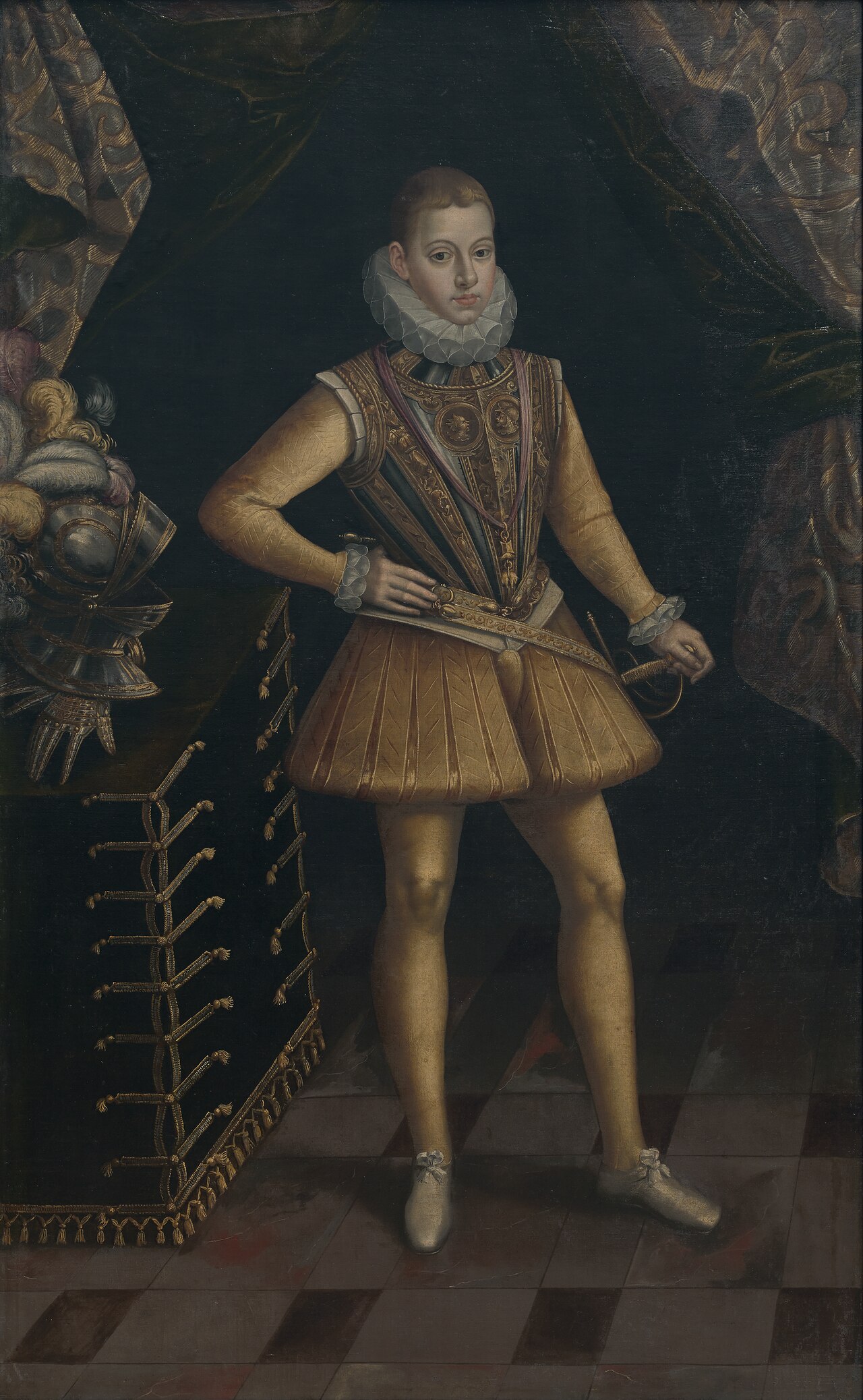
Major works - **The Life of Christ and the Virgin (1580)** – This altarpiece presents a sequence of episodes from the Virgin’s life alongside key moments from Christ’s ministry. Francken arranges the scenes within a unified architectural framework, allowing the viewer to move visually from one narrative to the next. - **Party Scene (1586)** – A lively genre painting that captures a festive gathering in a domestic interior. The work demonstrates Francken’s skill at rendering intricate details—tableware, upholstery and facial expressions—while also embedding subtle moral commentary about excess. - **The Adoration of the Magi (1586)** – In this biblical tableau, the Magi are portrayed with sumptuous garments and exotic gifts, set against a richly decorated backdrop. Francken’s careful handling of light emphasises the infant Christ as the focal point of devotion. - **Last Supper (1600)** – Created towards the end of his career, this composition adheres to Counter‑Reformation directives, presenting the apostles in a clear, orderly arrangement that underscores the sacramental significance of the scene. The subdued colour scheme and restrained emotive expression reflect the mature calm of Francken’s later work. - **Philip of Asturias, later Philip III of Spain** – A portrait of the future Spanish monarch, this work showcases Francken’s ability to convey regal authority through precise rendering of attire, insignia and a composed, direct gaze.
Influence and legacy Frans Francken I’s impact on Flemish art extends beyond his own oeuvre. He founded the Francken dynasty, a lineage that produced several generations of painters who continued to dominate Antwerp’s market well into the 17th century. His workshop served as a training ground for artists who would adopt his compositional strategies and allegorical vocabulary. Moreover, his synthesis of devotional intensity with detailed genre observation helped shape the visual language of the Baroque in the Low Countries, influencing contemporaries such as Otto van Veen and later masters like Peter Paul Rubens.
The preservation of his works in major European collections attests to his lasting relevance. Modern scholarship frequently cites Francken when discussing the negotiation between religious authority and emerging secular tastes during the late Renaissance. By balancing grand spiritual narratives with intimate, everyday scenes, he provided a model for artists navigating the complex cultural currents of the Habsburg Netherlands.
In sum, Frans Francken I stands as a pivotal figure whose artistic output bridged the sacred and the secular, whose technical finesse set standards for his peers, and whose familial workshop ensured that his stylistic innovations resonated throughout the Baroque period.
Frequently asked questions
Who was Frans Francken I?
Frans Francken I (1542–1616) was a Flemish Baroque painter from the Habsburg Netherlands, best known for large religious altarpieces, allegorical scenes and detailed genre works produced mainly in Antwerp.
What style or movement is he associated with?
He worked within the Flemish Baroque style, combining the vivid colour and dramatic composition of the Baroque with the precise draftsmanship and symbolic detail characteristic of late‑Renaissance Flemish painting.
What are his most famous works?
Key works include *The Life of Christ and the Virgin* (1580), *Party Scene* (1586), *The Adoration of the Magi* (1586), *Last Supper* (1600) and the portrait of Philip of Asturias, later Philip III of Spain.
Why does he matter in art history?
Francken helped define Antwerp’s Counter‑Reformation visual culture, founded a prolific family workshop, and influenced later Baroque masters by blending devotional intensity with richly detailed secular scenes.
How can I recognise a painting by Frans Francken I?
Look for meticulous figure drawing, a balanced composition centred on a narrative focal point, a restrained yet rich colour palette, layered glazing for luminous skin, and abundant symbolic objects that support the overall theme.