Fan Qi
1616 – 1694
In short
Fan Qi (1616–1694) was a Chinese painter of the early Qing period, known for his landscape works and the Album of Miscellaneous Subjects (1662). He is associated with the Eight Masters of Nanjing and is remembered for his delicate brushwork and lyrical compositions.
Notable works
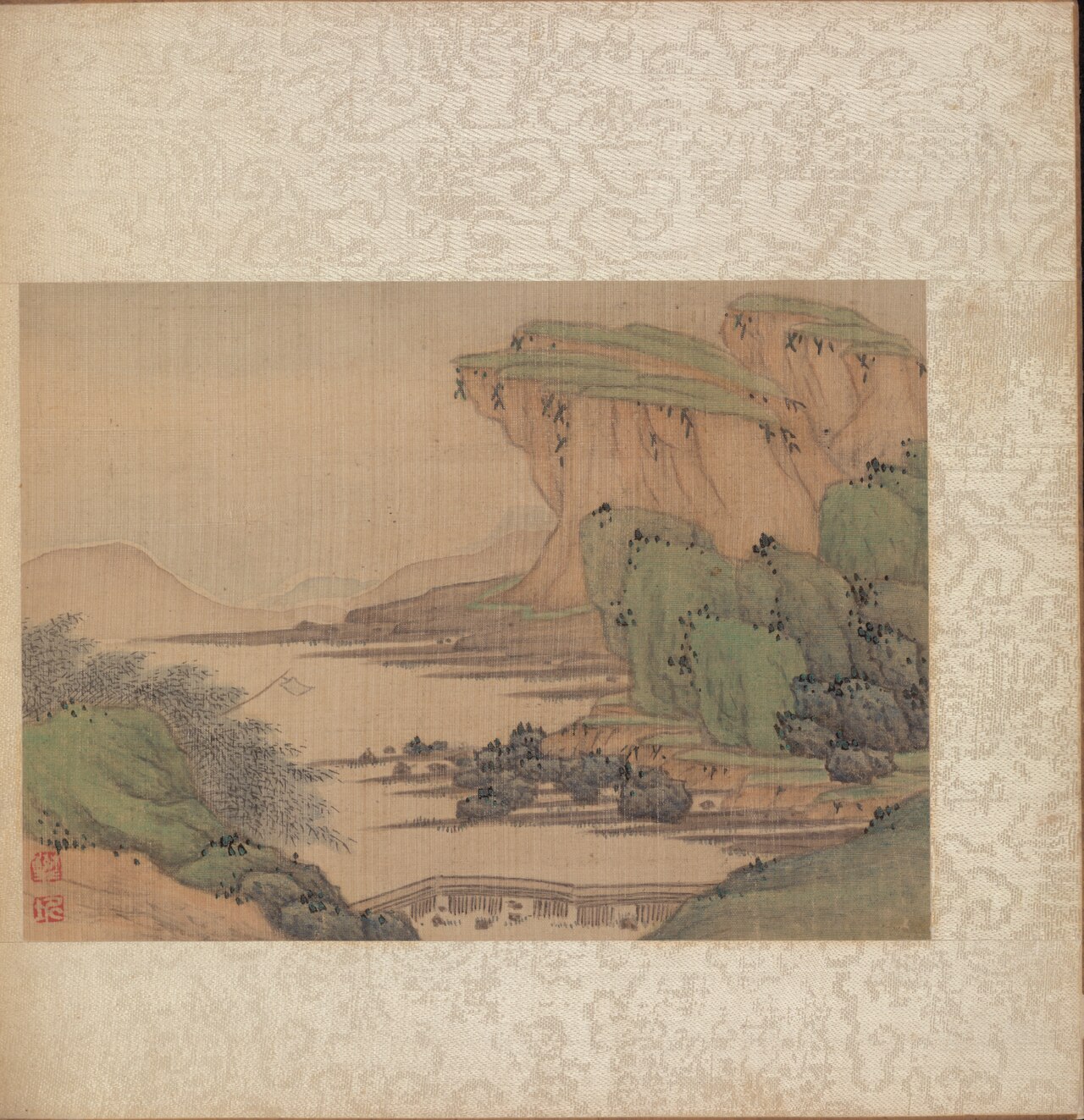
Early life Fan Qi was born in 1616, during the late Ming dynasty, in a region that is not definitively recorded in surviving historical documents. Little is known about his family background or formal education, but contemporary accounts suggest that he received a traditional Confucian upbringing, which included instruction in calligraphy and painting. The cultural milieu of his youth was characterised by a flourishing of literati art, a tradition that would shape his aesthetic sensibilities throughout his career.
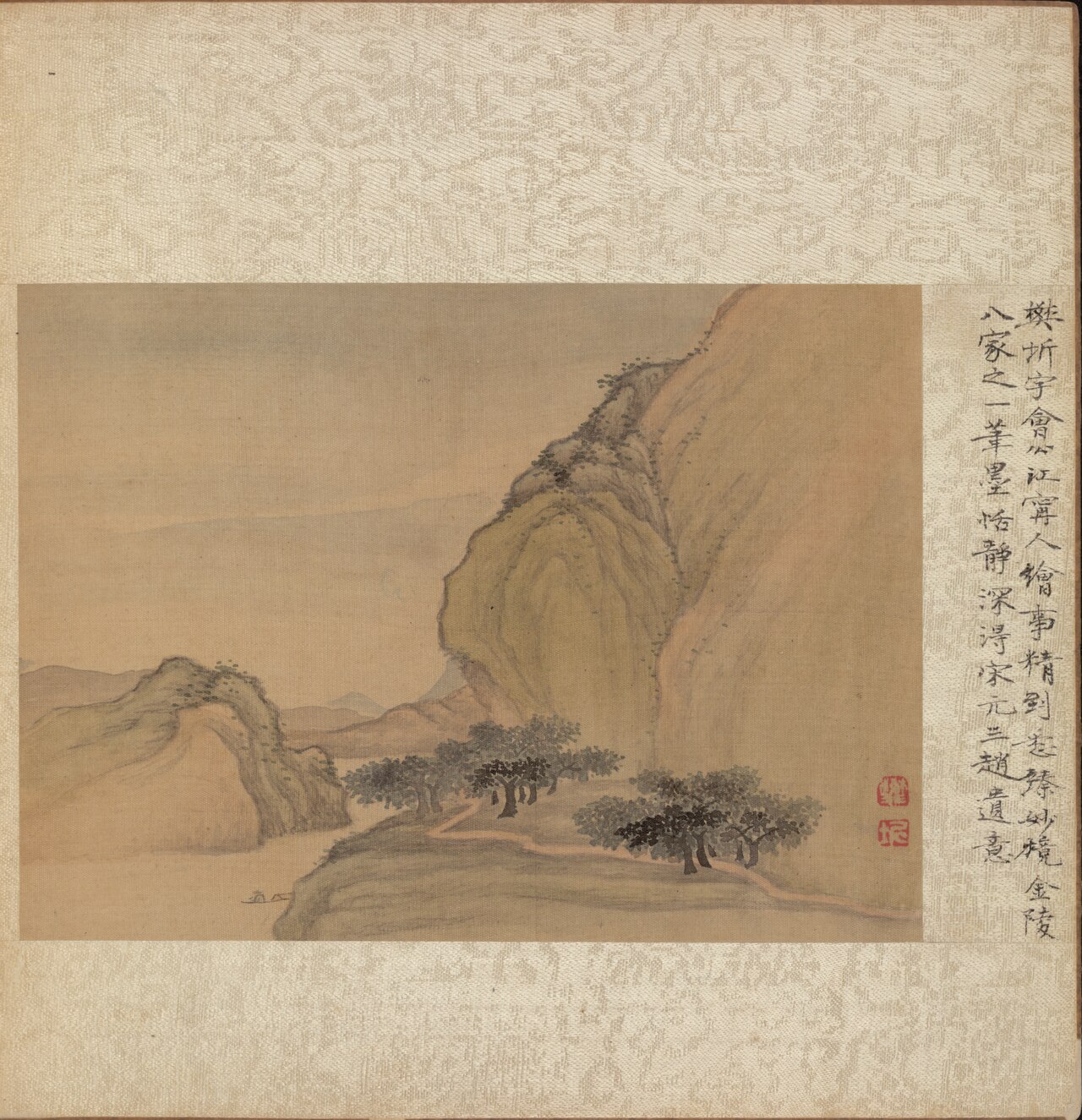
Career and style By the time the Qing dynasty was established in 1644, Fan Qi had already begun to develop a reputation as a landscape painter. He is traditionally counted among the Eight Masters of Nanjing, a loosely defined group of artists who shared an interest in reinterpreting classical models while infusing their works with personal expression. Fan's style combines the restrained brushwork of the Yuan masters with a more intimate, poetic atmosphere. His compositions often feature mist‑enshrouded mountains, winding rivers, and solitary scholars, evoking a sense of contemplation and retreat from worldly affairs.
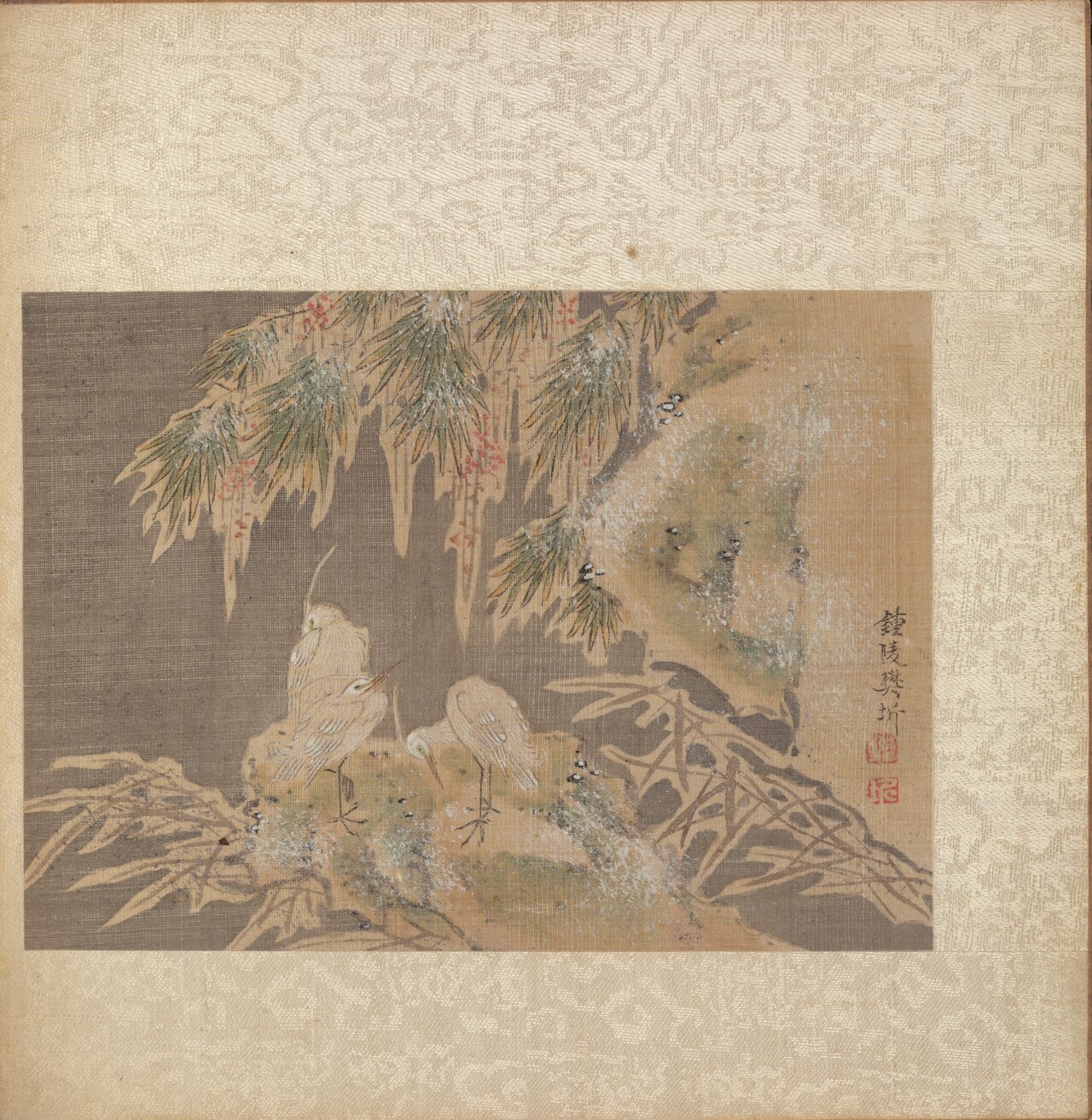
Fan Qi’s paintings are characterised by a muted palette, predominantly ink and light washes of colour. He favoured the use of dry brush strokes to suggest texture in rock faces and foliage, a technique that imparts a subtle, almost tactile quality to his scenes. While he adhered to the conventions of literati painting—emphasising brush control and the expression of the artist’s inner world—he also experimented with more decorative elements, particularly in his album illustrations.
Signature techniques The most recognisable aspects of Fan Qi’s technique include:
1. Layered ink washes – He would build atmospheric depth by applying successive layers of diluted ink, allowing earlier strokes to dry before adding new ones. This creates a sense of distance and ethereality. 2. Dry‑brush texture – By dragging a slightly dry brush across the paper, Fan rendered the rugged surfaces of cliffs and the delicate fronds of trees, producing a visual contrast between solid form and airy space. 3. Sparse composition – Fan often left large expanses of empty space, a hallmark of Chinese landscape painting that invites the viewer to imagine the unseen. 4. Integration of poetry – Many of his works include inscribed poems or colophons, seamlessly blended with the visual elements, reinforcing the scholarly nature of his art.
These techniques combined to give his paintings a lyrical quality that set him apart from more flamboyant contemporaries.
Major works Fan Qi’s most documented oeuvre centres on the *Album of Miscellaneous Subjects* (1662), a multi‑leaf collection that showcases his versatility. The album consists of several leaves, each illustrating a distinct scene or theme, and a colophon that provides contextual information.
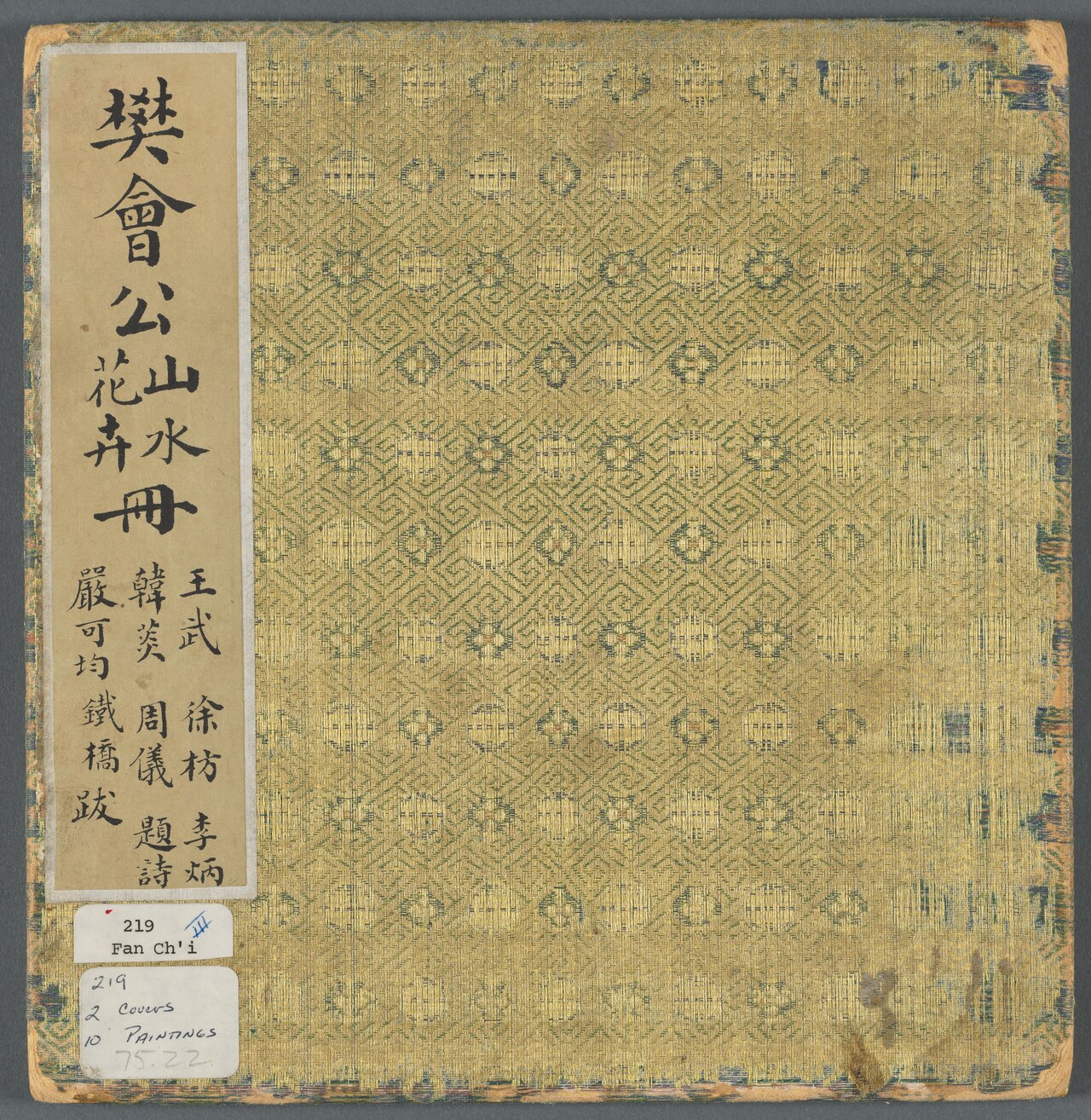
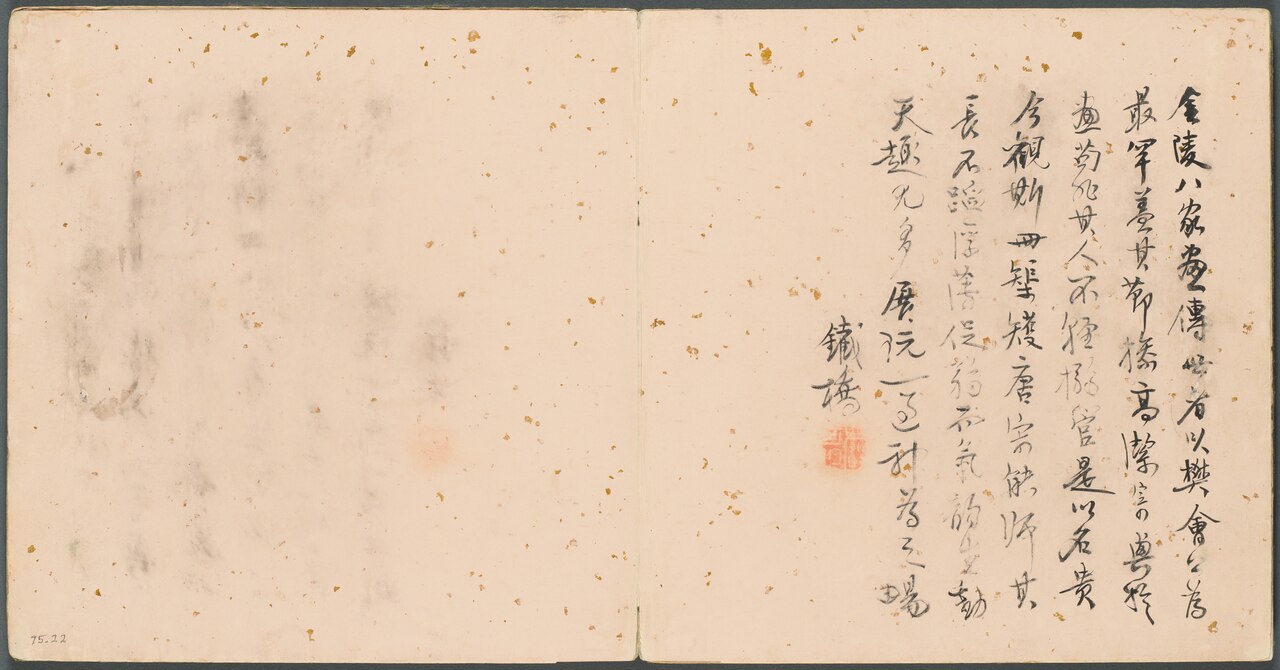
- Album of Miscellaneous Subjects (1662) – This principal work is a compilation of ink and colour paintings bound together in a hand‑sewn album. It reflects the artist’s interest in genre scenes, landscape, and allegorical subjects, offering a snapshot of mid‑17th‑century Chinese aesthetic taste. - Leaf 1 (1662) – The opening leaf presents a tranquil riverbank with a solitary fisherman. Fan’s dry‑brush technique renders the reeds and rocks with subtle gradations, while a faint wash of blue suggests water’s reflective surface. - Leaf 2 (1662) – This leaf depicts a mountainous pavilion surrounded by mist. The composition is dominated by vertical brushstrokes that suggest towering cliffs, and a small figure seated in contemplation reinforces the scholarly atmosphere. - Leaf 10 (1662) – On this page, Fan turns to a more narrative scene: a group of scholars enjoying a moonlit gathering. The delicate use of ink‑grey washes captures the nocturnal ambience, and the inclusion of a poetic inscription highlights the cultural context. - Colophon (1662) – The colophon provides a brief commentary on the album’s creation, noting the year of completion and the patron’s identity. It also includes Fan’s own seal, confirming his authorship.
Together these pieces illustrate Fan Qi’s command of both landscape and genre painting, as well as his ability to integrate literary elements within visual art.
Influence and legacy Although Fan Qi did not found a distinct school, his work contributed to the evolving aesthetic of early Qing literati painting. By balancing adherence to classical models with a personal, poetic voice, he helped bridge the artistic sensibilities of the late Ming and the early Qing periods. Subsequent generations of Nanjing painters cited his restrained brushwork and atmospheric compositions as exemplars of refined taste.
In modern scholarship, Fan is often examined alongside the other members of the Eight Masters of Nanjing, providing insight into regional variations within Chinese painting. His *Album of Miscellaneous Subjects* remains a valuable primary source for researchers studying the visual culture of the 1660s, and reproductions of its leaves are frequently included in museum exhibitions of Qing art.
Overall, Fan Qi’s legacy endures through the quiet elegance of his landscapes, the poetic integration of calligraphy, and the enduring appeal of his album format, which continues to inspire collectors and scholars alike.
Frequently asked questions
Who was Fan Qi?
Fan Qi (1616–1694) was a Chinese painter of the early Qing dynasty, recognised as one of the Eight Masters of Nanjing and celebrated for his landscape and album paintings.
What artistic style or movement is Fan Qi associated with?
He worked within the literati tradition, blending classical Yuan‑Dynasty techniques with a personal, poetic approach typical of the early Qing period.
What are Fan Qi’s most famous works?
His most noted work is the *Album of Miscellaneous Subjects* (1662), especially Leaves 1, 2, 10 and the accompanying colophon.
Why does Fan Qi matter in art history?
Fan Qi exemplifies the transition from Ming to Qing artistic values, influencing later Nanjing painters and providing a key example of the quiet, scholarly landscape genre.
How can I recognise a painting by Fan Qi?
Look for subtle ink washes, dry‑brush texture on rocks and foliage, spacious empty areas, and often a poetic inscription or seal integrated into the composition.