Anselm van Hulle
1601 – 1674
In short
Anselm van Hulle (1601–1674) was a Flemish portrait painter from Ghent, best known for his court portraits and for creating engraved portrait series of the delegates to the 1648 Peace of Münster, which gave him an international reputation.
Notable works
_-_Google_Art_Project.jpg)

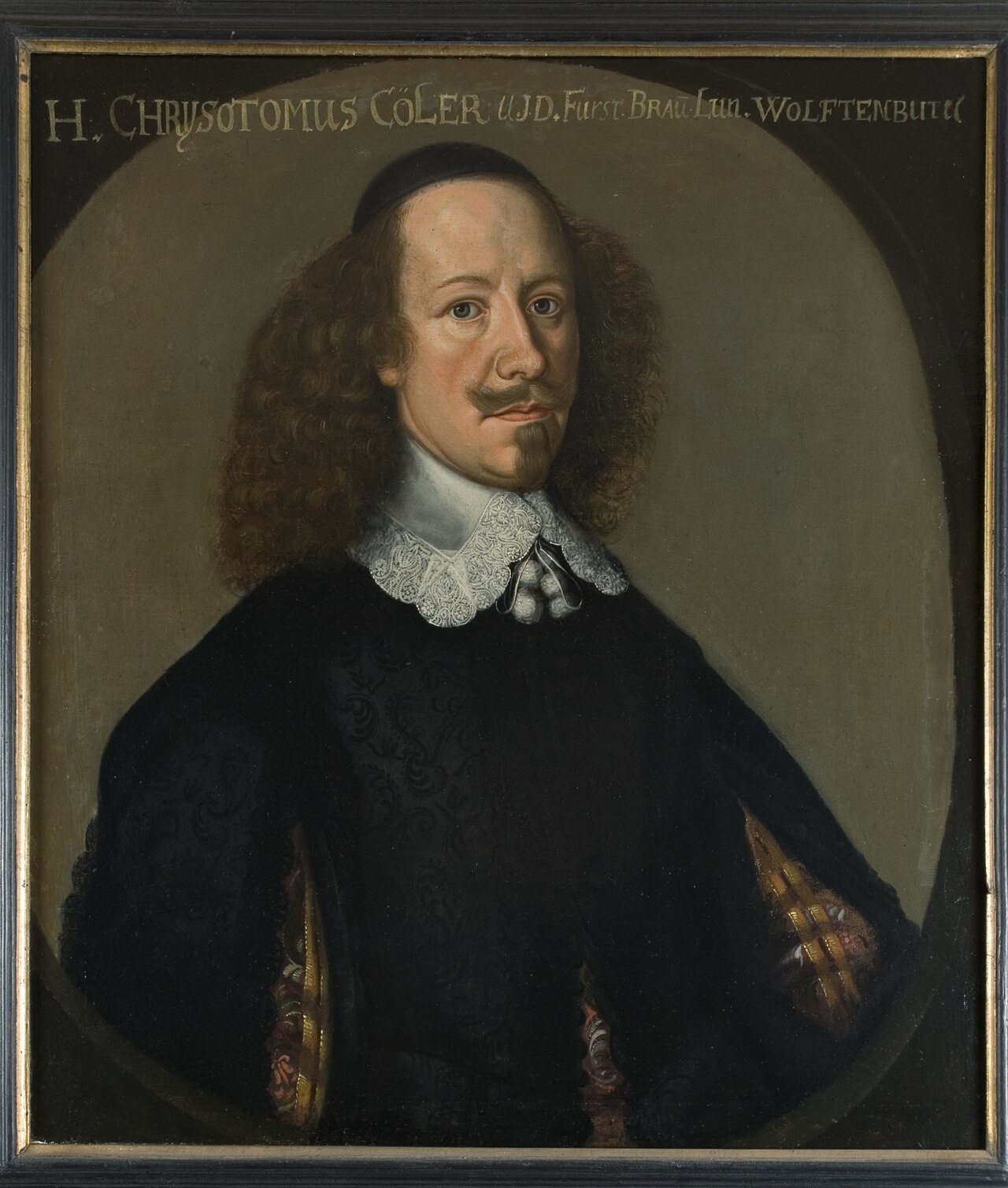
.jpg)
.jpg)
Early life Anselm van Hulle was born in 1601 in Ghent, a thriving artistic centre in the Southern Netherlands. Little is recorded about his family background, but the city’s vibrant guild system suggests that he likely began his training in a local workshop, as was customary for aspiring painters of the period. Ghent’s artistic environment in the early 17th century was dominated by the legacy of the Flemish Baroque, with masters such as Peter Paul Rubens shaping the expectations of portraiture and religious painting. Van Hulle’s formative years would have been influenced by this milieu, providing him with a solid grounding in the technical skills of drawing, colour, and composition that later characterised his work.
Career and style By the 1630s van Hulle had established himself as a portraitist catering to the elite of the Southern Netherlands. He secured a position as court painter to the Prince of Orange, a role that placed him at the intersection of politics and art. His style reflects the late Baroque taste for dignified representation: sitters are rendered with meticulous attention to facial features, while the surrounding drapery and accessories convey status without overwhelming the subject. Van Hulle favoured a restrained palette of deep reds, muted golds, and earth tones, allowing the flesh tones to dominate the visual field. Unlike the more flamboyant Flemish contemporaries, his compositions often retain a sober elegance, emphasizing the intellectual and moral qualities of his patrons.
The artist’s most notable career milestone came in 1648, when he attended the peace negotiations that concluded the Thirty Years’ War in Münster. Van Hulle was one of the few painters granted access to the diplomatic chambers, and he seized the opportunity to portrait the delegates from across Europe. Recognising the potential for wider dissemination, he commissioned engravers to reproduce these likenesses, resulting in a series of prints that circulated among courts and collectors. This venture not only amplified his reputation beyond the Low Countries but also demonstrated an early form of artistic networking that pre‑figured later portrait series such as those of Anthony van Dyck.
Signature techniques Van Hulle’s portraits are distinguished by several recurring technical choices. First, his handling of light is subtle: a soft, diffused illumination falls across the face, modelling the features while leaving the background in gentle shadow. This creates a three‑dimensional effect without the dramatic chiaroscuro associated with Caravaggisti. Second, he employed a fine, almost invisible brushstroke for skin textures, reserving more expressive strokes for garments and accessories. This contrast enhances the realism of flesh while allowing the sumptuous fabrics to convey wealth. Third, his use of gold leaf—particularly in the rendering of jewellery and decorative frames—adds a tactile quality that catches the eye without appearing gaudy. Finally, van Hulle often incorporated symbolic objects—such as books, swords, or heraldic emblems—into the portrait’s periphery, offering clues to the sitter’s profession or rank.
Major works Among van Hulle’s surviving oeuvre, a handful of works are frequently cited for their historical and artistic significance. *Anna Margareta von Haugwitz (1622–1673)* (1649) captures the Polish‑German noblewoman in a three‑quarter pose, her attire richly embroidered and her expression poised, reflecting the cross‑cultural connections of the period. *General Ottavio Piccolomini* (1650) portrays the seasoned Italian commander with a martial bearing; a sword rests on his shoulder, and a backdrop of muted landscape hints at his campaigns. The portrait of *Chrysostomus Coeler* (1607–1664) presents the Dutch merchant in a sober black suit, his gaze directed outward, suggesting both confidence and commercial acumen. *The Holy Trinity Crowning the Virgin Mary* diverges from his typical portraiture, illustrating a religious composition where the Trinity descends upon the Virgin, rendered with a calm, reverent atmosphere. Finally, *The Presentation of Christ in the Temple* demonstrates van Hulle’s capacity for narrative biblical scenes, employing a balanced arrangement of figures and a restrained colour scheme that underscores the solemnity of the event. While the latter two works are less documented than his portraits, they reveal his versatility and willingness to engage with sacred subjects when commissioned.
Influence and legacy Anselm van Hulle’s legacy rests on two pillars: his contribution to portraiture at court and his pioneering use of printed reproductions to disseminate images of political figures. By providing the Prince of Orange with flattering yet realistic depictions, he helped cement the visual identity of the Dutch leadership during a period of nation‑building. Moreover, his portraits of the Münster delegates served as a visual record of the diplomatic community that negotiated one of Europe’s most consequential treaties. The engraved series circulated widely, influencing how contemporaries and later generations visualised the architects of peace.
Although van Hulle’s name does not enjoy the same fame as Rubens or van Dyck, scholars recognize his role in the diffusion of portrait conventions across Northern Europe. His restrained style offered a counterpoint to the exuberant Baroque, appealing to patrons who preferred dignified representation over theatrical display. In modern collections, his works are valued for both their artistic merit and their documentary significance, providing insight into the attire, insignia, and personal demeanor of 17th‑century elites. The scarcity of comprehensive archival material about his later life—his death place remains unknown—has spurred ongoing research, underscoring the enduring interest in his contributions to the visual culture of the early modern period.
Frequently asked questions
Who was Anselm van Hulle?
Anselm van Hulle (1601–1674) was a Flemish portrait painter from Ghent, known for his court portraits and for creating engraved portraits of delegates to the 1648 Peace of Münster.
What artistic style or movement is he associated with?
Van Hulle worked in a late‑Baroque style that favoured restrained elegance, combining realistic facial rendering with subdued colour palettes and subtle lighting.
What are his most famous works?
His notable works include portraits of Anna Margareta von Haugwitz (1649), General Ottavio Piccolomini (1650), Chrysostomus Coeler, as well as the religious paintings *The Holy Trinity Crowning the Virgin Mary* and *The Presentation of Christ in the Temple*.
Why is Anselm van Hulle important in art history?
He is important for his role as a court portraitist and for pioneering the use of engraved reproductions to widely disseminate portraits of political figures, especially those involved in the Peace of Münster.
How can I recognise a painting by Anselm van Hulle?
Look for a portrait with softly modelled faces, restrained colour, fine skin brushwork, subtle gold‑leaf details, and often symbolic objects that hint at the sitter’s status or profession.