Steven van der Meulen
? – 1563
In short
Steven van der Meulen was a Flemish portrait painter from Antwerp who worked in England during the early years of Elizabeth I’s reign, dying in London in 1563. He is known for high‑status portraiture of Tudor and European nobility, including Robert Dudley and King Erik XIV of Sweden.
Notable works


_-_IMG_7427.JPG)
Early life Steven van der Meulen was born in Antwerp, a major centre of artistic production in the Habsburg Netherlands. The exact year of his birth is unknown, but archival references place his activity in the mid‑16th century, suggesting a birth sometime in the early 1500s. Antwerp’s bustling workshop environment provided him with a solid grounding in the Flemish tradition of meticulous oil painting, a style characterised by fine detail, luminous colour and a keen interest in the textures of fabric and skin. Though no records survive of his apprenticeship, it is likely that he trained with a local master familiar with the courtly portrait market, as was common for artists who later sought patronage abroad.
Career and style By the early 1540s van der Meulen had established himself as a competent portraitist, and the political and cultural links between the Low Countries and England opened a pathway to the Tudor court. The accession of Elizabeth I in 1558 ushered in a period of renewed artistic exchange; Flemish painters were especially prized for their technical expertise and ability to render the sumptuous dress of the English aristocracy. Van der Meulen arrived in England sometime in the early 1550s, joining a cohort of expatriate artists who supplied the new queen with portraits that combined Northern realism with the emerging taste for courtly elegance.
His work reflects a synthesis of Flemish naturalism and the nascent English portrait style. Van der Meulen employed a relatively restrained colour palette, favouring deep reds, sable blacks and muted golds, which highlighted the sitter’s status without overwhelming the composition. The compositions are typically half‑length or three‑quarter‑length, with the sitter placed against a neutral or subtly draped background, allowing the focus to remain on facial expression and attire. This approach aligns with the broader Tudor portrait tradition, yet van der Meulen’s handling of light—soft, diffused illumination that models the face—demonstrates a sophisticated understanding of chiaroscuro that anticipates later developments in English portraiture.
Signature techniques Van der Meulen’s technical hallmarks are evident in surviving works and in contemporary descriptions of his practice. He favoured a layered painting method: an initial underdrawing in charcoal or chalk, followed by a thin, semi‑transparent glaze that built depth and colour gradually. This approach yielded a luminous skin tone that appears both lifelike and slightly idealised. His brushwork is fine‑tuned; the rendering of hair and fabric is achieved with delicate, hair‑like strokes that convey texture without resorting to heavy impasto. In particular, the treatment of lace and fur—common elements in Tudor dress—shows a deft balance between realistic detail and decorative patterning.
Another distinctive feature is his attention to the sitter’s gaze. Van der Meulen often positioned the eyes just above the midpoint of the portrait, directing them toward the viewer with a subtle, introspective quality. This creates an intimate connection, a trait valued by patrons seeking to convey both authority and approachability. The artist also employed a modest amount of gold leaf or gilt in the background or in decorative elements such as collars and insignia, a technique that added a hint of luxury while preserving the overall sobriety of the composition.
Major works The surviving oeuvre of Steven van der Meulen, though limited, includes several high‑profile commissions that illuminate his standing among the elite of his day.
- Robert Dudley, first Earl of Leicester (1562) – This portrait presents the favourite of Elizabeth I in a richly embroidered doublet, his hand resting on a sword hilt. Van der Meulen captures Dudley’s confident bearing through a composed facial expression and a slight tilt of the head, while the intricate detailing of the lace collar showcases the artist’s skill in rendering textiles.
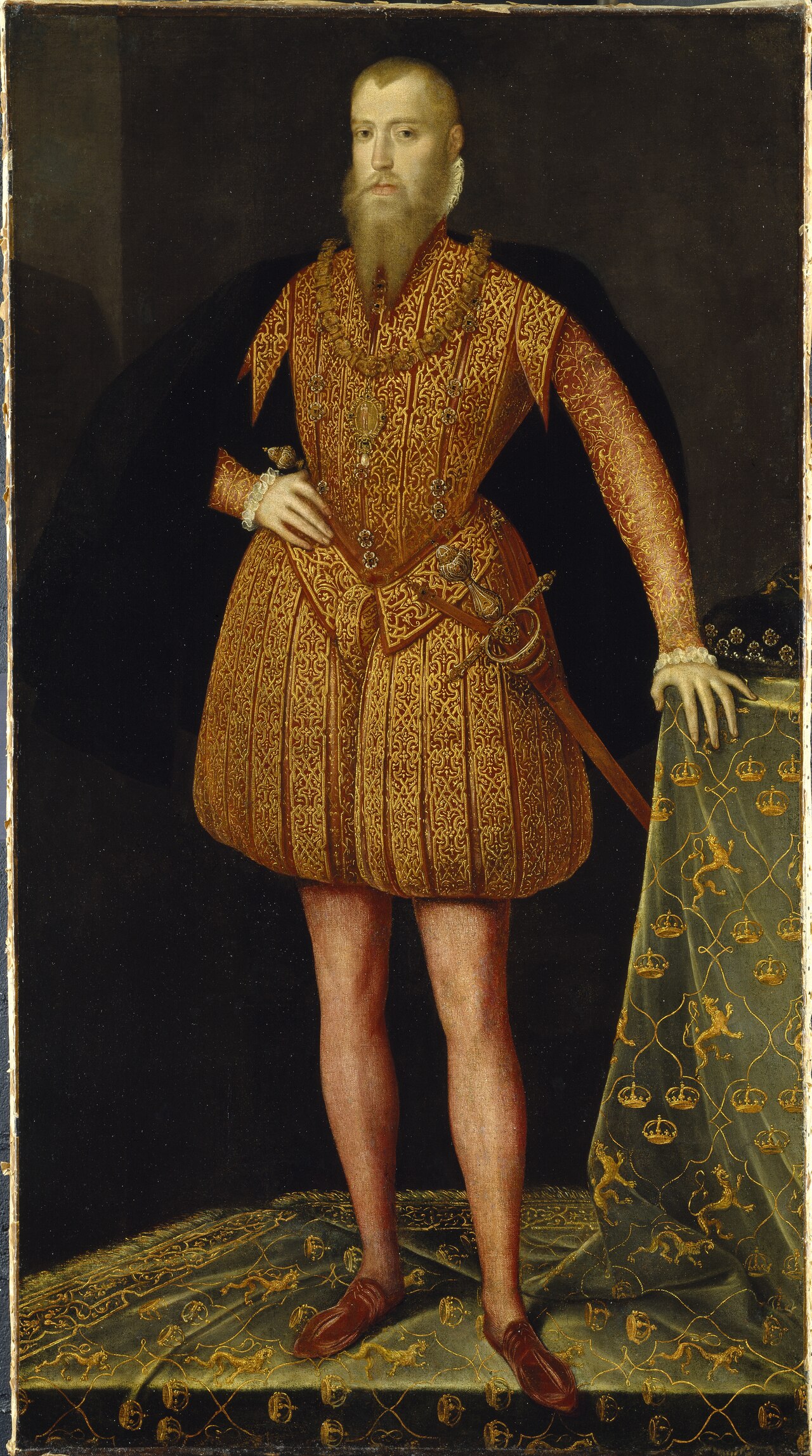
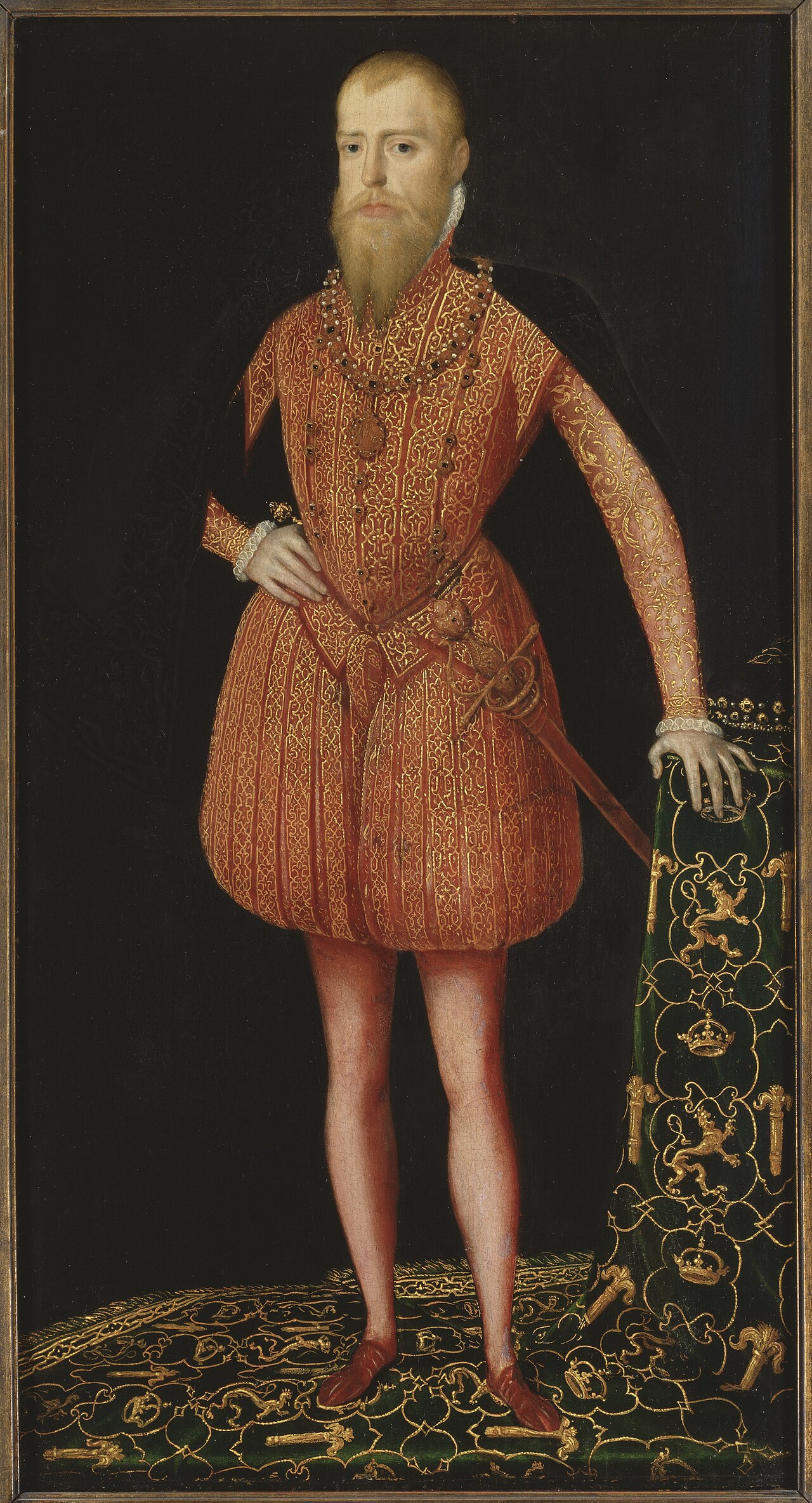
- King Erik XIV of Sweden (1561) – Commissioned during a period of diplomatic exchange between England and Sweden, this work portrays the Swedish monarch in regal attire, complete with a fur-lined cloak and a jeweled chain of office. The portrait’s sober background and the careful modelling of Erik’s facial features reflect van der Meulen’s ability to adapt his Flemish sensibility to the iconography of foreign courts.
- Portrait of a Woman, probably Catherine Carey, Lady Knollys (1562) – While the sitter’s identity remains debated, the portrait is widely associated with Catherine Carey, a close relative of Elizabeth I. The painting features a young woman in a modest black dress, her hair partially covered by a delicate veil. Van der Meulen’s subtle use of light on the skin and the restrained colour scheme underscore the sitter’s refined yet understated elegance.
- Portrait of John Farnham, Gentleman‑Pensioner to Elizabeth I (1563) – This work, dated the year of van der Meulen’s death, depicts the royal attendant in a dark, fur‑trimmed coat. The portrait’s composition is straightforward, focusing on Farnham’s steady gaze and the texture of his garments, exemplifying the artist’s consistent approach to court portraiture.
These works collectively demonstrate van der Meulen’s capacity to convey status, personality and the material culture of the Tudor court. They also illustrate his adaptability: whether portraying an English nobleman, a Swedish king, or a lady of the court, his style remains recognisable yet responsive to the sitter’s cultural context.
Influence and legacy Steven van der Meulen’s career was brief—he died in London in 1563—but his impact on the development of English portraiture was notable. By integrating Flemish techniques with the preferences of the English aristocracy, he contributed to a visual language that would be refined by later artists such as Nicholas Hilliard and George Gower. His emphasis on realistic texture, controlled colour and the psychological presence of the sitter helped shape the expectations of portraiture in Elizabethan England.
Although his name is less widely known than some of his contemporaries, van der Meulen’s surviving paintings provide valuable insight into the cross‑cultural artistic exchanges of the mid‑16th century. Scholars regard his work as a bridge between the high realism of the Northern Renaissance and the emerging English aesthetic that prized elegance and subtle symbolism. Moreover, his portraits serve as documentary records of the fashion, insignia and diplomatic relationships of the period, enriching our understanding of Tudor court life.
In modern scholarship, van der Meulen is frequently cited as an exemplar of the “Flemish influence” on early Elizabethan portraiture. His paintings are housed in several major collections, including the National Portrait Gallery in London, where they continue to be studied for their technical mastery and historical significance. As research advances, it is likely that further attributions will clarify the full extent of his oeuvre, reinforcing his role as a key figure in the artistic dialogue between the Low Countries and England during a pivotal era of cultural transformation.
Frequently asked questions
Who was Steven van der Meulen?
Steven van der Meulen was a Flemish portrait painter from Antwerp who worked in England during the early years of Elizabeth I’s reign, dying in London in 1563.
What style or movement is he associated with?
He worked within the Northern Renaissance tradition, blending Flemish realism with the emerging Tudor court portrait style.
What are his most famous works?
His most notable surviving portraits include Robert Dudley, Earl of Leicester (1562); King Erik XIV of Sweden (1561); a portrait of a woman thought to be Catherine Carey (1562); and John Farnham, Gentleman‑Pensioner (1563).
Why does he matter in art history?
Van der Meulen helped transmit Flemish techniques to the English court, influencing the development of Elizabethan portraiture and providing valuable visual records of 16th‑century aristocratic culture.
How can I recognise a van der Meulen painting?
Look for finely detailed textures, especially in fabrics and hair, a restrained colour palette with subtle gold accents, and a calm, direct gaze that creates an intimate connection with the viewer.