Julius Paulsen
1860 – 1940
In short
Julius Paulsen was a Danish painter born in 1860 in Odense and died in 1940 in Copenhagen. He studied at the Royal Danish Academy of Fine Arts and later became a professor there. Paulsen is remembered for his portraits and connections with the Skagen Painters.
Notable works


Early life Julius Paulsen was born in 1860 in Odense, Denmark. His early life and upbringing are not well-documented, but it is known that he developed an interest in art from a young age. In 1879, Paulsen began his formal art education at the Royal Danish Academy of Fine Arts in Copenhagen, where he would later become a professor.
Career and style Paulsen's time at the Royal Danish Academy of Fine Arts had a significant impact on his career and style. During his studies, from 1879 to 1882, he was exposed to various artistic influences, including the works of Rembrandt and French salon art. These influences can be seen in his paintings, which often feature a mix of traditional and modern elements. Paulsen's connections with the Skagen Painters, a group of Danish artists known for their naturalistic and impressionistic works, also played a role in shaping his style.
Signature techniques Paulsen's signature techniques are characterized by his use of light and color. He was particularly skilled at capturing the effects of light in his paintings, often using bold brushstrokes and vivid colors to create a sense of depth and atmosphere. Paulsen's portraits, for which he is perhaps best known, demonstrate his ability to capture the subtleties of human expression and emotion.
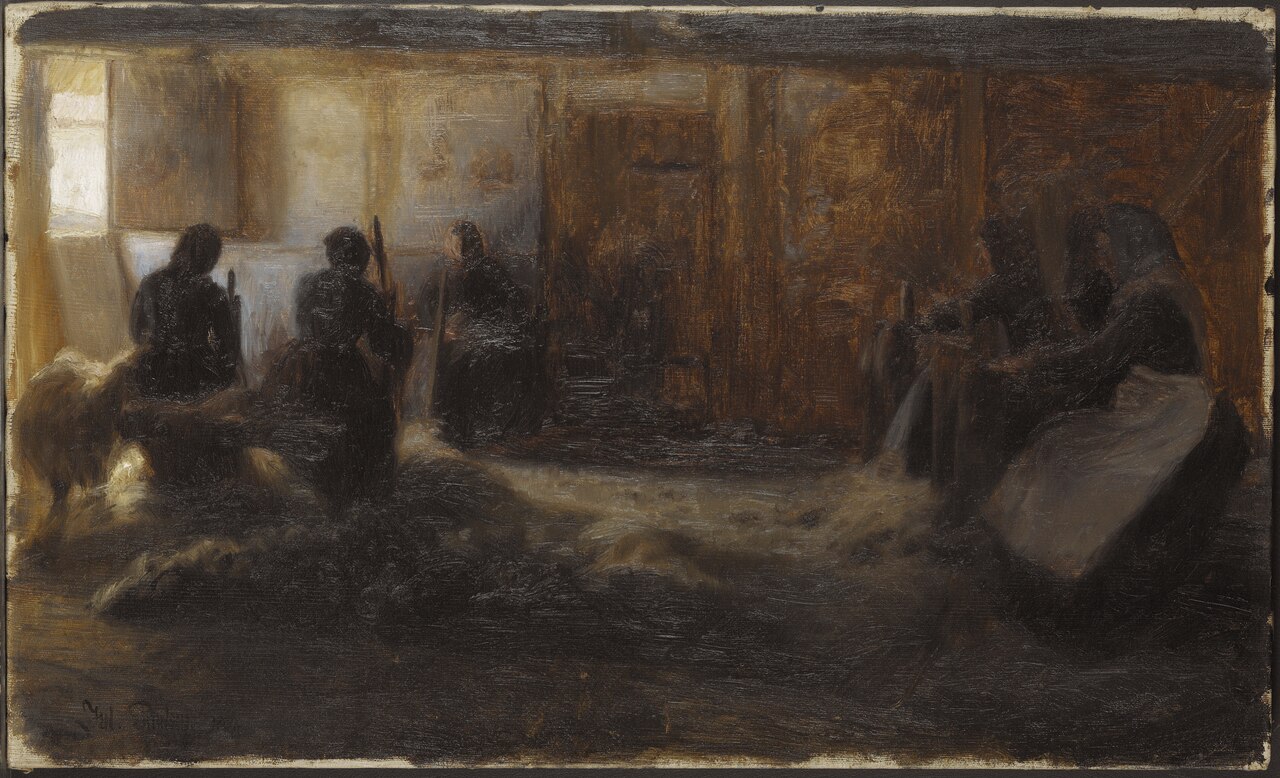
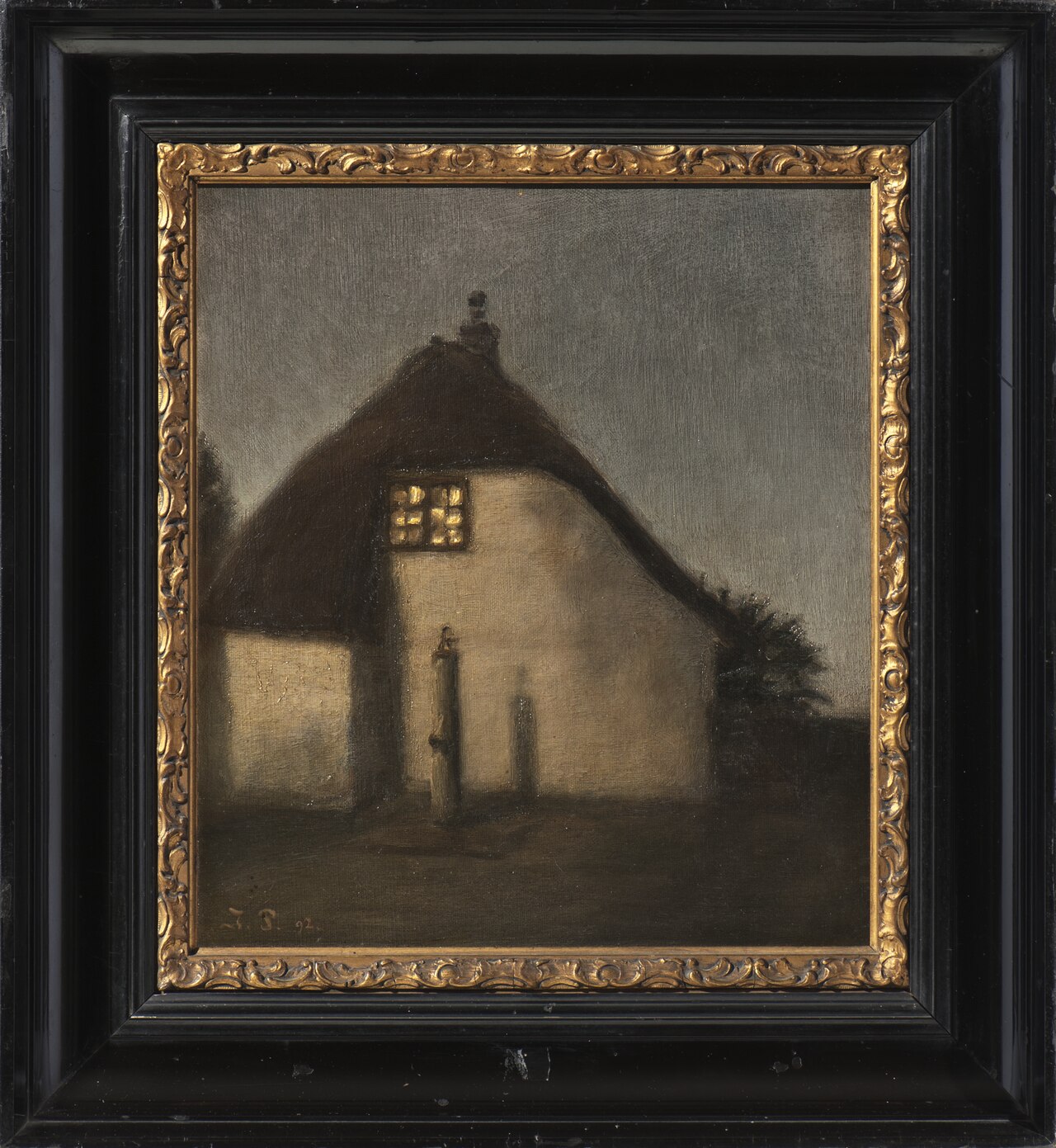
Major works Some of Paulsen's most notable works include 'Flax-beating at Tidsvilde, Själland' (1887), 'Evening after Rain' (1892), 'Midsummer Night at Tisvilde Beach' (1886), 'The Painter Agnes Paulsen, the Artist's Sister, at her Easel' (1886), and 'Under the Pont des Arts, Paris. Noon' (1910). These paintings showcase Paulsen's range and versatility as an artist, from the naturalistic depiction of rural scenes to the more intimate and personal portrayal of his sister at work. 'Flax-beating at Tidsvilde, Själland' and 'Midsummer Night at Tisvilde Beach' demonstrate Paulsen's ability to capture the beauty of the Danish landscape, while 'Evening after Rain' and 'Under the Pont des Arts, Paris. Noon' showcase his skill at depicting urban scenes.
Influence and legacy Paulsen's influence on Danish art and his legacy as a painter are significant. His connections with the Skagen Painters and his role as a professor at the Royal Danish Academy of Fine Arts helped to shape the development of Danish art in the late 19th and early 20th centuries. Today, Paulsen's paintings are held in high regard for their technical skill and emotional depth, and he is remembered as one of Denmark's most important artists of his generation.
Frequently asked questions
Who was Julius Paulsen?
Julius Paulsen was a Danish painter born in 1860 in Odense, Denmark, and died in 1940 in Copenhagen. He is remembered for his portraits and connections with the Skagen Painters.
What style or movement was Julius Paulsen associated with?
The specific art movement or current associated with Julius Paulsen is not well-documented, but his work shows influences from Rembrandt and French salon art, as well as connections with the Skagen Painters, a group of Danish artists known for their naturalistic and impressionistic works.
What are some of Julius Paulsen's most famous works?
Some of Paulsen's most notable works include 'Flax-beating at Tidsvilde, Själland', 'Evening after Rain', 'Midsummer Night at Tisvilde Beach', 'The Painter Agnes Paulsen, the Artist's Sister, at her Easel', and 'Under the Pont des Arts, Paris. Noon'.
Why is Julius Paulsen important?
Julius Paulsen is important because of his contributions to Danish art and his role as a professor at the Royal Danish Academy of Fine Arts, which helped shape the development of Danish art in the late 19th and early 20th centuries.
How can I recognize a Julius Paulsen painting?
Julius Paulsen's paintings can be recognized by their use of light and color, bold brushstrokes, and vivid colors, as well as their often naturalistic and intimate portrayal of subjects, particularly in his portraits and landscapes.