Eugène Siberdt
1851 – 1931
In short
Eugène Siberdt (1851–1931) was a Belgian academic painter known for his late‑Romantic portraits, history scenes and Orientalist works. He taught drawing at the Antwerp Academy, where his clash with Vincent van Gogh became a notable episode in art history.
Notable works
Early life Eugène François Joseph Siberdt was born in 1851 in Antwerp, a city with a long tradition of artistic training. His family was part of the modest middle class, which allowed him to enrol at the Royal Academy of Fine Arts in his hometown. The Academy emphasized rigorous drawing from casts and live models, a foundation that would shape Siberdt’s lifelong commitment to academic principles. While little is recorded about his private schooling, the environment of Antwerp in the mid‑19th century—steeped in Flemish Baroque heritage and increasingly exposed to Parisian academic trends—provided a fertile ground for his artistic development.
Career and style After completing his formal studies, Siberdt established himself as a painter whose work straddled the late‑Romantic sensibility and the lingering influence of academic classicism. He produced a range of subjects: formal portraits of the bourgeoisie, narrative history paintings, genre scenes that captured everyday life, and a series of Orientalist canvases reflecting the European fascination with the Near East. His palette tended toward warm, muted tones, and his compositions often featured carefully modelled figures set within balanced, often theatrical, interiors.
The bulk of his professional life was spent teaching at the Antwerp Academy. In the early 1880s he secured a position as a professor of drawing, a role that placed him at the centre of the Academy’s conservative curriculum. Siberdt’s teaching methods stressed precise line work, anatomical correctness, and the study of classical sculpture—standards that were considered essential for any serious artist of the period. His dedication to these principles made him a respected figure among traditionalists, though it also positioned him against the emerging avant‑garde.
Signature techniques Siberdt’s technique was rooted in the meticulous preparation of his drawings. He began with detailed charcoal or graphite sketches, often using plaster casts as reference points. In painting, he applied a thin underpainting (grisaille) to establish tonal values before building up colour in successive glazes. This layered approach gave his surfaces a subtle depth and a luminous quality that was characteristic of late‑Romantic academic works.
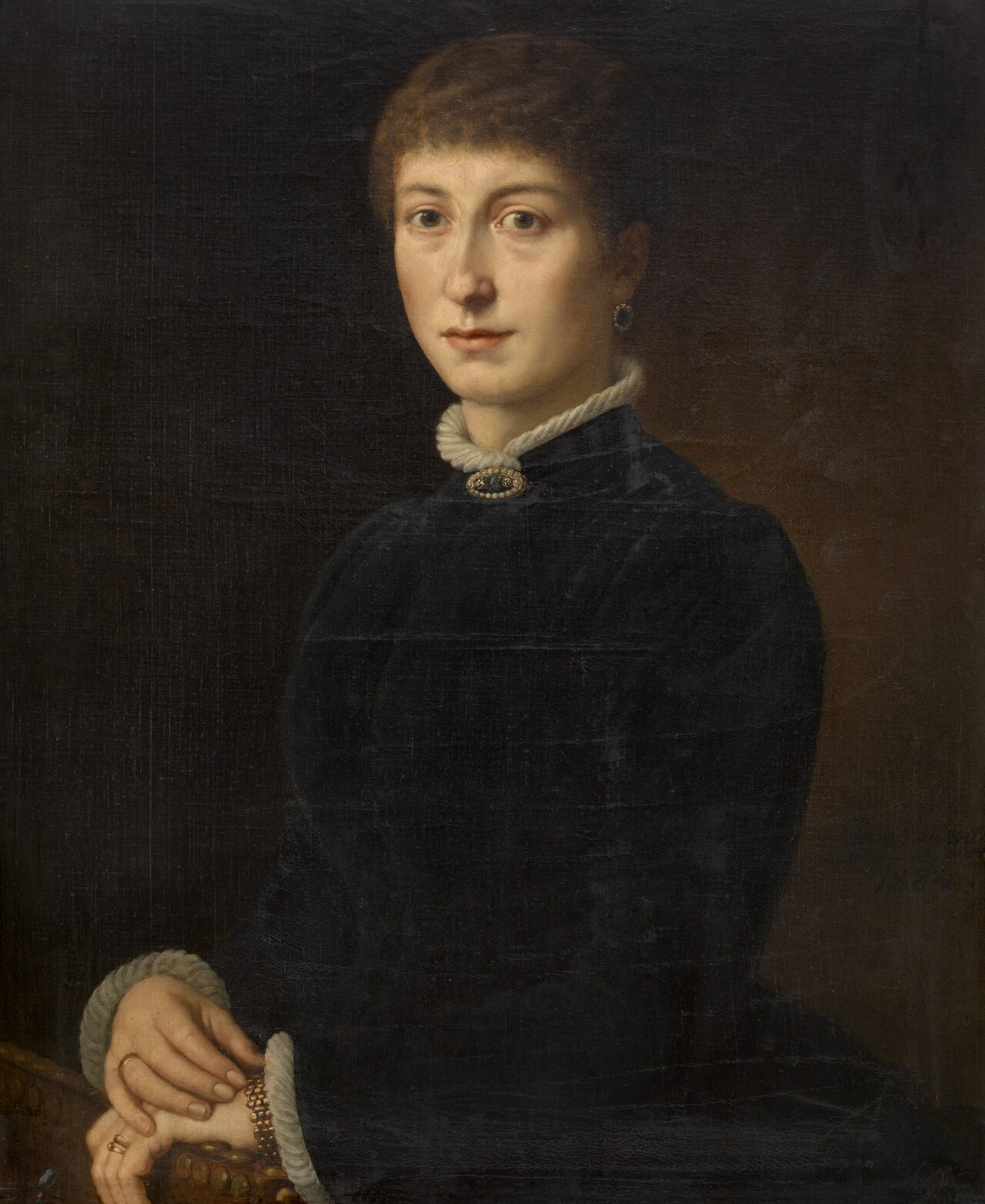
A hallmark of his portraiture is the careful rendering of facial features and textiles. He paid particular attention to the sheen of silk, the texture of lace, and the play of light on skin, achieving a realistic yet slightly idealised look. In genre and history paintings, Siberdt arranged his figures in a clear narrative hierarchy, using light to guide the viewer’s eye toward the central action.
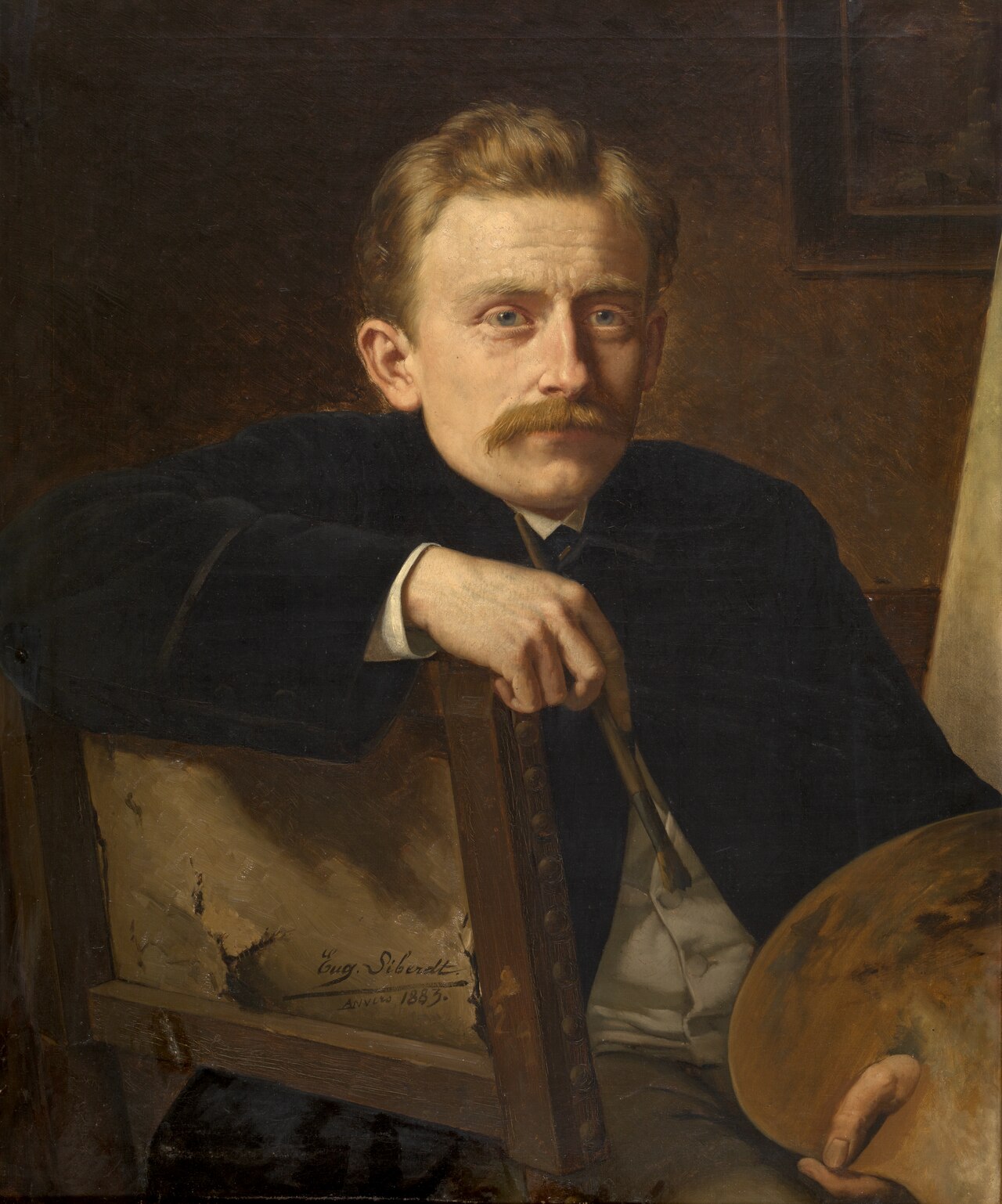
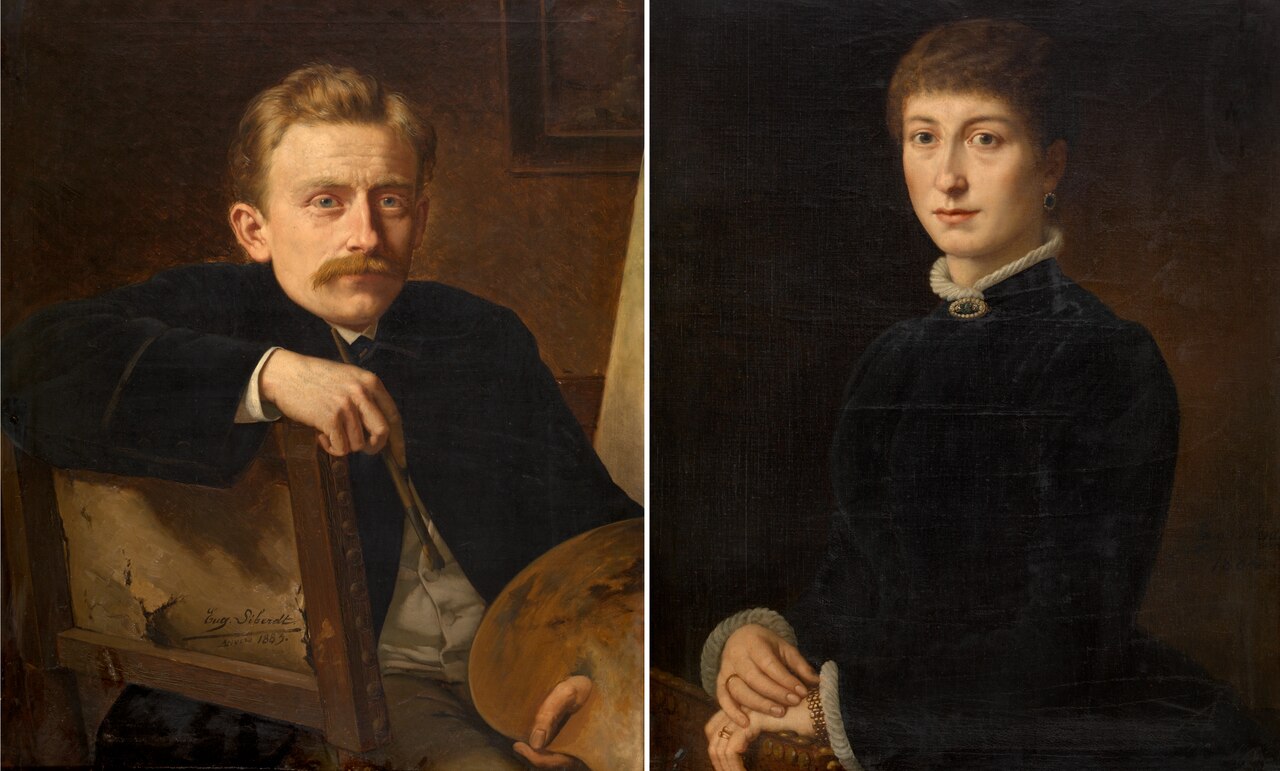
Major works Among Siberdt’s most frequently cited pieces are several portraits of the Van Soom family. *Portrait of the painter Hippolyte Van Soom* (1883) and *The Painter and Madame Hippolyte Van Soom* (1883) display his ability to capture both the intellectual presence of a fellow artist and the intimate domestic atmosphere of the couple. The following year he painted *Portrait of Mrs Van Soom* (1884), a study in subdued colour that highlights his skill in conveying personality through pose and attire.
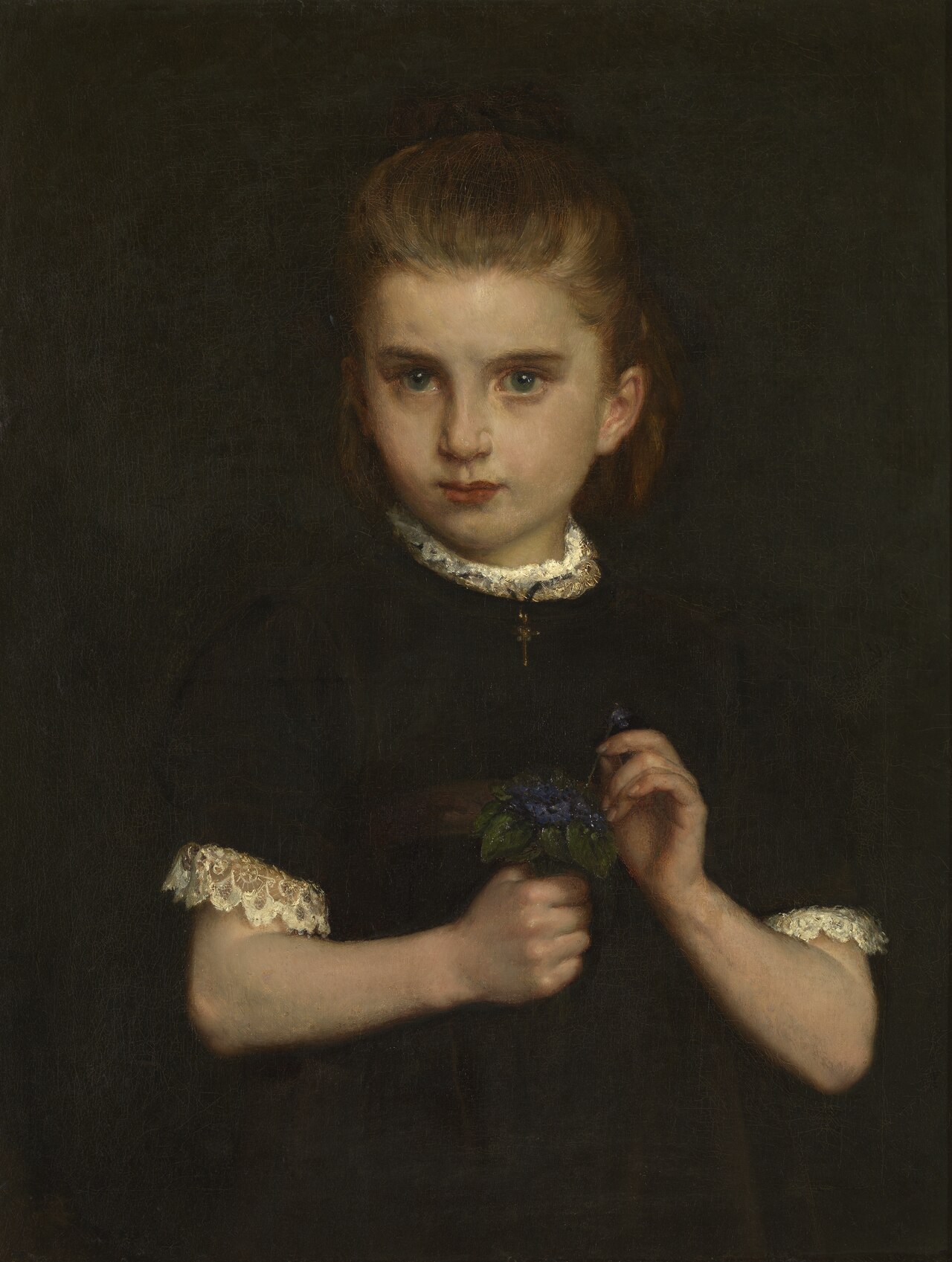
His genre work *Girl holding a bouquet of violets* (1898) exemplifies his interest in quiet, everyday moments. The composition is simple—a young girl with a modest dress, a delicate bunch of violets, and a soft, diffused light that accentuates the innocence of the scene. Though not overtly narrative, the painting reflects the late‑Romantic fascination with sentimentality and the idealisation of youth.
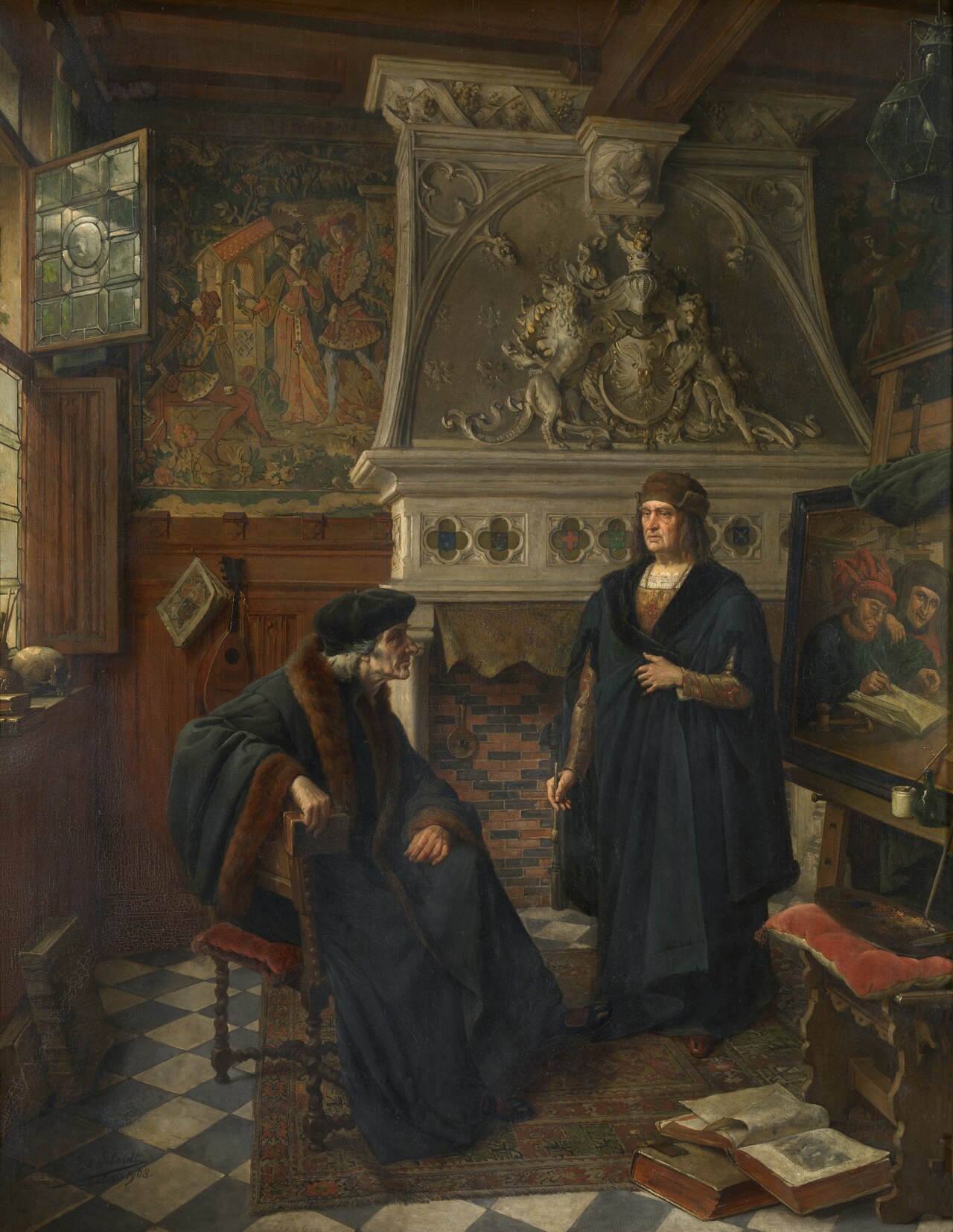
*Erasmus and Quentin Matsys* (1908) stands out as a history painting that brings together two prominent figures of the Northern Renaissance. Siberdt portrays the humanist scholar Erasmus in conversation with the Flemish painter Quentin Matsys, an anachronistic meeting that allows the artist to explore themes of intellectual exchange and artistic lineage. The work is populated with rich, historically resonant details, showcasing Siberdt’s capacity for elaborate staging.
Beyond these, Siberdt produced a number of Orientalist canvases that, while less documented, follow the typical European conventions of exotic settings, opulent fabrics, and dramatic lighting. These works were often exhibited in Brussels and Antwerp, catering to the market demand for such subjects at the turn of the century.
Influence and legacy Eugène Siberdt is perhaps best remembered today for his role as a professor at the Antwerp Academy and the dramatic episode involving Vincent van Gogh. In 1885, the young Dutch painter enrolled in Siberdt’s drawing class, only to clash with the professor over the accepted standards of academic drawing. Van Gogh’s rebellious approach—favoring expressive line over the strict copying of casts—led to a public dispute that resulted in van Gogh’s departure after three months. This incident has been recounted in numerous biographies of van Gogh and highlights the tension between traditional academic instruction and the burgeoning modernist impulses of the late 19th century.
While Siberdt’s own oeuvre never achieved the fame of his more avant‑garde contemporaries, his paintings remain valuable exemplars of Belgian academic art. They are held in several regional museums and private collections, where they are appreciated for their technical proficiency and the window they offer into the aesthetic preferences of the Belgian bourgeoisie of the era.
In contemporary scholarship, Siberdt is studied as a representative figure of the academic establishment that modernist artists challenged. His works provide insight into the pedagogical methods of the Antwerp Academy, the persistence of Romantic visual language in the face of emerging Impressionist and Post‑Impressionist trends, and the cultural milieu of Belgium during a period of rapid artistic change.
Overall, Siberdt’s legacy endures through his contributions to art education, his well‑executed portraits and genre scenes, and his inadvertent role in the narrative of van Gogh’s artistic development.
Frequently asked questions
Who was Eugène Siberdt?
Eugène Siberdt (1851–1931) was a Belgian academic painter and drawing professor at the Antwerp Academy, known for his late‑Romantic portraits, history paintings and genre scenes.
What style or movement is he associated with?
He worked within the late‑Romantic academic tradition, combining rigorous drawing techniques with a Romantic palette and narrative composition.
What are his most famous works?
Key works include *Portrait of the painter Hippolyte Van Soom* (1883), *Girl holding a bouquet of violets* (1898), and *Erasmus and Quentin Matsys* (1908), among several portraits of the Van Soom family.
Why does he matter in art history?
Siberdt is significant for his role as a teacher at the Antwerp Academy and for the documented clash with Vincent van Gogh, illustrating the tension between academic training and emerging modernist practices.
How can I recognise a painting by Siberdt?
Look for precise, finely modelled figures, a warm muted palette, careful rendering of fabric textures, and a balanced composition that often features a clear narrative focus.