Claus de Werve
1380 – 1439
In short
Claus de Werve was a sculptor active at the Burgundian court from around 1395 to 1439, born in Haarlem around 1380 and died in Dijon in 1439. His work is characterized by intricate details and a blend of realism and elegance. De Werve's contributions to the court and his notable sculptures have left a lasting impact on art history.
Notable works

_-_Mus%C3%A9e_des_Beaux-Arts_-_Tombeaux_des_ducs_de_Bourgogne_(c%C3%A9notaphe_de_Philippe-le-Hardi)_(14773660169).jpg)

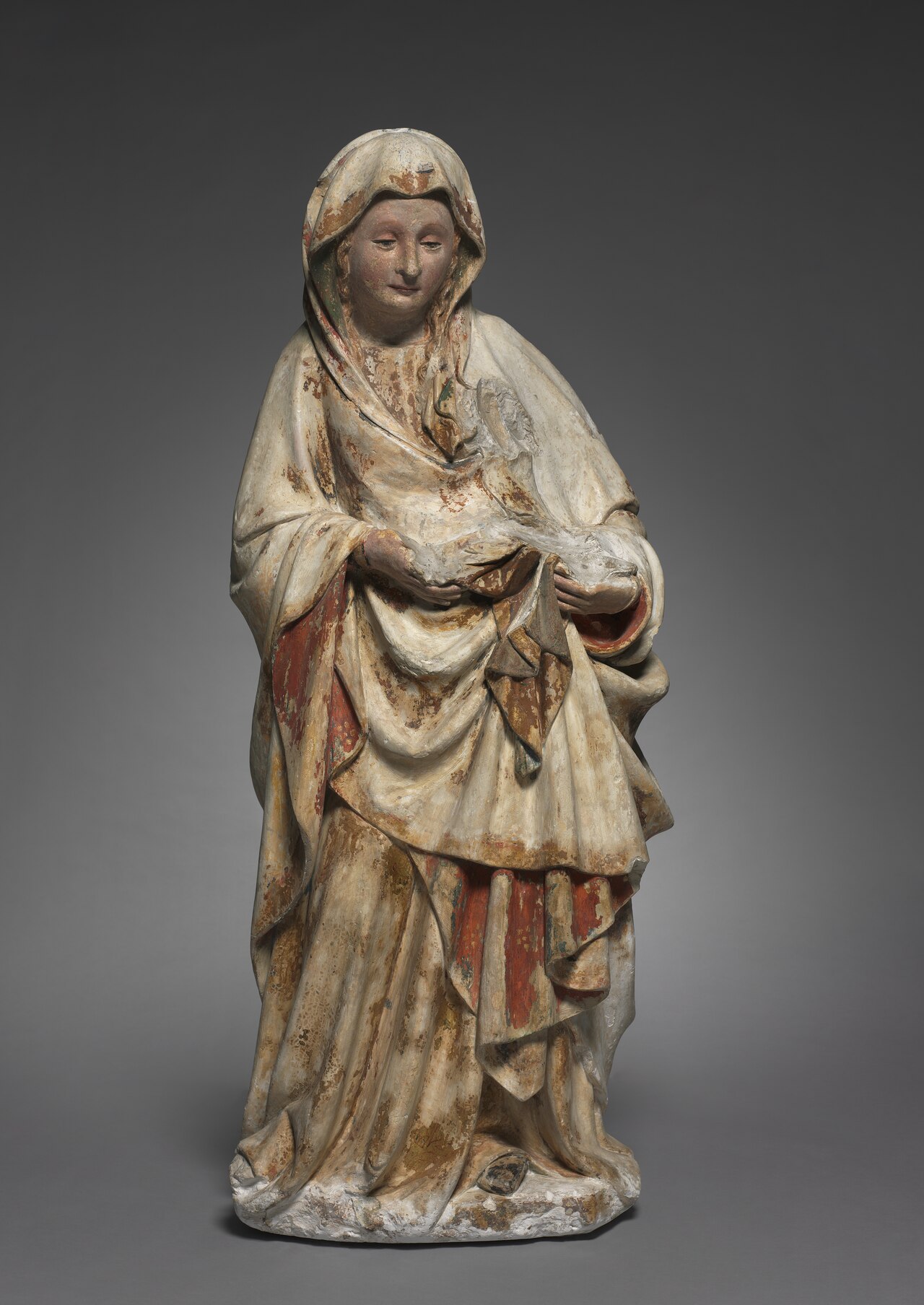
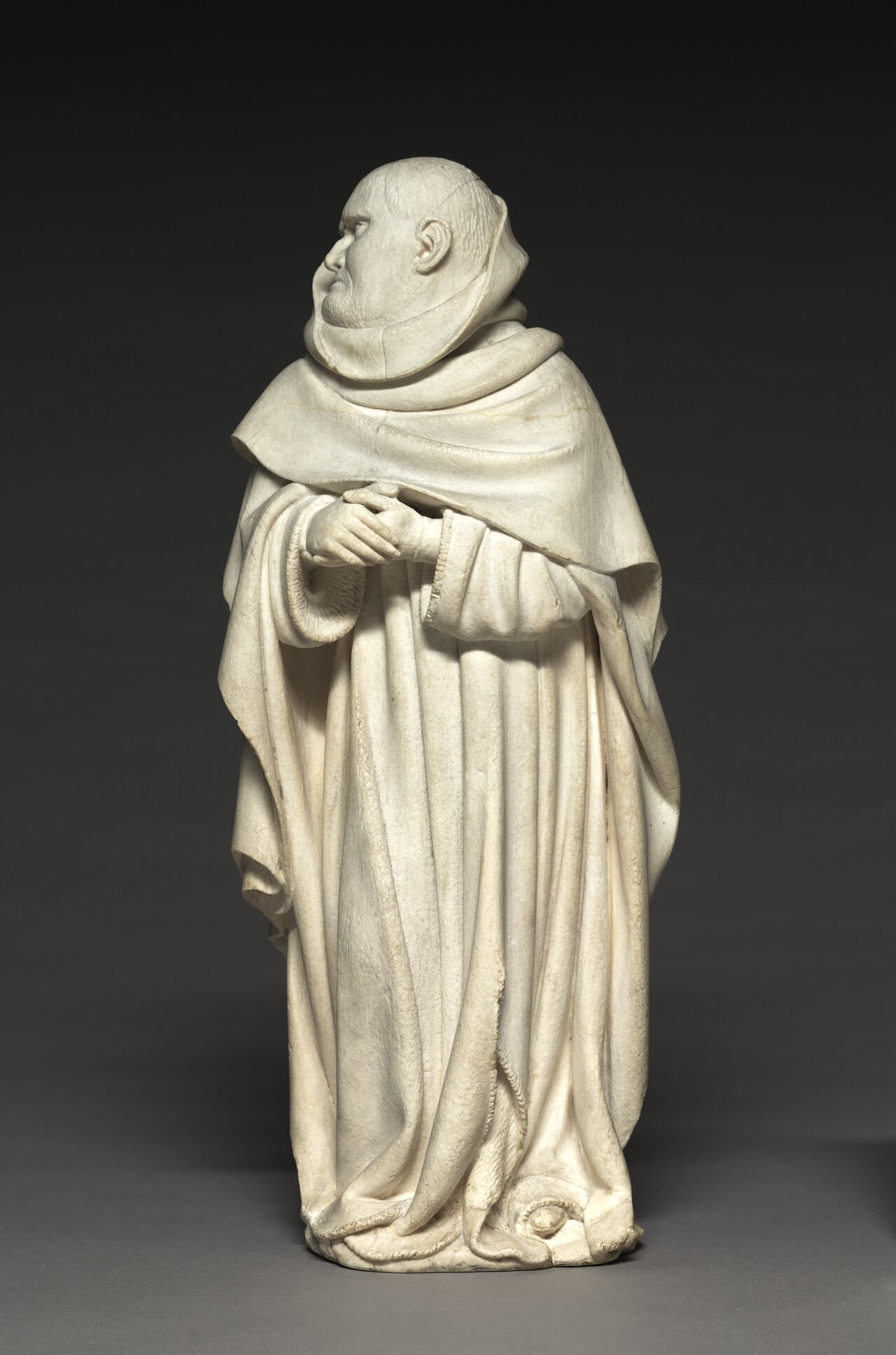
Early life Claus de Werve was born in Haarlem around 1380, although the exact details of his early life remain unclear. It is believed that he received his artistic training in the region, possibly in the workshops of local sculptors or artists. The lack of information about his early years makes it challenging to pinpoint the exact influences that shaped his style, but his later work suggests a strong foundation in traditional sculpture techniques.
Career and style De Werve's career as a sculptor began to take shape when he became active at the Burgundian court under Philip the Bold, starting from around 1395. During this period, he was exposed to a wide range of artistic influences, from the intricate stone carvings of the time to the elegant lines of courtly art. His style, while not easily categorized under a specific movement, reflects a blend of realism and elegance, with a focus on capturing the subtleties of human emotion and the textures of stone.
Signature techniques One of the defining characteristics of de Werve's work is his mastery of detail and texture. He was adept at carving intricate patterns and expressions, bringing a sense of life to his sculptures. This attention to detail, combined with his ability to balance realism with aesthetic appeal, marks his sculptures as distinctive examples of late medieval art. The techniques he employed, though grounded in traditional methods, show a level of innovation and creativity that was ahead of his time.
Major works Among de Werve's most notable works are the Well of Moses, the tomb of Philip II the Bold, Virgin and Child, Standing Virgin, and Mourner from the Tomb of Philip the Bold, Duke of Burgundy. The Well of Moses, despite its uncertain date, showcases de Werve's ability to craft complex, symbolic scenes. The tomb of Philip II the Bold, completed in 1410, is a testament to de Werve's skill in monumental sculpture, capturing the essence of the duke's dignity and power. The Virgin and Child, dated to 1416, exemplifies his approach to religious themes, emphasizing both the intimacy and the majesty of the scene. The Standing Virgin and the Mourner from the Tomb of Philip the Bold, Duke of Burgundy, further demonstrate his range and depth as a sculptor, from the serene elegance of the Virgin to the poignant expression of mourning.
Influence and legacy Claus de Werve's influence on the development of sculpture during the late medieval period is significant. His work, with its blend of realism, elegance, and intricate detail, contributed to the evolution of artistic styles in the region. The fact that he worked under the patronage of the Burgundian court also underscores the importance of royal and noble patronage in the advancement of the arts during this time. De Werve's legacy extends beyond his own sculptures, as his techniques and style have inspired generations of artists. His contributions to the field of sculpture remain a vital part of art history, offering insights into the aesthetic values and technical achievements of his era.
Frequently asked questions
Who was Claus de Werve?
Claus de Werve was a sculptor active at the Burgundian court from around 1395 to 1439, known for his detailed and elegant works.
What style or movement was Claus de Werve associated with?
The exact art movement or style associated with Claus de Werve is unknown, but his work reflects a blend of realism and elegance, characteristic of late medieval sculpture.
What are Claus de Werve's most famous works?
De Werve's most notable works include the Well of Moses, the tomb of Philip II the Bold, Virgin and Child, Standing Virgin, and Mourner from the Tomb of Philip the Bold, Duke of Burgundy.
Why is Claus de Werve important in art history?
Claus de Werve is important for his contributions to the evolution of sculpture during the late medieval period, his innovative techniques, and the influence he had on subsequent artistic developments.
How can I recognize Claus de Werve's work?
De Werve's work can be recognized by its intricate details, realistic expressions, and an elegant, refined aesthetic, often blending the secular with the religious in a harmonious and balanced composition.