Pablo Picasso
1881 – 1973
In short
Pablo Picasso was a prolific Spanish artist, renowned as a co-founder of Cubism and an innovator in painting and sculpture. His career, spanning over seven decades, produced iconic works like "Guernica" and explored a vast array of styles, solidifying his status as one of the most influential artists of the 20th century.
Notable works


Early life
Pablo Ruiz Picasso was born in Málaga, Spain, on October 25, 1881. His father, José Ruiz y Blasco, was a painter and art teacher, which provided Picasso with early exposure to art. From a very young age, Picasso displayed an extraordinary talent for drawing, surpassing his father's abilities by his early teens. His formal art education began in Barcelona and later at the Royal Academy of San Fernando in Madrid, though he often found academic instruction restrictive and preferred to learn by observing and copying the masters. The family's move to A Coruña and later Barcelona provided Picasso with access to vibrant artistic communities and intellectual circles, fostering his developing artistic sensibilities. He experienced personal tragedy early on with the death of his younger sister, Conchita, which deeply affected him and is often cited as a significant influence on his early work, particularly his "Blue Period."
Career and style
Picasso's artistic career was characterized by an astonishing breadth of exploration and relentless innovation, spanning more than seventy-six years. He moved to Paris, the art capital of the world, in the early 20th century, where he encountered avant-garde movements and artists who would shape the course of modern art. His early work, often referred to as the "Blue Period" (roughly 1901-1904) and "Rose Period" (roughly 1904-1906), reflected themes of poverty, old age, and melancholy, rendered in predominantly blue and pinkish hues, respectively. A pivotal moment arrived with the creation of *Les Demoiselles d'Avignon* (1907), a radical departure that broke with traditional representation and is considered a proto-Cubist masterpiece. This paved the way for Cubism, a movement Picasso co-founded with Georges Braque. Cubism revolutionized painting by fragmenting objects into geometric forms and depicting them from multiple viewpoints simultaneously. This analytical phase gave way to Synthetic Cubism, which incorporated collage and brighter colors. Beyond Cubism, Picasso fluidly moved through various styles, including Neoclassicism, Surrealism, and his unique "Picassoesque" interpretations of other artists' works. His output was prodigious, encompassing painting, drawing, printmaking, ceramics, and sculpture.
Signature techniques
Picasso's artistic genius lay not only in his conceptual innovations but also in his versatile command of technique. He is credited with co-inventing collage, a technique where disparate materials like newspaper clippings and fabric are incorporated into a composition, blurring the lines between art and everyday life. His exploration of constructed sculpture, using found objects and assembling them in novel ways, pushed the boundaries of three-dimensional art. Picasso was also a master printmaker, producing a vast body of etchings, lithographs, and linocuts, often exploring variations on themes and figures. His approach to painting was equally experimental; he employed a wide range of brushwork, from delicate and nuanced to bold and impasto. Furthermore, his ability to radically alter his style throughout his career, moving from the emotional intensity of his early periods to the intellectual rigor of Cubism and the expressive freedom of his later works, is a signature of his artistic journey. His drawings, often executed with fluid, confident lines, reveal his fundamental understanding of form and composition.
Major works
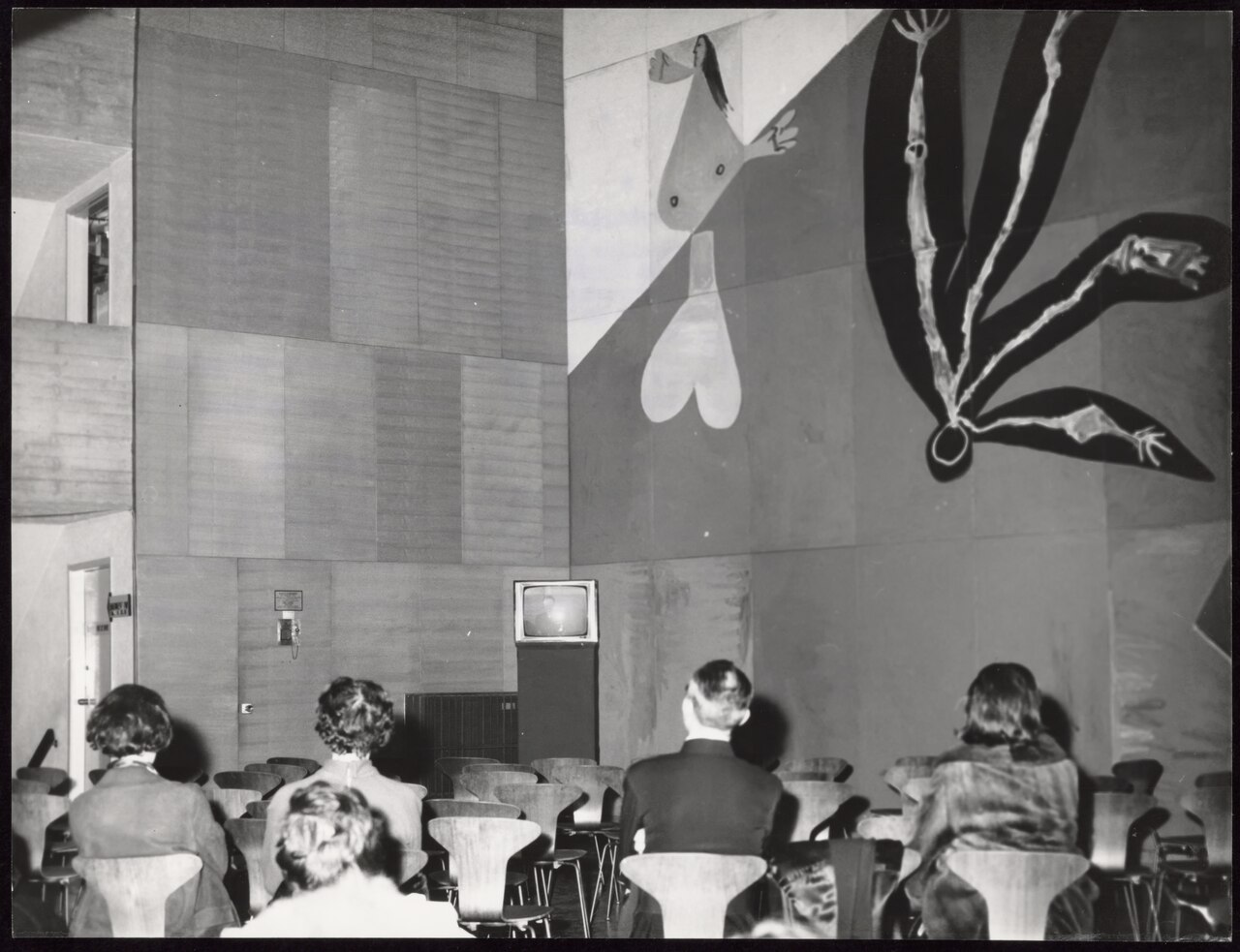
Picasso's oeuvre is vast and iconic, with numerous works holding significant art-historical importance. Among his most celebrated pieces is Guernica (1937), a monumental anti-war statement created in response to the bombing of the Basque town during the Spanish Civil War. Its stark monochromatic palette and chaotic composition powerfully convey the horrors of conflict. The Magpie (1868) is an early work, notable for its youthful execution and perhaps reflecting his early fascination with the natural world and traditional representation before his radical stylistic shifts. The Chicago Picasso (1967), a large, abstract steel sculpture located in Daley Plaza, is a significant public artwork that dominates its urban setting, showcasing his late-career engagement with monumental public sculpture. The Suite Vollard (1933) is a remarkable series of 100 etchings that delve into themes of the artist's studio, mythological subjects, and portraits, demonstrating his mastery of printmaking. The Fall of Icarus (1958) is a more symbolic and allegorical work, often interpreted through the lens of myth and personal struggle, reflecting his continued engagement with narrative and classical themes in his later years.
Influence and legacy
Pablo Picasso's impact on 20th-century art is immeasurable. He is widely regarded as one of the most dominant and influential figures in the history of art. His co-founding of Cubism fundamentally altered the trajectory of modern art, challenging centuries of artistic tradition and opening up new avenues for visual representation. The invention of constructed sculpture and the widespread adoption of collage provided artists with entirely new vocabularies and methods. Picasso's relentless experimentation and stylistic versatility inspired generations of artists across diverse disciplines. His ability to constantly reinvent himself and his profound engagement with the human condition, from the depths of despair to the heights of creative expression, continues to resonate. His works are housed in major museums worldwide, and his name remains synonymous with artistic innovation and the avant-garde, solidifying his legacy as a titan of modern and contemporary art.
Frequently asked questions
Who was Pablo Picasso?
Pablo Picasso was a Spanish painter, sculptor, printmaker, and ceramicist, widely regarded as one of the most influential artists of the 20th century. He was a co-founder of the Cubist movement.
What art movement is Picasso most associated with?
Picasso is most famously associated with Cubism, a revolutionary art movement he co-founded with Georges Braque. However, his career spanned many styles, including Blue Period, Rose Period, Neoclassicism, and Surrealism.
What are some of Picasso's most famous works?
Among Picasso's most renowned works are the anti-war painting "Guernica" (1937), the proto-Cubist "Les Demoiselles d'Avignon" (1907), the public sculpture "Chicago Picasso" (1967), and the etching series "Suite Vollard" (1933).
Why is Picasso considered so important in art history?
Picasso is crucial for his radical innovations, particularly the invention of Cubism, which fundamentally changed visual representation. His constant stylistic evolution, prolific output, and engagement with diverse media made him a dominant force and enduring influence on modern art.
How can I recognize a Picasso painting?
Recognizing a Picasso can be challenging due to his stylistic diversity. However, Cubist works often feature fragmented objects, geometric shapes, and multiple viewpoints. Other works might show melancholic figures in blue or pink hues, or later, bold, expressive lines and forms in his unique figurative style.