Christian Horneman
1765 – 1844
In short
Christian Horneman (1765–1844) was a Danish painter renowned for his miniature portraits and pastel works, active primarily in Copenhagen. He is remembered for his refined portraiture of notable figures and for influencing later generations of Danish artists.
Notable works

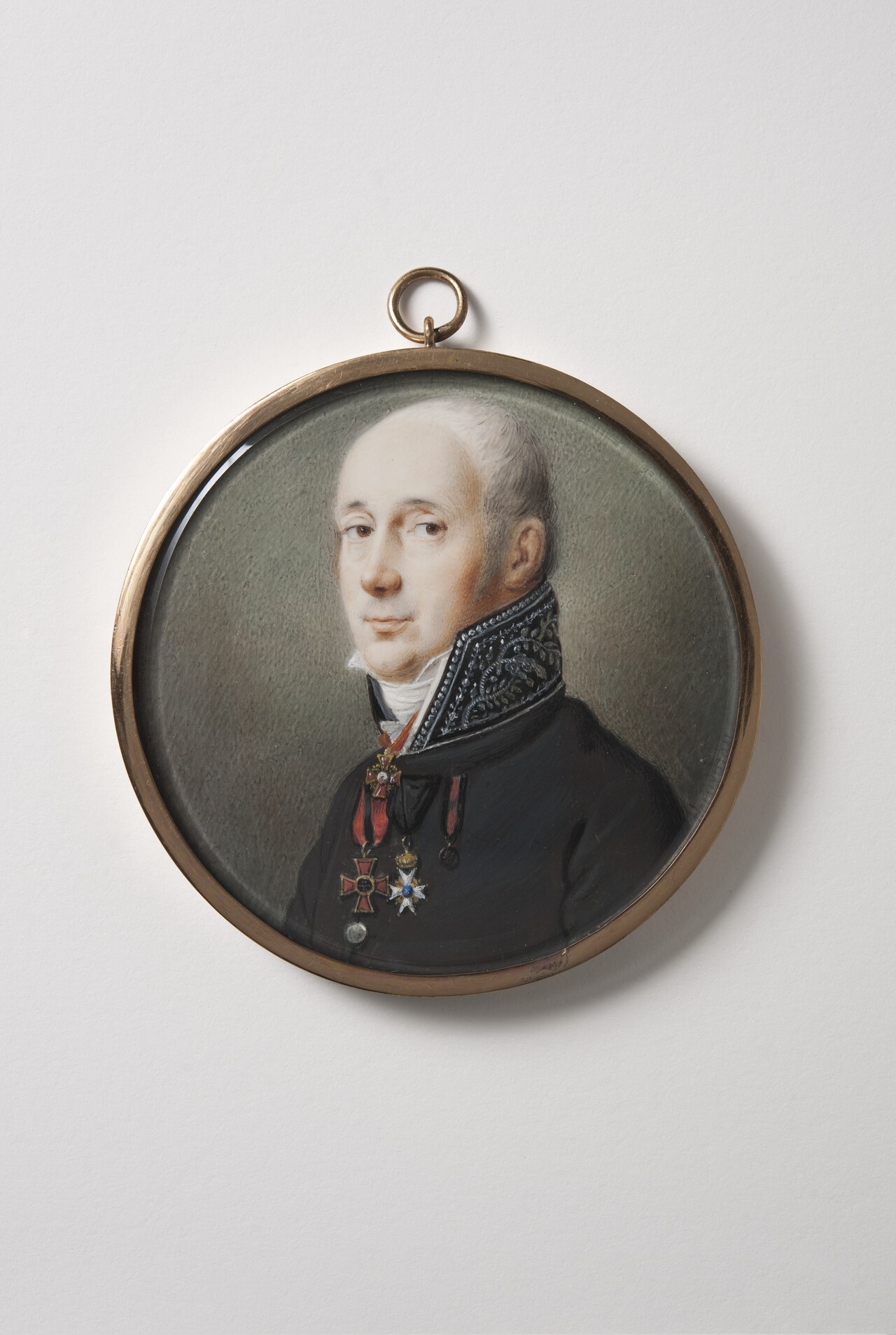
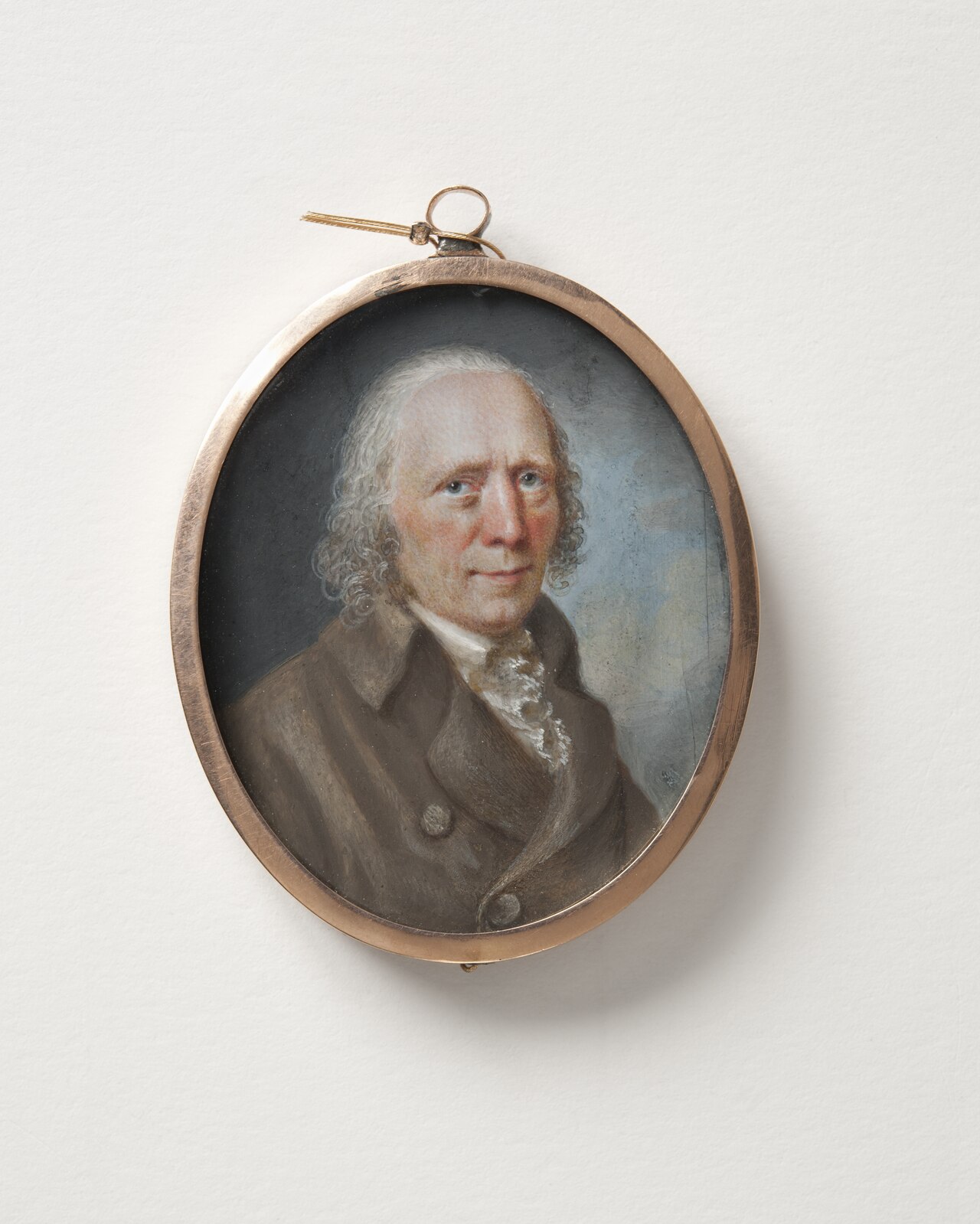


Early life Christian Horneman was born in Copenhagen in 1765, during a period when Denmark was cultivating a distinct artistic identity. Little is recorded about his family background, but he entered the artistic milieu of the capital at a young age, receiving training that combined the rigorous drawing techniques of the Royal Danish Academy of Fine Arts with the more intimate practices of miniature painting. The academy emphasized a classical foundation, which would later inform Horneman's precise rendering of facial features and the subtle modelling of light in his works.
Career and style By the late 1780s Horneman had established himself as a competent portraitist, catering to both the Danish aristocracy and an emerging bourgeois clientele. His career coincided with a broader European fascination with miniatures—small, highly detailed portraits that served as personal mementos. Horneman’s style blended the meticulous draftsmanship of academic training with a softer, more personal approach suited to the intimate scale of his subjects. Though not formally aligned with a specific movement, his work reflects the transitional aesthetic between late Baroque portraiture and the early Romantic emphasis on individual character.
Signature techniques Horneman’s hallmark was his mastery of both miniature painting and pastel media. In miniatures, he employed fine sable brushes and layered water‑based pigments to achieve delicate tonal variations. He often worked on ivory or vellum, allowing the translucency of the substrate to enhance the lifelike quality of skin tones. In his pastel works, Horneman favoured a buttery application, building up layers to capture the softness of fabric and the glint of jewellery. His ability to render texture—whether the sheen of silk, the glimmer of metal, or the subtle creases of aged skin—set his portraits apart from many contemporaries.
Major works - **Miniature of Mayor von Schon (1773‑1856), province of Treupen (1840)** – This miniature captures the Danish mayor in a dignified pose, with meticulous attention to the details of his official regalia. The work demonstrates Horneman’s capacity to convey authority within the limited space of a miniature, using restrained colour palettes and precise line work. - **Isaak Abramovitj van Brienen, Russian Consul in Stockholm, Russian Minister of the Council of State (1815)** – A portrait of the Russian diplomat showcases Horneman’s skill in rendering exotic attire and the subtle expression of a statesman. The sitter’s fur‑trimmed coat and the delicate play of light on his face illustrate Horneman’s adept handling of both oil‑based pigments and pastel techniques. - **An Unknown Man** – Though the sitter’s identity remains unidentified, the portrait is notable for its psychological depth. Horneman captures a contemplative mood through the subject’s down‑cast eyes and the soft modelling of his cheekbones, highlighting the artist’s interest in inner character as well as external likeness. - **Georg Sverdrup (1813)** – This portrait of the Norwegian scholar and statesman reflects Horneman’s engagement with the intellectual elite of Scandinavia. The work is distinguished by its restrained background and the crisp detailing of Sverdrup’s attire, underscoring Horneman’s ability to convey status without excessive ornamentation. - **Pastel** – While the title is generic, Horneman’s pastel pieces often explored more experimental subjects, employing broader strokes and richer colour harmonies than his miniature work. The medium allowed him to experiment with atmospheric effects, particularly in the rendering of fabrics and hair, thereby expanding his artistic repertoire beyond strict portraiture.
Influence and legacy Christian Horneman’s legacy rests on his contribution to the Danish tradition of portraiture. By perfecting miniature techniques, he set a high standard for later Danish artists who sought to balance technical precision with emotional resonance. His dedication to capturing the individuality of his sitters anticipated the Romantic focus on personal expression. Moreover, Horneman’s familial line continued to impact Danish culture: his son Emil Horneman became a noted composer, and his grandson C. F. E. Horneman achieved fame as a composer and music educator. Though Horneman is not as widely recognised internationally as some of his contemporaries, his works remain valuable for scholars studying the development of portraiture in Northern Europe and for collectors who appreciate the fine craftsmanship of miniature painting.
Frequently asked questions
Who was Christian Horneman?
Christian Horneman (1765–1844) was a Danish painter best known for his miniature portraits and pastel works, active primarily in Copenhagen.
What artistic style or movement is he associated with?
He is not tied to a specific movement, but his work bridges late Baroque portraiture and early Romantic emphasis on individual character.
What are his most famous works?
Key works include the miniature of Mayor von Schon (1840), the portrait of Russian diplomat Isaak Abramovitj van Brienen (1815), the portrait of Georg Sverdrup (1813), and several notable pastel pieces.
Why is Christian Horneman important in art history?
He set high standards for Danish miniature painting, influencing later portraitists and contributing to the evolution of personal expression in Northern European art.
How can I recognise a Christian Horneman painting?
Look for finely detailed miniatures on ivory or vellum, delicate pastel textures, precise modelling of facial features, and a restrained yet expressive use of colour.