Camille Claudel
1864 – 1943
In short
Camille Claudel (1864–1943) was a French sculptor associated with Expressionism, renowned for her emotive figurative bronzes and marbles such as The Mature Age and The Waltz. Her work, long overlooked, now stands as a vital contribution to modern sculpture.
Notable works
.jpg)

Early life Camille Rosalie Claudel was born on December 8, 1864 in the small village of Fère‑en‑Tardenois, Aisne, France. She was the second of six children in a modest family; her father, Louis‑Claude Claudel, worked as a railway clerk, while her mother, Louise‑Catherine, managed the household. From an early age, Camille displayed a keen interest in drawing and modelling, encouraged by her mother who recognised her daughter's talent. At the age of fifteen, she left school to study at the local school of drawing, where she first encountered the practice of sculpture. In 1881, her abilities earned her a place at the prestigious École des Beaux‑Arts in Paris, a rare opportunity for a woman at that time. There, she studied under the sculptor Alfred Boucher, who introduced her to the techniques of modelling in clay and casting in bronze.
Career and style Claudel’s career unfolded against the backdrop of a rapidly changing French art scene. While she initially worked within the academic tradition, her exposure to the avant‑garde circles of Paris, particularly through her long‑standing association with Auguste Rodin, steered her toward a more expressive visual language. By the 1890s, she had embraced the emotional intensity that would later be identified with Expressionism, using exaggerated gestures and dramatic tension to convey inner states. Her sculptures often depict intimate, psychological moments rather than heroic or mythological narratives, marking a departure from the dominant academic conventions of the period. Throughout her practice she remained committed to figurative representation, but she infused her subjects with a raw, almost palpable feeling of longing, conflict, or yearning.
Signature techniques Claudel’s technical repertoire combined the rigorous training of the École des Beaux‑Arts with innovative experimental approaches. She frequently modelled directly in clay, allowing spontaneous gestures to shape the form before finalising the piece in marble or bronze. In bronze works, she employed the lost‑wax casting method, which gave her control over fine surface details and enabled the preservation of subtle textural nuances. Her marble sculptures reveal a mastery of carving that respects the grain of the stone, yet she was unafraid to leave deliberate roughness where it heightened emotional impact. A notable aspect of her technique is the use of negative space; by carving away material, she created voids that suggest movement and psychological depth. This interplay of mass and emptiness is a hallmark of her expressive style.
Major works Claudel’s oeuvre includes several key pieces that illustrate her artistic development and thematic concerns.
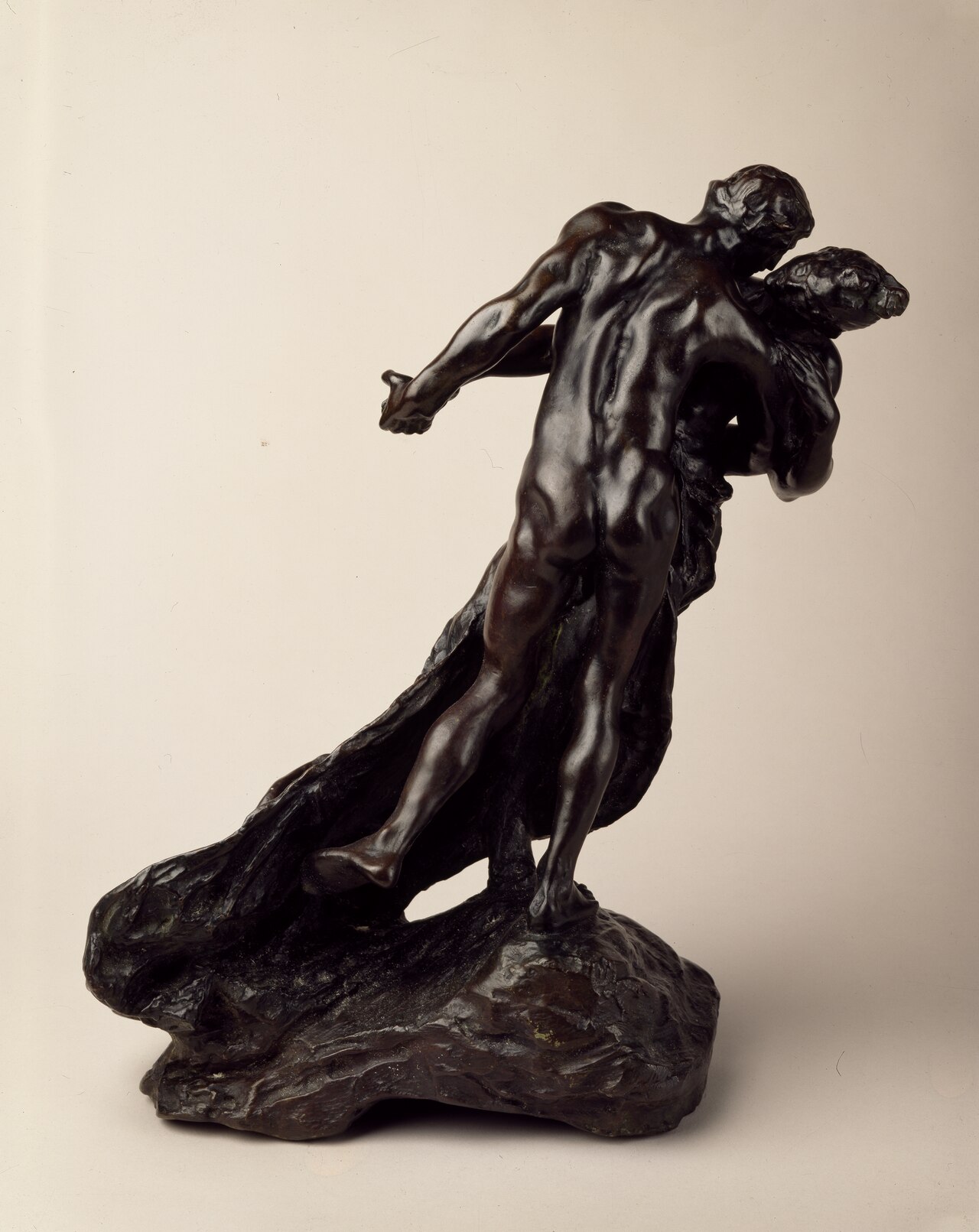
- The Waltz (1883) – Created while still a student, this early bronze captures two dancers entwined in a fluid embrace. The work demonstrates her fascination with the dynamics of human interaction and foreshadows her later focus on tension and intimacy.
- Sakuntala (Claudel) (1888) – Inspired by the Indian play of the same name, this marble sculpture portrays the mythic heroine in a moment of contemplative repose. The piece showcases Claudel’s ability to blend narrative content with an expressive treatment of the body, using delicate carving to evoke both vulnerability and strength.
- The Mature Age (1898) – Often considered her magnum opus, this marble group depicts a young woman confronting an older figure, interpreted as a visual allegory of artistic maturation and personal struggle. The composition’s stark emotional charge, combined with its complex interlocking forms, exemplifies her mature Expressionist language.
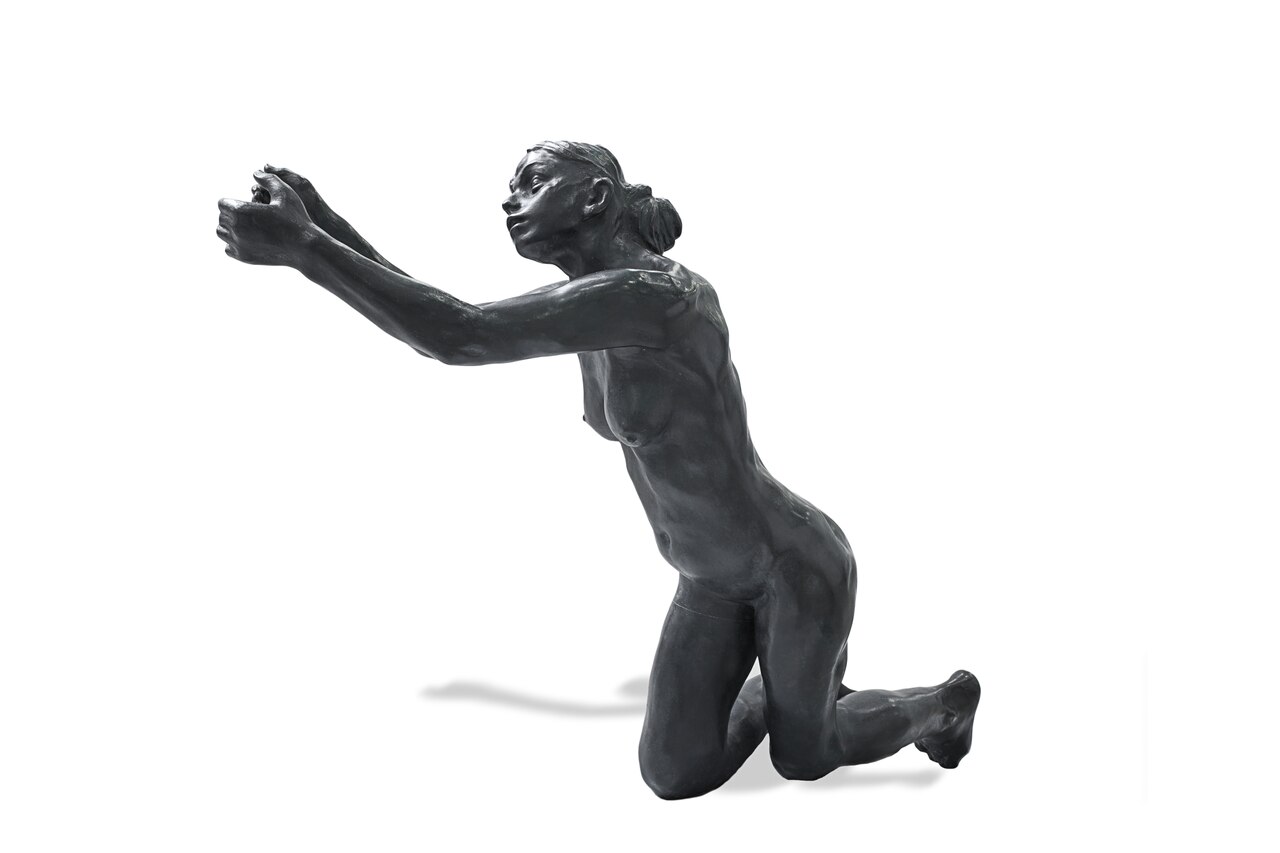
- The Implorer (1907) – A later bronze work, The Implorer presents a solitary figure in a posture of supplication, hands raised toward an unseen source. The piece’s stark simplicity and the intensity of the gesture underscore Claudel’s continued exploration of human yearning and spiritual searching.
These works, alongside numerous smaller studies and portrait busts, form the core of Claudel’s artistic legacy. Each reflects her persistent inquiry into the psychological dimensions of the human figure, and together they map a trajectory from academic training to a deeply personal, expressive idiom.
Influence and legacy Camille Claudel’s career was marked by both acclaim and tragedy. During her lifetime she exhibited at the Salon des Artistes Français and received critical acknowledgement, yet she struggled to secure commissions comparable to those of her male contemporaries. Personal difficulties, including a fraught relationship with Rodin and eventual institutionalisation, contributed to her marginalisation. After her death in Montfavet in 1943, her work fell into relative obscurity. The latter half of the twentieth century, however, witnessed a resurgence of interest. Scholars and curators re‑evaluated her sculptures, recognising their originality, technical brilliance, and emotional depth. Major retrospectives in Paris, New York, and other cultural capitals cemented her status as a pivotal figure in the transition from nineteenth‑century academic sculpture to modernist expression.
Claudel’s influence extends beyond her own productions. Her insistence on a personal, expressive approach inspired subsequent generations of sculptors, particularly women artists seeking to assert their creative autonomy. The renewed scholarly attention has also contributed to broader discussions about gender bias in art history, positioning Claudel as both a master sculptor and a symbol of artistic resilience. Today, her works are housed in leading institutions such as the Musée Rodin, the Musée d’Orsay, and the Musée de la Sculpture en Basse-Normandie, where they continue to engage audiences with their powerful, introspective narratives.
In sum, Camille Claudel occupies a distinct place in art history: a technically proficient sculptor who harnessed the language of Expressionism to articulate the complexities of human emotion, and whose posthumous recognition underscores the enduring relevance of her artistic vision.
Frequently asked questions
Who was Camille Claudel?
Camille Claudel was a French sculptor (1864–1943) known for her expressive bronze and marble figures, most famously The Mature Age and The Waltz.
What style or movement is she associated with?
She is linked to Expressionism, using heightened gesture and emotional tension to convey inner feelings.
What are her most famous works?
Her most celebrated pieces include The Mature Age (1898), The Waltz (1883), Sakuntala (1888) and The Implorer (1907).
Why does she matter in art history?
Claudel pioneered a personal, psychologically driven sculptural language that bridged academic tradition and modernist expression, influencing later artists and reshaping views on women’s contributions to sculpture.
How can I recognise a Camille Claudel sculpture?
Look for figurative forms rendered in bronze or marble with pronounced emotional gestures, careful use of negative space, and a subtle surface texture that conveys tension and intimacy.